The Dog Stars Review Roundup — Critics Split Hard on Ridley Scott's 30th Film
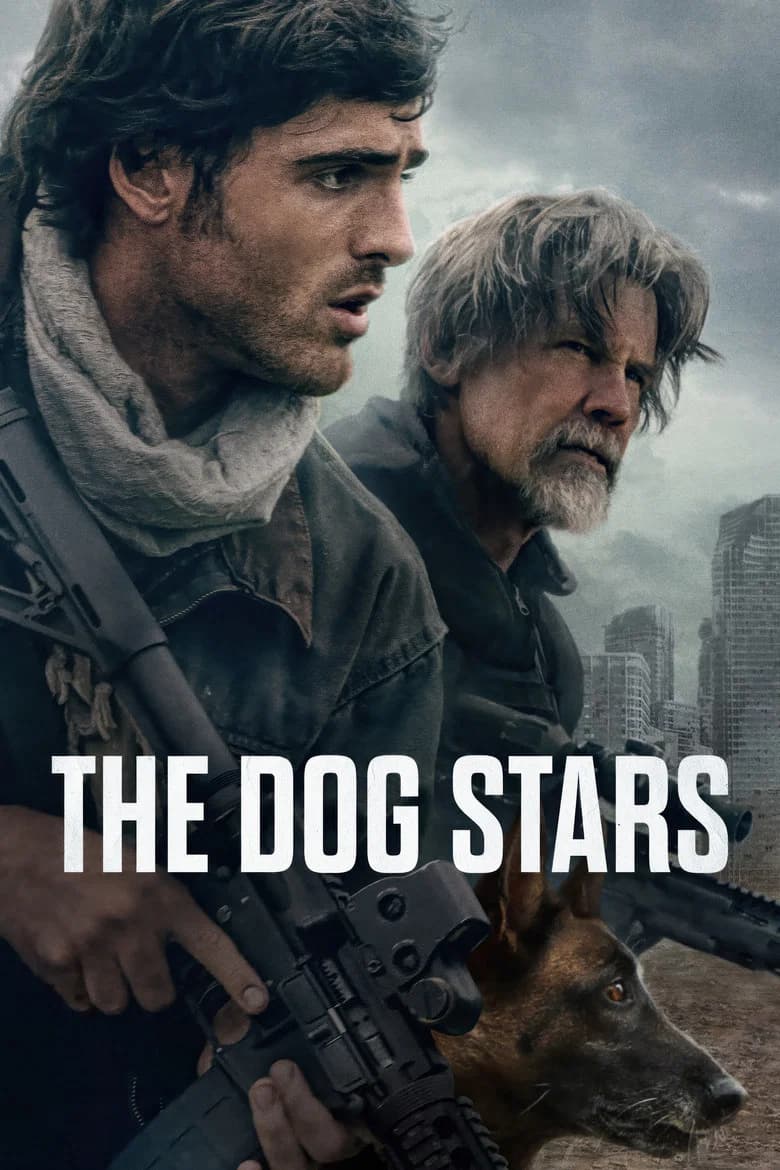
Ridley Scott's 30th feature film, The Dog Stars, hits theaters on August 28, 2026, and the critical response so far reads less like a consensus and more like several different movies got reviewed under the same title. Some outlets are calling it among the best things Scott has made in over a decade. Others are calling it his worst. That gap is unusual even for a director whose filmography has always run hot and cold, and it's worth digging into why the reviews are landing so differently before the aggregate scores finish settling.
What the film actually is
The Dog Stars is an adaptation of Peter Heller's 2012 novel of the same name, with a screenplay credited to Mark L. Smith, whose prior writing credits include The Revenant and Twisters. According to Wikipedia, the story is set after a devastating flu pandemic has nearly wiped out humanity, and it follows Jacob Elordi's Hig, a civilian pilot, and Josh Brolin's Bangley, a hardened ex-Marine, as they defend their small patch of survival against outside threats while trying to hold onto some hope that a better life is still possible on the other side of collapse.
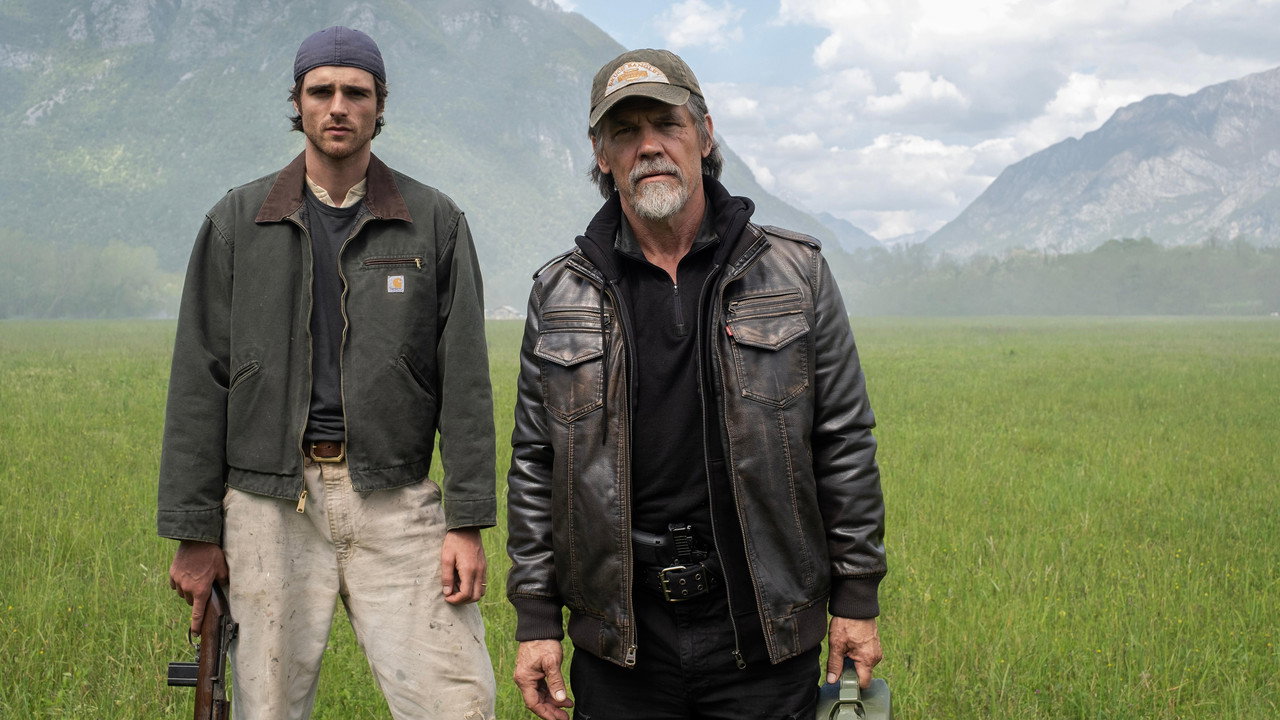
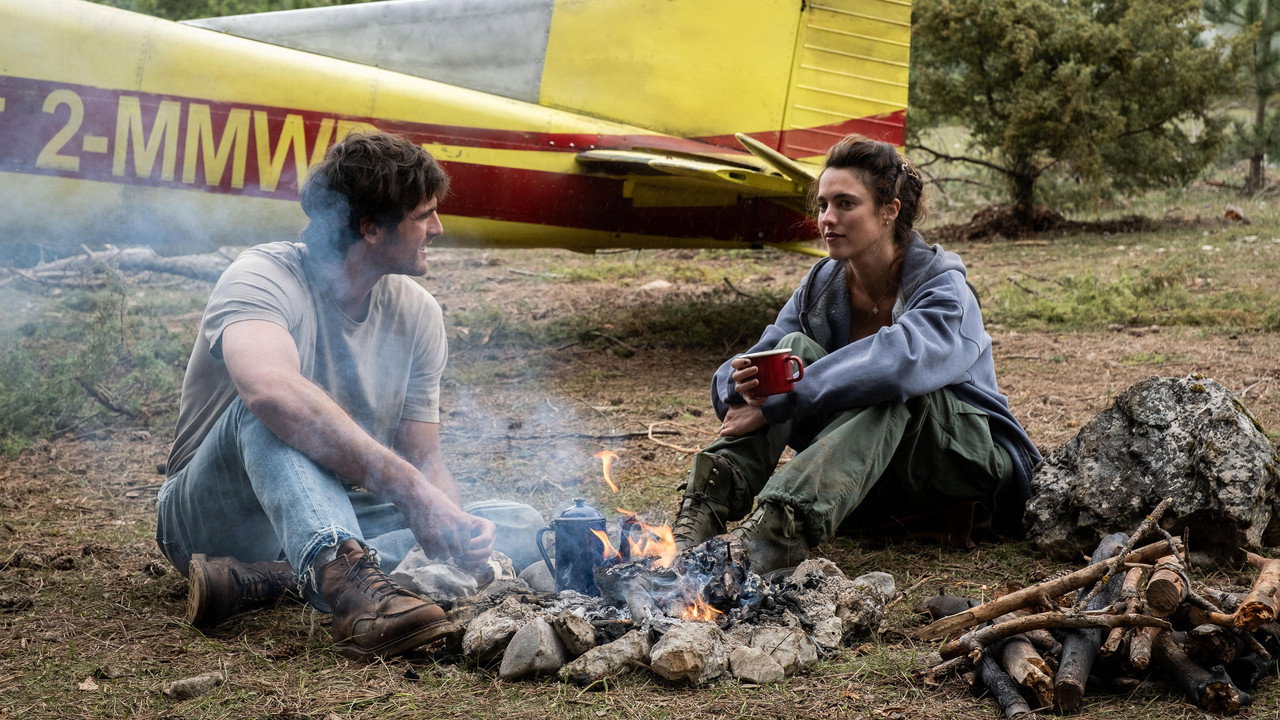
The supporting cast rounds out with Margaret Qualley as Cima, a medic, Guy Pearce as Pops, a former Navy SEAL, along with Allison Janney and Benedict Wong, per Wikipedia's cast listing. That's a stacked ensemble for what is, on paper, an intimate two-hander survival story, and several of the reviews below zero in on exactly that tension — a big cast and a big director working on material that's fundamentally small and character-driven.
A release date that already moved once
Worth noting before getting into the reviews: The Dog Stars wasn't originally scheduled for late August. According to Wikipedia, the film was initially set to release on March 27, 2026, before shifting to its current August 28, 2026 date. Release date moves can mean almost anything — scheduling conflicts, marketing strategy, post-production needs — and nothing in the available reporting specifies why this particular shift happened. It's simply worth flagging as context for a film now landing in the middle of a crowded late-summer window rather than in its original spring slot.
The production details, with a caveat
According to Wikipedia, The Dog Stars carries a budget of roughly $110 million and runs 118 minutes. Erik Messerschmidt handled cinematography, Harry Gregson-Williams composed the score, and the film was produced by 20th Century Studios alongside Scott's own Scott Free Productions. Filming reportedly took place across Italy — in Bordano, Cansiglio, and Avezzano, plus Rome and Cinecittà Studios — with additional work at Pinewood Studios.
That entire cluster of production detail is single-sourced to Wikipedia and hasn't been independently corroborated against another outlet here, so it's worth treating as reported rather than fully confirmed. The broad strokes — a $110 million post-apocalyptic drama shot partly in Italy with a recognizable below-the-line crew — are plausible and consistent with how a film of this scale and pedigree would typically be assembled, but the specific figures should be read with that single-source caveat attached.
Where the aggregate score actually stands
Here's where things get genuinely messy. As reviews have rolled in ahead of the wide release, different outlets have reported different Rotten Tomatoes numbers at different moments — 33% at one point, 44% at another. Wikipedia's own page for the film currently shows a snapshot of 44% from 43 critics, alongside a Metacritic score of 49 out of 100 from 21 critics. None of those numbers should be treated as the final word. Aggregate scores are inherently a moving target in the days before a wide release, since new reviews keep getting added to the pool and can swing the percentage meaningfully in either direction. The honest way to describe where The Dog Stars stands right now is that the score was still moving as more reviews came in, not that it has settled on any single number.
ScreenRant flagged just how bad that could get for Scott specifically, reporting that if the lower end of those scores holds, The Dog Stars could rank among the ten worst-reviewed films of Scott's entire career — a notable claim for a director with 30 features and nearly six decades of filmmaking behind him, spanning everything from Alien and Blade Runner to Gladiator and The Martian.
The case for the film: Hollywood Reporter and The Playlist

Not every outlet is down on it. The Hollywood Reporter's review is the most enthusiastic of the bunch, praising Jacob Elordi's performance for its "soulfulness and sensitivity that ground the movie in emotional authenticity." The Hollywood Reporter went further, calling The Dog Stars "arguably Ridley Scott's best since The Martian" — a direct comparison to a film that came out 11 years earlier, in 2015, and remains one of the more warmly received entries in Scott's recent filmography. That's a significant claim, and it puts Hollywood Reporter squarely on the opposite end of the spectrum from ScreenRant's worst-of-career framing.
The Playlist landed in similarly positive territory, describing The Dog Stars as "an intimate, unexpectedly tender survival drama." That word choice — unexpectedly — is doing real work in that review. It suggests The Playlist went in expecting something colder or more mechanical from a post-apocalyptic action-adjacent premise and came out finding something closer to a character study.
The case against: IndieWire and RogerEbert.com
On the other end, IndieWire's review is blunt about where it lands, arguing the film "isn't a total misfire — it's just the first Ridley Scott joint in some years that feels totally unnecessary." IndieWire's headline goes further still, stating that Elordi and Brolin "can't save" the film from "near-disaster." That's a striking contrast with Hollywood Reporter's take on the exact same lead performance — one outlet sees Elordi's work as the emotional anchor holding the film together, another sees strong performances unable to rescue material that doesn't justify its own existence.
RogerEbert.com was even more direct with its framing, running a headline that calls the film a "boring vision of the future" with "no luster." That's about as unambiguous a pan as a review can offer, and it's notable that RogerEbert.com's criticism centers less on the performances and more on the film's overall texture — the suggestion being that a story about survival after civilizational collapse should feel urgent or visually striking, and this one, in their view, doesn't.
The middle ground: Variety and ComingSoon
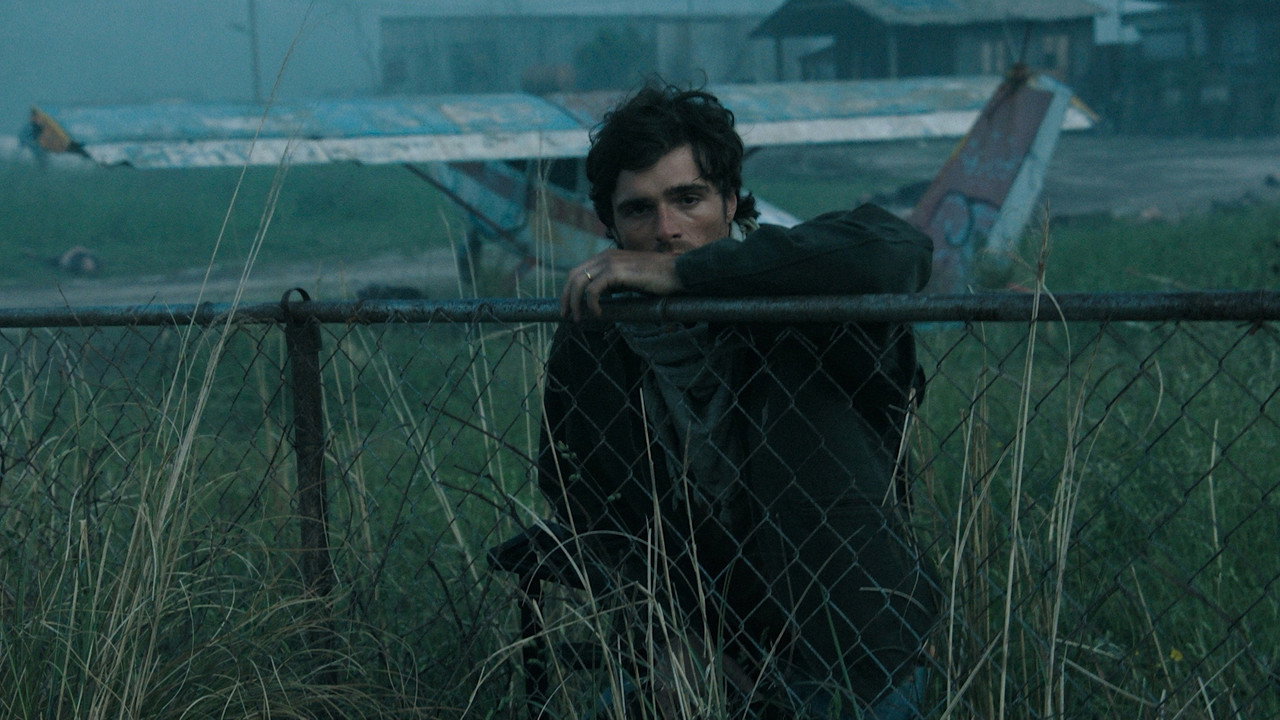
Two other reviews land somewhere between the extremes, and their shared critique is worth noting because it points at a specific, consistent weakness rather than a purely subjective taste difference. Variety's review is more lukewarm than outright negative, acknowledging sympathetic elements in the story but concluding that Elordi's protagonist "remains a bit of a blank." That's a meaningfully different criticism than IndieWire's or RogerEbert.com's — Variety isn't calling the film a disaster, but it is questioning whether the central character actually has enough interior life to carry a two-hour drama built around his perspective.
ComingSoon's review echoes a version of that same complaint from a different angle, praising Josh Brolin specifically as "the standout" while describing the film overall as "too slow, too one-note, and too familiar to leave much of an impression." Put Variety and ComingSoon next to each other and a pattern starts to emerge: even reviewers who aren't ready to write the film off entirely are converging on the idea that its central pilot character doesn't carry enough weight, and that Brolin's more hardened, morally complicated Bangley is doing more of the film's actual heavy lifting.
Why the reviews are splitting this hard
Line up all seven reactions and a rough shape appears. The reviews that like the film — Hollywood Reporter and The Playlist — are responding to its intimacy and its lead performance as an emotional anchor. The reviews that dislike it — IndieWire and RogerEbert.com — are responding to a sense that the film doesn't justify its own existence or generate enough visual and narrative urgency for its runtime. And the reviews in between — Variety and ComingSoon — are essentially agreeing with the negative camp's underlying complaint about a thin central character while stopping short of calling the whole film a failure, largely on the strength of Brolin's supporting performance.
That's a genuinely divided critical field, not just a spread of scores clustering around a mediocre middle. It suggests The Dog Stars is the kind of film where your reaction to Elordi's Hig as a character is going to determine almost everything else about how you experience the movie — whether his quietness reads as soulful restraint or as an absence of interior life the film needed him to fill.
Where this leaves Scott's late-career run
Scott has spent the last several years alternating between passion projects and big swings with mixed critical fortunes — Napoleon drew its own split reception, and The Martian remains the high-water mark Hollywood Reporter is explicitly invoking here. A director thirty features deep, still working at this pace and scale, was always going to keep generating exactly this kind of divided reaction: some critics rewarding the ambition and the performances, others losing patience with a filmmaker they feel has told variations of this story before. The Dog Stars doesn't resolve that tension. If anything, the gap between Hollywood Reporter's "best since The Martian" and RogerEbert.com's "no luster" makes it one of the more cleanly divided releases of Scott's entire late period, and that division is likely to keep the aggregate scores moving for a while yet as the film opens wide and the review count keeps climbing.
More reviews are still landing as The Dog Stars opens wide on August 28, which means the current aggregate scores are a snapshot, not a final verdict — expect the number to keep shifting in either direction over the next week or two.