'Fjord' Review Roundup: Cristian Mungiu's Palme d'Or Winner Splits Critics at TIFF
This piece discusses the film's central premise and the shape of its investigation plot as described in reviews, though it does not reveal the ending.
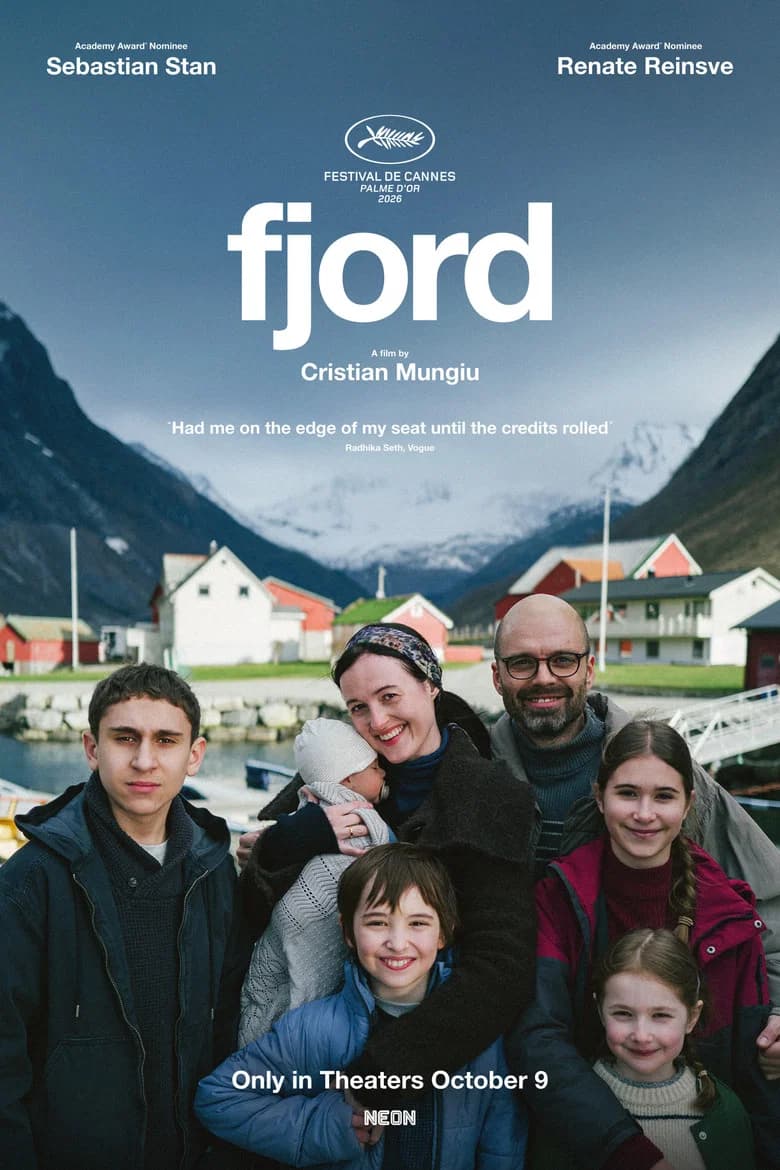
Cristian Mungiu doesn't make comfortable films, and "Fjord" is no exception. The Romanian director's latest, which won the Palme d'Or at Cannes in May and premiered at the Toronto International Film Festival on September 10, 2026, arrives with the kind of pedigree that usually guarantees a smooth ride through the fall festival circuit. Instead, it's landed exactly where Mungiu's work tends to land: some critics calling it a masterclass, others calling it a slog that states its themes instead of earning them. That split is worth taking seriously rather than smoothing over, because it says something real about what kind of film this is.
What "Fjord" Is Actually About
The setup is deceptively simple. A Romanian Evangelical Christian family relocates to a small town in Norway, chasing whatever combination of opportunity and fresh start prompts that kind of move. Sebastian Stan plays the father, a strict, devoutly religious man whose approach to raising his children collides head-on with the norms of a secular Scandinavian welfare state. The collision point is specific and unglamorous: a child at the kids' new school notices bruises. That single observation sets off a chain reaction — a child-protective-services inquiry that escalates into a full criminal investigation into whether the father's discipline constitutes abuse, or whether the state's response amounts to religious persecution of a family that simply believes and behaves differently than the country they've moved into.
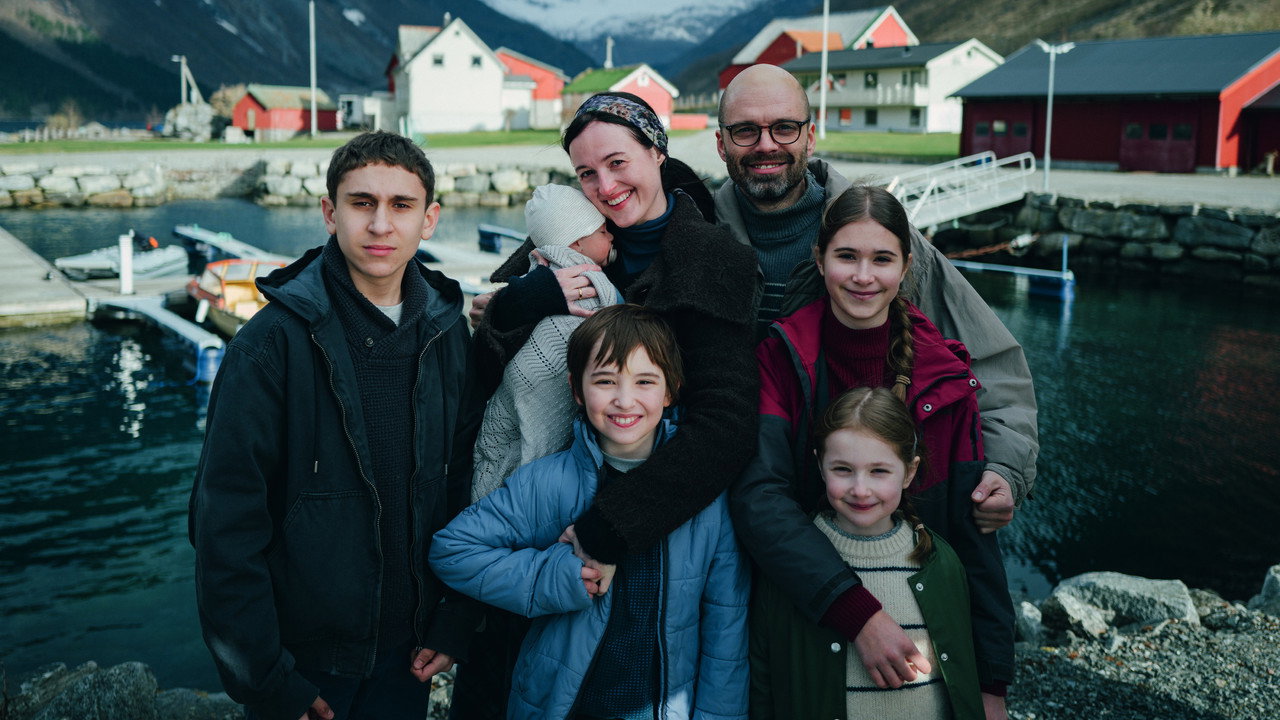
That's a genuinely hard needle to thread as a premise. It sets up a story that could tip into either propaganda for strict religious parenting or a smug takedown of it, and the fact that critics disagree about whether Mungiu threads that needle cleanly is, in a sense, the whole story of this film's reception.
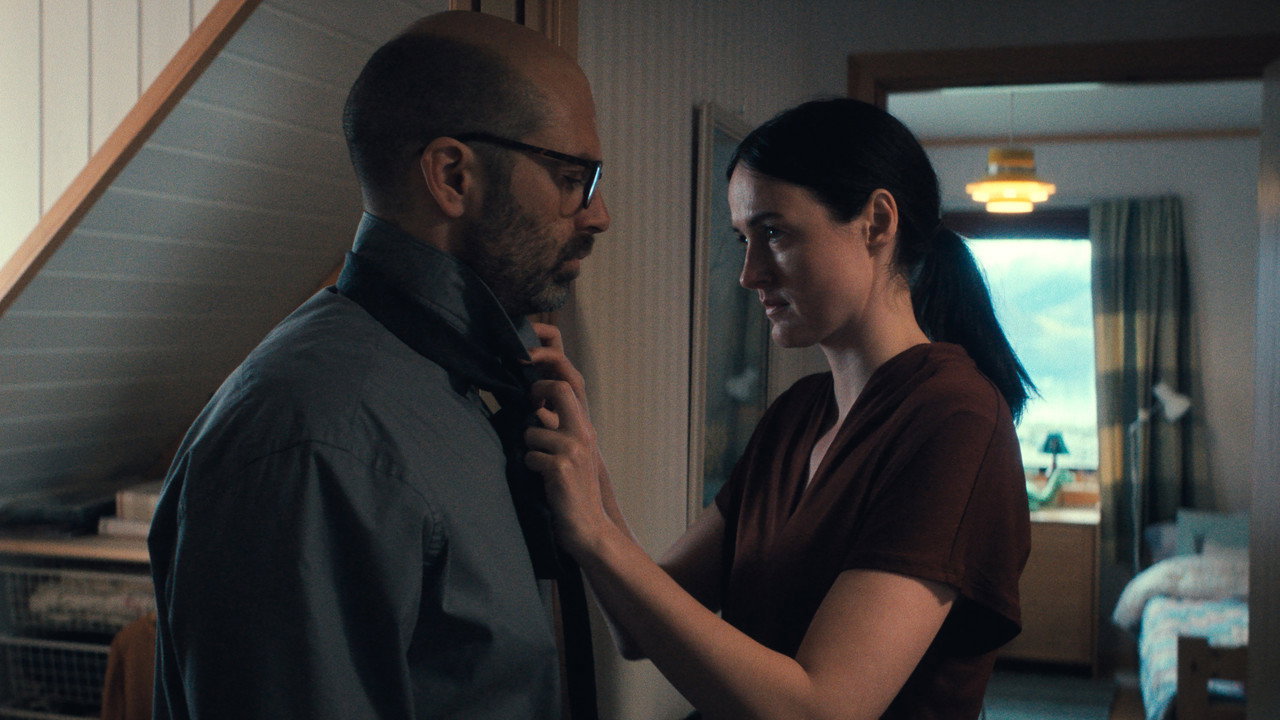
Renate Reinsve co-stars as Lisbet Gheorghiu, presumably the mother caught between her husband's convictions and the machinery of the state now scrutinizing her family, though full plot details on her character's arc haven't been widely reported yet. Reports also list Ellen Dorrit Petersen and Lisa Loven Kongsli in the cast, though that detail comes from a single source and hasn't been corroborated elsewhere, so it's worth treating as reported rather than fully confirmed.
A Second Palme d'Or, Nineteen Years Apart
The Cannes result alone made "Fjord" a story before a single mainstream critic outside the festival bubble had seen it. When the jury announced the Palme d'Or on May 23, 2026, it made Mungiu the tenth filmmaker in the festival's history to win the award twice. His first came 19 years earlier, for "4 Months, 3 Weeks and 2 Days," the 2007 drama about illegal abortion in Ceaușescu-era Romania that established him as one of the defining voices of the Romanian New Wave.
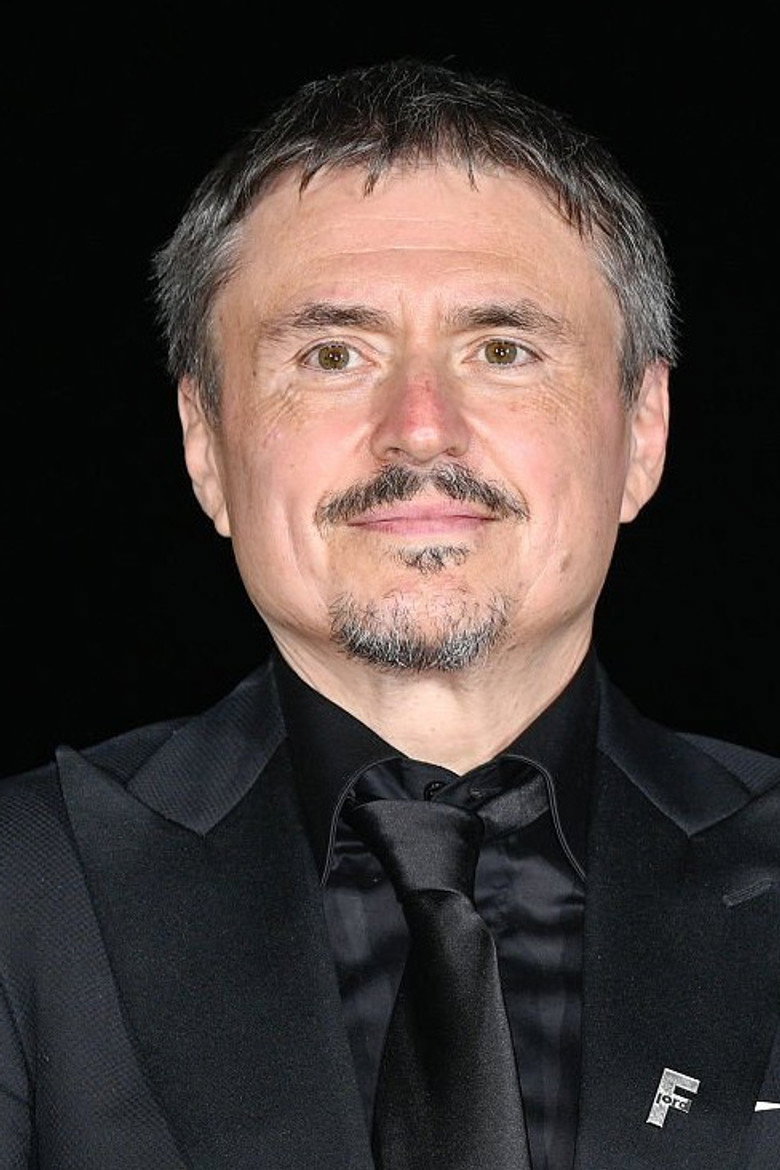
That's a long gap between wins, and it puts Mungiu in genuinely rare company — a short list of directors the Cannes jury has now handed its top prize to twice, alongside names like Michael Haneke, the Dardenne brothers, and Ken Loach. The Cannes premiere reportedly drew a 12-minute standing ovation, and the film also picked up the François Chalais Prize and the FIPRESCI Prize during its run there, meaning it collected recognition from the official jury, the industry-adjacent Chalais committee, and the international critics' body all in the same festival. That's about as broad a sweep of Cannes hardware as a single film can pull off outside the acting and screenplay categories.
A First for Mungiu: Leaving Romania
Mungiu's entire filmography, from "4 Months, 3 Weeks and 2 Days" through "Beyond the Hills" and "Graduation," has been rooted in Romania — its recent political history, its institutions, its specific social texture. Reports indicate "Fjord" is his first film shot and set entirely outside the country, an international, Norway-set production that trades his usual Romanian backdrop for a Scandinavian one while keeping a Romanian family at the story's center. That detail is currently secondary-sourced rather than confirmed across multiple outlets, but if accurate, it's a meaningful departure for a director whose work has always felt inseparable from its specific national context.
It also reframes what "Fjord" is doing thematically. Mungiu's Romanian films tend to examine institutions from the inside — a hospital, a school, a courtroom — as a way of interrogating a society's compromises. Moving the setting to Norway and keeping the family Romanian flips that structure: now the institution being examined is a foreign one, viewed through the eyes of outsiders whose own values don't automatically align with it. That's a different kind of tension than anything in his earlier work, and it's part of why the film is generating such a divided response.
The Case for the Film: Variety's Rave
Variety's Nick Schager has been the loudest voice in the "this is a genuine achievement" camp. His review leans heavily on Sebastian Stan's performance, describing the actor's physical transformation for the role — a shaved head, a beard, glasses — as making him "practically unrecognizable." That's a notable claim for an actor as widely recognized as Stan, who's spent the last several years building a run of increasingly prestige-adjacent work, including an Oscar nomination for playing a young Donald Trump in "The Apprentice."
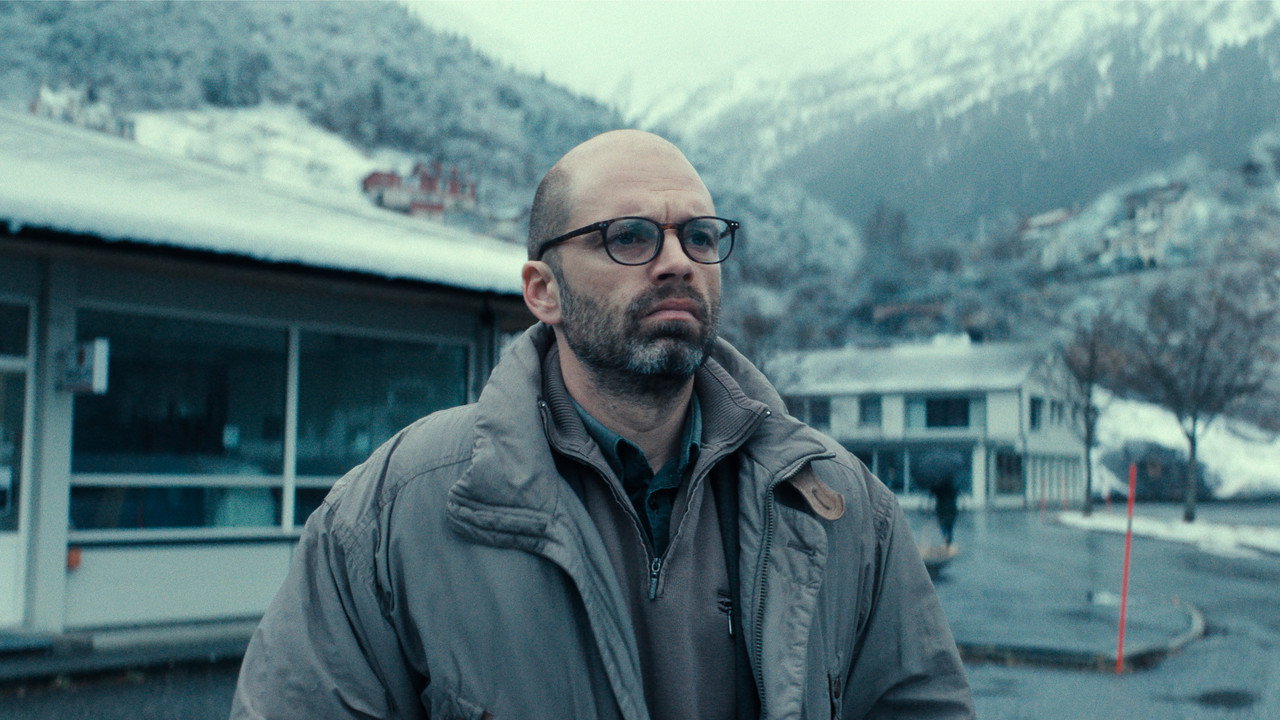
Schager goes further on the performance itself, calling it "a tightly wound, immaculately composed masterclass." He frames the film overall as "a car crash occurring in what feels like real time" — a description that captures the slow-motion dread of watching an investigation escalate against a family that genuinely believes it's done nothing wrong, or at least nothing outside the bounds of its faith. Variety's framing positions "Fjord" as "one of the year's undisputed highlights," which is about as strong an endorsement as a trade outlet offers a foreign-language awards contender this early in the season.
The Case Against: Flickering Myth's Pushback
Not everyone at TIFF walked out convinced. Flickering Myth's review of the film, filed from Toronto, lands at 3 out of 5 stars — a respectable score, but a pointed comedown from the Cannes coronation and Variety's enthusiasm. The review's central complaint is pacing: at 146 minutes, Flickering Myth argues the film's investigation plot drags in ways that undercut its own tension rather than building it.
The sharper criticism is aimed at the film's antagonist, the prosecutor driving the criminal case against Stan's character, whom Flickering Myth argues becomes "a caricature" as the film goes on — a figure who exists to represent the secular state's overreach rather than a fully realized person with a coherent point of view. That's a meaningful critique for a film built around a genuine moral question, because a caricatured antagonist tends to flatten exactly the ambiguity a story like this needs to stay honest. If the prosecutor is simply wrong and the father is simply persecuted, the film stops being a real interrogation of where discipline ends and abuse begins, and starts being an argument with the deck stacked.
Flickering Myth pushes that point further, arguing the script "explicitly states intolerance" rather than earning it dramatically — a criticism that echoes a familiar complaint about issue-driven filmmaking generally, where a movie tells its audience what to conclude instead of building toward that conclusion through character and incident. The review closes by calling the ending "a hedge, a half measure," suggesting Mungiu ultimately declines to fully commit to either side of the question his own film spends two-plus hours raising.
The Middle Ground: ButWhyTho's Frustrated Praise
Between Variety's rave and Flickering Myth's pointed skepticism sits ButWhyTho's review, which captures the split about as neatly as a headline can: "A Compelling if Frustrating Drama." That framing does real work. It's not a pan, and it's not a rave — it's an acknowledgment that the film generates real tension and real investment while also leaving the reviewer dissatisfied with how that tension resolves, or fails to.
Put those three reactions side by side and a pattern emerges that's worth naming directly: nobody at TIFF seems to think "Fjord" is boring or badly made on a scene-by-scene level. The disagreement is almost entirely about the back half — whether the prosecutor's arc holds together, whether the film earns its own moral ambiguity or just announces it, and whether the ending represents a deliberate, honest refusal to resolve an unresolvable question or a failure of nerve. That's a genuinely different kind of critical split than the usual "some people liked it, some didn't" — this is a disagreement about whether the film's caution is wisdom or cowardice.
Stan's Bigger Year
It's worth zooming out on where this fits into Sebastian Stan's career right now, because "Fjord" isn't an isolated swing. He's coming off that Oscar nomination for "The Apprentice," and in a separate Variety interview, he reportedly drew a comparison between "Fjord" and the upcoming "The Batman 2" in terms of tone and ambition, invoking "The Godfather Part II" as a reference point for the kind of scale and seriousness he sees in both projects. That's a striking thing for an actor to say about a blockbuster sequel and a Romanian-Norwegian arthouse drama in the same breath, and it suggests Stan is deliberately building a year that straddles franchise visibility and prestige-festival credibility rather than picking one lane.
Whatever the specific wording of that comparison, the throughline is clear: Stan is positioning "Fjord" as serious work, not a detour, and the reviews praising his performance — even the more mixed ones — back that framing up. A physical transformation this complete, paired with a performance multiple critics are singling out regardless of how they feel about the film around it, is exactly the kind of awards-conversation fuel that tends to follow an actor through the rest of a festival season.
Why the Split Matters More Than the Score
It would be easy to average out the reactions to "Fjord" into a tidy "critics are mostly positive with some reservations" summary, but that undersells what's actually happening here. This isn't a film where reviewers disagree about craft — nobody's arguing Mungiu can't direct, or that Stan and Reinsve aren't doing serious work. The disagreement is about whether a film built around genuinely difficult, unresolved questions — where does religious conviction end and abuse begin, and does a secular state have the standing to decide that for a family it doesn't fully understand — has the courage to sit in that discomfort, or whether it flinches at the last moment.
That's the kind of split that tends to follow a film for a long time, well past its festival run. Palme d'Or winners don't always sail smoothly through wider release — plenty of past winners have generated exactly this kind of divided reception once they left the festival bubble and met general audiences and a broader critical pool. Given the subject matter, the divided reviews so far look less like a warning sign and more like confirmation that Mungiu built something genuinely difficult to have a clean, uncomplicated reaction to.
What to Watch For
With Cannes hardware in hand and a high-profile TIFF premiere behind it, "Fjord" looks set for a broader theatrical push, likely accompanied by an awards-season campaign built heavily around Stan's transformation and performance. Expect more reviews to land as it expands beyond the festival circuit, which should start to clarify whether the current split holds, tightens toward consensus, or widens further once general audiences weigh in on an ending multiple critics are already arguing about. The more interesting number to watch in the coming weeks isn't a review aggregate — it's whether the specific disagreement over the film's third act narrows or hardens as more people actually see it.
'Fjord' is expected to move toward a wider theatrical rollout on the strength of its Cannes and TIFF momentum, with more reviews likely to firm up critical consensus ahead of any awards-season push.