Tenzing Review Roundup: Critics Praise the Everest Cinematography and Split on the Biopic, Three Days Before Its Limited Release
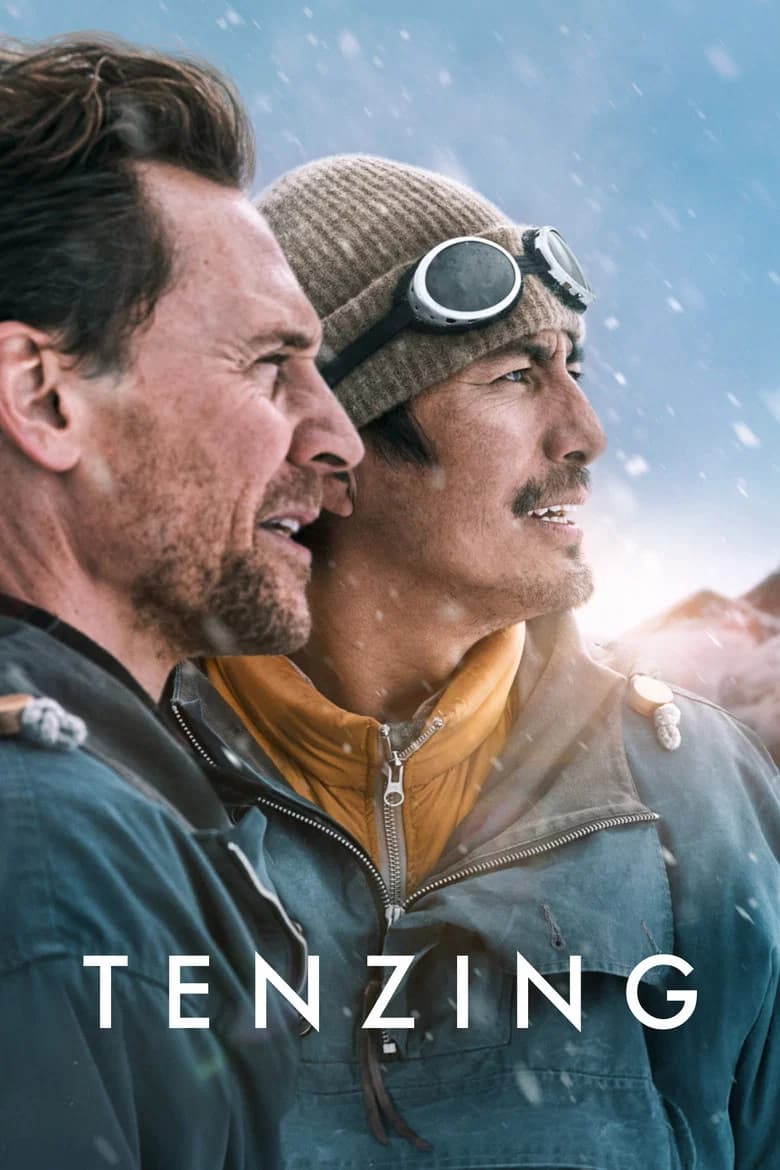
Tenzing opens in select theaters on Friday, and the reviews have been accumulating since early September. As of Oct 6, 2026, the aggregators tell two different stories about the same film. Rotten Tomatoes shows a 95% Tomatometer from 19 reviews. Metacritic shows a Metascore of 62, labelled "Generally Favorable," from 9 critic reviews.
Both numbers are positive. The distance between them is the interesting part, and so is what the individual reviews say underneath it. Nearly every critic quoted below likes the mountain. The disagreement is about whether the movie around the mountain is as strong as the climb.
The Setup
According to Apple's press page, Tenzing is directed by Jennifer Peedom and will be in select theaters on October 9 and on Apple TV on October 16, 2026. Apple lists Genden Phuntsok as Tenzing Norgay, Tom Hiddleston as Edmund Hillary, Willem Dafoe as Colonel John Hunt, Caitríona Balfe as expedition secretary Jill Henderson, and Thinley Lhamo as Tenzing's wife Dawa.
Apple's synopsis reads: "Based on true events, “Tenzing” chronicles the little-known story of Tenzing Norgay (Genden Phuntsok), a gifted Himalayan climber who, alongside New Zealand mountaineer Edmund Hillary (Tom Hiddleston), became the first to summit Mount Everest."
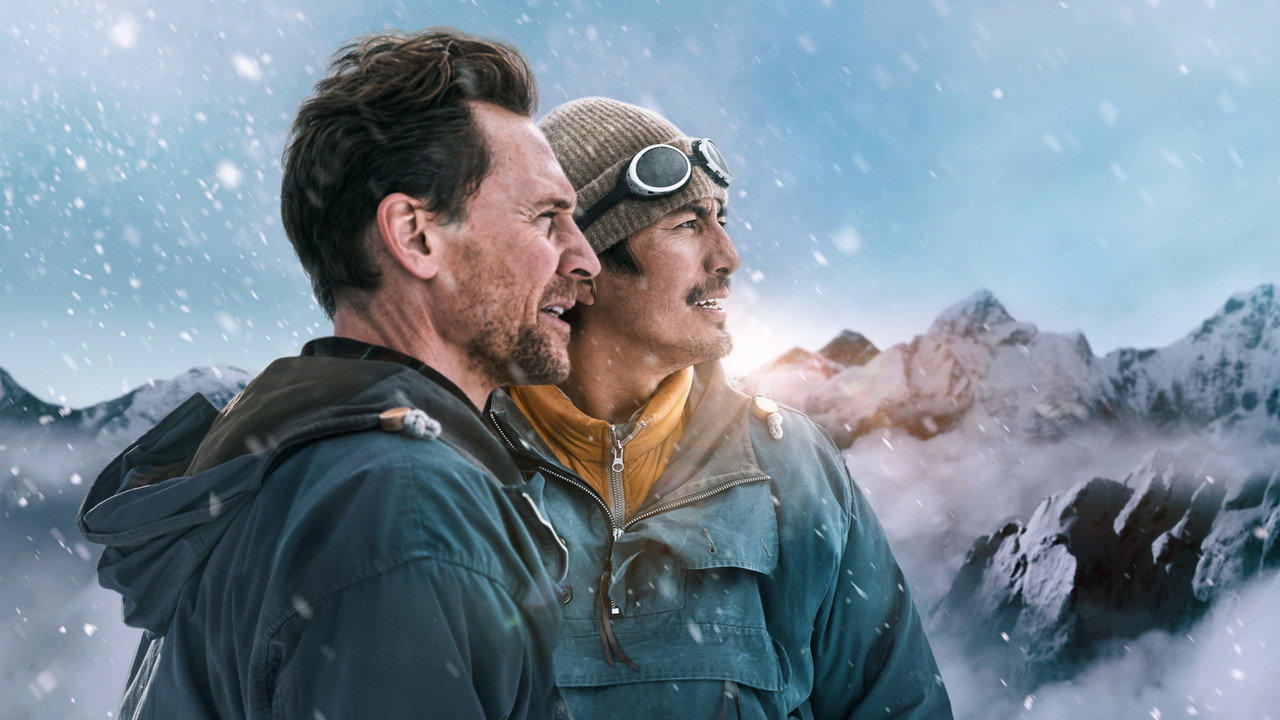
That framing matters for the reviews. The pitch is that this is Tenzing's story, with Hillary as a partner in it, and several critics measure the film against that promise.
The Scores, and Why They Disagree
A note on method first. Everything here is as read on Oct 6, and both samples are small. Nine Metacritic reviews is not much, and 19 on Rotten Tomatoes is not much more. Both numbers can move, and probably will once the film opens wider and more outlets publish.
On Metacritic, the 62 breaks down as 44% positive (four reviews), 56% mixed (five reviews) and 0% negative. The nine scores displayed there are:
- RogerEbert.com: 88
- AwardsWatch: 83
- Collider: 80
- Next Best Picture: 70
- Screen Rant: 60
- Screen Daily: 60
- The Playlist: 58
- The Hollywood Reporter: 50
- Slant Magazine: 50
No one has panned it, and no one has rated it a masterpiece. The highest score is an 88, and then the list steps down through the 80s, 70, a pair of 60s and the high 50s before bottoming out at 50.
The following is general analysis rather than anything reported about this film. Rotten Tomatoes counts a review as fresh if it is positive at all, so a lukewarm "pretty good" and an enthusiastic rave count the same. Metacritic converts each review to a number, so a pile of 50s and 60s drags the average down even though few of those critics are dismissing the film. A 95% and a 62 on the same movie usually means broad, mild approval with a few strong advocates, and the nine excerpts below fit that pattern.
The Praise: Everest as an Experience
The most enthusiastic reviews are about what the film looks and sounds like. The excerpts below are the passages Metacritic displays next to each score, quoted in full as shown there. They are short pull-quotes, not the outlets' complete reviews, so none of them should be read as any outlet's whole verdict.
RogerEbert.com has the highest score on the page at 88. Metacritic's excerpt of RogerEbert.com's review reads: "Through drone technology, “Tenzing” transports us to a bird’s-eye view few people will ever see." The excerpt goes on: "Every shot of the snowy, stark mountain landscape feels like 8K." It continues: "Paired with a crisp sound design, the film becomes quite immersive." And it finishes: "The crunch of the snow and every emphasized exhale in the thin air feel familiar, yet create a deep unease, knowing every step is on uncertain ground."
The review credits sound as much as image, and "uncertain ground" is a dramatic claim, not a travelogue one.
Slant Magazine, at 50, is tied for the lowest score with The Hollywood Reporter, but its excerpt points the same way. Metacritic's excerpt of Slant's review reads: "The film is less interested in its biographical mission than in making the journey up Everest feel as immersive and tactile as possible." Whether that is a compliment depends on the reader. For Slant it sits next to a middling score, so it may be a mild criticism that the biography is thin. For anyone buying a ticket for the mountain, it is a selling point. Either way, two outlets from opposite ends of the score table describe the same quality.
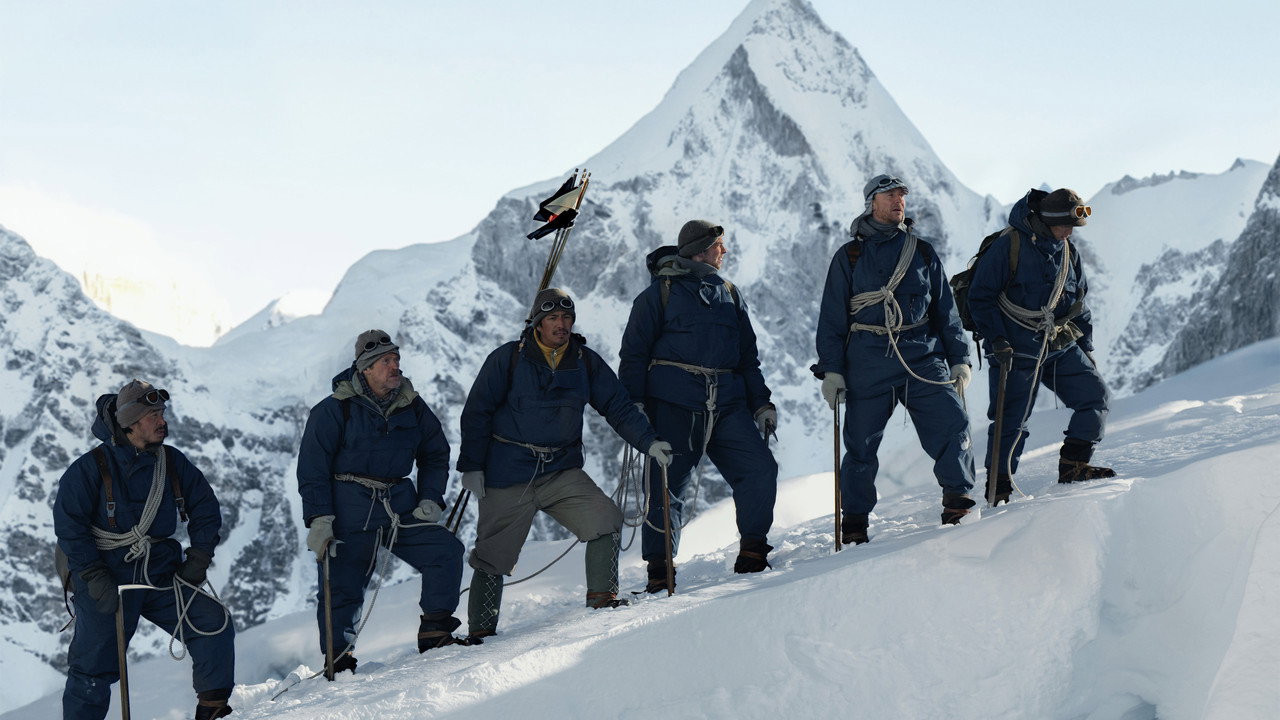
Screen Daily, at 60, offers the third version. Metacritic's excerpt of its review reads: "This earnest picture gives the expedition the proper grandeur and sense of danger, and the performances (including Tom Hiddleston as Hillary) are nicely restrained." So the spectacle gets credit even from a mixed review.
The Performance Question
Phuntsok comes up repeatedly, though the evidence in the excerpts is thinner than for the cinematography praise, so I'll be careful. The strongest statement in the excerpts comes from Next Best Picture, at 70. Metacritic's excerpt of its review reads: "Although its supporting characters never receive the same attention, Peedom’s film draws immense power from Phuntsok’s humane performance, its reverence for Chomolungma, and its focus on the often-neglected voices that add crucial context to the story’s enormity."
That sentence does three things. It praises the lead performance. It says the film treats the mountain with reverence, and uses the name Chomolungma for it. And it concedes a weakness, that the supporting characters get less attention. One excerpt is not a pattern, but it is a notable concession from a supportive review.
The Hollywood Reporter, at 50, is more pointed about the central partnership. Metacritic's excerpt of its review reads: "Phuntsok and Hiddleston are pleasant to watch and share a nice, friendly chemistry, with Tenzing as the relatively more excitable one and Hillary as the quieter one." The excerpt's next sentence turns: "But I couldn’t tell you what brings them together, other than a vague understanding that they both love climbing and both feel like outsiders within the team."
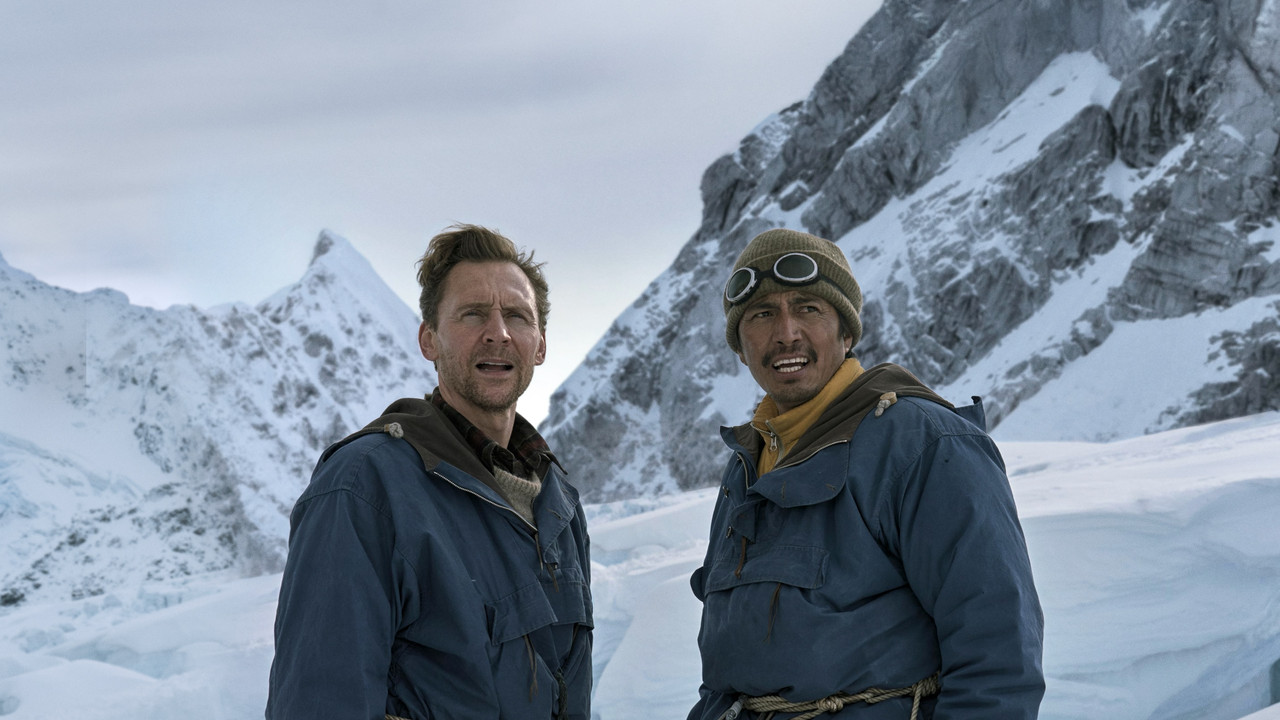
That is a precise complaint. It does not say the actors are bad. It says the film shows the friendship without explaining it. For a story whose entire hook is two men reaching the top together, that is a real reservation, and it is the sort of thing a 50 reflects better than a 95% does.
The Reservations: Competent, Tasteful, Distant
Most of the mixed reviews raise a version of the same objection, and it is not about craft.
Screen Rant, at 60, states it most directly. Metacritic's excerpt of its review reads: "Tenzing may tell a remarkable story about a remarkable man, but the film struggles to resonate emotionally." It follows with: "It’s competently made, well-acted, and beautifully shot, yet something is certainly missing from Tenzing Norgay’s ascent to the big-screen."
Screen Daily, at 60, puts the same problem in different terms. Metacritic's excerpt includes the sentence: "But some narrative choices and an overly tasteful treatment end up undercutting what should be a stirring spectacle." "Overly tasteful" is the phrase to hold onto. It describes a film that behaves itself, one that respects its subject so carefully it holds back.
The Playlist, at 58, is the most conditional of the mixed reviews. Metacritic's excerpt of its review reads: "If you can make it through the first hour, Duscio’s cinematic compositions and that score might find you succumbing to “Tenzing’s” predictable charms." It adds: "You might fall for a portrait of history that deserves a spotlight." The word "predictable" and the "first hour" caveat suggest a slow start and a familiar shape, though the excerpt is generous about where it lands.
AwardsWatch, at 83, comes at the question from the other side, and its note is worth setting against the others. Metacritic's excerpt of its review reads: "At its best, Tenzing is a personal story and a fascinating exploration of the varied local culture’s relationship to the as-of-yet untamed deity." "At its best" is itself a qualifier, which suggests even the supportive reviews see a film that does not always reach that level.
The Pattern Across the Table
Reading all nine excerpts together, here is my analysis. Praise clusters around immersion, sound, landscape and the lead performance. Criticism clusters around emotional distance and conventional structure. Those are not contradictory. A film can be gorgeous and respectful and still feel like it is keeping the viewer at arm's length, and that appears to be what the 60 and 50 reviews are describing.
Does the Film Deliver on Tenzing's Story?
This is the question the marketing sets up. Apple calls it the "little-known story" of Tenzing Norgay. That is a pitch to center a figure the studio itself describes as little known.
Collider's excerpt, at 80, suggests that for at least one outlet the film earns it. Metacritic's excerpt of Collider's review reads: "While the film could be touted as a portrait of faith and hard work, it’s also about the people who carry that dream with you." It adds: "And when Tenzing reaches the top, it earns every emotion waiting there."
Set that beside Screen Rant's "something is certainly missing" and THR's confusion about the friendship, and you have a split that is more about temperament than quality. Some critics came away moved, and others came away admiring the craft without feeling much. Next Best Picture's mention of "often-neglected voices" suggests the film does give space to people left out of the usual Everest story, though the same excerpt says its supporting characters never receive the same attention.
My read, from the excerpts alone: the film's ambition to center Tenzing appears to land at the level of performance and perspective, and critics who wanted a deeper dramatic argument for the partnership at its core came away less satisfied. I have not seen the film, and these are pull-quotes, so that is a hypothesis about the pattern, not a verdict on the movie.
What to Watch For
Three things will tell us more than the current scores.
First, how the numbers move. A 95% on 19 reviews and a 62 on 9 are both early readings. If the Metacritic pool grows and more reviews cluster at 60 and below, the Metascore could sag. If more outlets land near RogerEbert.com and AwardsWatch, it could rise. Small samples drift.
Second, the release plan. The film opens in select theaters on October 9 and reaches Apple TV on October 16, a week later. A couple of excerpts lean on sound and scale, which is an argument for seeing it in a theater if one is near you, though that is my inference and not a claim any outlet makes.
Third, whether the mixed reviews are describing a flaw or a taste. "Overly tasteful" can be a real problem or a deliberate decision to treat a legendary climb with restraint. Audiences will answer that, and critics will not settle it.
The Bottom Line
Tenzing appears to be a well-made, visually immersive account of a major piece of mountaineering history, with a lead performance at least one outlet singles out and a treatment some find too careful. The 95% on Rotten Tomatoes says almost everyone is positive. The 62 on Metacritic says most of those positive reviews are measured, and the five mixed scores suggest a film that respects its subject more than it moves some viewers.
If the reviews are any guide, the safest expectation is a handsome, sincere film that is strongest when it is on the mountain. Whether it is also a moving one is the question critics have not agreed on, and it is the one that opening weekend viewers will answer for themselves.
Tenzing opens in select theaters on October 9 and arrives on Apple TV on October 16. Watch whether the scores hold as the review pool grows beyond its current small size.