Primetime Review Roundup: Robert Pattinson's Chris Hansen Turn Is the Consensus Pick, the Movie Around Him Less So
This roundup discusses the film's ending and its handling of Bill Conradt's death, along with specific scenes and lines critics have called out from their reviews.

"Primetime" has moved past the pre-release noise. A24's Lance Oppenheim-directed drama about Chris Hansen and "To Catch a Predator" opened in wide US theatrical release on September 25, 2026, after premiering at Venice earlier this month, and the real fight over an NDA between A24 and the real Hansen — which we covered separately — is now a footnote to the actual conversation critics are having about the finished film.
That conversation has a clear shape after the first wave of wide-release reviews. Nearly everyone agrees Robert Pattinson's performance is the reason to see the film. Fewer agree the film built around him earns its subject matter.
What "Primetime" Is, Briefly
Oppenheim, making his narrative feature debut after a career in documentary and hybrid nonfiction work, directs a dramatization of the 2006 NBC Dateline production "To Catch a Predator," built loosely from Luke Dittrich's 2007 Esquire article on the same story. Pattinson plays Hansen. Merritt Wever plays producer Andie Bender. Skyler Gisondo and Phoebe Bridgers play two of the young actors hired as online decoys to lure suspects to sting houses, with Gisondo's character going by the screen name "Dan Plum" and Bridgers playing a decoy named Del Harvey. Tony Revolori and Matthew Maher, the latter playing internet vigilante Xavier Von Erck, round out the supporting cast, and Alex Winter plays Bill Conradt — the real Texas assistant district attorney who died by suicide in 2006 when a "To Catch a Predator" sting and a SWAT raid converged on his home while NBC's cameras rolled.
The film was shot in New Orleans in February and March of 2025 on a budget of roughly $14.5 million, competed for the Golden Lion at Venice on September 5, and opened wide in the US on September 25 via A24.

The Consensus: Pattinson Is Doing Something Special
Every review in this roundup, regardless of how it feels about the film overall, agrees on one thing: Pattinson's Hansen is the reason "Primetime" is worth talking about. Per IndieWire's review, the performance is being described as a career-high for Pattinson, built around what the outlet calls an uncanny vocal transformation into Hansen's specific cadence and delivery — the same clipped, faux-avuncular register Hansen used on camera to confront suspects, rebuilt from the inside rather than simply imitated. That's a notable claim for an actor who's spent the last several years alternating between arthouse roles and a Batman franchise, and it lines up with how his performance was received at Venice, where it was one of the more talked-about elements of the premiere.
The interesting wrinkle is that the praise for Pattinson isn't really separable from the discomfort critics feel about the character. Hansen, as a real person and a TV persona, occupied a strange moral position even during the original show's run — part crusader, part showman, part the guy whose on-camera confrontations became a genuine cultural meme. A performance that nails that ambiguity is, by definition, going to be unsettling to watch, and that unsettled quality is showing up across reviews as a compliment to Pattinson even when it's a complaint about the film.
AP's Jake Coyle: Sharp Critique, Thin Characters
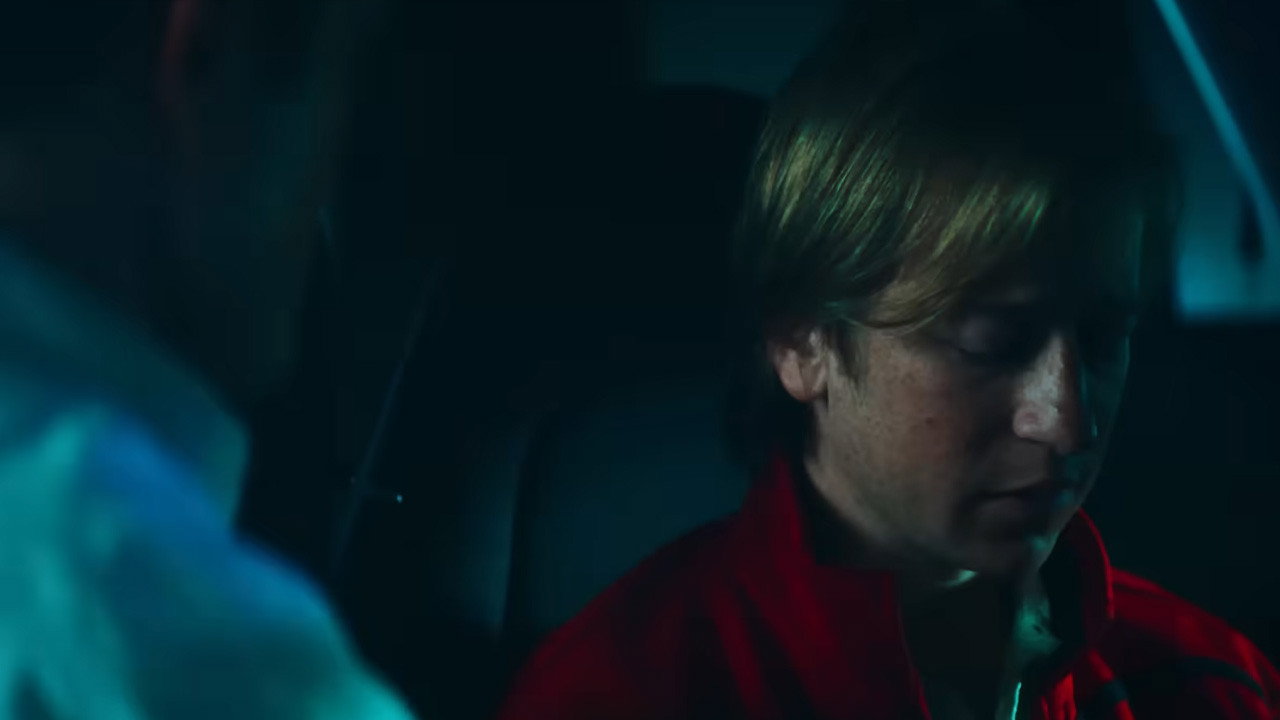
Jake Coyle's review for the Associated Press, syndicated via KQED, lands as one of the more substantive takes so far. Coyle credits the film with landing a real critique of the show's moral implications — the way "To Catch a Predator" turned a genuine child-safety concern into a ratings engine, and the ethical compromises that required from everyone involved in making it. The film includes a line delivered by Pattinson's Hansen that Coyle singles out as the clearest statement of that argument: "There used to be a pillory in every village. Now, there's a television." It's a tidy piece of dialogue, explicitly framing the show as a modern version of public punishment as spectacle, and it's the kind of line a film hangs its whole thesis on.
But Coyle's review doesn't let the film off easy just because it has a clear thesis. His core complaint is that "Primetime" doesn't build deep characters to carry that thesis through — that the film is more interested in restaging the mechanics of the show's production, and making its argument through structure and imagery, than in giving its people the kind of interiority that would make the argument land emotionally rather than just intellectually. That's a meaningful distinction. A film can correctly diagnose a moral problem and still fail to make an audience feel the weight of it if the people onscreen never become more than functions of the argument.
ComingSoon.net: "Uncomfortable But Fascinating"
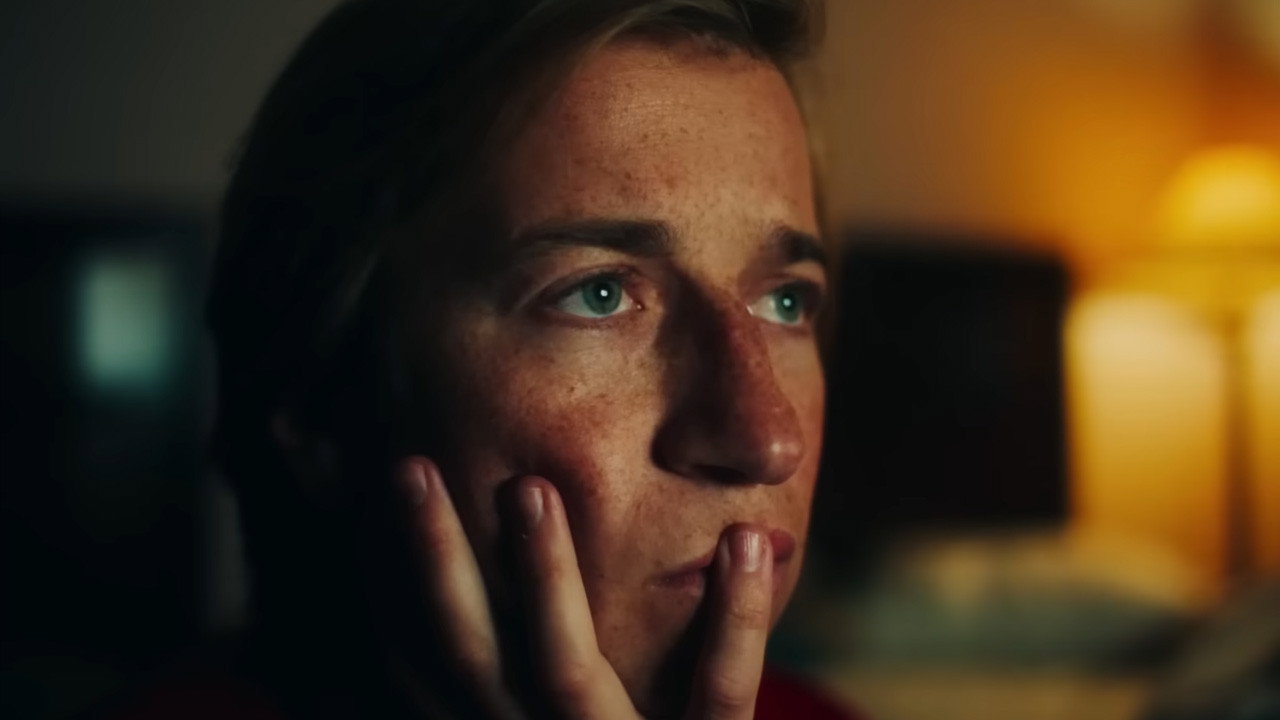
ComingSoon.net's review is more straightforwardly positive, landing at 7 out of 10 with a "Good" rating. The outlet's framing leans into exactly the discomfort Coyle's review flags as a shortcoming, treating it instead as the point: ComingSoon calls "Primetime" "an uncomfortable but fascinating movie that understands exactly how strange the world of To Catch a Predator really was."
The more pointed part of that review is a question it raises rather than answers: whether the real Chris Hansen's motivations, as the film understands them, were genuine child-protection concerns or something closer to a personal fascination with public exposure and confrontation. That's not a new question — it's one people asked about the real show while it was airing — but it's notable that ComingSoon reads the film as actually sitting with that ambiguity rather than resolving it one way or the other. A film that refuses to definitively answer whether its subject was a crusader or an opportunist is either doing something genuinely interesting with a complicated real person, or dodging the harder work of taking a position. Which one "Primetime" is doing seems to depend on which critic you ask.
The Shallow Charge, and the "Predators" Comparison
Not every voice in the wider critical conversation has been as generous. According to Wikipedia's summary of the film's reception, some critics have described "Primetime" as shallow, particularly when set next to "Predators," the 2025 documentary that covered much of the same ground — the internal culture of "To Catch a Predator," the ethics of its sting operations, and the human wreckage the show left behind, including the Conradt case.
That comparison is worth sitting with. A documentary working from the same real-world material has a structural advantage a narrative dramatization doesn't: it can put the actual people involved on camera, let their own words carry the moral weight, and avoid the risk of a fictionalized version smoothing over the uglier ambiguities in service of a clean three-act structure. If "Predators" already did the harder, less comfortable version of this story using real interviews and real footage, a stylized dramatization with movie stars and a clear thesis statement has to work harder to justify its own existence rather than functioning as a glossier restaging of ground already covered. That's essentially the same complaint Coyle's AP review is making from a different angle — not that the film's argument is wrong, but that it hasn't done the deeper work required to make the argument feel earned rather than asserted.
Where the Score Actually Sits
Here's where some care is warranted. "Primetime" is landing somewhere in the upper-80s to low-90s range on Rotten Tomatoes depending on which source and which moment you check — different aggregators and different snapshots in time have put the number anywhere across that band, and it's still moving as more wide-release reviews get filed. Treat any single precise percentage you see cited elsewhere as a moving target rather than a fixed grade; what's stable across sources is the general zone the film is sitting in, which is comfortably positive without being a universal rave.
That range tracks with everything above: a film critics broadly like, anchored by a performance nearly everyone considers exceptional, with a real and recurring dissent about whether the film underneath that performance goes as deep as its subject matter demands.
Why the Split Makes Sense
Step back and the disagreement here isn't really a disagreement about craft. Nobody in this roundup is arguing "Primetime" is badly made — Oppenheim's transition from documentary filmmaking to a stylized narrative feature is getting credit across the board, and the film's ability to recreate the specific texture of mid-2000s basic-cable television is clearly landing as intended. The split is about ambition versus execution on the film's actual argument.
Coyle's AP review and the "shallow" critique relayed by Wikipedia are both versions of the same complaint: that "Primetime" identifies a real, interesting moral question — what does it mean that a network turned child predation into appointment viewing, and what does it say about an audience that made that appointment — but doesn't build characters sturdy enough to carry that question all the way through. ComingSoon's review essentially argues the opposite, that sitting inside the discomfort without resolving it is itself the achievement. Both readings can be true of the same film, which is often what happens when a movie is more interested in its thesis than in its people — some critics will find that thesis compelling enough to carry the film, others will feel the absence of the people underneath it.
The Conradt Case Is Still the Film's Center of Gravity
Whatever side of that split a given review lands on, almost none of them dispute that the Bill Conradt material is where "Primetime" is at its most serious. Conradt, played by Alex Winter, was a real assistant district attorney in Rockwall County, Texas, who died by suicide in November 2006 after "To Catch a Predator" producers and local police targeted him in a sting and a SWAT team surrounded his home while NBC's cameras rolled. That's the case Dittrich's 2007 Esquire article reconstructed in detail, and it's the case "Primetime" builds toward across its 110-minute runtime.
A film built around restaging a real man's death has an obligation the "shallow" critique keeps returning to: recreating the mechanics of what happened isn't the same as reckoning with why it happened, or what it reveals about the media apparatus and audience appetite that made it possible. That's the same tension that ran through the pre-release conversation around the real Hansen's objections to the film, just relocated from a legal dispute over an NDA into a critical dispute over craft.
What to Expect Going Forward
With wide release now underway, expect the Rotten Tomatoes number to keep moving as more critics file reviews through the opening weekend and beyond, and expect Pattinson's performance specifically to start showing up in early awards-season conversation — the kind of transformation-heavy, vocally distinct work that tends to get precursor attention even when the film around it draws mixed reviews. The real Chris Hansen's public feud with A24 over the advance-screening NDA, which kept the film in headlines through September, is likely to keep resurfacing too, especially if he eventually watches the finished film and responds to the specific performance and material critics are now weighing in on, rather than just the trailer he was reacting to before.
The more durable question, the one that will outlast this week's review cycle, is the one Coyle's AP review and the "Predators" comparison both raise in their own ways: whether a stylized dramatization with a movie star at its center can say anything about "To Catch a Predator" that a documentary built from the real participants' own words hasn't already said better.
Expect the Rotten Tomatoes score to keep shifting as more reviews land, and for Pattinson's performance to start showing up in early awards-season conversations.