The Love Hypothesis Review Roundup: Critics Split on Prime Video's Star Wars Fan-Fic-Turned-Rom-Com
This roundup discusses the fake-dating premise, how Olive and Adam's arrangement resolves, and a detail about how the film adapts one specific scene from the novel — beyond what the trailer shows, though without spelling out the ending beat by beat.
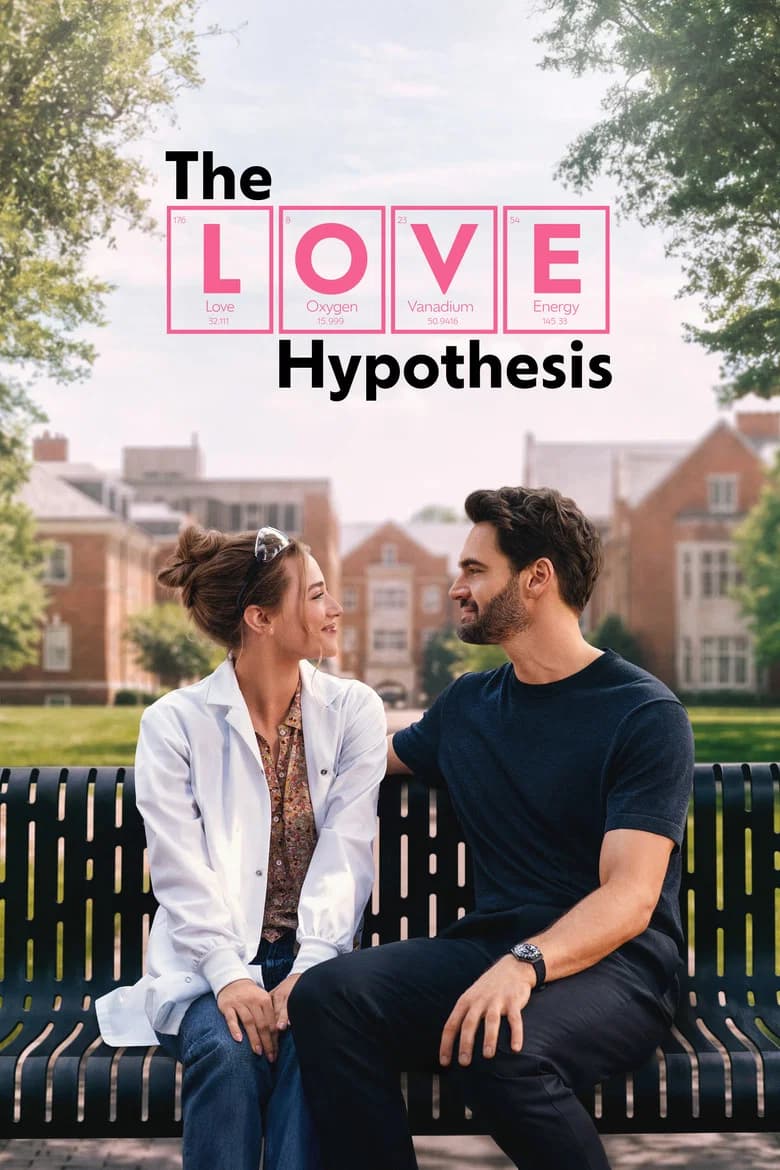
The Love Hypothesis premiered exclusively on Prime Video on September 23, 2026, rolling out simultaneously in more than 240 countries and territories, according to Amazon MGM Studios' official press release and Deadline. It's the kind of day-and-date global launch streamers reserve for titles they think can travel on word of mouth alone, and this one arrives with an unusually built-in audience: Ali Hazelwood's 2021 novel of the same name was a genuine publishing phenomenon, and the film adaptation carries all of that book's fanbase into its opening weekend. The reviews that have landed so far don't agree on much beyond the fact that Lili Reinhart and Tom Bateman have real chemistry — everything past that is a genuine split.
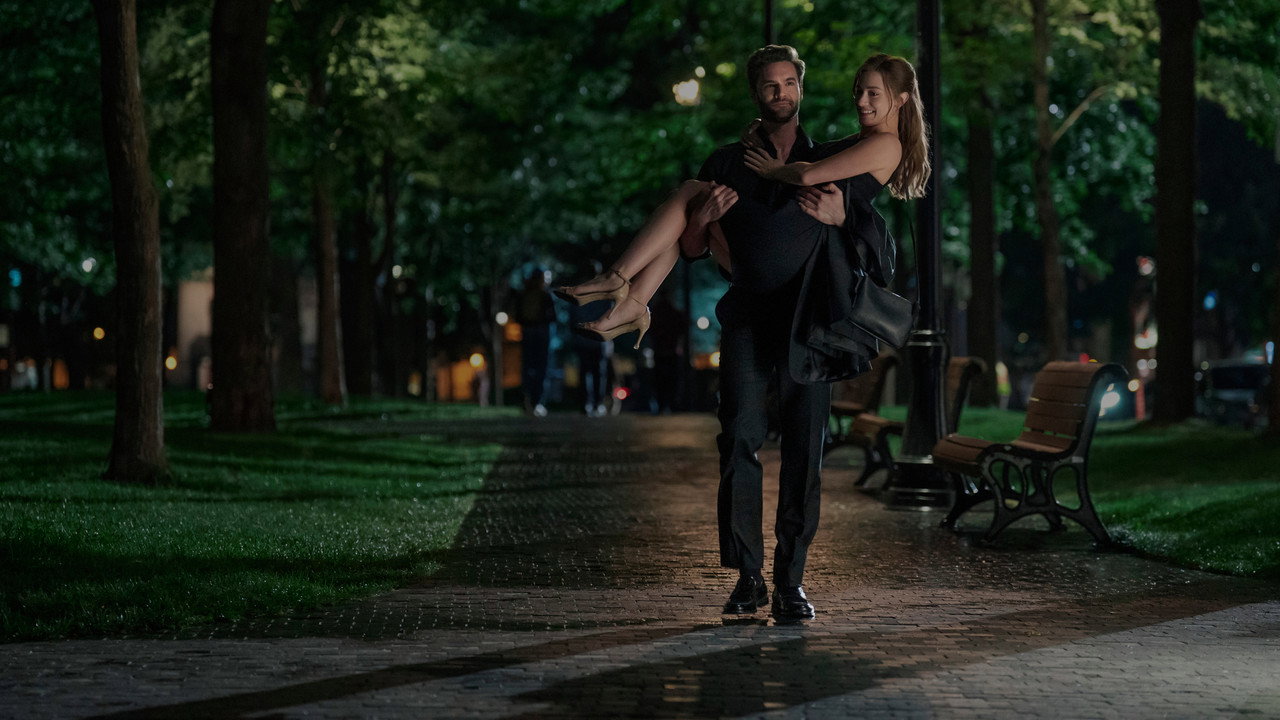
From Reylo Fan Fiction to a Bestselling Novel to a Streaming Movie
The backstory here is stranger than the average rom-com adaptation, and it's worth sitting with before getting into the reviews. Hazelwood's novel didn't start as an original story pitched to a publisher — it began as Star Wars fan fiction, built specifically around the "Reylo" pairing of Rey and Kylo Ren that dominated a huge chunk of Star Wars fandom during and after the sequel trilogy. The DNA is still visible in the finished product: Olive Smith is the Rey analogue, a scrappy, self-sufficient protagonist navigating a world that keeps underestimating her, while Dr. Adam Carlsen maps onto Kylo Ren, or more specifically Ben Solo — the intimidating, closed-off figure who turns out to have real depth once someone bothers to look. Reports on the novel's fandom origins also note that several supporting characters were written as echoes of Resistance-fighter counterparts from the films, filed down and reskinned for a Stanford PhD program instead of a galaxy far, far away.
That's not a novelty footnote. It's part of why the book found its audience so fast in 2021 — readers who'd spent years steeped in Reylo fan fiction communities recognized the shape of the story instantly, even with the names changed and the lightsabers replaced by lab equipment. Whether that history means anything to a viewer who's never touched the source material is a separate question, and it's one the reviews below end up answering in different ways.
The Setup: A Fake Relationship With a Real Deadline
Stripped of its Star Wars scaffolding, the plot is straightforward fake-dating rom-com territory. Olive, a Stanford PhD student, impulsively kisses her professor, Adam Carlsen, in a moment of panic — she's trying to convince her friend Jeremy, on whom she has unrequited feelings, that she's moved on, so he'll feel free to pursue her best friend Anh instead. Adam, who needs to appear settled and "rooted" at the university to secure a grant and a contract renewal, agrees to keep up the ruse and fake a relationship with her. The two spend the rest of the film pretending, and predictably, the pretending stops feeling like pretending somewhere along the way.
Director Claire Scanlon, whose credits include Netflix's Set It Up, is a fitting choice for exactly this kind of premise — a filmmaker with prior experience turning a familiar workplace-adjacent romantic setup into something that actually lands. Sarah Rothschild wrote the script, and Elizabeth Cantillon produced. The film is R-rated, which is worth noting for a genre that skews PG-13 more often than not.
Who's In It
Reinhart plays Olive and Bateman plays Adam, with Rachel Marsh as Anh, Nicholas Duvernay as Jeremy, Jaboukie Young-White as Malcolm, and Arty Froushan as Professor Tom Benton rounding out the supporting cast. Several of these supporting roles reportedly carry their own echoes of the novel's Reylo-fandom origins, though the reviews sourced for this roundup focus almost entirely on the central pair, which is where the actual critical disagreement lives anyway.
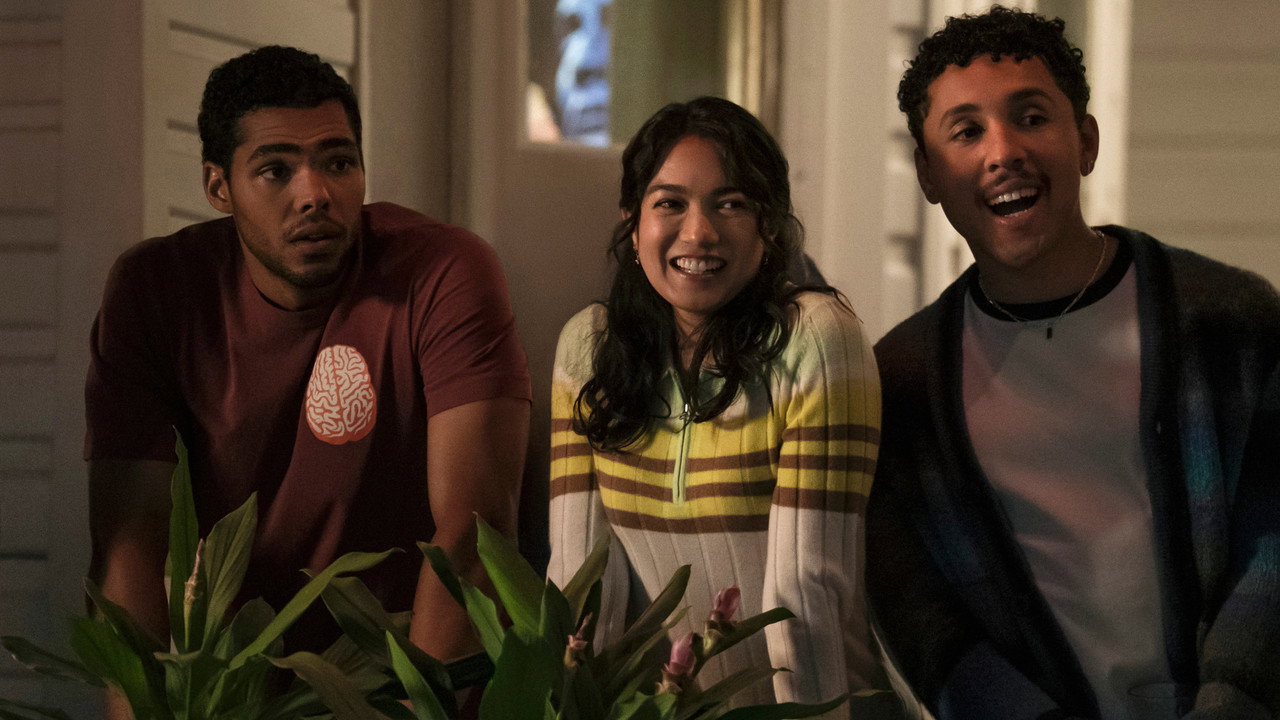
TheWrap: Familiar, and Fine With It
TheWrap's William Bibbiani lands on the warmer end of the spectrum, but not by pretending the film is doing anything new. His review argues flatly that "The Love Hypothesis has no new material, and that's OK too" — a framing that gives the film credit for leaning into genre convention rather than dinging it for failing to subvert anything. Bibbiani credits Scanlon specifically for making those familiar beats feel fresh in the execution, even when the underlying structure is exactly what anyone who's seen a fake-dating rom-com before would expect, and he singles out the cast's chemistry as the thing that actually sells it. It's worth flagging that TheWrap's review text describes the film as having been released on September 21 — two days ahead of the confirmed September 23 premiere date from Amazon MGM Studios and Deadline. That discrepancy most likely reflects an early press-screener or critics' access window rather than a genuine release-date conflict, and the September 23 date is the one to treat as confirmed.
ScreenRant: Heavy on Biology, Light on Chemistry
ScreenRant takes the opposite position, and its review headline does most of the talking: "Heavy On Biology, Light On Chemistry." The outlet scores the film 4/10, arguing that Reinhart and Bateman's individual performances work well enough on their own but don't consistently combine into the kind of romantic chemistry the film needs to justify its two-hour runtime. ScreenRant's specific complaints include dialogue it calls "cringey" and overloaded with science jargon — a byproduct of the film's academic setting that, in this telling, ends up getting in the way of the romance rather than texturing it — along with what the review describes as thin character motivation, particularly for a story that depends on the audience believing two people slide from a fake arrangement into real feelings.
That's about as direct a rebuttal to TheWrap's take as you'll find in the same review cycle. Where Bibbiani sees familiar material executed well, ScreenRant sees a film whose central relationship never quite convinces, no matter how much the plot insists it should.
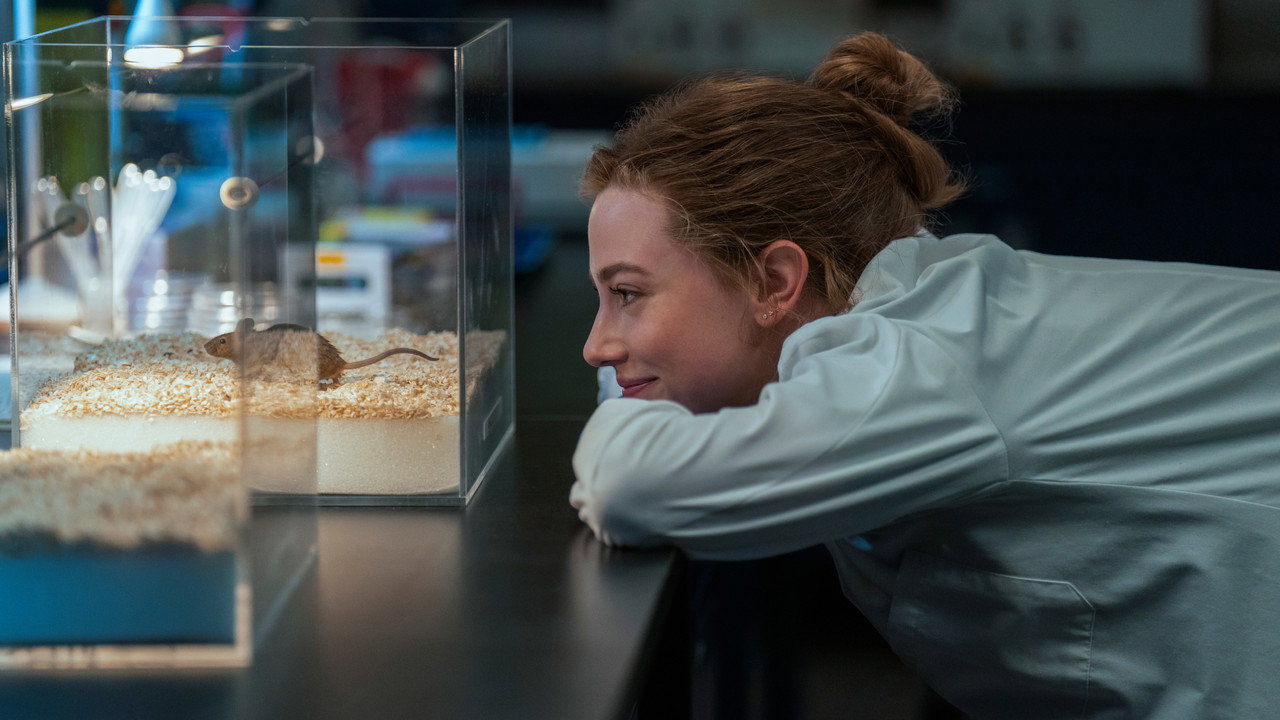
Comic Book Club Live: The Friendship Outshines the Romance
Comic Book Club Live's review splits the difference in an interesting way. The outlet calls the film "a sweet, funny rom-com with two very engaging leads," which puts it closer to TheWrap's camp than ScreenRant's on the basic question of whether the film works. But the review's more specific argument is that the Olive-Anh friendship, played by Reinhart and Rachel Marsh, ends up more compelling than the central Olive-Adam romance the film is actually built around. That's a notable thing for a review to say about a movie whose entire marketing hook is the will-they-won't-they fake dating plot — it suggests the film's supporting relationships may be doing more work than the marquee pairing, even in a review that's broadly positive.
Fresh Fiction and the Shape of the Divide
Fresh Fiction's review headline, "Surprisingly Leaden," points toward a more negative read that lines up with ScreenRant rather than TheWrap or Comic Book Club Live, though the fuller argument behind that headline isn't available to unpack in detail here. Taken together with the other three reviews, the pattern that emerges is a genuine critical split rather than a consensus in either direction — TheWrap and Comic Book Club Live landing warmer, ScreenRant and Fresh Fiction landing cooler, with the disagreement centered specifically on whether Reinhart and Bateman generate enough heat to carry material that everyone seems to agree isn't reinventing the genre.
A Demisexual Lead, Carried Over From the Page
One detail that's easy to miss in a plot summary but matters to how the film reads is that Reinhart's Olive is written and played as explicitly demisexual, according to TheWrap. That's a characterization carried directly over from Hazelwood's novel rather than something invented for the adaptation, and it's a rarer thing to see centered in a mainstream studio rom-com than the genre's track record would suggest. It doesn't come up as a plot twist or a reveal — it's simply part of who the character is, which is arguably the more meaningful way to handle it than turning it into a standalone issue episode.
What the Book Did That the Film Doesn't
One more detail worth flagging, sourced only to Comic Book Club Live's review and not corroborated elsewhere in this roundup: Hazelwood's novel reportedly contains an extended, explicit, multi-chapter sex scene between Olive and Adam, a detail that became something of a talking point among the book's readers. The film adaptation reportedly compresses that entirely down to roughly ten seconds of screen time. Since that specific claim comes from a single outlet, it's worth treating as a reported detail rather than a fully confirmed fact, but if accurate, it's a fairly dramatic example of how much gets left on the cutting-room floor when a romance novel known partly for its explicit content gets adapted into an R-rated but still mainstream streaming release.
Where That Leaves the Film
Add it all up and The Love Hypothesis isn't the kind of adaptation that's going to arrive with a settled critical consensus in either direction. It's got real defenders in TheWrap and Comic Book Club Live, both of whom credit the cast and Scanlon's direction for making genre-standard material work. It's got real detractors in ScreenRant and, going by headline alone, Fresh Fiction, both of whom argue the central romance doesn't generate enough chemistry to justify the familiar structure wrapped around it. For a film built from Reylo fan fiction that turned into one of the biggest romance novels of the early 2020s, that kind of split outcome might be fitting — fandom-born stories tend to divide critics who evaluate them purely as genre films from readers who already have an emotional stake in Olive and Adam's relationship going in. Whether Prime Video's 240-plus-territory rollout translates that built-in readership into a genuine streaming hit is the number actually worth watching over the next few weeks.
The Love Hypothesis is a standalone novel with no built-in sequel, so Prime Video's next move for this property likely hinges on how the film performs in its opening weeks — though Ali Hazelwood's wider catalog, including the unrelated Love, Theoretically, gives Amazon plenty of adaptation material if it wants to keep going without a direct sequel to lean on.