'Being Heumann' Review Roundup: Siân Heder's CODA Follow-Up Splits Critics at TIFF
This piece discusses the real historical events the film dramatizes, including the outcome of the 1977 sit-in, as reported across multiple reviews.
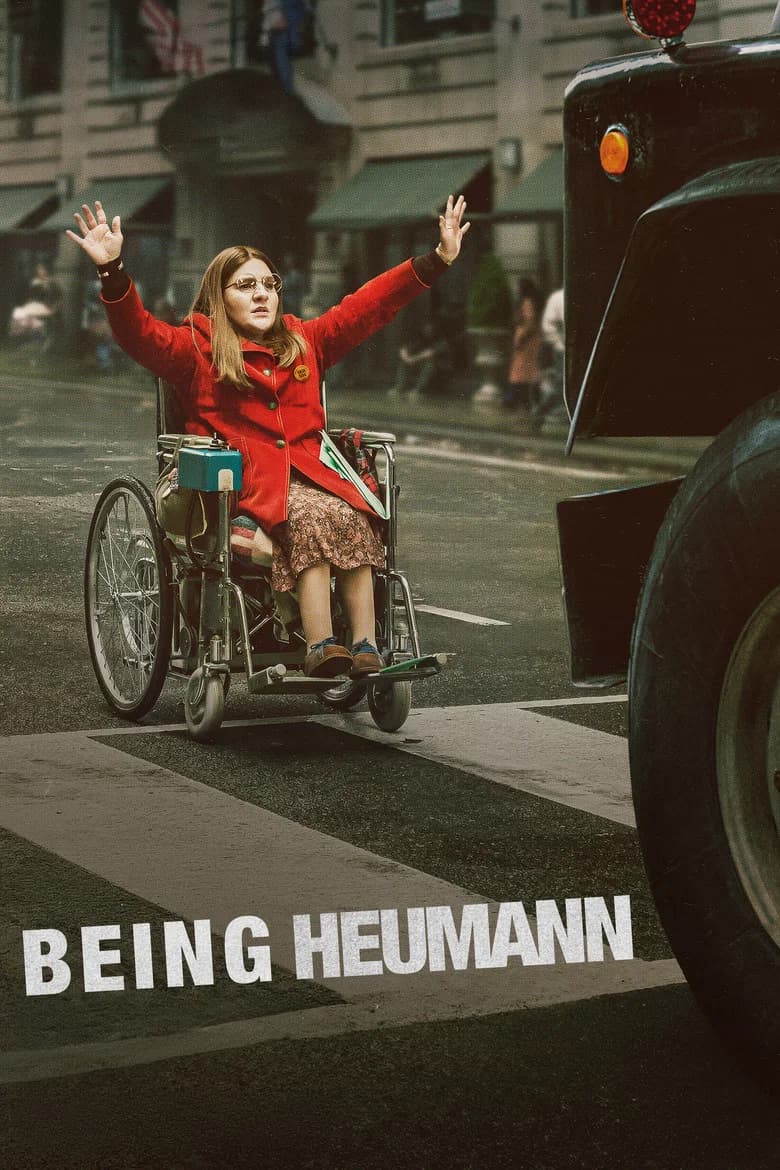
Siân Heder hasn't made a narrative feature since "CODA" won Best Picture in 2021, and that fact alone was always going to shape how "Being Heumann" got received. Follow a Best Picture winner with anything and critics measure it against the thing that came before, fairly or not. Heder's choice of subject makes that comparison almost impossible to avoid: a biopic about disability-rights activist Judy Heumann, built around the same kind of underrepresented community and earnest, big-hearted tone that made "CODA" work for so many people. The film premiered at the Toronto International Film Festival on September 10 and 11, 2026, and came away with a respectable but not chart-topping result — second runner-up for the People's Choice Award — alongside a critical response that's split in a way worth actually examining rather than smoothing over.
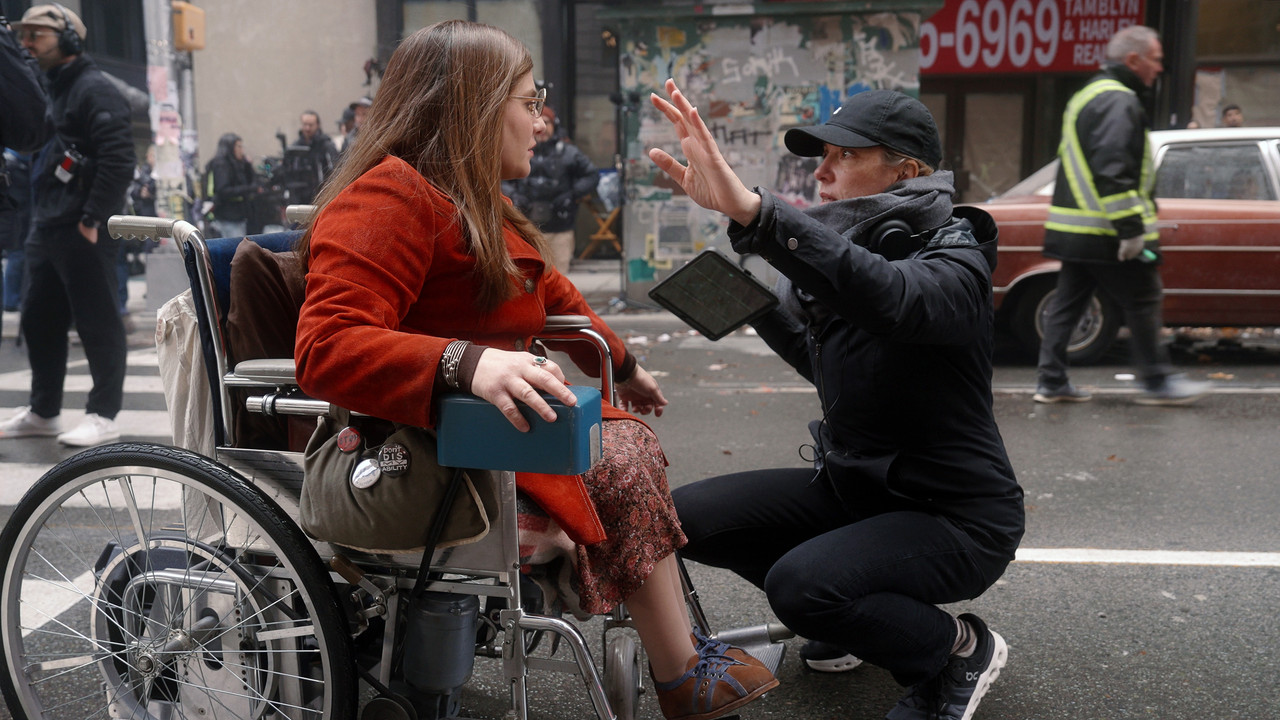
What the Film Is About
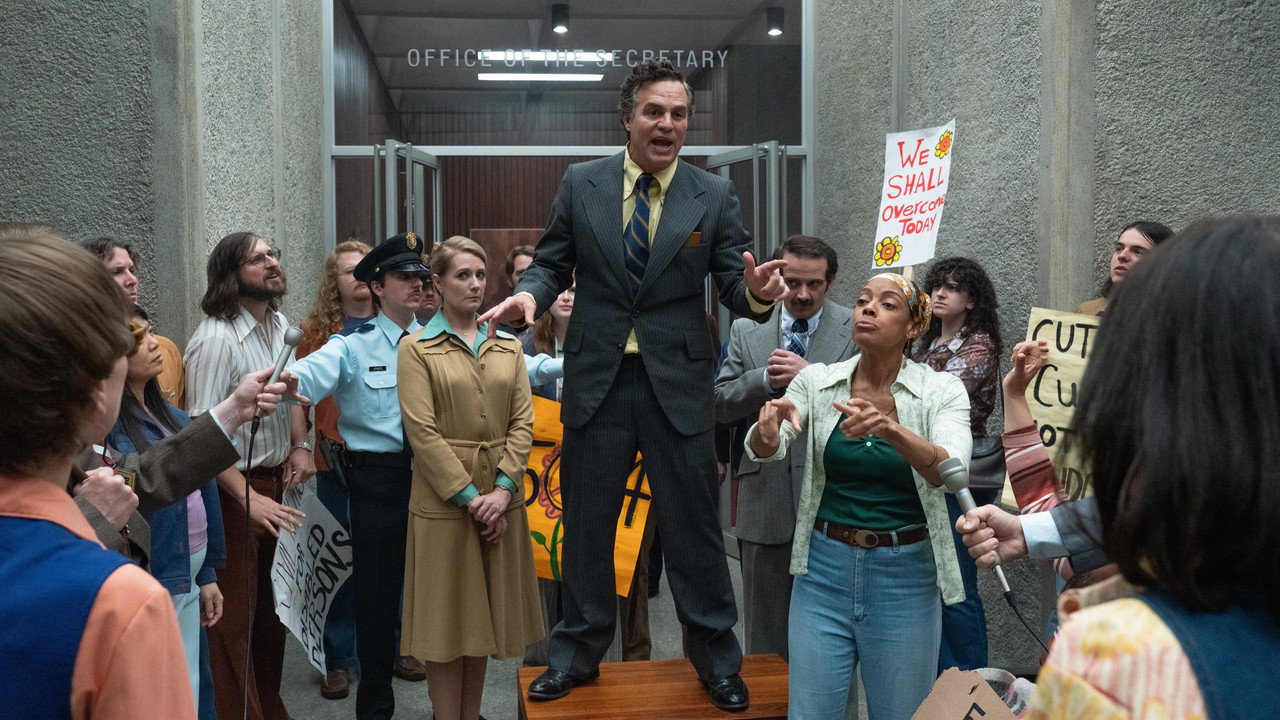
"Being Heumann" adapts Judy Heumann's memoir and centers on one of the more significant, less widely known chapters of the American disability-rights movement: the 1977 occupation of a federal building in San Francisco. Heumann and more than 100 disability-rights activists staged a sit-in to force the government to sign regulations enforcing Section 504 of the Rehabilitation Act of 1973 — a law that had already passed but sat unenforced because the implementing regulations remained unsigned. The occupation ran for roughly a month, and by most accounts it stands as one of the longest occupations of a federal building in U.S. history.

The exact length of the sit-in isn't perfectly consistent across coverage. Collider reports it lasted 28 days; another outlet puts the number at 25. Rather than pick one and state it as settled, it's worth just noting the occupation ran roughly a month — the specific day count varies depending on which outlet you're reading, but the scale and significance of the protest itself isn't in dispute.
Ruth Madeley plays Judy Heumann. Mark Ruffalo plays Joseph Califano, the Secretary of Health, Education, and Welfare who resisted signing the regulations and effectively became the occupation's antagonist. Dylan O'Brien plays a supporting character, Evan White. Heder co-wrote the screenplay with Rebekah Taussig, working from Heumann's own memoir as source material, which gives the film a direct line back to its subject rather than a secondhand account assembled entirely from outside reporting.
Third Place at TIFF, Behind Two Films Already Covered Here
TIFF announced its 2026 award winners on September 20. "Being Heumann" finished as second runner-up for the People's Choice Award, behind winner "La Bola Negra" and first runner-up "I Play Rocky." That's not a bad result — People's Choice runner-up slots have their own track record of predicting awards-season attention — but it does mean "Being Heumann" was the third-most-popular film with paying TIFF audiences this year, not the film that walked away with the festival's single biggest bellwether.
Placing behind those two films puts "Being Heumann" in a specific, slightly awkward position heading into the fall. It's not a flop by any measure — a People's Choice podium finish at TIFF is still a real signal of audience response — but it also means the film didn't generate the same outright enthusiasm that carried "La Bola Negra" and "I Play Rocky" to the top two spots. The reviews that followed the premiere help explain why.
The Low End: AwardsWatch's C+
The most pointed criticism of "Being Heumann" came from AwardsWatch, which gave the film a C+ and built its review around a specific, fairly damning framing: that a film about a genuinely radical act of civil disobedience ends up "all too tame." The outlet's sharpest line describes the film as prioritizing "activist edicts first and fleshed-out motion pictures second" — meaning it functions more as a lesson about what Heumann and her fellow activists accomplished than as a fully realized drama about the people who accomplished it.
AwardsWatch's underlying argument is that the film chases "cross-demographic approval" at the expense of grit — smoothing the story's rougher edges to make it more broadly palatable rather than sitting in the discomfort and risk that a month-long occupation of a federal building actually involved. That's a real tension for any biopic about activism: soften the subject too much and you flatter the audience instead of confronting them with what the fight actually cost the people who waged it.
It's worth noting AwardsWatch didn't pan the whole film. Even within a C+ grade, the review singles out Ruth Madeley's performance, praising her for capturing Heumann's "hellion passion" — a specific, complimentary phrase that suggests the actor found the fire the film around her is accused of lacking. That's a meaningful split within a single review: a performance the outlet clearly admires, embedded in a film it thinks undersells its own subject.
The High End: Collider's 8/10
Sitting almost directly opposite AwardsWatch is Collider's review, bylined Joe Schmidt, which lands at 8/10 and praises the film for its "nuance and heart." Where AwardsWatch sees a film that plays it safe, Collider sees one that earns its emotional beats. The review also singles out Madeley's performance for praise, which means her work as Heumann is one of the few things every reviewer in this roundup agrees on regardless of how they feel about everything surrounding it.
Collider's review isn't uncomplicated praise, though. It flags a real structural issue: the large ensemble cast — which includes Ruffalo's Califano and O'Brien's Evan White alongside Heumann's fellow activists — causes pacing problems in the second act. That's a common failure mode for movement-focused biopics, which have to balance a single protagonist's arc against an ensemble of real people who all played a part in the actual history. Give too much screen time to the supporting activists and the film loses momentum on Heumann's own journey; give too little and you flatten a genuinely collective act of resistance into a single-hero narrative that misrepresents what actually happened. Collider's take suggests Heder mostly navigates that tension well, but not cleanly enough to avoid a sag in the middle stretch.
The Middle: Rousing, Warm, and a Little Too Safe
Between AwardsWatch's C+ and Collider's 8/10 sits a cluster of reviews that land closer to positive-but-qualified, and the specific language each outlet uses is worth laying out because it forms a pattern. Awards Radar's review frames the film as "rousing" and "crowd-pleasing" — a description that leans into exactly the kind of broad-audience appeal AwardsWatch treats as a weakness. World of Reel's take calls the film "warm, well-meaning" while also flagging it as "a little too safe," which splits the difference: real affection for the film's intentions and craft, paired with the same underlying reservation AwardsWatch voiced more harshly. The Playlist's review describes the film as "familiar, didactic, and beholden to cinematic convention," which is the gentlest-sounding version of AwardsWatch's core complaint — that the film tells its history in a shape audiences have seen many times before, rather than finding a form as unconventional as the act of civil disobedience it's depicting.
Put those three reactions next to Collider's rave and AwardsWatch's C+, and a consensus shape emerges that's more specific than a simple "mixed reviews" summary would suggest. Nearly every outlet covering "Being Heumann" agrees on two things: Madeley's performance is the film's clear high point, and the film itself plays things conventionally safe for a story about radical protest. Where they disagree is how much that conventionality actually matters. Collider treats it as a minor flaw in an otherwise nuanced, heartfelt film. AwardsWatch treats it as close to disqualifying, arguing a film about this specific act of defiance owes its subject more fire than it delivers. The Playlist, Awards Radar, and World of Reel all land somewhere in between — genuinely positive, but with the same "too safe" reservation showing up in slightly different language each time.
Measuring It Against CODA
The comparison to "CODA" isn't incidental — it's the framing nearly every review reaches for, because it's the most useful shorthand available for what Heder is doing here. "CODA" worked, for the audiences and Academy voters who embraced it, by telling a specific, underrepresented community's story with warmth and directness rather than cynicism, and it won Best Picture partly because that approach connected broadly rather than narrowly. "Being Heumann" is built from a similar playbook: an underrepresented community, a true story, an approach that favors accessibility over abrasiveness.
The disagreement among critics is essentially about whether that playbook still works when the subject matter is fundamentally more confrontational. "CODA" is a coming-of-age family drama. "Being Heumann" is about activists occupying a federal building for roughly a month to force the government's hand — a story rooted in genuine institutional conflict and risk, not family dynamics. AwardsWatch's core objection is that Heder applied the "CODA" approach to material that needed a sharper, less accommodating touch, resulting in a film that undersells the actual danger and defiance of what Heumann and her fellow activists did. Collider's more favorable read suggests the same approach still produces something genuinely moving, even if it comes at the cost of some grit. Neither position is unreasonable, and the fact that critics are actively debating this specific question — rather than just disagreeing about craft in the abstract — says something about how deliberately the film invites the "CODA" comparison in the first place.
Where and When to See It
According to AwardsWatch, "Being Heumann" is set for a limited theatrical release beginning November 6, 2026, followed by a wider release on Apple TV+ on November 13. That's a fairly standard platform strategy for an awards-conscious drama: a brief theatrical qualifying window to build critical buzz and satisfy awards-eligibility requirements, followed quickly by a streaming release that puts the film in front of the much larger audience Apple TV+ can reach. Given the film's TIFF result and the current split in reviews, that November window is likely to be the point where the critical conversation either sharpens toward consensus or stays as genuinely divided as it is right now.
Why the Runner-Up Finish Makes Sense
Looking at the TIFF result next to the reviews, the second-runner-up finish tracks with what the critical response actually describes. "La Bola Negra" won the top spot after already collecting a Best Director prize at Cannes, arriving in Toronto with critical validation to match its audience appeal. "I Play Rocky" took first runner-up on the strength of a rousing premiere-night reception and an 8/10 Collider review with no notable dissent reported yet. "Being Heumann" landed third among the three specifically because its reception, while positive on balance, includes a real, vocal faction — AwardsWatch chief among them — arguing the film doesn't fully deliver on its own subject matter. A People's Choice vote measures enthusiasm in the room during the festival itself, and a film that several serious outlets are calling "too safe" is, almost by definition, less likely to generate the kind of passionate advocacy that pushes a film to the very top of that vote.
What to Watch For Next
The clearest open question is whether Ruth Madeley's performance becomes an awards-conversation fixture independent of how the film itself is ultimately judged. Every review in this roundup, favorable or not, singles her out, which is exactly the pattern that's preceded acting nominations for films with more mixed overall reception in past seasons. The other open question is simpler: does the "too safe" critique harden into consensus once the film reaches Apple TV+'s much larger audience in November, or does Collider's warmer read turn out to be closer to how general audiences actually respond? Heder's first film since "CODA" was always going to be judged against an impossible standard. Whether "Being Heumann" clears that bar, falls short of it, or simply gets judged as its own thing once the CODA comparison fades is still genuinely unresolved.
AwardsWatch reports a limited theatrical release beginning November 6, expanding to Apple TV+ on November 13, which should widen the pool of reviews and start to settle whether the current critical split holds.