The Revolutionaries Review Roundup: Critics Split Over Bhuvan Bam's Big Swing and a Real Religious-Framing Controversy
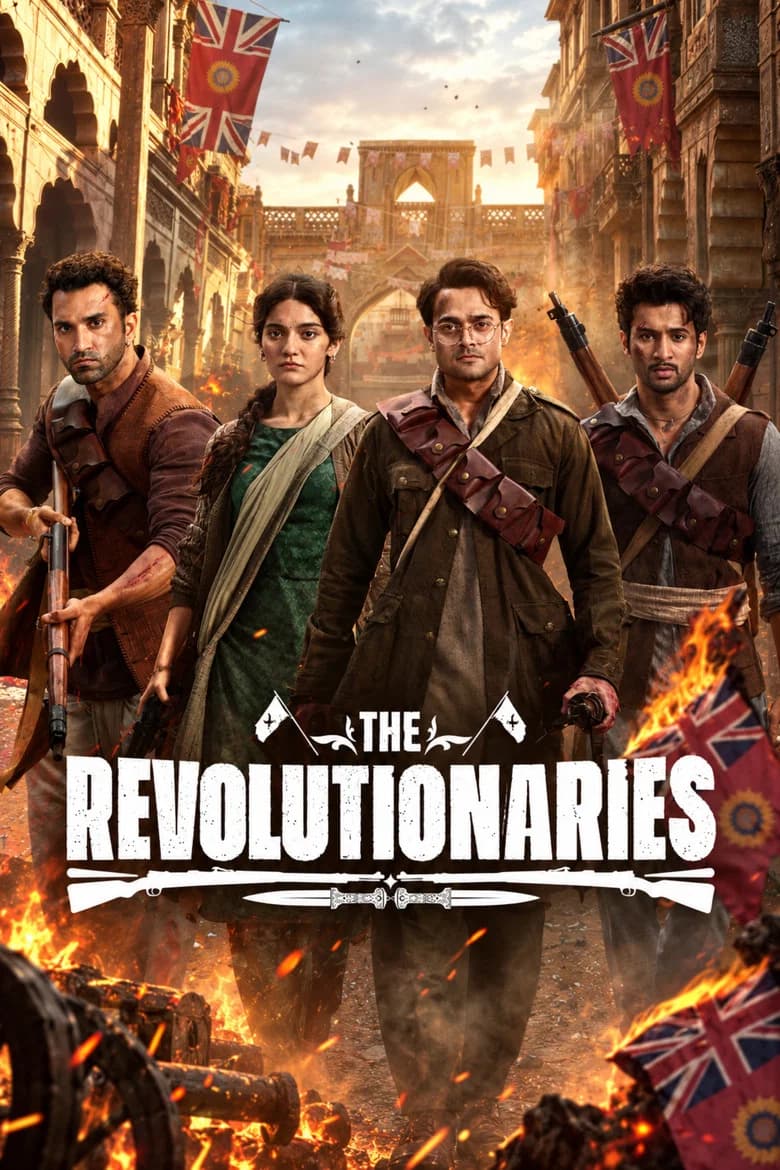
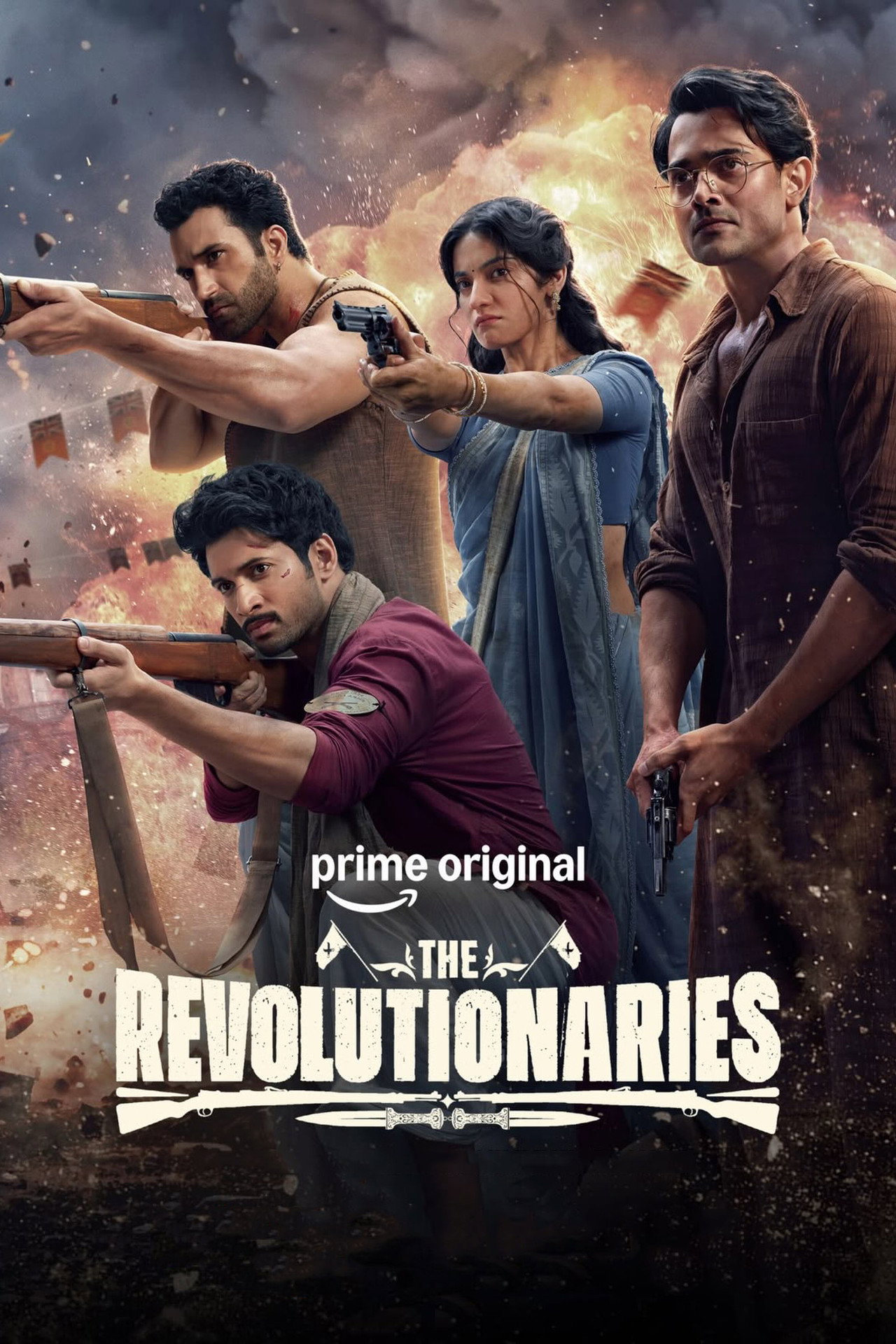
The Revolutionaries premiered on Amazon Prime Video on September 11, 2026, an eight-episode series built around a premise Hindi streaming hasn't leaned on much: dramatizing the freedom fighters who never made it into the textbook version of India's independence movement. Directed by Nikkhil Advani, and reportedly credited to six writers including Advani himself according to The Federal, the show trades the familiar Gandhi-and-Nehru framing of the freedom struggle for something closer to an armed-resistance thriller — bombs, ammunition heists, and revolutionaries operating in the shadows of British surveillance. Three reviews are now in, and they don't agree on much beyond one thing: the cast is doing real work. Everything else — the history, the pacing, and specifically how the show handles religion — is where the reception splits, and one review in particular raises a criticism worth taking seriously rather than glossing over.
What the show is actually doing
The Revolutionaries is reportedly based on a book by Sanjeev Sanyal, an economist who currently serves as a member of the Prime Minister's Economic Advisory Council, according to The Federal. That's worth flagging upfront, not as an accusation but as context — a series adapting source material from someone with an active role in government isn't automatically compromised, but it's the kind of detail that shapes how critics read the show's choices, and it's clearly part of why The Federal's review reads the way it does.
The series follows the Sanyal family, who secretly support a network of revolutionaries across Banaras, Dehradun, and Bengal, as they organize armed resistance against British rule. Sources disagree on exactly how the show frames its timeline — some references point to 1912, others tie the material to the 1915 Ghadar uprising — and nothing in the available reporting settles that discrepancy cleanly, so it's worth treating the show's specific historical anchoring as unresolved rather than picking a year and presenting it as fact. What is consistent across every review is the broader shape: this is a story about the revolutionaries history remembers less, told through armed resistance rather than nonviolent protest, spanning multiple regions and secret networks rather than centering on one city or one famous name.
The cast carrying the weight
Bhuvan Bam, the YouTuber-turned-actor best known for years of comic web content, plays Rashbehari Bose — a genuine departure from the register audiences know him for, and one every single review singles out. Rohit Saraf plays Sachindranath Sanyal, and Gurfateh Pirzada plays Bagha Jatin, the revolutionary also known as Jatindranath Mukherjee. Pratibha Ranta plays Pratibha Lahiri, Tota Roychowdhury plays Abani, the Sanyal family patriarch, and Pratik Motwani plays Maan Singh. On the British side, Jason Shah plays General Dyer and Ed Robinson plays DCP Tegart, with Paoli Dam and Neil Bhoopalam rounding out the supporting cast.
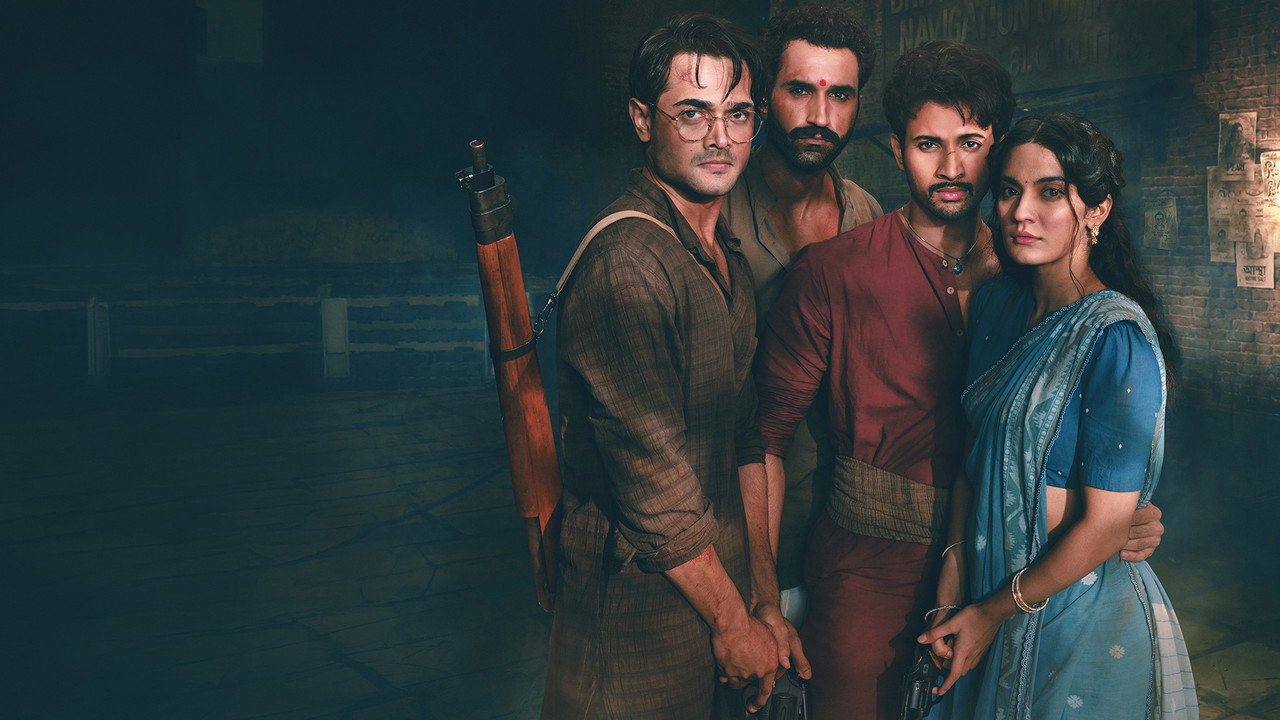
That's a large ensemble for an eight-episode series to serve, and the reviews suggest the show mostly manages it — but the specifics of how well each character lands vary enough between outlets that it's worth going through the three reviews individually rather than averaging them into a vague "mixed" verdict.
Leisurebyte: 3.5/5 — strong characters, distracting shortcuts
Leisurebyte's review lands in the middle of the pack, praising the show for multidimensional character portrayals and, notably, for giving its female characters real development rather than treating them as background to the men's revolutionary arcs. The action, per Leisurebyte, is effective when it's working.
But the same review doesn't let the show off easy on craft. It criticizes historical creative liberties — the kind of dramatization any period piece takes on, but flagged here as a genuine issue rather than a footnote — along with what it describes as unconvincing Bengali-language delivery from the cast, a problem that matters more than it might sound like for a show this rooted in Bengal's specific revolutionary history. Leisurebyte also flags occasional melodrama and, more unusually, calls out "distracting AI usage" in some of the action sequences — a complaint that's becoming more common across Hindi streaming as productions lean on visual-effects shortcuts, and one that stands out here because it undercuts exactly the kind of large-scale set pieces a freedom-struggle epic is supposed to sell hardest.
Flickonclick: 4/5 — the strongest score, with real reservations
Flickonclick gave The Revolutionaries its highest mark of the three reviews, and its praise is specific rather than generic. Bhuvan Bam's performance as Rash Behari Bose gets singled out again, alongside visual authenticity across the show's Banaras, Dehradun, and Bengal settings — a period production spanning that much geography living or dying on whether each place actually looks and feels distinct, and Flickonclick credits the show with pulling that off. The review also praises a notably nuanced portrayal of General Dyer, resisting the temptation to flatten a historical figure this loaded into pure cartoon villainy, and calls out a gripping ammunition-heist sequence as a highlight of the season.
The criticisms are narrower but real. Flickonclick flags a weak central romantic subplot, an unnecessary romantic song that interrupts the show's momentum, and forgettable music more broadly — complaints that read less like dealbreakers and more like the show reaching for beats it didn't need. More significant is the review's note that the show feels exhausting when binged across all eight episodes in one go, a pacing problem that's become a familiar complaint for Indian streaming dramas built more like extended films than television built for episodic viewing.
The Federal: the most critical take, and a real controversy
The Federal didn't assign a numeric score, but its review is unambiguously the most critical of the three, and it's the one raising a genuinely substantive issue rather than just craft complaints. The review praises Bhuvan Bam and Rohit Saraf's performances specifically, and credits the show with what it calls "compelling villain portrayals" — so it's not dismissing the cast's work any more than the other two outlets do.
Where The Federal breaks sharply from Leisurebyte and Flickonclick is in how it reads the show's politics. The review describes what it calls "problematic religious framing" and "majoritarian chauvinism" running through the series, specifically flagging the depiction of Muslim characters as collaborators with the British. That's a pointed criticism, and it's worth being precise about what it is and isn't: it's one outlet's reading of how the show characterizes a specific group within its story, not a confirmed pattern verified across other reviews, and not something Leisurebyte or Flickonclick raise in their own coverage. Given that the show is reportedly adapted from material connected to a government economic adviser, The Federal's framing of this as a political and historiographical choice — not just a storytelling misstep — carries more weight than it might in an unrelated context. Readers going in should know this criticism exists and treat it as exactly what it is: a serious, specific claim from one review, not a settled consensus.
The Federal's review also raises craft complaints that echo Leisurebyte's — poor authenticity around Bengali culture and language — and adds a structural criticism the other two reviews don't emphasize as strongly: insufficient narrative tautness, the sense of a show that needed tighter editing to justify its eight-episode length.
Where the three reviews actually agree
Strip out the disagreements and there's a real, consistent core running through all three pieces. Bhuvan Bam's performance is praised everywhere, treated by every outlet as a genuine surprise — a comedy-first YouTuber landing a serious historical dramatic lead convincingly enough that nobody reviewing the show treats it as a stunt casting choice that didn't pay off. Production and visual design get consistent credit too, with Flickonclick's praise for location authenticity echoed less directly but still present in how the other two reviews describe the show's look.
The recurring problems are just as consistent. Bengali-language and cultural authenticity gets flagged by both Leisurebyte and The Federal independently — two outlets with very different overall verdicts landing on the same specific complaint is a stronger signal than either one raising it alone. Pacing and length come up across the board, whether framed as Flickonclick's binge-exhaustion note or The Federal's call for tighter narrative construction. And every review is, in its own way, wrestling with how much creative license a dramatization of real, lesser-known history should be allowed to take — Leisurebyte calls out historical liberties directly, The Federal takes that concern furthest by connecting it to the show's broader political framing.
Why the split here is different from a typical mixed review
Most review-roundup splits come down to taste — one critic likes a slow burn, another wants more pace, and the film or show is otherwise viewed through a similar lens. The Revolutionaries is a different kind of split. Leisurebyte and Flickonclick are disagreeing about degree: is this a solid, flawed show (3.5) or a genuinely strong one with a few missteps (4)? That's ordinary critical variance. The Federal is doing something else entirely — raising a concern about what story the show is choosing to tell and who it's choosing to cast as villains within a real historical struggle, which is a different category of criticism than "the music is forgettable" or "the romance subplot doesn't land."
That distinction matters for how anyone should read this roundup. It would be misleading to average these three reviews into one number, as if The Federal's central objection is just a harsher version of Leisurebyte's complaint about historical liberties. It isn't. One is a craft note. The other is a claim about representation and political framing in a show dramatizing a period of history that remains genuinely contested in how it gets told. Both are worth knowing before deciding whether to watch.
What to watch next
A few things are worth tracking as more of the audience actually gets through all eight episodes. First, whether The Federal's religious-framing criticism gets picked up or contested by other outlets and by historians or commentators with direct expertise in this period — right now it's one review's reading, and whether it holds up as a broader critical consensus or stays an outlier is genuinely unresolved. Second, whether Bhuvan Bam's performance here changes how he gets cast going forward, given that all three reviews treat his dramatic turn as a real, credible pivot rather than a novelty. And third, whether Amazon Prime Video and Nikkhil Advani respond in any way to the source-material questions around Sanjeev Sanyal's involvement, given how directly that connection is shaping at least one major review's read on the show's politics.
For now, the honest summary sits somewhere between the three reviews rather than neatly inside any one of them: The Revolutionaries has a cast doing genuinely strong work, led by a surprising performance from Bhuvan Bam, wrapped around a show whose handling of real history — both in craft and in the story it chooses to center — is where critics start to disagree in ways that go beyond ordinary taste.
Watch whether The Federal's religious-framing criticism gains traction beyond one review, and whether Bhuvan Bam's dramatic pivot changes how he's cast going forward.