Batwara 1947: Why Rajkumar Santoshi's Partition Drama Bombed at the Box Office
This piece discusses the film's central plot turn — the discovery of a Hindu woman still living in a haveli allotted to a displaced Muslim family — which drives its emotional and communal conflict.
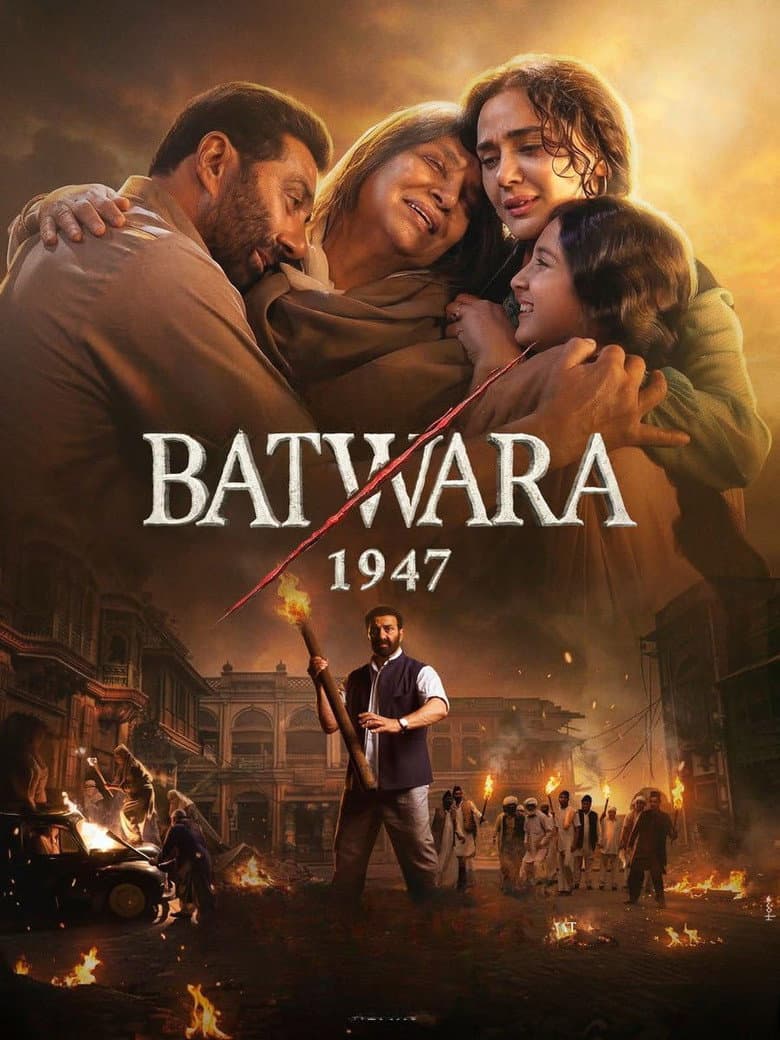
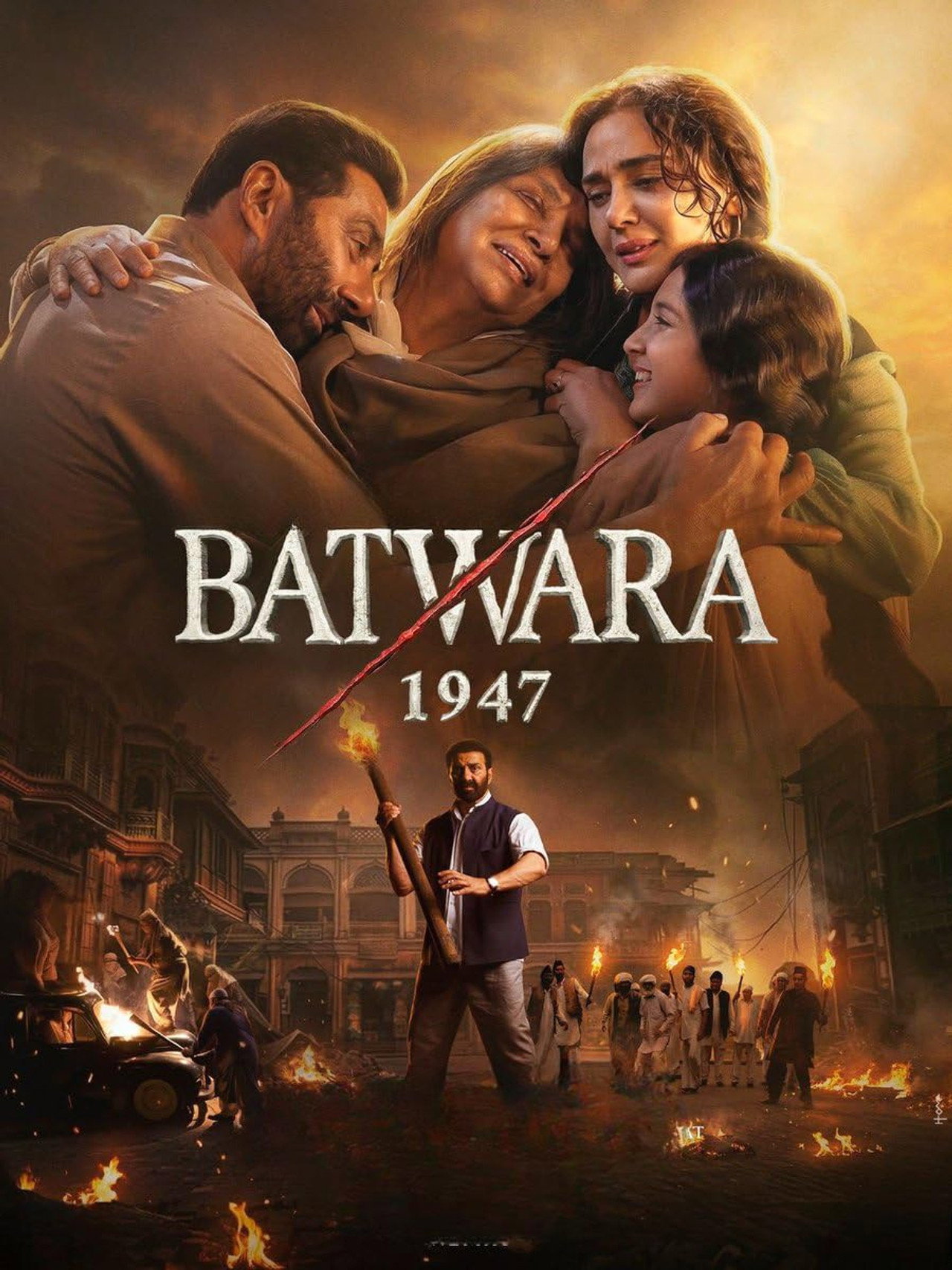
Rajkumar Santoshi's Batwara 1947 had almost everything a big Hindi film release is supposed to have going for it going into August 2026: a veteran director, a starry ensemble led by Sunny Deol, a production banner (Aamir Khan Productions) with genuine industry weight, a reportedly massive budget, and a release date timed to the most patriotic weekend on the Bollywood calendar. And it still collapsed within days of hitting theaters. This is a look at what the film was trying to do, what actually happened at the box office, and why trade analysts think the two never lined up.
What Batwara 1947 is actually about
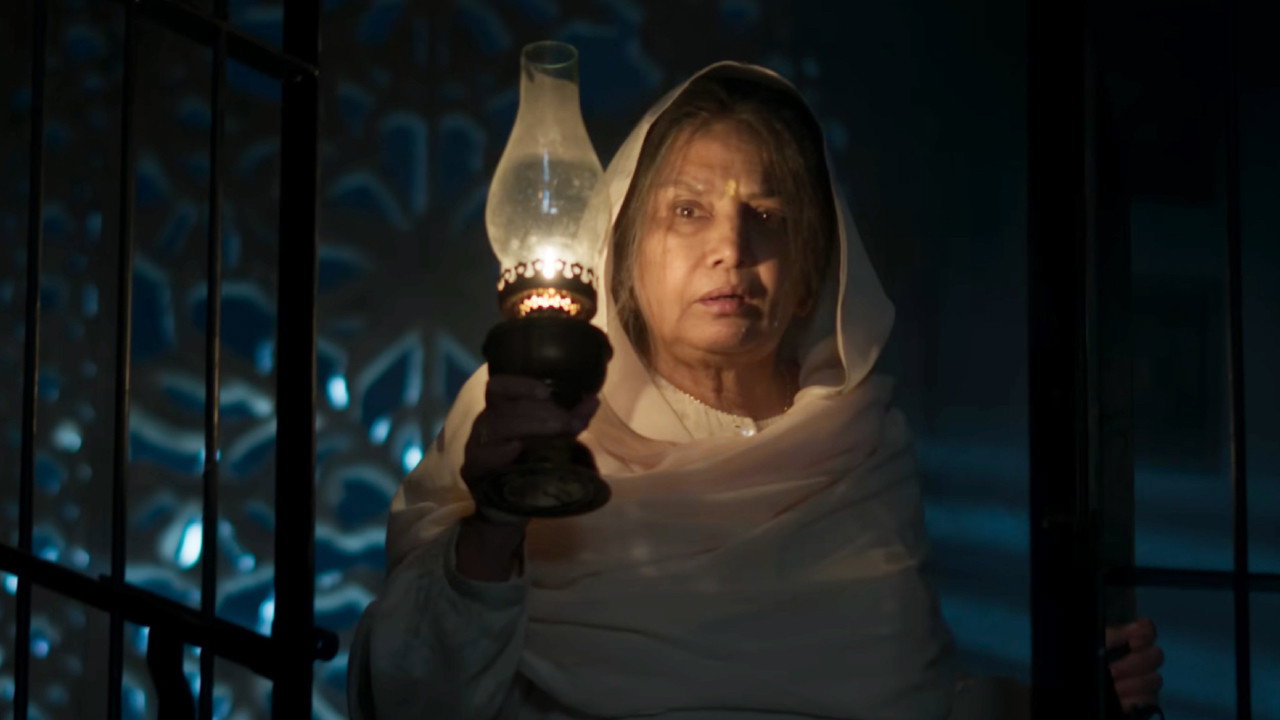
Directed by Rajkumar Santoshi and produced by Aamir Khan under Aamir Khan Productions, per Wikipedia, Batwara 1947 is set in Lahore during the chaos of Partition. The story follows a Muslim family relocated from Meerut who are allotted a haveli left behind by its Hindu owners — the kind of forced, arbitrary property transfer that defined the mass displacement of 1947 on both sides of the new border. The family's arrival at the haveli isn't the clean fresh start it's supposed to be, though: they discover an elderly Hindu woman still living inside it, someone who never left, and her presence becomes the film's central emotional and communal flashpoint.
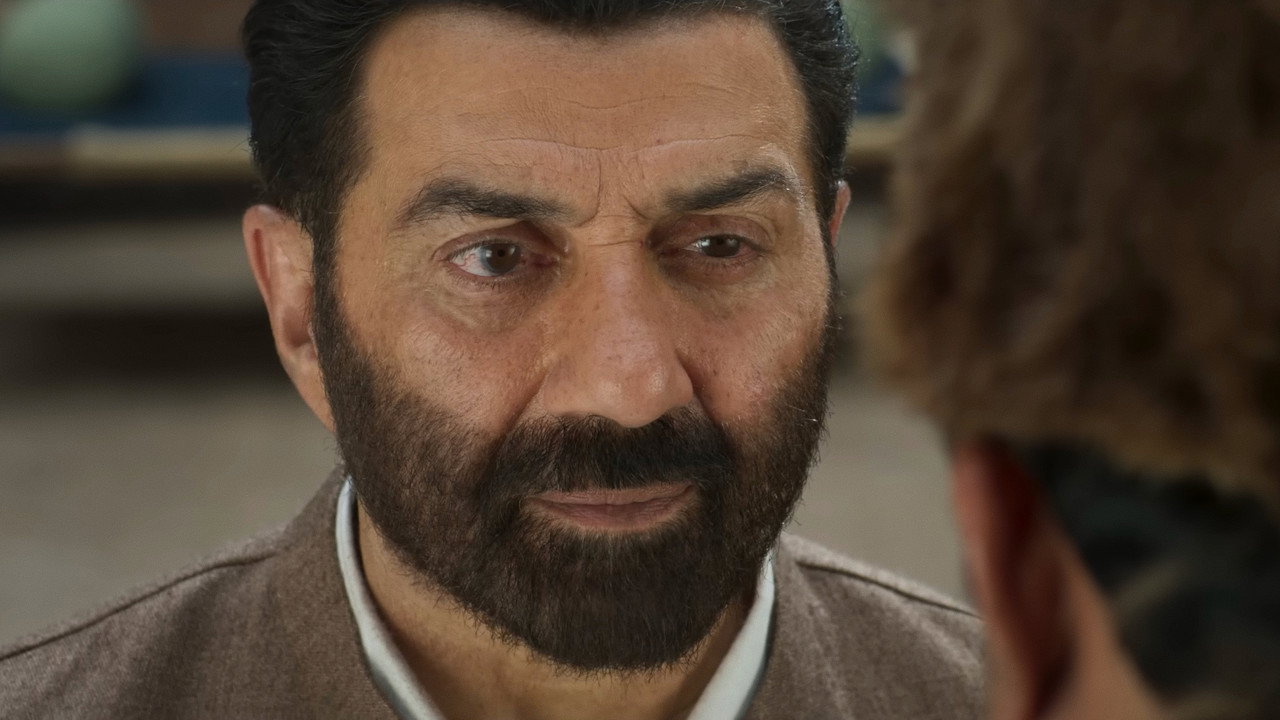
That setup puts Sikander Mirza, played by Sunny Deol, in the position of having to decide what to do with a vulnerable Hindu woman inside a house his own family has just been given in her community's place — a dynamic loaded with everything Partition cinema tends to reach for: displacement, guilt, sudden intimacy between people on opposite sides of a freshly drawn line, and the question of whether basic decency can survive when an entire country is being violently sorted by religion.
Around Deol, the cast includes Preity Zinta as Hamida Mirza, Shabana Azmi as Mai — almost certainly the elderly Hindu woman at the center of the discovery — and Karan Deol as Javed Mirza, alongside Ali Fazal and Abhimanyu Singh. Khushi Hajare, Kanikka Kapur, and Isha Sandhir round out the ensemble. On paper, that's a genuinely loaded cast: a bankable action star trying to stretch into something quieter, a two-time National Award winner in Azmi, and Aamir Khan's own production house behind the camera.
A release date built for confrontation
The film released on August 14, 2026, deliberately timed to Independence Day weekend, according to Bollywood Life and Sunday Guardian Live. That's not a neutral scheduling choice in Hindi cinema — Independence Day releases are historically where studios plant their most nationalistic, mass-audience bets, betting that patriotic sentiment in the air will translate directly into ticket sales.
The problem is that Batwara 1947 wasn't the only film making that bet. It opened head-to-head against Emraan Hashmi and Disha Patani's Awarapan 2, per the same reporting, and the two films effectively split the same holiday-weekend audience that Bollywood distributors count on every August. Head-to-head Independence Day clashes are always a gamble, but this one turned out to be far more lopsided than anyone releasing Batwara 1947 could have wanted.
A budget nobody can quite agree on
Even the basic cost of the film is contested. Wikipedia lists the budget at ₹150 crore, while an earlier trade aggregation put the figure closer to ₹120 crore. Neither number has been definitively confirmed by the production, and Bollywood budgets in general tend to be reported inconsistently across outlets — sometimes deliberately inflated for prestige, sometimes deflated after the fact to soften the appearance of a loss. What's not in dispute is that this was a big-budget, big-cast production by any measure, somewhere in the ₹120-150 crore range, and that scale is exactly what makes its box-office performance so stark.
The opening weekend: strong enough to look promising
The first three days actually gave the production some reason for optimism, at least on the surface. Day 1 opened to somewhere between ₹5 and ₹5.75 crore net — Bollywood Life reported ₹5.75 crore, while Pinkvilla put it at ₹5 crore. That's a modest but not alarming opening for a drama rather than an action tentpole.
Saturday told a more encouraging story: collections jumped to somewhere between ₹12.25 crore and ₹13.5 crore, more than double the opening day, the kind of word-of-mouth-driven weekend growth that studios love to see. Sunday pulled back slightly to ₹6.5-7.25 crore, still a respectable number for a third day. Taken together, the opening weekend suggested a film that had found at least some audience, even if it wasn't a runaway hit.
Then the collapse
What happened next is where Batwara 1947 went from "modest performer" to "box-office disaster," to use the term Wikipedia itself applies to the film. Day 4 — the first Monday, always the real test of whether a film has legs beyond weekend crowds — crashed roughly 75% from opening-day numbers, falling to around ₹1.4 crore. Day 5 barely moved, at roughly ₹1.75 crore. Day 6 dropped again, down to about ₹1.1 crore, a further 37% single-day decline.
That kind of weekday collapse — a film losing three-quarters of its opening-day business within 72 hours of the weekend ending — is about as clear a signal as trade trackers get that a film has no sustaining audience. Word of mouth wasn't pulling new viewers in; if anything, it was actively pushing them away. By the six-day mark, the film's total stood at roughly ₹28-30 crore.
The Awarapan 2 comparison
The gap becomes even more dramatic set against what it was actually competing with. In that same six-day window, Awarapan 2 collected approximately ₹106 crore — nearly four times Batwara 1947's total. By day 9, Awarapan 2 had crossed ₹180 crore worldwide, while Batwara 1947 had managed only around ₹51 crore worldwide in the same span. Two films released on the same weekend, chasing the same patriotic-holiday audience, ended up in entirely different tiers of success.
Where it landed
Trade estimates project a lifetime domestic total of only ₹40-45 crore net for Batwara 1947, against a reported budget of ₹120-150 crore — a shortfall that doesn't leave much room for interpretation. Wikipedia cites a worldwide gross of approximately ₹47.84 crore (around $5.0 million) and formally categorizes the film as a box-office disaster. For a film with this cast, this director, and this production banner, that's about as unambiguous a commercial failure as Hindi cinema produces in a given year.
What critics actually thought
The reviews weren't uniformly negative, which makes the commercial collapse a bit more interesting than a simple case of a bad film getting rejected. Performances were widely praised — Sunny Deol's quieter, more restrained moments drew specific attention, a notable departure for an actor mostly associated with loud, physical, mass-audience roles. Shabana Azmi and Karan Deol also came in for praise. But the execution and storytelling around those performances were called uneven and dated, suggesting a film with good actors working inside a script and direction that didn't fully serve them.
Why trade analysts think it actually failed
The most interesting explanation floating around trade circles isn't about quality at all — it's about positioning. Batwara 1947 was reportedly mounted to capitalize on Sunny Deol's Gadar 2 comeback wave, betting that the same audience that turned Gadar 2 into a massive hit would show up again. But the premise here is close to the opposite of what made Gadar 2 work. Gadar 2 built its entire mass appeal around a direct, physical, patriotic confrontation with Pakistan — Sunny Deol as an unambiguous hero facing down an unambiguous antagonist across the border, with all the loud, crowd-pleasing catharsis that formula delivers.
Batwara 1947 asks for something almost entirely different: a Pakistani, Muslim character quietly protecting and caring for a vulnerable Hindu woman inside his own household, in a story about restraint, guilt, and shared humanity rather than confrontation. That's a legitimate and often more interesting kind of story to tell about Partition — but it doesn't carry the "mass," flag-waving, chest-thumping energy that made Gadar 2 a genuine phenomenon. Trade analysts argue that audiences who showed up expecting another Gadar 2 found something quieter and more morally complicated instead, and that mismatch between marketing expectation and actual film may be the single biggest reason the weekday numbers cratered so fast.
The bigger picture
It's worth separating two different questions here, because they get flattened together in a lot of box-office coverage. Was Batwara 1947 a badly made film? The critical reception, mixed rather than uniformly hostile, suggests not entirely — there's real craft and real performance work being acknowledged even by outlets otherwise unimpressed with the storytelling. Was it a badly positioned film? Almost certainly. A ₹120-150 crore Partition drama, built around a lead actor's biggest recent audience win, that doesn't actually deliver what that audience showed up for, was always going to struggle to hold weekday crowds — regardless of how good the quieter scenes were.
What this means going forward
For Sunny Deol, this is a reminder that Gadar 2's success wasn't just about him as a star — it was about a specific formula, and stepping outside of it carries real commercial risk even with strong reviews for the performance itself. Whether his next projects lean back into that mass, confrontational register or try again to build on the more restrained notes he struck here is now a genuinely open question. For Aamir Khan Productions, a ₹120-150 crore loss on a prestige Partition drama is the kind of result that tends to make studios more conservative about backing similarly ambitious, star-driven historical dramas in the near term — even when, as here, the reviews suggest the film wasn't without merit.
Expect trade attention to shift toward whether Sunny Deol can repeat Gadar 2's formula rather than move away from it, and whether Aamir Khan Productions rethinks the kind of prestige dramas it bankrolls next.