Bandar: How Anurag Kashyap's Best-Reviewed Film in Years Bombed at the Box Office — and Why He Says It's Not Even His Real Cut
This piece discusses plot specifics, including the nature of the rape allegation against Samar Mehra and how the film's flashback structure handles the ambiguity around his guilt.
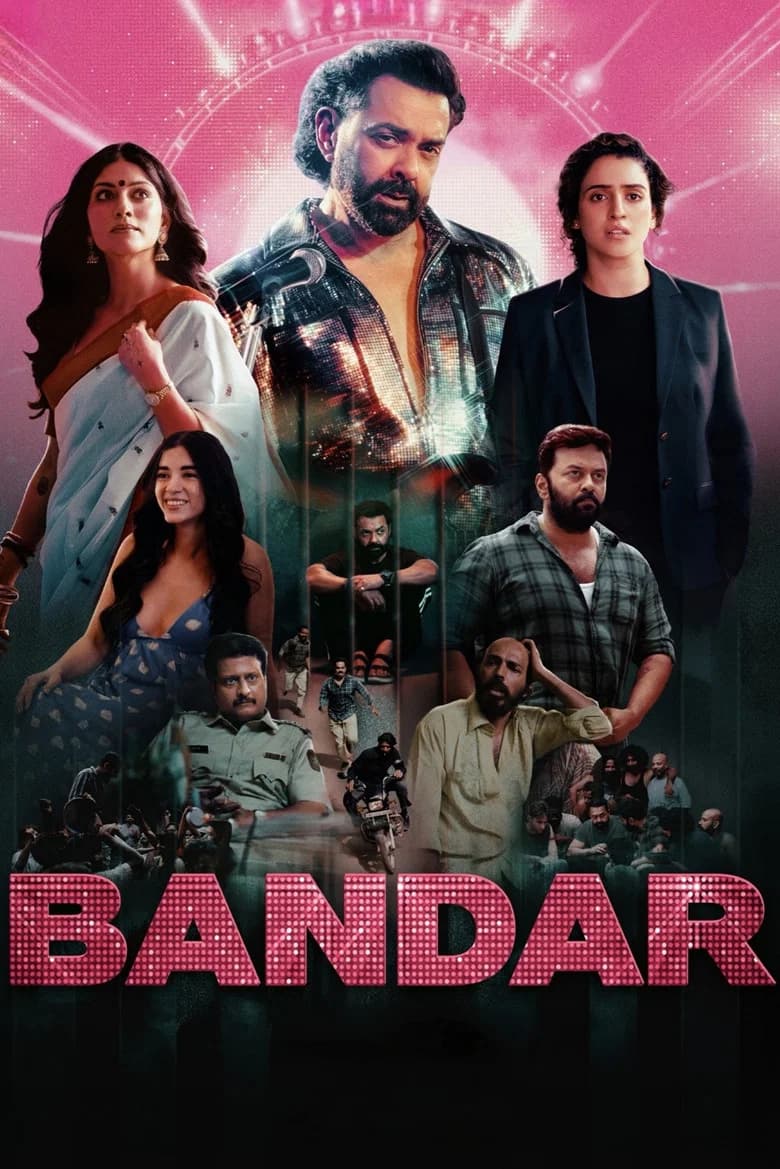
Bandar should have been a comeback story. It premiered at the Toronto International Film Festival in September 2025 to real critical enthusiasm, carried a stacked cast headlined by Bobby Deol and Sanya Malhotra, and reunited Anurag Kashyap with the kind of morally murky, institution-skeptical material he built his reputation on. Then it opened in Indian theaters on June 5, 2026, made almost nothing, and vanished from screens within a week. Now, with the film landing on ZEE5 on August 28, Kashyap himself has said the version everyone watched — in theaters and now on streaming — isn't actually his film. Untangling how a movie can be simultaneously one of a filmmaker's best-reviewed works in years and a box-office non-event, while its own director publicly disowns the cut, requires walking through each piece separately.
What Bandar is actually about
Bandar — released internationally under the title Monkey in a Cage — is directed by Kashyap alongside Sakshi Mehta, written by Sudip Sharma and Abhishek Banerjee, produced by Saffron Magicworks and Nikhil Dwivedi Studios, and distributed by Zee Studios, according to Wikipedia, Bollywood Hungama, and The Week. Bobby Deol plays Samar Mehra, a television star whose career is past its peak, whose personal life unravels after his ex-girlfriend Gayatri — played by Sapna Pabbi — accuses him of rape following his decision to reject her attempts at reconciliation. The film is told largely through flashback, with a significant stretch set inside a prison, and it structures itself around the question of how the public, the media, and the legal system process an accusation like this before any court has actually reached a verdict.
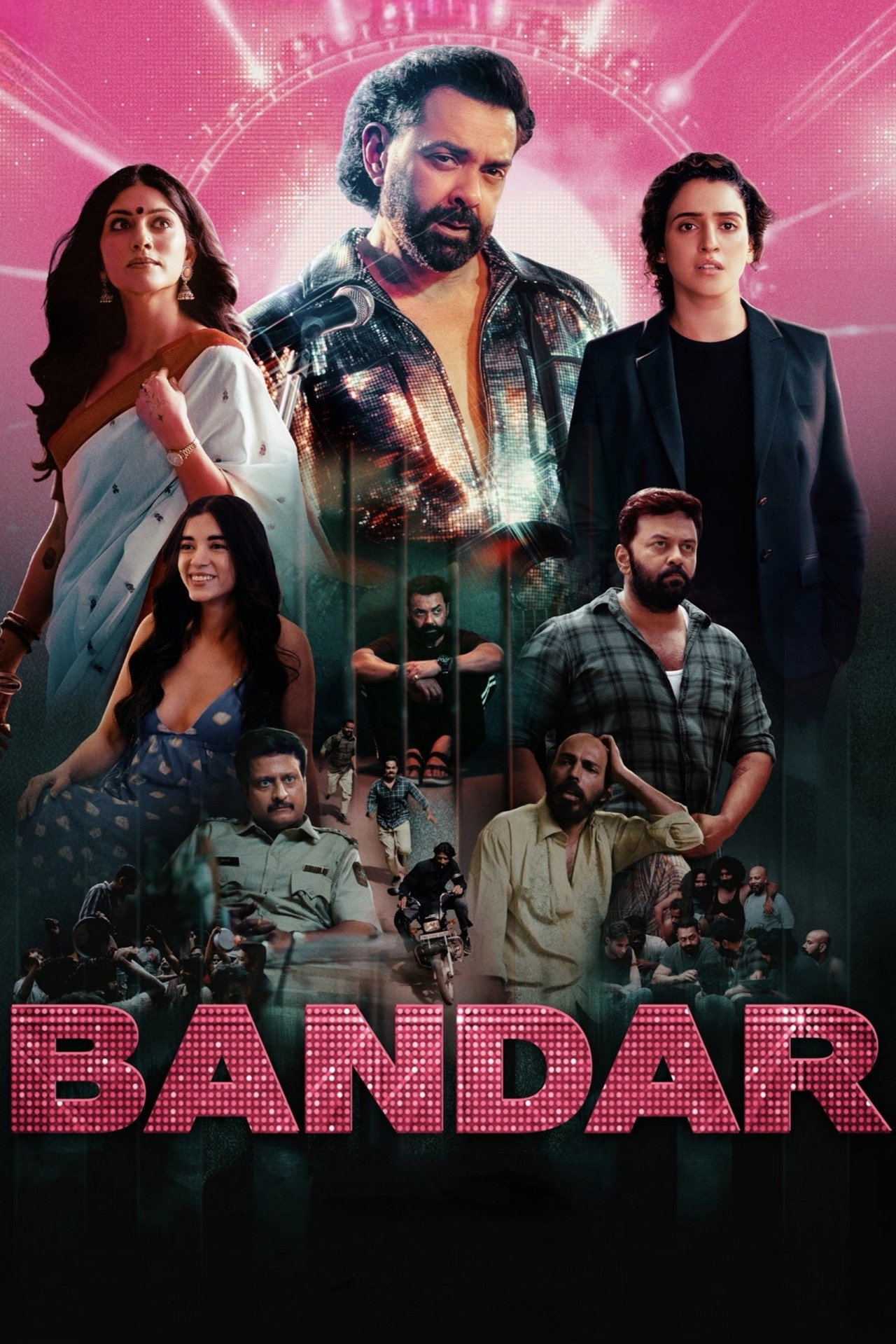
That structure is the entire point of the film. Per Wikipedia and The Week, Bandar is explicitly engaging with what's been called the "#MeToo for men" discourse — the argument that men, too, can be wrongly accused and destroyed by public judgment before due process runs its course. Kashyap has framed the film's central question directly in promotional interviews, telling Bollywood Hungama: "Can men be victims too? The film challenges audiences to look beyond black-and-white narratives and consider uncomfortable grey areas." It's a deliberately uncomfortable premise for a mainstream Hindi release to build a whole film around, and it's the same premise that will end up cutting both ways for Bandar — praised by some critics as brave, and criticized by others, as covered further below, for how it handles that grey area in practice.
The supporting cast fills out a genuinely strong ensemble: Sanya Malhotra plays Suhaani Mehra, alongside Saba Azad, Indrajith Sukumaran, Raj B. Shetty, Jitendra Joshi, and Sukant Goel, with special appearances from Sunny Leone and Daniel Weber, according to Wikipedia and The Week's reporting.

Bobby Deol has described the role as demanding in a way that went beyond craft, telling press, "The character demanded a lot from me, not just as an actor, but as a person" — a fairly striking admission for an actor whose recent run has leaned heavily on villain roles in big commercial franchises, taking on a part that's asking something more psychologically exposed of him.

A festival darling that took nine months to reach theaters
The timeline here is worth laying out plainly, because it's unusual. Bandar premiered at TIFF on September 6, 2025, as part of the festival's Special Presentations lineup — the kind of slot that typically signals real confidence from a festival in a film's craft, not just its commercial hooks, according to Wikipedia and Bollywood Hungama. From there, it took roughly nine months for the film to actually reach Indian theaters, opening worldwide on June 5, 2026. Then, less than three months after that theatrical run effectively ended, it premiered on ZEE5 on August 28, 2026, per Republic World and The Week.
That's a compressed theatrical-to-streaming window even by the accelerated standards Hindi cinema has settled into post-pandemic, and it's a pattern that usually signals one of two things: either a studio moving a film to OTT quickly to recoup losses after a weak theatrical run, or a film that was always going to lean on streaming as its real audience. Given what happened at the box office, described below, the former reading looks a lot more plausible than the latter.
The reviews were genuinely strong
This is the part of the story that makes everything else so strange. Bandar wasn't just tolerated by critics — it was, by a meaningful margin, one of the better-reviewed Hindi films of the year. Rotten Tomatoes has it sitting at 91% positive from 11 critics, with a 6.6/10 average rating, a score that would be a strong outcome for any film, let alone a dark, structurally ambitious one built around a deliberately polarizing premise.
Individual reviews back that number up. Shubhra Gupta at the Indian Express gave the film 3 out of 5 and called it "Anurag Kashyap's strongest film in a while" — a meaningful line coming from a critic who's covered Kashyap's entire career, including the highs of Gangs of Wasseypur and the lower points of his more scattered recent output. Devesh Sharma at Filmfare went further, giving Bandar 4 out of 5 and describing it as "fearless, thought-provoking and fiercely acted." The Week, in a separate piece of coverage, called it one of the best prison dramas ever made — a big claim, but one made in earnest rather than as throwaway hyperbole.
Not every review was a rave. Saibal Chatterjee at NDTV was more measured, landing at 2.5 out of 5 and describing the film as "a bit of a tangle" — a fair note given how much the film is asking of its flashback structure and its grey-area premise simultaneously. But even accounting for that more mixed take, the overall picture is of a film that critics, on balance, respected and often admired. This isn't a case of a film limping to a middling Rotten Tomatoes score through consensus mediocrity. It's a film that drew some of the most enthusiastic language Kashyap's work has generated in years, sitting right next to genuine box-office indifference.
Then it hit theaters, and almost nobody came
The box-office numbers are where the story turns, and it's worth being upfront that the exact figures are disputed across outlets rather than settled. Reported total collections for Bandar range from roughly ₹3.5 crore to ₹5.45 crore, depending on the source, and none of the available reporting fully reconciles that gap.
Pinkvilla and Koimoi both report a closing lifetime collection around ₹3.50 crore nett — a 72% deficit against what the film needed to recover its costs, per Pinkvilla's tracking. Those same outlets put the opening day at roughly ₹50 lakh and the opening weekend at just over ₹2 crore, before collections effectively flatlined. Outlook India, separately, reported a Day 4 (Monday) collection of just ₹24 lakh — a number that, if accurate, illustrates just how fast the film's already-modest momentum collapsed once the weekend crowd thinned out. Wikipedia's infobox, meanwhile, lists the film's total box office at ₹5.45 crore, a noticeably higher figure than Pinkvilla and Koimoi's reported lifetime total. None of these sources fully explain the discrepancy, so the honest framing is a range rather than a single confirmed number — but under any version of these figures, this was a box-office disaster relative to a film with this cast, this director, and this level of critical goodwill.
Why it reportedly flopped
Pinkvilla's reporting lays out a few specific reasons for the collapse, and they're worth taking seriously rather than just chalking the failure up to "dark films don't sell." Limited screen counts meant the film simply wasn't as available to walk-in audiences as its starrier competitors. Promotion was thin — a notable gap given that Kashyap, as covered below, apparently made a deliberate choice not to do the usual interview circuit for this release. And the film opened directly into competition with Hai Jawani Toh Ishq Hona Hai and the Telugu film Peddi, both of which offered audiences a lighter, more conventional theatrical outing in the same window.
There's also a more structural explanation, and Pinkvilla's coverage points to it directly: audiences increasingly treat "dark," niche-subject dramas as OTT-first watches rather than theatrical priorities. A film built around a rape allegation, a prison narrative, and a deliberately uncomfortable thesis about false accusations isn't the kind of premise that pulls a Friday-night group of friends into a multiplex the way a broad comedy or an action spectacle does — even when the reviews are strong. That's a pattern that's shown up repeatedly across Hindi cinema in recent years: critically admired, tonally heavy films increasingly get treated by mainstream audiences as something to wait for at home, while the theatrical rush goes to films that promise a good time rather than a difficult one.
The real twist: Kashyap says this isn't his cut
Here's the detail that turns Bandar from a simple story about a good film underperforming into something stranger. Anurag Kashyap has publicly stated that the version of Bandar that played in theaters — and that's now streaming on ZEE5 — isn't his intended final film. Per Onmanorama, Kashyap said: "If you noticed, I didn't give any interviews on the film because whatever came out is not my final cut."
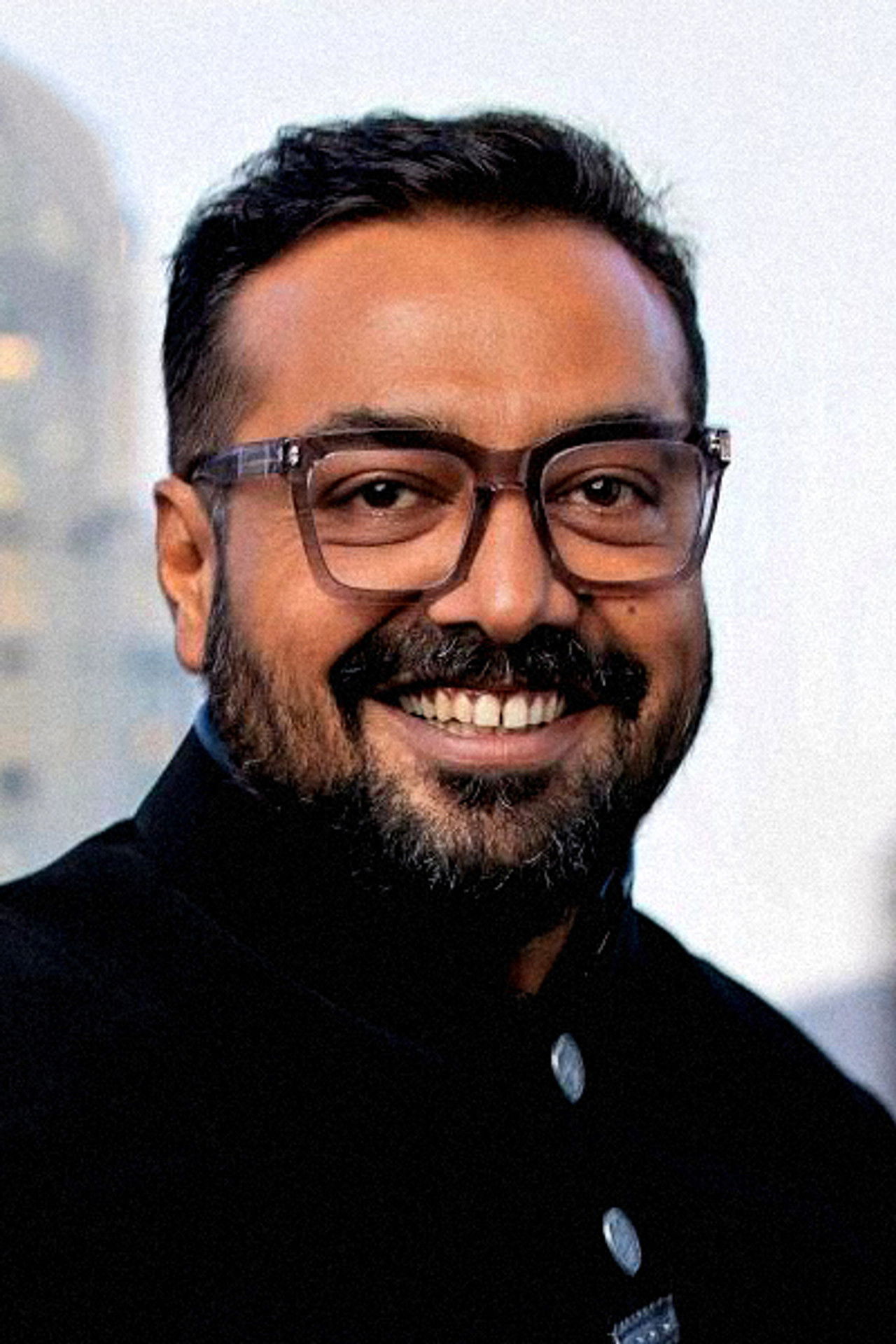
That's a remarkable thing for a director to say about his own theatrical release, and it reframes the film's thin promotional push discussed above — Kashyap apparently wasn't just quietly declining interviews out of scheduling conflicts or disinterest, he was deliberately sitting out the press cycle for a cut of the film he doesn't consider representative of his work. According to Onmanorama, Kashyap has said significant post-production edits removed scenes that, in his own words, stripped the film of its "soul and heart" and altered its intended message. He's reportedly gone as far as joking that people shouldn't bother watching the released version at all — a startling thing to say about a film carrying his own directing credit, and not the kind of comment that studios generally want attached to a release they're trying to sell.
Kashyap has also connected those cuts directly to the backlash the film drew over its handling of false MeToo allegations against men, suggesting that the edits made to the theatrical version are at least partly responsible for how that thornier part of the film's premise landed with audiences and critics who felt it tipped into something more troubling than "uncomfortable grey area."
The backlash he's now distancing himself from
That backlash is real and worth naming directly. Per Wikipedia's coverage of the film's critical reception, Bandar drew criticism on release for perceived misogynistic undertones and for seeming to work against the values of the #MeToo movement more broadly — a serious charge for a film whose entire premise hinges on how seriously an accusation of rape should be treated before a verdict exists. Kashyap has reportedly acknowledged that criticism as valid, according to the same reporting, while simultaneously distancing himself from the specific cut of the film that actually reached audiences.
That's a genuinely unusual position for a filmmaker to hold publicly: agreeing that a valid criticism of his film is fair, while arguing that the version people are criticizing isn't the version he actually made. It's worth being precise about what isn't being claimed here, too — Kashyap's comments about Bandar's edited cut are a separate matter from any of his other, more recent public controversies, and shouldn't be read as connected to or explained by anything outside of this film's own post-production and release history.
So what actually happened here
Strip away the noise and a few things are clear, and a few remain genuinely unresolved. It's clear that Bandar landed with critics in a way Kashyap's work hasn't managed in some time, per the Indian Express, Filmfare, and Rotten Tomatoes' aggregate score. It's clear that the film failed commercially by almost any reading of the disputed box-office figures, whether the real number is closer to ₹3.5 crore or ₹5.45 crore. And it's clear that Kashyap himself has publicly separated his own artistic intent from the film that actually reached screens, tying that gap to both the film's diminished promotional push and the sharpest criticism it received.
What's genuinely unresolved is everything underneath that: what specifically was cut, who made that call, how different Kashyap's original version really was, and whether a "soul and heart"-intact cut would have changed either the critical conversation around the film's MeToo framing or its box-office fate. None of the available reporting gets into those specifics beyond Kashyap's own broad characterization, and no outlet has published a side-by-side account of what scenes were removed or altered. Until that level of detail surfaces — if it ever does — Bandar's story stays exactly where it currently sits: a film that critics liked more than almost anyone actually watched, made by a director who says the version everyone saw wasn't really his to begin with.
Whether Kashyap's original cut ever surfaces in some form — a festival re-screening, a director's cut release, or just further interviews detailing what was removed — is unclear, but for now the version on ZEE5 is the only Bandar most audiences will ever see.