Haiwaan Review Roundup: Akshay Kumar and Saif Ali Khan's Reunion Opens to a Split Verdict
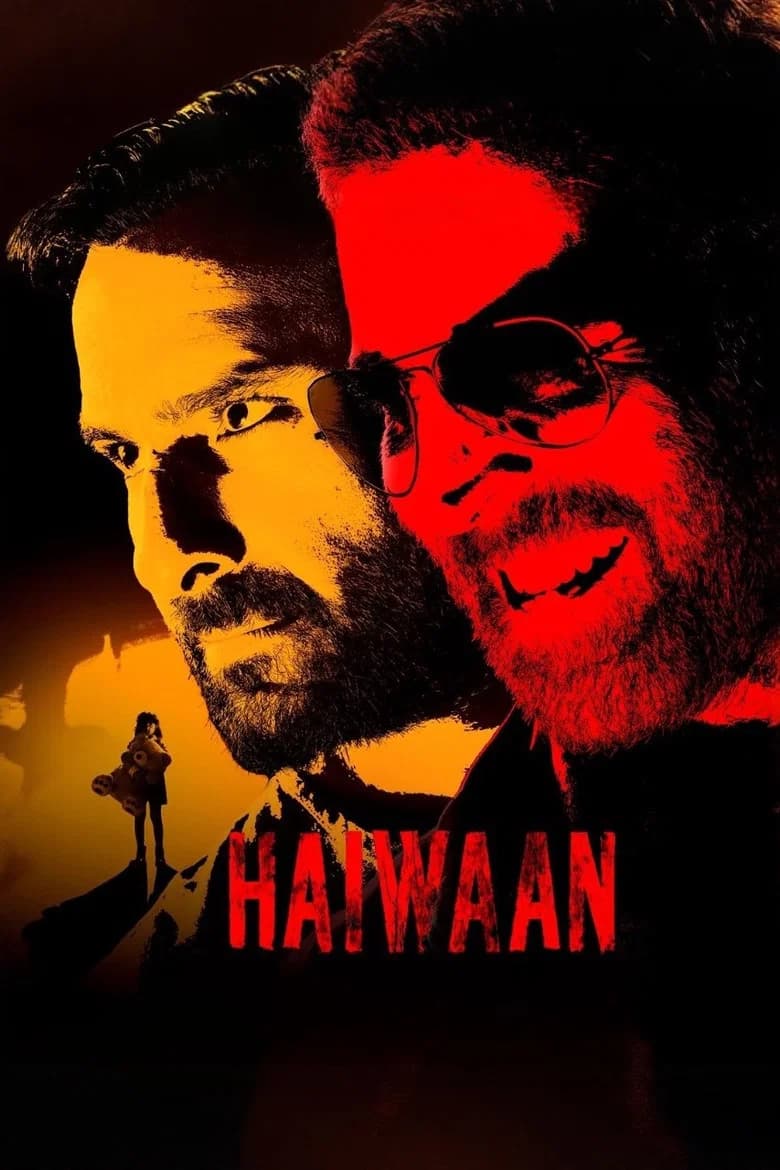
Haiwaan opened in theatres worldwide on September 11, 2026, closing the loop on a promotional run that leaned almost entirely on one idea: Akshay Kumar and Saif Ali Khan sharing a screen again after the better part of two decades, with their usual on-screen personas flipped. The trailer sold that flip hard. The actual film has now been reviewed by close to a dozen outlets, and the picture that's emerged isn't a clean hit or a clean miss — it's a film where almost everyone agrees the two leads are doing real work, and almost nobody agrees on whether the movie around them earns it.

The film that actually arrived
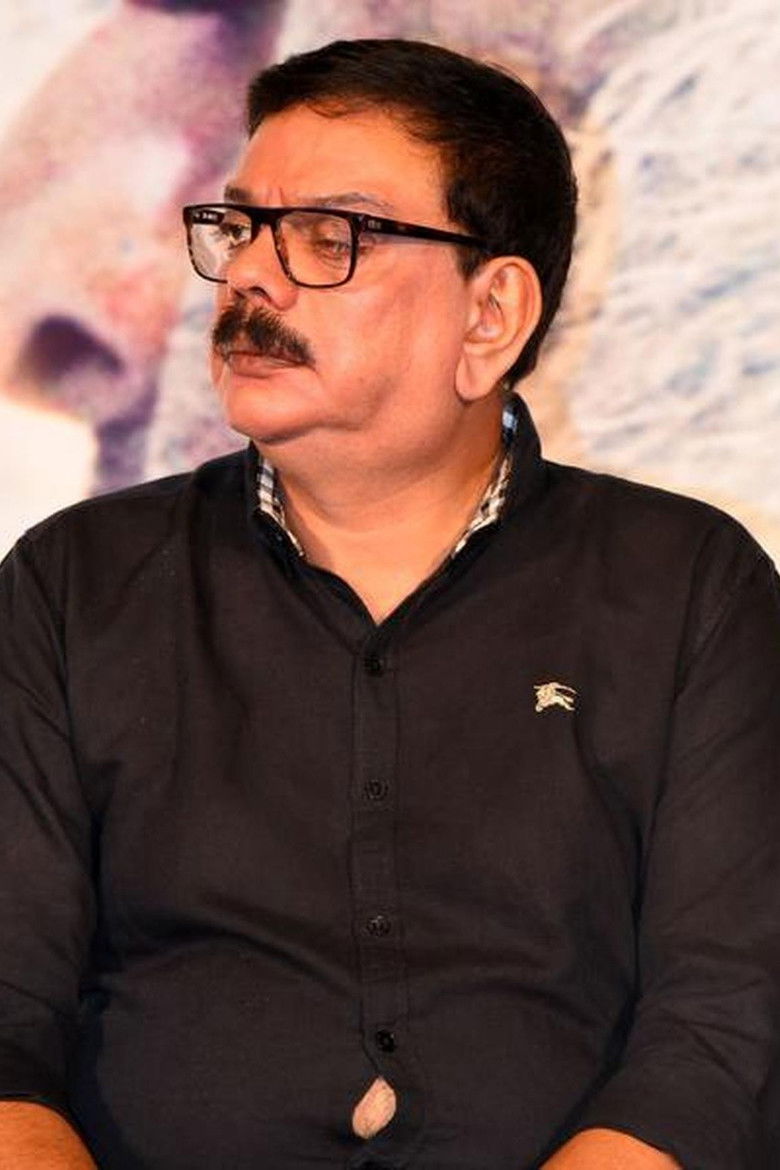
Haiwaan is directed by Priyadarshan, who also co-wrote the screenplay, remaking his own 2016 Malayalam film Oppam a decade after he made it the first time. That's still the most unusual thing about this project on paper — not the star reunion, but a director revisiting his own work in a different language, fully aware of what worked the first time and free to change whatever he wants.
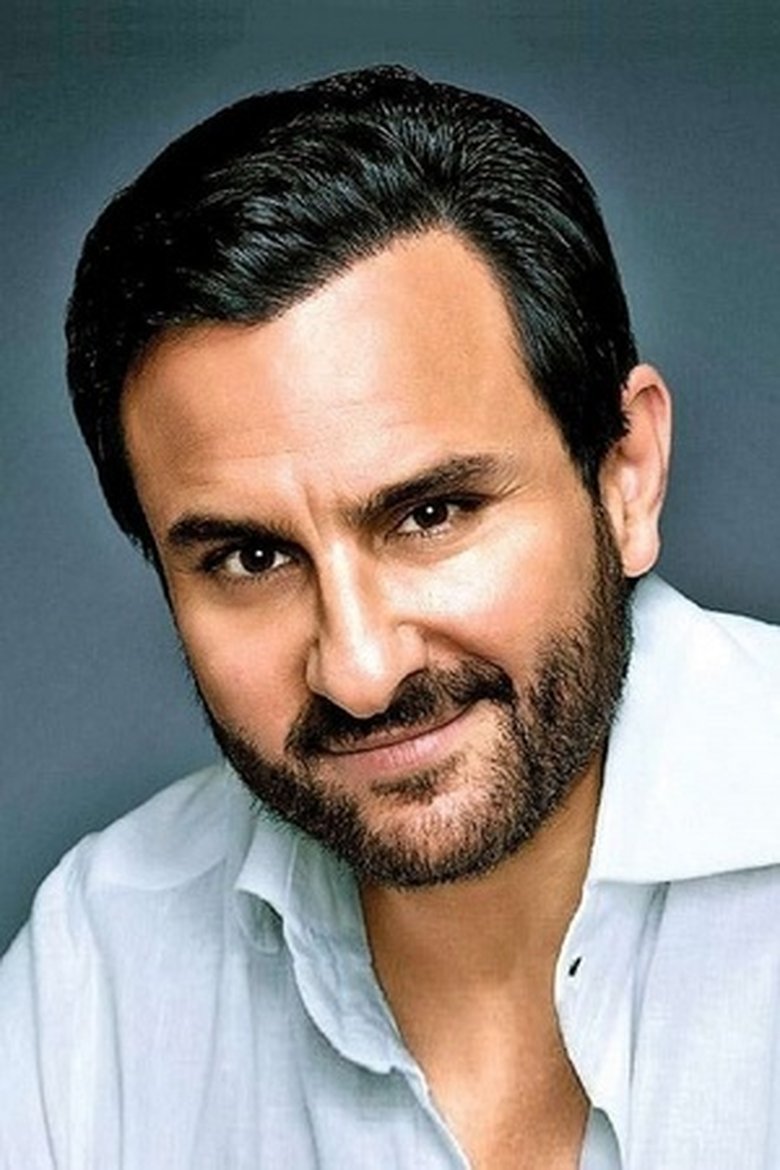
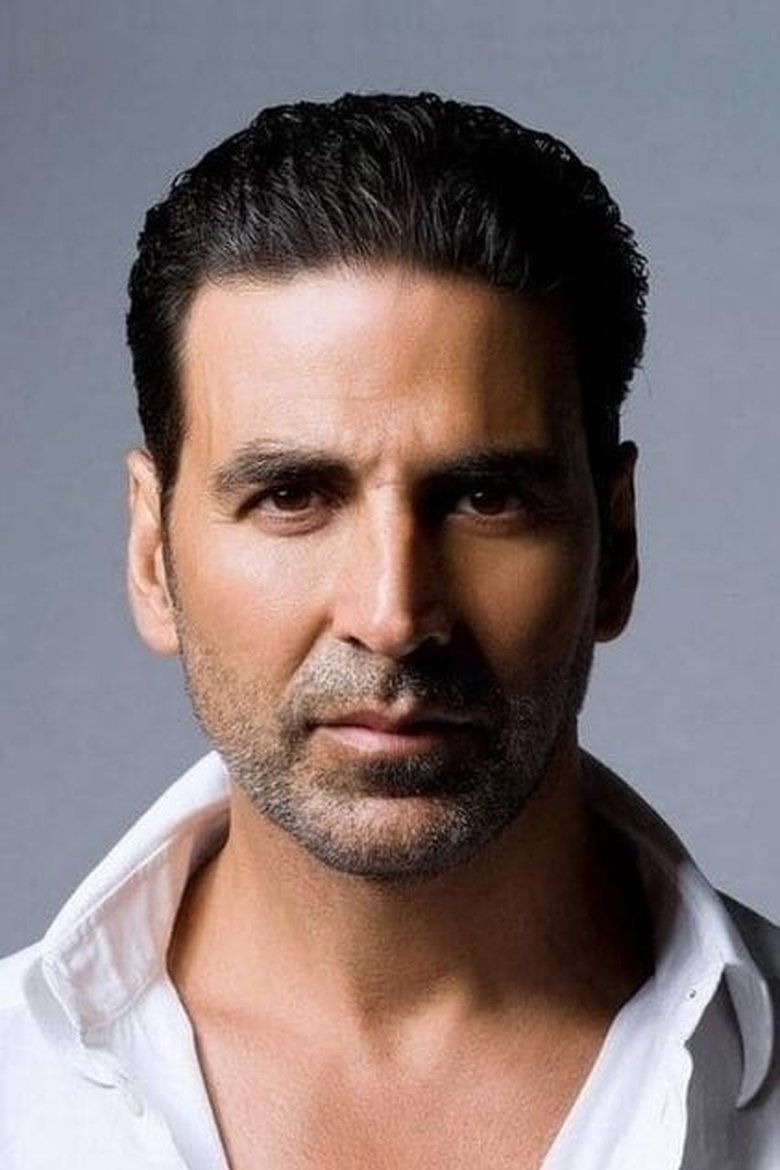
What he changed, as covered before release, is the casting: Saif Ali Khan takes over the role Mohanlal originated, a blind man named Shyam who becomes the only person capable of tracking a killer after a murder he can only hear and smell. Akshay Kumar plays the killer — a genuine swing away from the protagonist roles he's spent most of the last decade in. Boman Irani, Shriya Pilgaonkar, and Saiyami Kher round out the principal cast, with Mohanlal himself appearing in a cameo, a small gesture of continuity toward the role he's handing off.
The plot mechanics are the same as Oppam's: Shyam, blind and reliant on his other senses, is protecting his foster daughter from a killer who assumes his disability makes him an easy target to evade. The film runs approximately 164 minutes, and that runtime is already showing up as a point of friction in early reviews, a thread worth returning to once the actual critical response gets laid out in full.
Day one at the box office: slow, not disastrous
Haiwaan's opening day numbers are on the softer end for a film built around two stars of this size. Advance bookings sold roughly 44,170 tickets, grossing about ₹1.03 crore in India before the film had even opened to general audiences, according to trade tracking. The day-one worldwide estimate landed at roughly ₹10.80 crore. Trade watchers described the opening as "slow-to-fair" for a thriller of this genre — not a flop-level number, but well short of what a reunion this heavily marketed might have been expected to pull on day one.
There are a few reasonable explanations floating around for why the opening landed where it did, though none of them are confirmed drivers, just the kind of factors that typically shape a soft start for a film like this. A dark, "brooding" thriller built around a disability-driven cat-and-mouse plot isn't the easiest sell for a big opening-day crowd the way a broader action tentpole is. And for audiences who'd already seen Oppam — or at least knew of it — the pitch of "the same story, with the leads swapped" may not have carried the same urgency as a genuinely new film would have. Whatever the mix of reasons, the number itself is the number: a respectable but unspectacular start, with the real test being whether word of mouth pulls it up or lets it fade over the following days.
The reviews: performances praised, structure questioned
This is where Haiwaan's reception gets genuinely interesting, because the split isn't between outlets that loved it and outlets that hated it — it's a split that runs, almost consistently, between "the leads are excellent" and "the film around them has real problems."
Free Press Journal gave the film 3 stars, calling it a "faithful remake" in which Saif Ali Khan and Akshay Kumar "shine." That's about as clean a positive as Haiwaan got — a review that treats fidelity to the source material as a strength rather than a limitation, and credits both actors for carrying the inversion of their usual roles convincingly.
India TV News landed in similar territory on the performances, praising both leads, but added an important qualifier: the film "finds its grip late." That's a specific, useful complaint, because it doesn't say the film never grips — it says the tension the story is built around takes too long to actually kick in, which is a pacing problem rather than a fundamental structural one.
Filmibeat's review made that pacing complaint the whole story. Its verdict, in the outlet's own framing: "strong performances impress, but dull first half drags film down." According to Filmibeat, the second half — and specifically the final 30 to 40 minutes — is where the film finally clicks, delivering the tension and payoff the setup had been promising. That's a meaningfully different shape of criticism than a film that's simply bad throughout; it's a film that reportedly saves its best material for the end and makes audiences sit through a slower first half to get there. Filmibeat also directly addressed the 164-minute runtime, arguing the film "could certainly have been shorter" — a complaint that lines up neatly with the "dull first half" critique, since a tighter edit in the opening stretch is usually the first fix anyone points to when a film's back half is stronger than its front.
The Hans India took a more favorable angle while still centering the same core strength. Its review describes "Akshay Kumar's menace meets Saif Ali Khan's restraint in a gripping face-off," framing the lead dynamic itself — antagonist against protagonist, menace against restraint — as the film's central and most successful achievement. That's a useful way of naming exactly what the role-swap marketing promised: not two performances working in isolation, but a genuine push-and-pull between them.
Not every outlet found something to praise, though. Glamsham's review was flatly negative, headlined simply "Disappointing" — no hedging, no acknowledgment of the lead performances carrying the rest, just a rejection of the film as a whole. It's the clearest outlier in the spread of reviews, and worth naming as such rather than smoothing over.
The recurring complaint: not enough new here
Running underneath several of these reviews is a more specific critique that isn't really about pacing or runtime at all — it's about whether Haiwaan justifies existing as a remake in the first place. Multiple outlets have noted that audiences already familiar with Oppam may find that Haiwaan "offers nothing new apart from a few new scenes and different actors." That's a pointed line, and it cuts differently than a complaint about a slow first half. A pacing issue is a craft problem a film can be forgiven for if the ending lands. A "nothing new" complaint is closer to asking what the point of the remake was at all, beyond swapping which of its two stars plays hero and which plays villain.
It's worth being fair to Haiwaan here: the role reversal is a real creative choice, not a cosmetic one, and reviews that praise the Akshay Kumar-Saif Ali Khan dynamic are effectively praising the one thing this version does that the original couldn't. But "the casting is inverted" and "the story offers something new" are two different claims, and the critics making the "nothing new" complaint appear to be drawing exactly that distinction — the swap changes who's playing which part, not what actually happens in the plot, and for viewers who already know Oppam's beats, that may not be enough novelty to justify a second trip through the same story.
Reading the reviews together
Laid side by side, the pattern across outlets is unusually consistent for a film with genuinely mixed reviews. Free Press Journal, India TV News, Filmibeat, and The Hans India all single out the lead performances as the film's strongest asset, even while disagreeing on how much the rest of the film supports them. Free Press Journal and The Hans India are closest to outright positive; India TV News and Filmibeat both flag a slow build that undercuts the earlier stretches; Glamsham breaks from the pack entirely with a review that doesn't extend the same credit to the performances at all. That's not a chaotic scatter of opinions — it's a fairly tight consensus on what works (Akshay Kumar and Saif Ali Khan, playing directly against their usual types) sitting next to real disagreement on how much the film surrounding them earns its 164 minutes.
That's a genuinely different outcome than the trailer's marketing was implicitly promising. The pre-release pitch was built almost entirely on the reunion and the role swap being enough on their own to make the film must-see. The reviews suggest that pitch was, at minimum, half right — the reunion delivers on a performance level, according to nearly every outlet that's weighed in. Whether it delivers as a complete film is exactly where the disagreement sits, and it's the kind of disagreement that tends to get resolved by word of mouth over the following days rather than by the first wave of reviews alone.
What the slow first half means for its prospects
Put the box office and the reviews next to each other and a specific risk becomes visible. A "slow-to-fair" opening day paired with reviews that describe a dull first half and a strong final stretch is a genuinely difficult combination for a film to recover from. Films with front-loaded problems tend to depend heavily on positive word of mouth pulling in audiences over the following days and weekend — but word of mouth about a film needing patience to reach its best material is a much harder sell than word of mouth about a film that's simply good from the start. Audiences deciding whether to spend an evening on a nearly three-hour thriller are more likely to be swayed by "it's great" than by "it gets great around the two-hour mark."
None of that means Haiwaan is finished as a box office proposition. ₹10.80 crore worldwide on day one, while soft, isn't collapse-level, and reunions built around stars with Akshay Kumar and Saif Ali Khan's combined fan bases have shown before that they can build momentum across a first weekend even from a quiet opening day. But the reviews arriving this week haven't handed the film an easy tailwind into that weekend the way a cleaner critical consensus might have.
What to watch next
A few things are worth tracking over the coming days. First, whether Haiwaan's day-two and day-three numbers hold roughly flat, climb on the back of positive word about the second half, or drop the way genre films with mixed reviews often do once the opening-day crowd has been through it. Second, whether more reviews land somewhere closer to Free Press Journal and The Hans India's warmer take or Glamsham's outright rejection, since the sample so far — while consistent on the performances — is still small enough that the overall critical picture could shift as more outlets weigh in. Third, whether the "nothing new" critique becomes the dominant framing among audiences who've already seen Oppam, since that's the complaint most likely to cap the film's upside regardless of how strong its back half plays.
What's already clear, a day into release, is that the two things Haiwaan was selling hardest before it opened — the reunion and the role reversal — are the two things critics agree actually worked. Whether that's enough to carry a 164-minute remake that reportedly takes too long to find its footing is now a question for audiences, not reviewers, to settle over the next several days.
Watch how day two and the weekend hold up against the slow opening, and whether word of mouth around the strong second half pulls Haiwaan out of its early trade numbers.