Forgotten Island Review: DreamWorks Finally Puts Filipino Folklore on the Big Screen
This review discusses the film's central twist — that leaving the mythical island of Nakali costs Jo and Raissa the memory of their entire friendship — along with general plot mechanics, without detailing the ending.
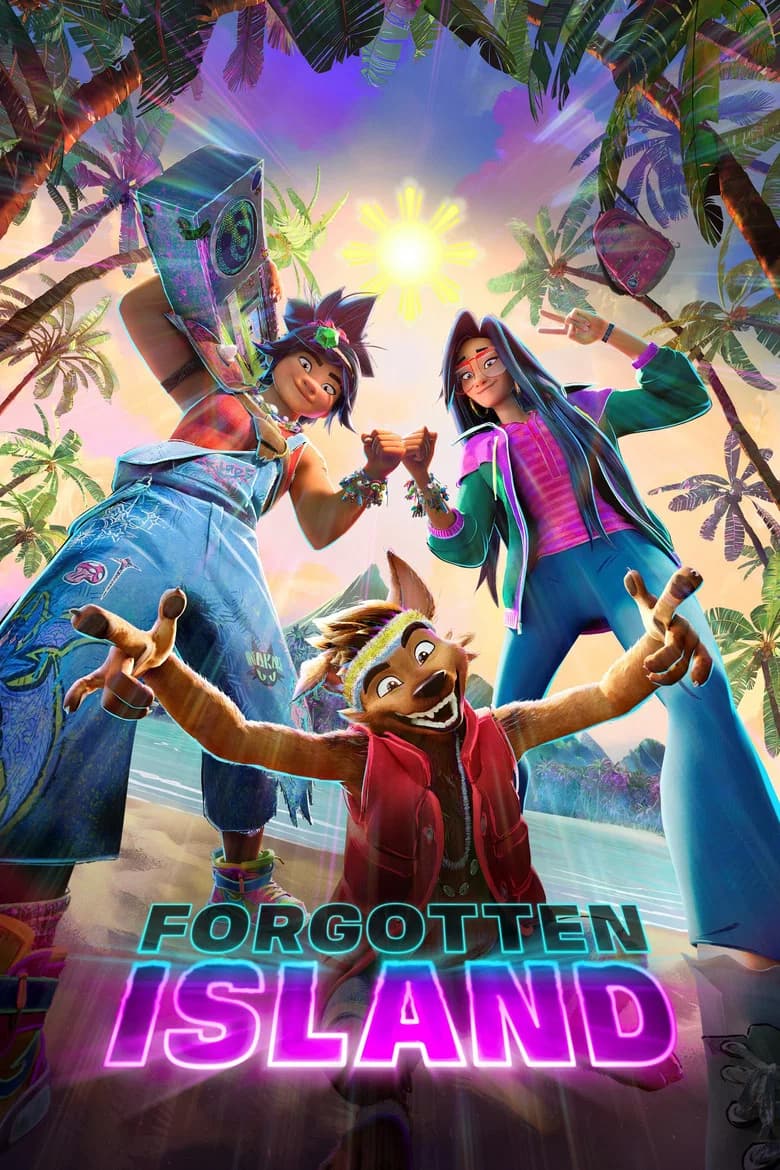
DreamWorks Animation has built most of its recent output on sequels and established IP, so it's worth pausing on what Forgotten Island actually is: an original film, not based on a book or a franchise, built entirely around Philippine folklore — a mythology mainstream American animation has essentially never touched. It arrives in theaters September 25, 2026, distributed by Universal Pictures, and early reviews suggest the gamble on an unfamiliar mythology paired with a genuinely original story is paying off.
The Premise: A Portal, a Deadline, and a Friendship on the Line
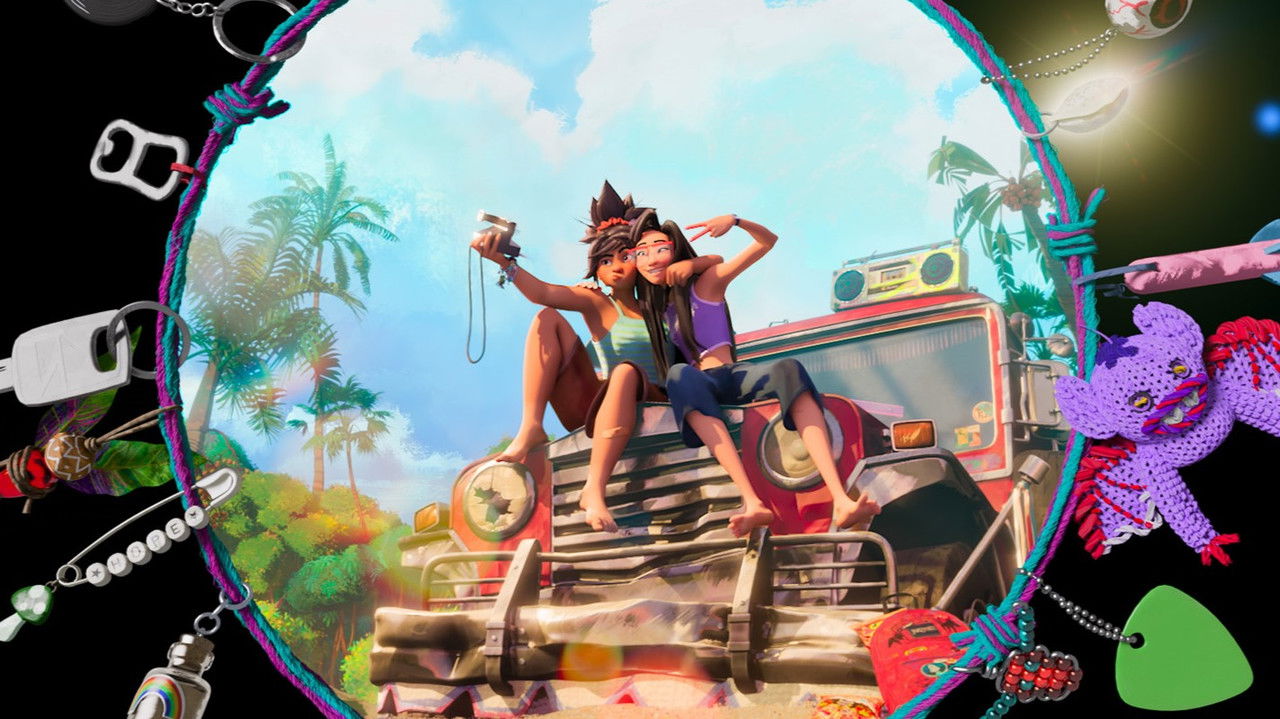
The setup is deceptively small. Jo, an aimless artist, and Raissa, who's headed off to Cal Tech, are best friends on the eve of their graduation in the 1990s. On what's supposed to be one last ordinary night together, they stumble onto a mystical portal that pulls them into Nakali, an island pulled straight out of Filipino folklore. What happens there gets erased from their memories, and the two have to retrace their steps to get home before Raissa's flight leaves — except the film's real hook is the price attached to leaving. Getting out of Nakali costs Jo and Raissa the memory of their entire friendship. That's not a minor stake dressed up as a big one; it's the whole emotional engine of the movie, and it reframes what could've been a straightforward portal-fantasy adventure into something closer to a story about what two people are willing to lose to save each other.

It's a clever structural choice, because it turns the film's back half into a race against two clocks at once — the literal flight Raissa needs to catch, and the more abstract deadline of a friendship quietly dissolving the longer they stay. Most animated adventure films are content with a single ticking clock. Forgotten Island stacks two on top of each other and lets them pull in slightly different directions.
Who's Behind the Camera and the Mic
Forgotten Island is written and directed by Joel Crawford and Januel Mercado. Crawford previously directed Puss in Boots: The Last Wish. Reportedly, the project is inspired by the two directors' own real-life friendship, which tracks with how specifically the film is built around the mechanics of a decades-long bond rather than a generic "friends forever" sentiment. Mark Swift, the Oscar-nominated producer behind Puss in Boots: The Last Wish, produces here as well, giving the film the same core creative team responsible for one of DreamWorks' more critically acclaimed recent efforts.
The voice cast leans on a mix of music, film, and stage talent rather than the usual roster of comedy names. H.E.R. voices Jo, with Liza Soberano as Raissa. Dave Franco plays Raww, described as a "weredog" character, and Dolly de Leon voices Lola Fatima. Lea Salonga — a name that carries serious weight in both Broadway and Filipino cultural circles — voices the film's manananggal creature. Manny Jacinto, Ronny Chieng, and Kevin McCann round out the supporting cast. It's a lineup that reads less like a stunt-casting exercise and more like a deliberate effort to put Filipino and Filipino-American performers at the center of a story about Filipino mythology, rather than treating the culture as set dressing around a cast with no connection to it.
Filipino Folklore Front and Center
This is the part of Forgotten Island that sets it apart from basically anything else in mainstream animation. Nakali isn't a generic fantasy realm built from vaguely mythological signifiers — it's populated by creatures pulled directly from Philippine folklore. The manananggal, a creature that splits its torso from its lower body and is voiced by Lea Salonga, anchors the film's most visually distinct sequences. Alongside it are the aswang, sarimanok, diwata, batibat, tiyanak, and kataw, all drawn from the same body of mythology.
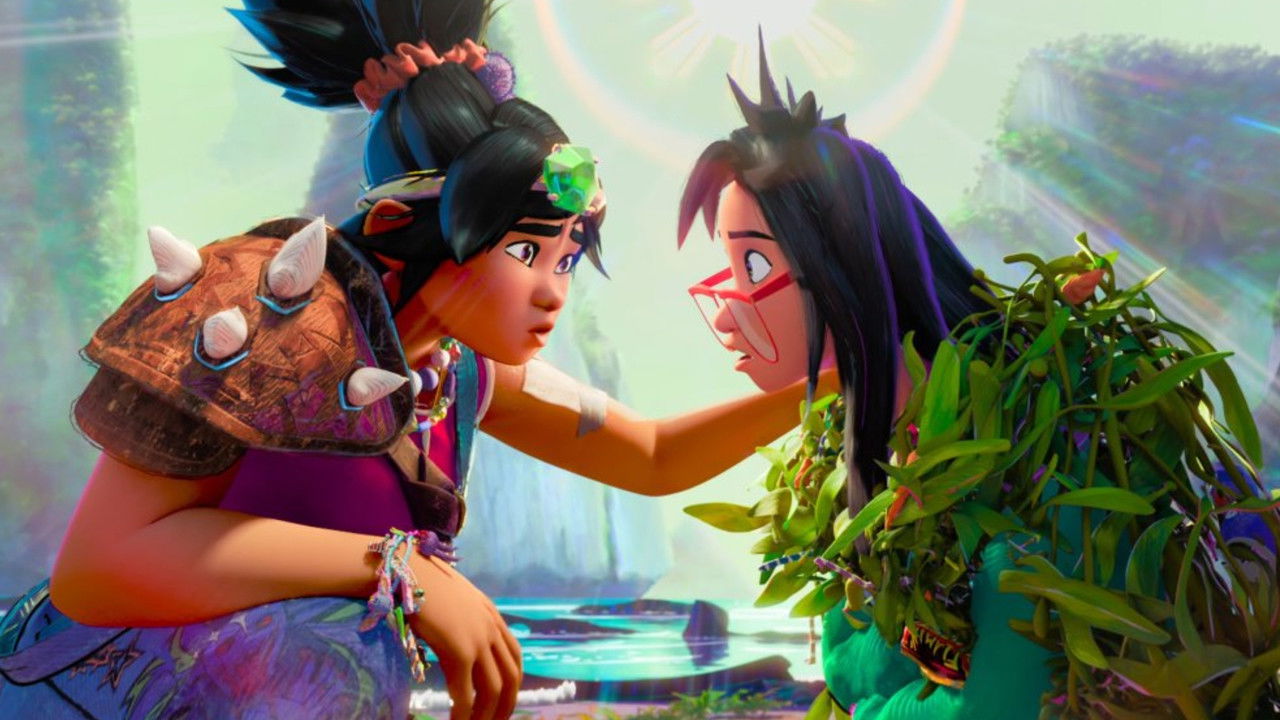
For context on how unusual this is: major American animation studios have mined Norse, Greek, Mesoamerican, and various Asian mythologies over the past two decades, but Filipino folklore has essentially never gotten this kind of mainstream treatment. A studio the size of DreamWorks building an entire original film around it — rather than a single character cameo or a background reference — is a genuinely rare choice, and it's the single biggest reason Forgotten Island is generating attention beyond the usual animated-release news cycle.
A Visual Style Built for the Post-Spider-Verse Era
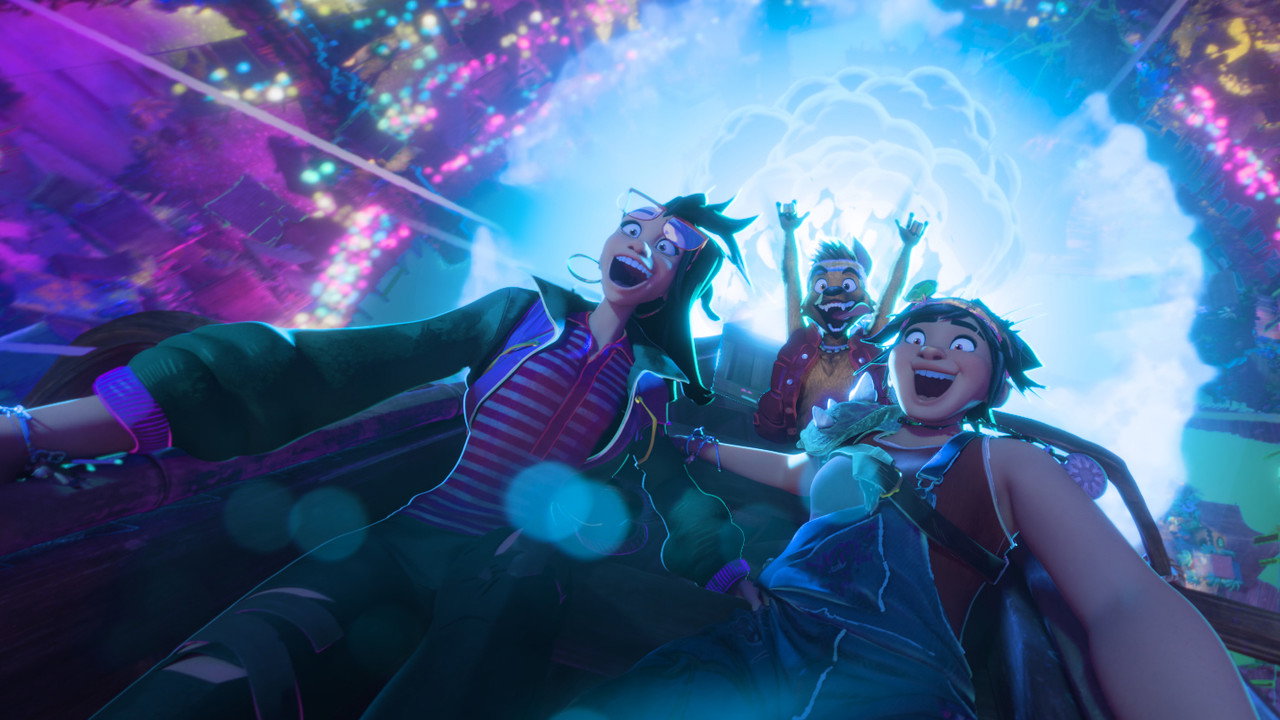
According to ScreenRant's review, Forgotten Island leans into a kinetic, anime-influenced visual style that the outlet situates alongside Spider-Man: Into the Spider-Verse, The Mitchells vs. the Machines, and Turning Red — part of a newer wave of animation aesthetics that's moved away from the smoother, more uniform CG house style DreamWorks and Pixar built their reputations on. That's a meaningful comparison. Into the Spider-Verse didn't just win awards; it changed what audiences expect a big-budget animated film to look like, and studios have spent years since chasing some version of its stylistic freedom. Placing Forgotten Island in that lineage suggests DreamWorks used the folklore setting as an excuse to experiment visually rather than defaulting to house style, and ScreenRant's review backs that up directly, praising the film's "visual creativity" and the synergy between its writing and animation.
What Critics Are Saying So Far
Reviews published ahead of the September 25 release have been largely positive. ScreenRant scored the film 8 out of 10, calling its comedic sequences "breathless" and its sense of humor "joyful chaos" — the kind of language that suggests a film confident enough in its pacing to let jokes land without over-explaining them. Beyond the trade press, some of the strongest praise is coming from smaller outlets willing to make bigger claims. Scott Mendelson, writing for The Outside Scoop, called it "quite simply one of DreamWorks Animation's very best movies," a significant statement given the studio's back catalog includes How to Train Your Dragon and Kung Fu Panda. David Griffiths at Subculture Entertainment echoed that sentiment, calling it "one of the best animated films we have seen in a while."
Karl Quinn, writing for the Sydney Morning Herald, focused less on spectacle and more on execution, praising "the thoughtfulness of the story, its genuine heart, and the passion for the culture it depicts." That's a notable distinction from reviews that lead with visuals or jokes — Quinn's framing suggests the film's handling of Filipino culture reads as considered rather than decorative, which matters enormously for a film built around a mythology this rarely represented on screen. Rotten Tomatoes had 15 critic reviews logged at the time of this writing, though no aggregate score had settled yet, so it's too early to cite a specific percentage with any confidence.
The One Real Knock Against It
Not every element of the reviews so far is glowing. ScreenRant's otherwise strong write-up specifically flagged the emotional and friendship core of the film as "not entirely earned" — a meaningful caveat given that the entire plot is structured around Jo and Raissa's bond being worth fighting to save. If the audience doesn't fully buy into the depth of that friendship, the film's central stakes lose some of their weight, no matter how inventive the folklore-driven action around them gets. It's worth watching for in the final release: whether the version audiences see on September 25 tightens that emotional throughline, or whether it remains the one soft spot in an otherwise well-reviewed film.
That's a fairly specific and containable criticism, though, especially set against reviews calling the film one of DreamWorks' best and praising its cultural sincerity. A film can have an underbaked emotional beat and still work as a whole if everything surrounding it — the visual invention, the mythology, the comedy — is firing as consistently as multiple outlets are describing here.
Runtime, Rating, and What to Expect Walking In
Forgotten Island runs 109 minutes and carries a PG rating, putting it comfortably in family-film territory despite some of its heavier thematic material around memory and loss. That combination — a PG rating wrapped around a plot where the stakes are literally forgetting the person you love most — is a pattern DreamWorks and Pixar have both leaned on before, going back to films like Inside Out, where genuinely difficult emotional material gets packaged for a broad audience without talking down to kids or losing adults in the room.
Where This Leaves the Film Ahead of Release
Going into its September 25 theatrical release, Forgotten Island looks like one of the more interesting bets DreamWorks has made in years — an original story, an unfamiliar mythology for mainstream American audiences, a voice cast built around Filipino and Filipino-American talent, and a visual style chasing the post-Spider-Verse aesthetic rather than settling into house style. Early reviews from ScreenRant, The Outside Scoop, Subculture Entertainment, and the Sydney Morning Herald suggest that bet is working, even with a specific and repeated note that the central friendship could feel more earned. For a studio that's leaned hard on established franchises in recent years, a well-reviewed original film built around Filipino folklore is the kind of release worth rooting for regardless of where the final aggregate scores land.
Forgotten Island opens wide on September 25, 2026. Expect the Filipino-mythology hook and the strength of its early reviews to shape how much box office attention DreamWorks gets for betting an original property against the usual sequel-heavy fall slate.