Coyote vs. Acme Review — The Movie WBD Tried to Erase Was Worth Fighting For
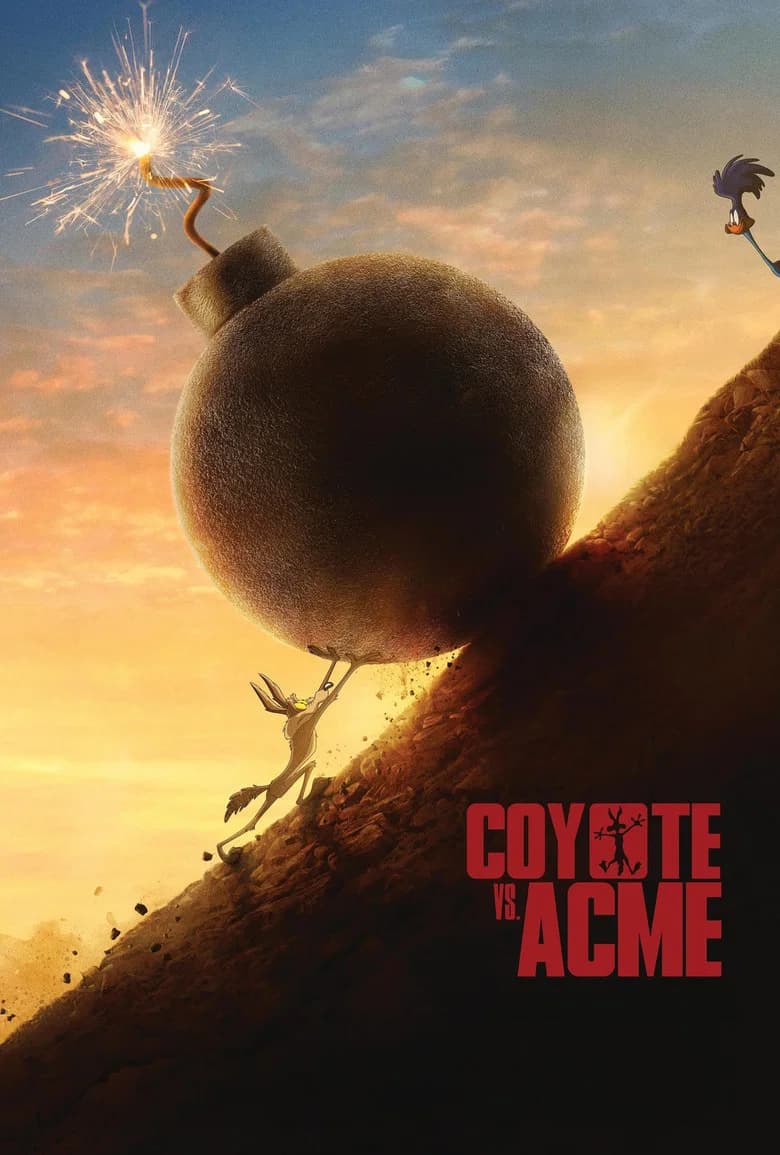
Some movies get bad reviews. This one got deleted. Coyote vs. Acme finished production, tested well, had a release date, and then simply stopped existing as a theatrical release — killed not by audiences or critics but by a corporate balance sheet. Nearly three years later, it's actually in theaters, and the strange part is that the film itself gives almost no indication it went through any of that.
The plot that almost never got seen
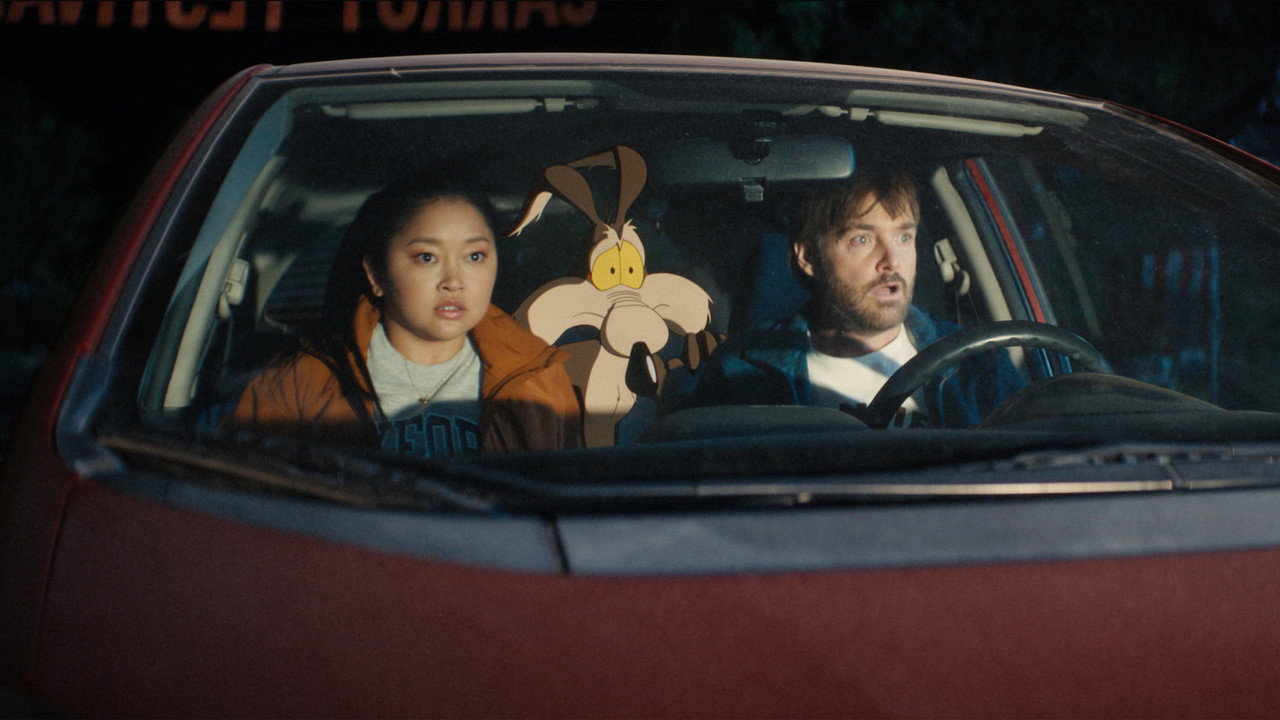
Directed by Dave Green, Coyote vs. Acme blends live-action performances with animated Looney Tunes characters, according to Collider. The setup borrows its premise from the famous 1990 Ian Frazier essay that imagined Wile E. Coyote suing the Acme Corporation for the catastrophic failure of its products. Here, that lawsuit becomes the engine of the plot: down-on-his-luck lawyer Kevin Avery, played by Will Forte, ends up representing a very real, very talkative Wile E. Coyote against Acme, and discovers the case is less about defective products and more about a mystery the company would rather keep buried, per critical roundups from Looper and CinemaScholars.
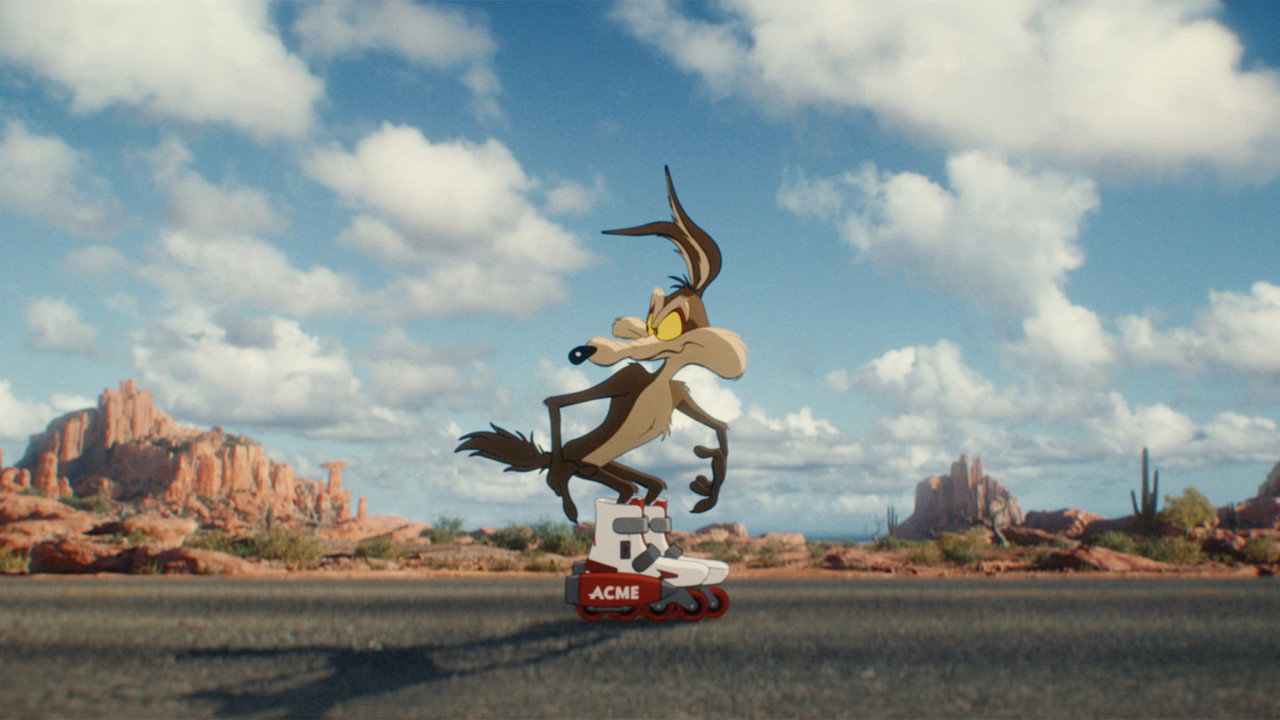
That mystery-box structure is what separates this from a simple Looney Tunes cash-in. It's not just gags about anvils and rocket skates, though there are plenty of those too — it's a plot with actual momentum, built around what Acme is hiding and why.
Who's actually in this thing
Forte anchors the human side of the story as Kevin Avery, with Lana Condor playing his daughter Paige Avery. John Cena takes the villain role as "Buddy Crane," and by multiple accounts he's the film's biggest surprise. Eric Bauza, the current voice of most of the classic Looney Tunes roster, voices Daffy Duck, Foghorn Leghorn, Porky Pig, Elmer Fudd, and Wile E. Coyote himself, according to Collider.
The James Gunn connection nobody expected
The film's origin story is more tangled than its finished product suggests. Samy Burch and James Gunn are credited with the original story, with Jeremy Slater developing that into the actual screenplay, and Gunn also producing alongside Christopher DeFaria, per Collider and a Yahoo interview with Gunn. That's notable given Gunn's current position running DC Studios and his public feuds with the very Warner Bros. Discovery leadership that shelved this film. But Gunn himself has downplayed how much of his fingerprints remain on the finished movie, telling interviewers that elements of his original story survive but "not to a large degree," according to Yahoo. It's a reasonable thing to flag going in — this isn't really "a James Gunn movie" in any meaningful authorial sense, whatever the story credit implies.
How a finished $70 million film gets shelved
To understand why this release feels like such a strange victory lap, you have to go back to November 2023. Coyote vs. Acme was a completed film with a budget of roughly $70 million, according to Collider. Under CEO David Zaslav, Warner Bros. Discovery made the decision to shelve it entirely rather than release it, taking a $30 million tax write-down instead, as reported by the Hollywood Reporter and AV Club. It wasn't an isolated incident. The Hollywood Reporter and AV Club both noted this made Coyote vs. Acme the third WBD film killed this way, following Batgirl and Scoob! — a pattern that turned "tax write-off" into shorthand for an entire era of streaming-era studio accounting that treated finished films as liabilities rather than assets.
The backlash at the time was significant. Killing a completed, tested family film with a beloved IP attached — one that reportedly screened well with test audiences — struck a lot of industry observers as a different kind of decision than shelving an unfinished passion project. It became a rallying point in wider conversations about how consolidated media companies were treating creative work as pure tax strategy.
The Ketchup Entertainment rescue
What makes this release even more unusual is how it eventually happened. Several bigger studios reportedly explored acquiring the film from WBD in the time after it was shelved, but those negotiations stalled over financial terms, according to the Hollywood Reporter and Collider. It ultimately took a much smaller distributor, Ketchup Entertainment, to close the deal in late March 2025, acquiring the film for roughly $50 million, per the Hollywood Reporter. That's a company most audiences have never heard of taking on a finished studio film that WBD had already written off — a genuinely unusual sequence of events in an industry where finished IP with recognizable characters attached almost never sits unreleased for this long.
Release timing and the competition
Coyote vs. Acme finally opens theatrically on August 28, 2026, nearly three years after it was shelved, according to Collider. It's not landing in a quiet weekend either — it opens the same weekend as Ridley Scott's The Dog Stars, putting a family-animation hybrid directly against a prestige adult drama rather than counterprogramming against another blockbuster. That's arguably the right call. There's little direct audience overlap between a Ridley Scott film built for adults and a Looney Tunes comedy aimed at families, so the two releases should mostly avoid cannibalizing each other's opening weekend.
What the reviews are actually saying
This is where the story gets genuinely surprising. As of this week, Coyote vs. Acme is sitting "Certified Fresh" on Rotten Tomatoes at roughly 95% from around 40 reviews, and early-reaction roundups have it tracking ahead of Toy Story 5, according to Yahoo Entertainment. For a film that spent nearly three years as a punchline about corporate cynicism, that's not a small thing.
The critical consensus from outlets like Looper, CinemaScholars, and Collider has largely been positive, describing the film as "consistently clever and funny" and praising how it blends the lawsuit premise with a genuine mystery about what Acme is hiding. One outlet reportedly went as far as calling it "the funniest film of 2026 so far." Across multiple reviews, John Cena's performance as Buddy Crane keeps coming up as a standout — a villain turn that's apparently sharper and funnier than the trailers suggested.
Not every reaction has been uniformly glowing. Variety's review headline — "The Fizz of Anarchy Is Missing" — suggests a more mixed take on the film, though the full text of that review wasn't available to draw specific conclusions from beyond the headline itself. It's worth taking that as a data point rather than dismissing it, especially since Variety's phrasing implies a critique aimed specifically at the film's comic energy relative to the anarchic spirit classic Looney Tunes shorts are known for. A handful of other reviewers have also flagged minor pacing and length issues as keeping the film short of true animated-comedy perfection, even while praising most of what surrounds those flaws.
Does the live-action/animation hybrid actually work
The bigger technical question going into this release was always going to be execution. Hybrid live-action/animation films have a long, uneven history — for every Who Framed Roger Rabbit, there are several forgettable attempts that never quite sell the illusion of cartoon characters occupying real space. Early reviews suggest Green's direction clears that bar convincingly enough that it's not the film's primary talking point, which is itself a good sign. When a hybrid film works, critics tend to stop discussing the technical achievement and start discussing the story — and that's largely what's happened here, with most reviews focused on the mystery plot and the comedy rather than marveling at the effects work as a novelty.
The bigger picture
Whatever the box office numbers say this weekend, Coyote vs. Acme's road to release already says something about the state of the industry. A finished film, made by real actors and animators, with a recognizable IP and reportedly strong test scores, sat unreleased for years because a media conglomerate's tax strategy valued it more as a write-down than as a product. It took a distributor most people have never heard of to prove the film had an audience all along. If the current review numbers hold and the film performs commercially against The Dog Stars, expect it to become a reference point in every future conversation about studios shelving finished work — proof that write-offs aren't just accounting decisions, they're bets against films that sometimes turn out to be very wrong.
The verdict
Going by the reviews rolling in from Looper, CinemaScholars, Collider, and the aggregate numbers reported by Yahoo Entertainment, Coyote vs. Acme looks like exactly the kind of film that shouldn't have needed a nearly three-year fight to reach a theater. It's not being described as flawless — Variety's headline and the pacing critiques from other outlets suggest real room for complaint — but the consensus is that this is a genuinely funny, well-built comedy with a clever mystery hook and a strong John Cena performance, not a write-off that got lucky. The best endorsement it can get at this point isn't a star rating. It's simply existing in theaters at all.
Its box office performance against The Dog Stars this weekend will determine whether Ketchup Entertainment's gamble pays off and whether more shelved WBD films get similar rescues.