Practical Magic 2 Opens #1, But Its 36% Rotten Tomatoes Score Reveals a Huge Critic-Audience Gap
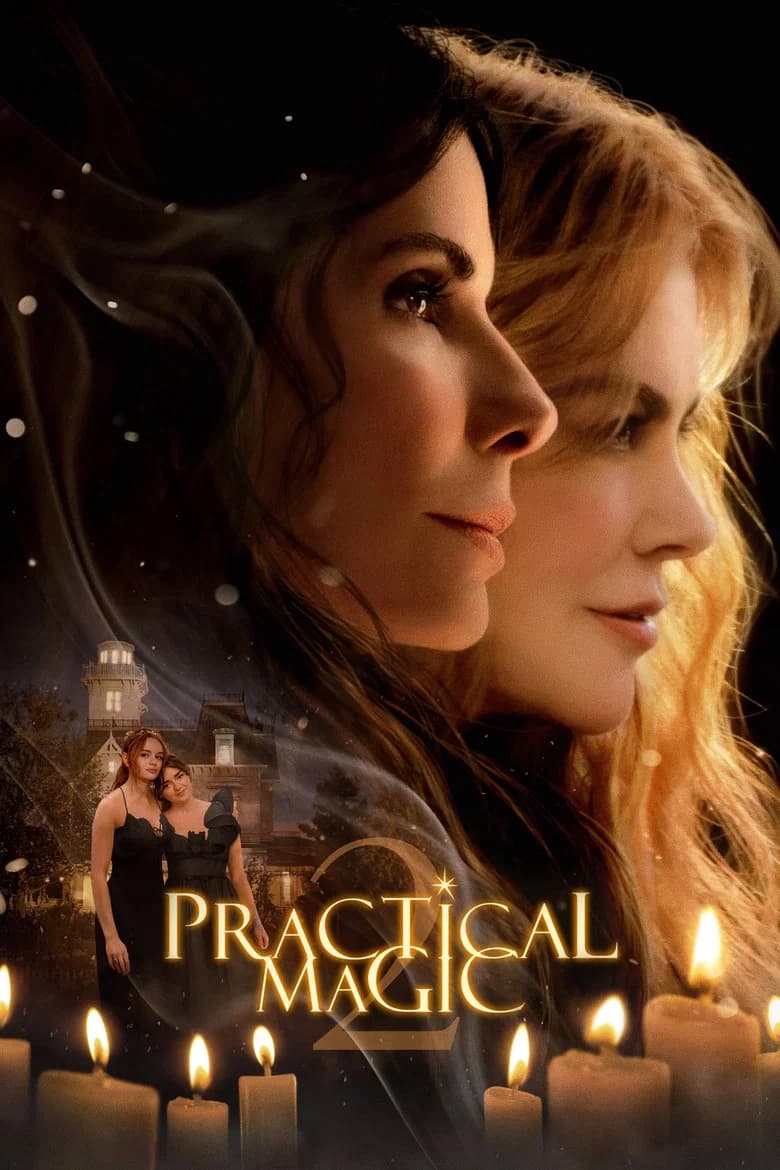
Practical Magic 2 is out, and the numbers tell two different stories depending on which number you're looking at. The film debuted at #1 over the weekend of September 10-11, dethroning Spider-Man: Brand New Day after its six-weekend run atop the box office. It also landed a 36% Tomatometer score on Rotten Tomatoes against a 91% audience score — a gap of roughly 55 points that ranks among the widest critic-audience splits of any wide release this year.
That gap isn't a fluke of small sample size or an outlier review or two. It's the product of dozens of critics converging on a specific, consistent set of complaints, while the people who actually bought tickets walked out largely charmed. Here's what happened, in the critics' own words, and what the opening-weekend box office numbers actually show.
The Score That Surprised Almost Nobody, and Also Everybody
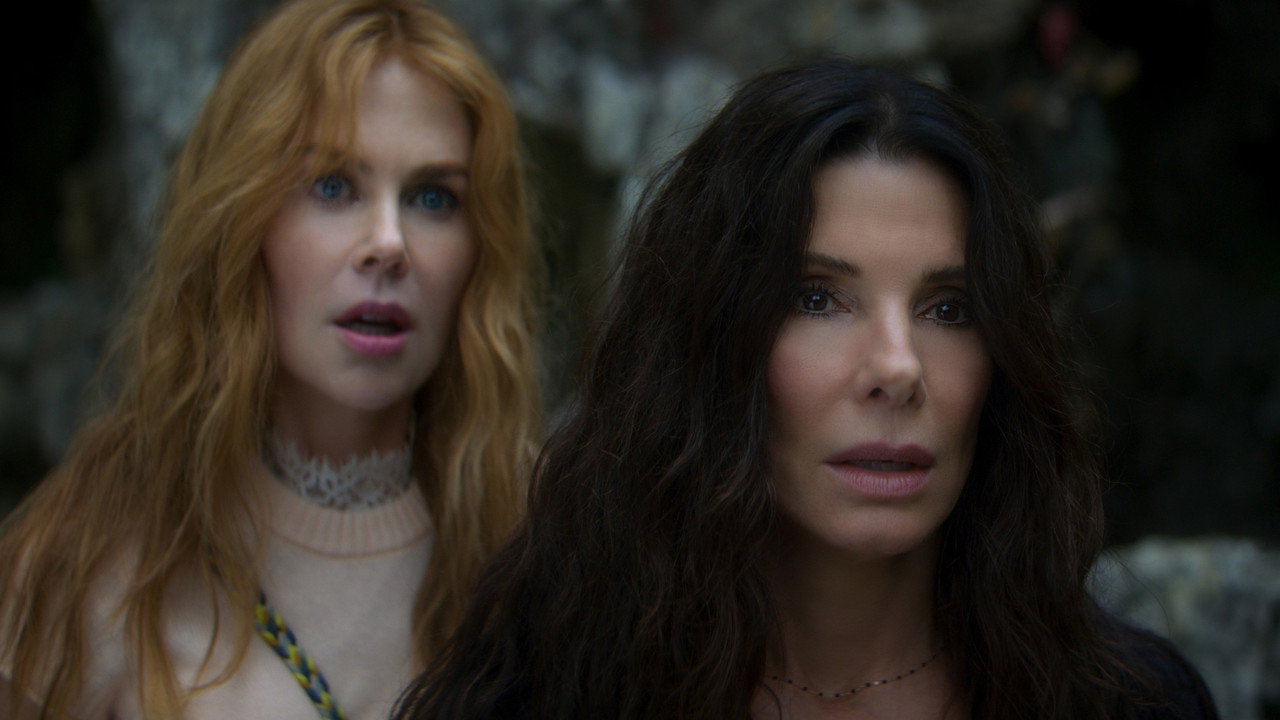
A week before release, this site covered the embargo-lift wave of first reactions to Practical Magic 2, which split roughly down the middle — some critics charmed, some cold, nearly everyone agreeing that Sandra Bullock and Nicole Kidman's chemistry as sisters Sally and Gillian Owens was the film's saving grace. That split didn't resolve into consensus once the full review wave landed. Instead it hardened into something more lopsided: a 36% Tomatometer score, according to Rotten Tomatoes' own aggregate, built from a much larger pool of full-length reviews than the scattered social reactions from screening week.
What makes the story genuinely interesting isn't the low critic score by itself — plenty of legacy sequels score in that range. It's the 91% audience score sitting right next to it. A gap that size, per Rotten Tomatoes Editorial's own coverage of the split, puts Practical Magic 2 in rare territory: a film critics broadly rejected that audiences broadly embraced, rather than the more common pattern of critics and audiences disagreeing by a more modest 15 or 20 points.
What Critics Actually Said
The negative reviews cluster around a few specific, recurring complaints rather than a single vague "it's not good." Sophia Ciminello, writing for AwardsWatch, put it bluntly: the film "fails to conjure up the magic of its predecessor, making it difficult to imagine the sequel achieving the same cultural status." Ciminello also flagged the script directly, writing that "the screenplay feels a bit unfocused, with stretches feeling overlong" — a complaint that echoes almost exactly what several critics said during the embargo-lift wave, before the wider review pool confirmed it as a pattern rather than an isolated gripe.
Todd Gilchrist at Variety was similarly unsparing, describing the movie as "as cumbersome and overlong as the 28-year wait" between the 1998 original and this sequel. That's a pointed line, and it lands because it ties the film's pacing problems directly to the weight of expectation the sequel was carrying — nearly three decades is an enormous gap to bridge, and Gilchrist's read is that the film buckles under it rather than rising to meet it.
Leila Latif's review for Empire Magazine zeroed in on the cast rather than the script, writing that "King rises gamely to the occasion, while Maisie Williams is squandered." That's a notable claim given how much marketing weight was put on the ensemble beyond Bullock and Kidman — if Williams' Antonia is underused, that's a structural choice, not just a performance issue.
Two other major outlets weighed in with shorter, headline-level takes that are worth noting even without full review text. Deadline's review carried the headline "Sequel Lacks Magic Of Original," with the review itself reportedly describing the film as "a bit more Harry Potter than Witches of Eastwick" — a comparison that suggests the sequel leans harder into effects-driven spectacle than the earthier, character-first tone of the original. The Hollywood Reporter's take was somewhat gentler in tone, if still lukewarm, writing that the film "works well enough to conjure a few warm sparks, if not quite to cast its own spell."
The Case for the Defense
Not every critic piled on. Liz Shannon Miller at Consequence wrote simply that "Bullock and Kidman still cast quite the spell" — a short line, but one that reinforces the single point of near-universal agreement across both the pre-release reaction wave and the full critical consensus: whatever else does or doesn't work, the two leads still have it.
Amy Kim at Next Best Picture went further, arguing that "the playful spirit of the original is immediately present in the sequel," a genuinely positive framing that stands in sharp contrast to Gilchrist's and Ciminello's readings of the same material. Reviews like Kim's are almost certainly a meaningful part of why the audience score sits so much higher than the critic score — for viewers going in wanting exactly the cozy, nostalgic register the original had, several reviews suggest the sequel largely delivers that, even if it stumbles structurally along the way.
Where the Reviews Converge
Strip away the individual voices, and four specific complaints show up again and again across the negative-leaning reviews: an underdeveloped or weak villain at the center of the plot, a bloated runtime that lands around 130 minutes, a script that struggles to stay focused across its ensemble cast, and VFX work that multiple critics described as underwhelming for a modern studio witch movie. That last point is worth sitting with, since visual spectacle is typically one of the easier boxes for a big-budget legacy sequel to check even when other elements misfire.
The runtime complaint specifically connects back to something flagged in the pre-release coverage of this film: Rotten Tomatoes' own early listing had put the runtime at 110 minutes, while critics who'd actually seen the movie during embargo week were independently describing it as closer to 130 minutes. The full review wave settles that discrepancy decisively in favor of the critics who saw it — 130 minutes is the runtime showing up across the negative reviews now, and it's consistently cited as a problem rather than a neutral fact.
The Box Office Numbers
Practical Magic 2 opened domestically to $30 million from 4,146 theaters, on the lower end of the pre-release tracking range that had industry estimates as high as $45 million, according to earlier reporting on the film. Overseas, the film added $16 million from 77 markets, bringing its global opening weekend total to $46 million. That was enough to take the #1 spot at the domestic box office, ending Spider-Man: Brand New Day's six-weekend reign atop the charts — a notable scalp for a mid-budget legacy sequel to claim against a superhero tentpole that had been dominating the box office all summer.
It's worth being precise about what this number does and doesn't tell us. This is opening-weekend data, not a verdict on the film's total theatrical run, and legacy sequels with strong audience scores and weak critic scores have historically shown meaningfully different weekend-to-weekend hold patterns than critically acclaimed films or critically panned ones with weak audience scores too. A 91% audience score suggests the possibility of a softer-than-average decline in the weeks ahead, driven by word-of-mouth rather than review coverage — but that's a projection based on the pattern, not a confirmed outcome, since second-weekend numbers weren't available at the time of this writing.
Budget, and the Long Game Warner Bros. Is Reportedly Playing
Practical Magic 2 reportedly carried a production budget of around $75 million, not counting the tens of millions typically spent on marketing for a film with this kind of theatrical rollout. Against that budget, a $30 million domestic opening and $46 million global opening is a moderate result, not a runaway hit and not a disaster.
Variety's coverage of the opening drew a specific and pointed comparison worth repeating: adjusted for inflation, the sequel's domestic opening is roughly comparable to what the original 1998 Practical Magic made in its own opening weekend — about $13 million at the time, which Variety estimates would be worth around $27 million in today's dollars. That's a strikingly close parallel, and it matters because the original Practical Magic was, by most measures, a box-office flop on release in 1998. It only became the beloved cult classic it's now remembered as over years of cable reruns, home video, and word-of-mouth that had nothing to do with its theatrical performance.
Warner Bros. is reportedly banking on a similar trajectory for the sequel, according to Variety's framing of the studio's expectations — a film that doesn't need to be a blockbuster in its first weekend to eventually be considered a success, provided it builds the kind of durable, rewatchable audience the original did. Whether that bet pays off is obviously not a question this weekend's numbers alone can answer, but the audience score, if it holds, is at least a plausible early signal in that direction.
What the Gap Actually Means
The 55-point critic-audience split on Practical Magic 2 isn't just a curiosity for score-watchers — it's a reasonably clean encapsulation of what happens when a legacy sequel's target audience and its critical audience want different things from the same movie. Critics, largely evaluating the film on script construction, pacing, and whether its villain and ensemble justify a 130-minute runtime, found it wanting on nearly every count. Audiences, largely there for Bullock and Kidman reprising roles they last played in 1998, and for a return trip to the Owens family's world of "moonlit mischief and powerful ancestral magic," as the studio's own marketing describes it, appear to have gotten enough of what they came for.
That's not an unusual outcome for this specific kind of film. Nostalgia-driven legacy sequels tend to be reviewed by critics as standalone works of craft and consumed by longtime fans as continuations of something they already love — and those are genuinely different standards to be measured against. The unusual part here is just how far apart those two measurements landed, and how cleanly the individual named reviews map onto that split once you read past the aggregate scores themselves.
Watch whether word-of-mouth from the strong audience score sustains the film through subsequent weekends, and whether Warner Bros.' bet on a long-tail nostalgia run like the original's pays off.