It Ends Review: Why Critics Are Raving About This Existential Road-Trip Horror While Audiences Shrug
This review discusses It Ends' central premise in detail — the never-ending road, the rules governing the group's survival, and the general shape of what happens when they try to leave the car — without describing the final scene beat by beat.
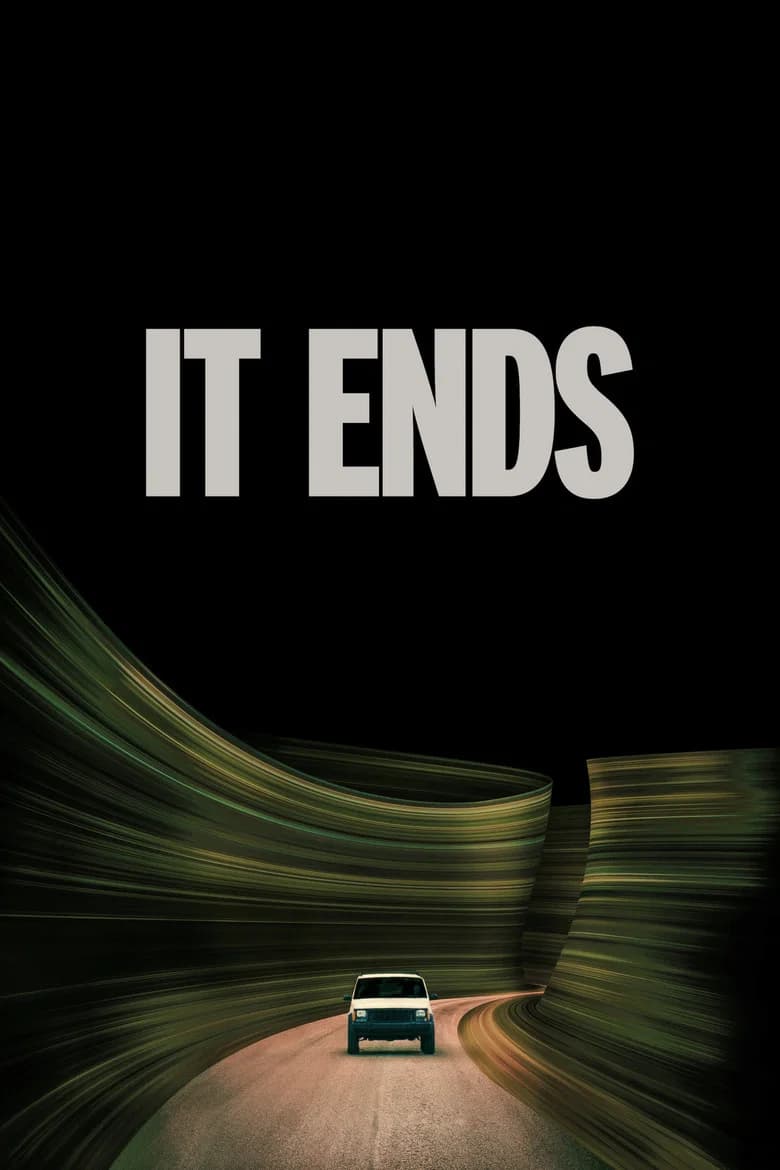
It Ends opened in theaters on Friday, August 21, 2026, distributed by NEON, according to ScreenRant and CBR. It's the feature directorial debut of Alexander Ullom, who also wrote the script, and at 89 minutes with an R rating it's built to be a tight, single-sitting gut-punch rather than a sprawling franchise starter. A week and change into its release, the film has settled into a genuinely unusual position on Rotten Tomatoes: critics are treating it like one of the best horror films of the year, while the audience score sits closer to a coin flip. That gap is the story here, and it says as much about what this film is actually doing as any single review does.
What It Ends Is Actually About
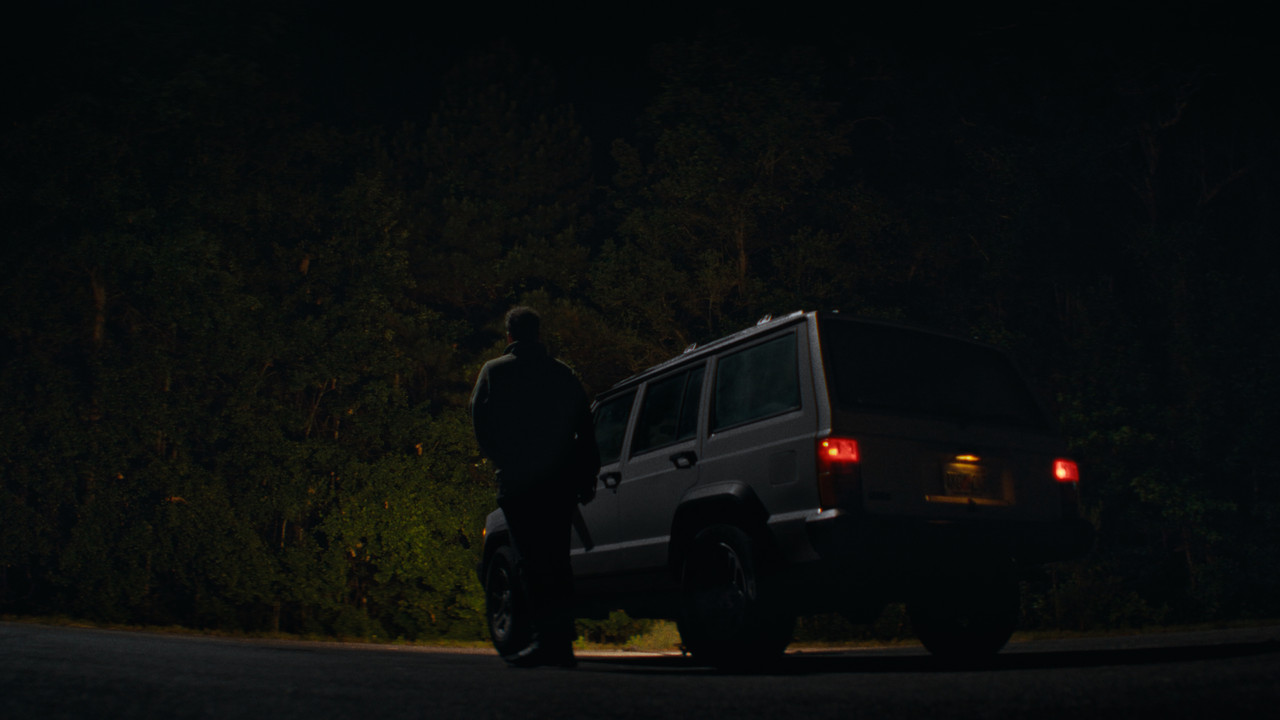
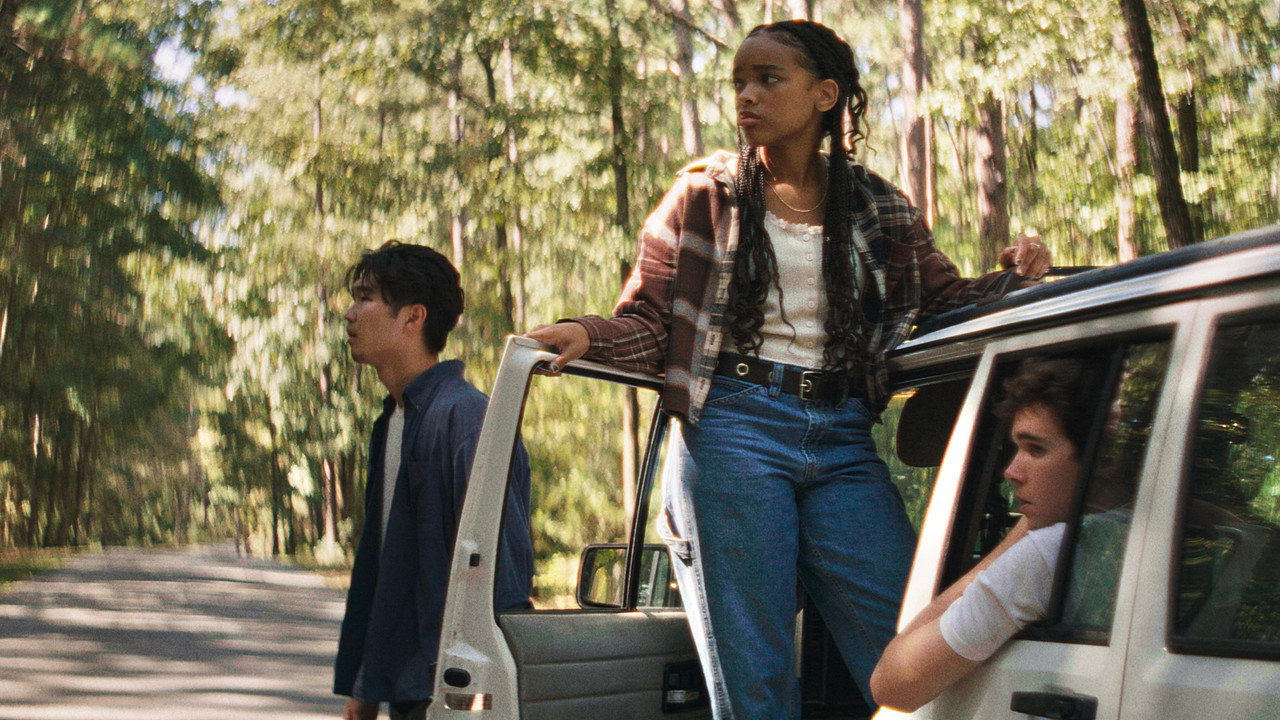
The setup is deceptively simple. A group of recent college grads, friends whose lives are about to scatter in different directions, head out for one last late-night hangout before everyone goes their separate ways, according to ScreenRant and CBR. They pile into a car for what should be a short, aimless drive, and at some point they turn onto a two-lane road that never ends.
That's not a figure of speech. According to ScreenRant and CBR, the road genuinely does not stop — there's no exit, no landmark that repeats meaningfully, no sign of the town they left behind. The group doesn't get hungry and the car doesn't run out of gas, which almost immediately signals to the audience that this isn't a survival story in the conventional sense; the normal physical stakes of a road-trip thriller have been removed on purpose. What replaces them is worse. When anyone tries to stop the car or step outside it, screaming figures emerge from the trees lining the road, according to both outlets' plot summaries.
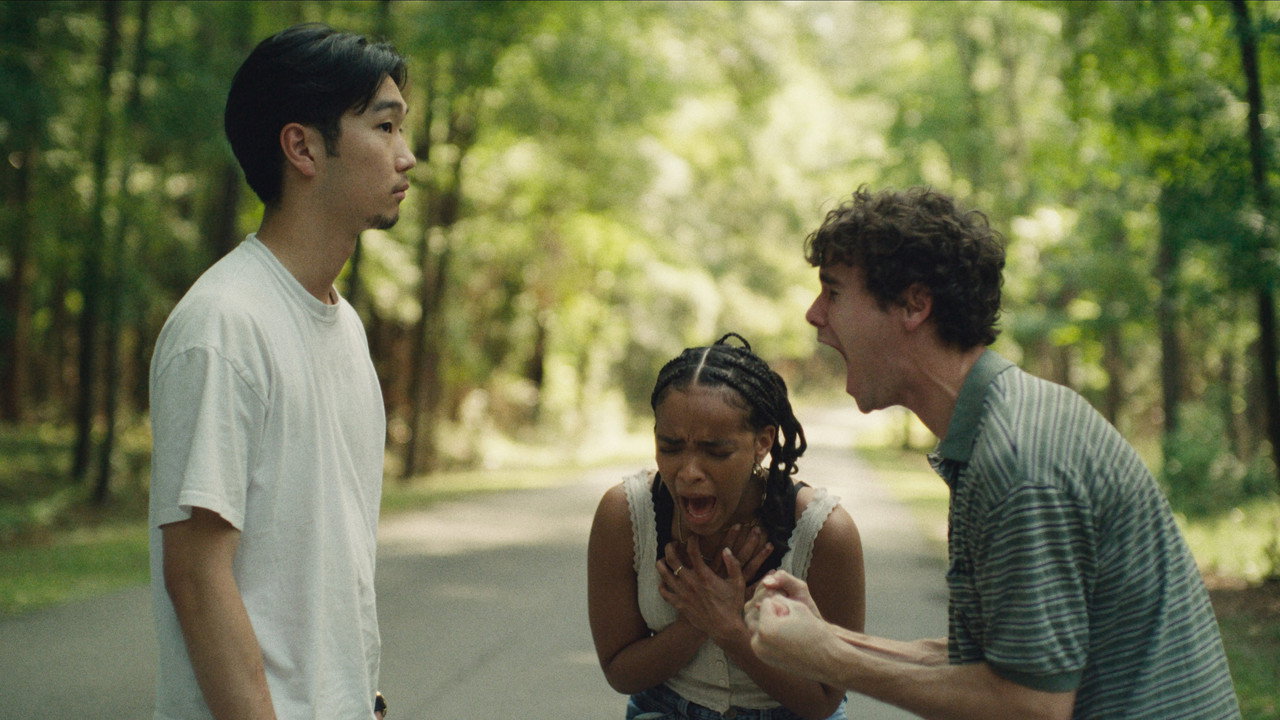
From there, It Ends pivots away from anything resembling a conventional slasher. There's no masked killer picking the group off one by one, no ticking clock counting down to a rescue. Instead the film settles into what ScreenRant's review calls a psychological and existential survival story — the horror isn't a monster with a face, it's the accumulating weight of being trapped somewhere with no rules that make sense and no way to reason your way out.
Alexander Ullom's Debut, and a Cast Built to Carry It
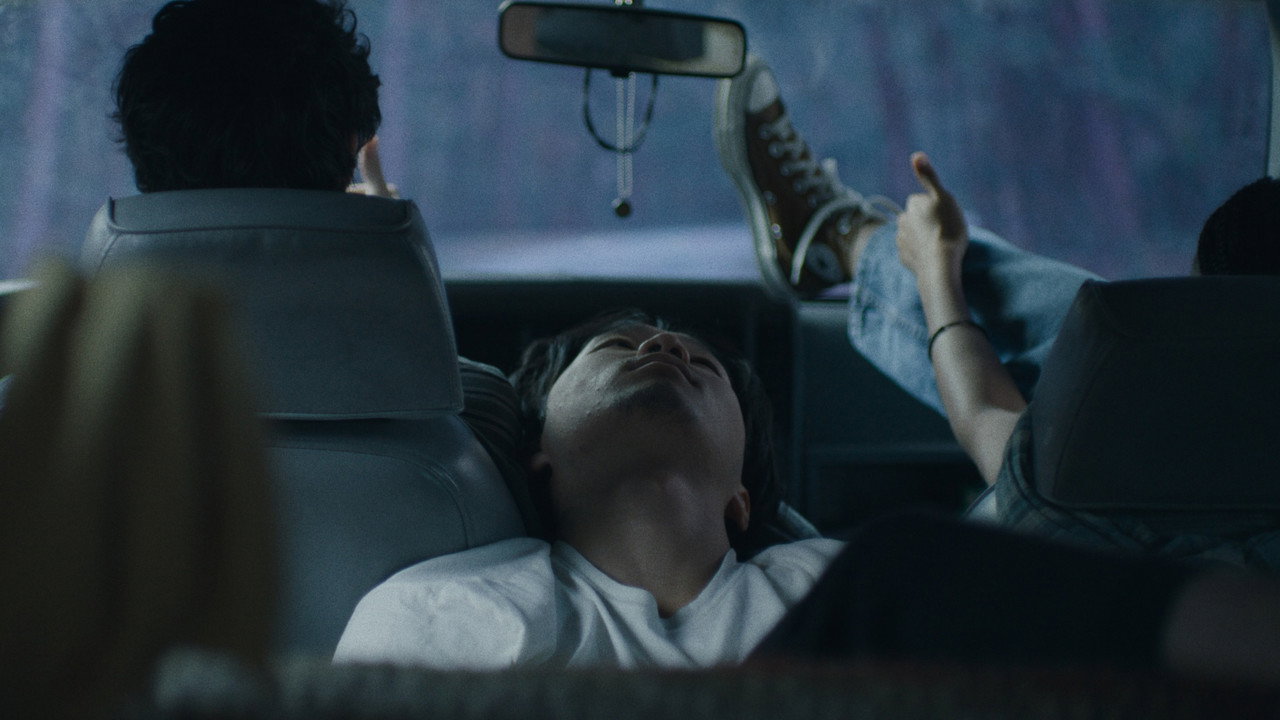
Making a film that's essentially four people and a car for most of its runtime is a specific kind of directorial challenge, and it's notable that Ullom is doing it as his first feature. According to ScreenRant, the cast is led by Phinehas Yoon as James, Akira Jackson as Day, Noah Toth as Fisher, and Mitchell Cole as Tyler — four actors who spend the bulk of the film confined to a Jeep, working almost entirely off each other's reactions rather than external set pieces.
That's a real gamble for a debut director. There's nowhere to hide a weak performance or a flat line reading when the camera has nothing else to cut away to. Going by the critical reception, it's a gamble that paid off — reviewers consistently single out the ensemble's chemistry and the way the film uses the claustrophobia of the car itself as a pressure cooker for the characters' relationships, rather than treating the vehicle as just a container to move bodies from one scare to the next.
The Numbers: A 92% Critic Score Against a 47% Audience Score
Here's where things get genuinely interesting. As of this writing, It Ends holds a 92% Tomatometer score on Rotten Tomatoes from 105 critic reviews — a strong number by any measure, and one that's moved slightly since the film's early notices, when CBR reported the score sitting closer to the mid-90s before more reviews rolled in and settled it a few points lower. That's a normal pattern for a film that opens narrow and picks up additional critic coverage over its first couple of weeks; a 92% from 105 reviews is, if anything, a more stable and meaningful number than the smaller early sample was.
The audience side tells a completely different story. The Popcornmeter score, drawn from more than 100 user ratings, sits at just 47% — a full 45 points below where critics landed. That's not a small gap. It's the kind of split that usually means a film is doing something formally unusual enough that it's rewarding critics who go in prepared to meet it on its own terms, while alienating a chunk of the general audience expecting something more conventional from the marketing.
What Critics Are Actually Praising
The critical response, as aggregated by CBR, leans enthusiastic in a way that goes beyond polite positivity. Peter Travers called it a film "you have to see right now." James Preston Poole described it as "one of the most terrifying and wildly original" entries in recent horror. BJ Colangelo wrote that the film "reveals itself to be something far more interesting" than its trailer suggests. CBR's own critic, Joshua M. Patton, called it "indie movie perfection" and said it's "the kind of film that becomes more rewarding with repeated viewings" — a specific kind of praise that tends to apply to films built around ideas and mood rather than scares you can only experience once.
ScreenRant's review lands at 8/10, calling It Ends "an impressively effective horror movie that trades big scares for deeply effective existential terror," and drawing a comparison to "a feature-length episode of The Twilight Zone." That comparison is doing a lot of work — it places the film in a tradition of genre storytelling built around a single unsettling premise pushed to its logical, often bleak conclusion, rather than a franchise-ready horror property with a mythology to expand.
The Existential Case: Twilight Zone, Kafka, and Beckett
The Twilight Zone comparison isn't the only one critics have reached for, and the range of references is itself telling. RogerEbert.com's review carries the headline "It Ends review: Kafkaesque road horror offers slow-burn existential scares" — a framing that backs up the same reading ScreenRant lands on, even without getting into the specifics of that review's full argument.
Slashfilm's review, also landing at 8/10, goes somewhere more unexpected. Rather than reaching for the usual liminal-space horror touchstones — something like Backrooms, the internet-born aesthetic of endless, wrong-feeling architecture that's become genre shorthand over the past few years — Slashfilm instead compares It Ends to Samuel Beckett's Waiting for Godot. The review frames the film's themes as a piece of generational commentary, arguing that It Ends is really about how current generations are forced to survive on nostalgia rather than genuine new experience, trapped in a kind of stasis they didn't choose and can't logic their way out of. That's a specific and unusual read for a horror film opening in wide theatrical release, and it lines up with why so many critics keep reaching past standard horror vocabulary to describe what the film is doing. A story about young people stuck on a road that never ends, unable to starve, unable to leave, forced to just keep going — it's not hard to see why a critic would read that as a metaphor rather than just a monster movie.
So Why Are Audiences Cooler On It
None of that critical enthusiasm requires audiences to agree, and the 47% Popcornmeter score suggests a real chunk of them don't. The most likely explanation, based on how the film has been described across every review sourced here, is a mismatch between what It Ends is selling in its marketing and what it's actually delivering in the theater. A trailer built around screaming figures emerging from the trees and a car trapped on an endless road promises something closer to a conventional creature-feature or slasher. What audiences are getting instead, according to ScreenRant's own framing, trades big scares for existential dread — a slower, more contemplative kind of horror that measures its tension in mood and implication rather than jump scares and body count.
That's exactly the kind of gap that tends to produce a critic-audience split this wide. Critics, especially ones writing for outlets that cover a high volume of horror, tend to reward formal ambition and a genuinely new angle on familiar material — which is precisely what the Twilight Zone and Godot comparisons are picking up on. General audiences buying a ticket off a horror trailer are often looking for a more visceral, immediate payoff, and a film that spends its 89 minutes on psychological attrition rather than escalating kills can read as slow or unsatisfying to that expectation, even when it's doing exactly what it set out to do. It's worth noting that IndieWire's review, going only by its headline — "A Promising but Underdeveloped Indie Horror Movie" — suggests at least some critics share a version of that audience hesitation, even if the site's fuller argument isn't available here to unpack further.
An Odd Distribution Wrinkle
One detail that stands out from ScreenRant's review is a genuinely unusual quirk in how It Ends reached viewers. According to the outlet, the film had a brief window of rental availability on Letterboxd before its theatrical release proper — a distribution move that's uncommon for a film NEON was still rolling out to theaters. It's a small footnote in the film's release story, but it's worth flagging, because early access windows like that can shape a film's initial audience reviews in ways a purely theatrical release wouldn't. Viewers who caught it early through that rental window, potentially expecting something closer to a straightforward streaming horror pickup, may be part of why the Popcornmeter numbers arrived skewed lower before the broader theatrical audience had much of a chance to weigh in.
The Verdict
It Ends is a genuinely strong debut for Alexander Ullom, and the critical consensus backing that up — a 92% Tomatometer score built on reviews from outlets ranging from CBR to ScreenRant to RogerEbert.com — is hard to argue with on the film's own terms. This is a horror movie more interested in the dread of being trapped somewhere with no rules than in racking up a kill count, and it earns comparisons to The Twilight Zone and, per Slashfilm, even Beckett, rather than the usual liminal-horror internet aesthetic. Where it runs into trouble is the same place a lot of genuinely ambitious genre films do: a wide theatrical release sells a broader, more conventional audience on a premise the film itself has no interest in delivering conventionally. If you go in expecting existential dread over jump scares, It Ends is one of the more original horror films of the year. If you go in expecting the trailer's screaming-figures-in-the-trees version of the movie, the 47% audience score suggests you might walk out wanting something closer to a straight line.
With NEON backing a limited theatrical release and no franchise ambitions attached, It Ends' path forward likely runs through word of mouth and streaming discovery rather than a sequel — the real story to watch is whether the audience score climbs as horror fans who prize atmosphere over jump scares catch up with it.