The End of Oak Street Review — Amblin Nostalgia With Teeth
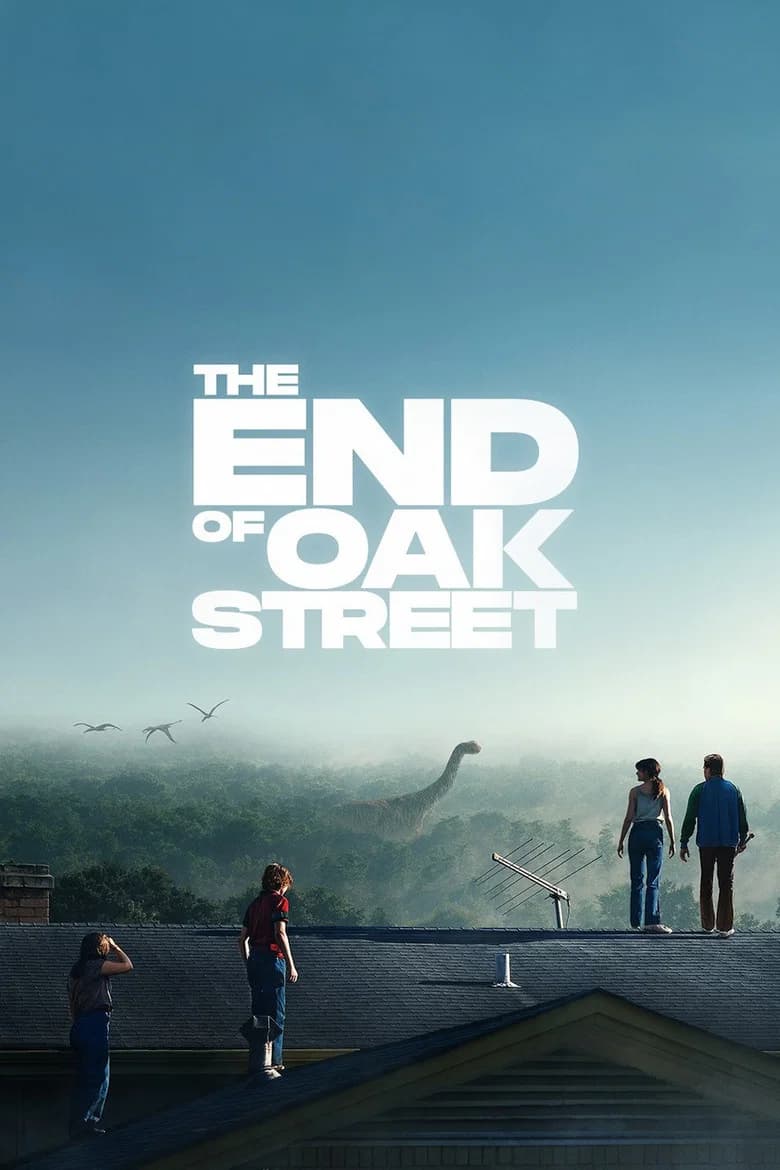
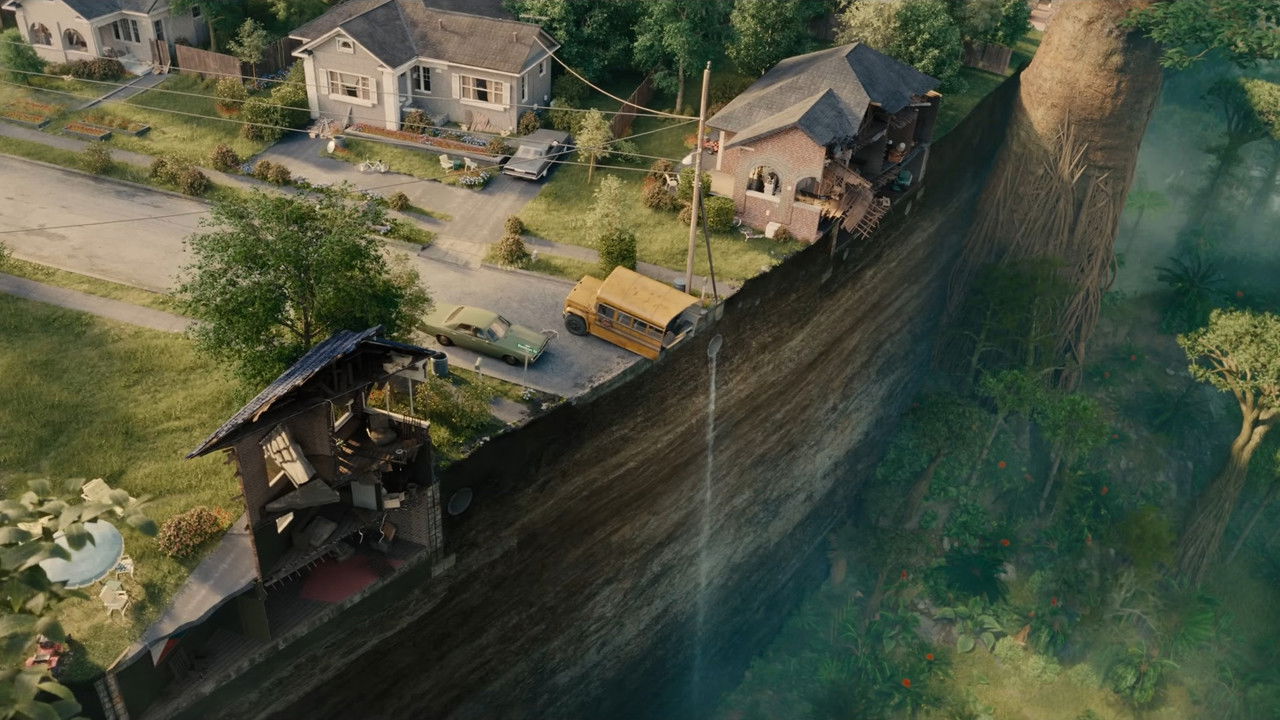
A suburban Michigan cul-de-sac gets ripped out of 1982 and dropped into the Mesozoic era. That's the premise of The End of Oak Street, and it sounds like the kind of high-concept pitch that could go embarrassingly wrong in either direction — too goofy to take seriously, or too self-serious to have any fun with dinosaurs eating station wagons. Critics landing on it in mid-August 2026 are mostly reporting that writer-director David Robert Mitchell threaded that needle, and did it by leaning into meanness rather than wonder.
What the film actually is
According to Wikipedia, The End of Oak Street comes from David Robert Mitchell, the filmmaker behind It Follows and Under the Silver Lake — two movies with very different reputations but a shared willingness to let dread sit uncomfortably next to Americana. The plot follows a suburban family in Michigan during the summer of 1982 whose neighborhood is suddenly uprooted by a mysterious cosmic event and transported to the age of dinosaurs. Survival, per the setup, depends on the family sticking together, and recurring wormholes scattered around the displaced neighborhood offer a possible way back home — assuming anyone can reach one before something with teeth reaches them first.
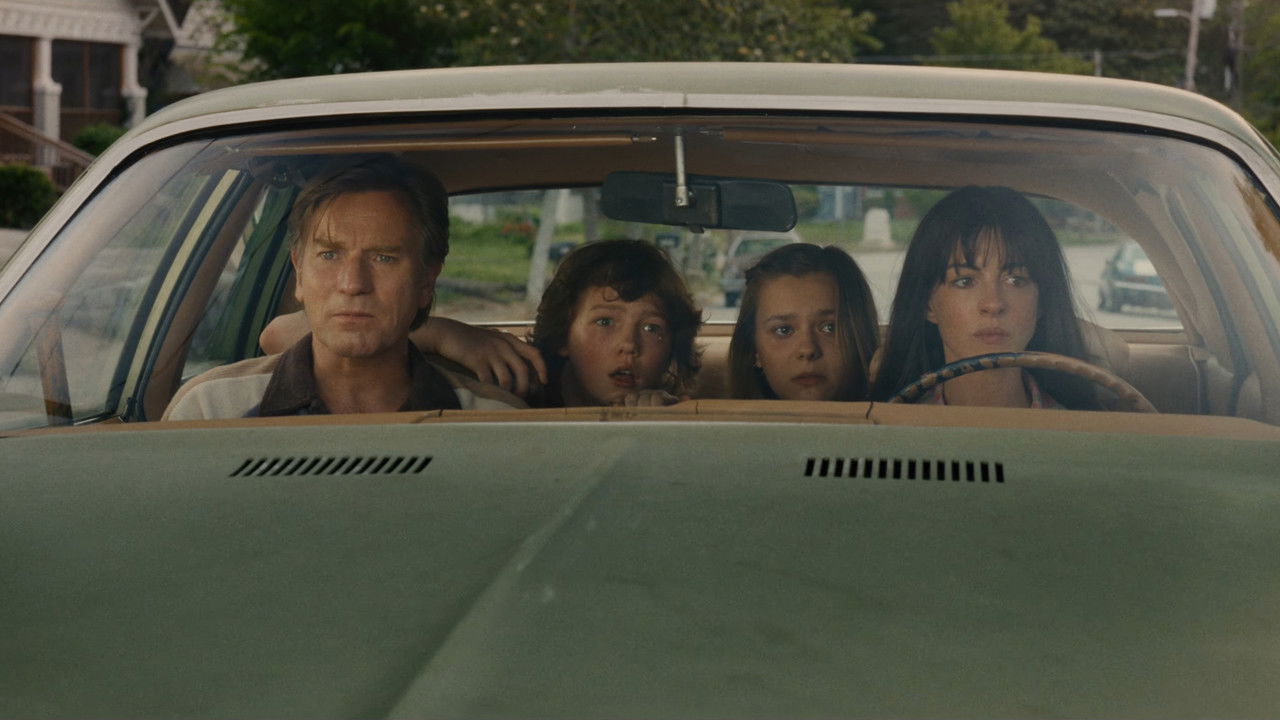
Anne Hathaway plays Denise Platt, an aspiring novelist, and Ewan McGregor plays her husband Greg, a pizza delivery driver. Maisy Stella and Christian Convery round out the family as daughter Audrey and son Brian. Wikipedia's cast breakdown also notes visible marital tension between Denise and Greg that the kids pick up on well before any dinosaur shows up — which, going by the reviews below, turns out to be more load-bearing to the film's tone than the premise alone would suggest.
The production behind it
The End of Oak Street was produced under J.J. Abrams' Bad Robot banner, alongside Hannah Minghella, Jon Cohen, Matt Jackson, Tommy Harper, and Mitchell himself, according to Wikipedia. That's a pedigree worth noting on its own: Abrams' name attached to a family-in-peril genre film immediately invites Amblin comparisons before a single frame screens, given his own history remixing Spielbergian sensibilities in things like Super 8. Wikipedia lists the budget at roughly $80 to $92 million, with filming taking place between March 22 and June 4, 2024, across London and Atlanta. Warner Bros. Pictures released the film theatrically, with a premiere on August 9, 2026, followed by a wide release on August 14, 2026.
That's a two-year gap between wrap and release, which isn't unusual for an effects-heavy studio picture navigating post-production, but it does mean the film had a fairly long runway before landing in the middle of a crowded late-summer 2026 slate.
The scores, and why they're a snapshot
As of the most recent tracking in mid-to-late August 2026, The End of Oak Street sits at 86% on Rotten Tomatoes from 302 critics — a strong number for a genre film built around a premise this pulpy. Rotten Tomatoes' critics consensus credits the film for tapping "into the primal pleasures of the classic creature feature" with "a light touch and a sharp bite," which is about as tidy a summary of the film's appeal as any single review manages on its own.
Metacritic's aggregate is more modest at 69 out of 100 from 52 critics — a gap between the two aggregators that's common enough for genre fare, where Rotten Tomatoes' binary fresh/rotten system tends to reward films that clear a "worth seeing" bar more generously than Metacritic's weighted average of individual scores. CinemaScore, which measures average opening-weekend audience reaction rather than critical opinion, gave the film a B — solid, not spectacular, and roughly what you'd expect from a movie that's clearly not trying to be a crowd-pleasing comfort watch.
Worth flagging up front: box office tracking as of this writing puts the film at approximately $89 million worldwide, split roughly $40 million domestic and $49 million international. That number is a snapshot as of mid-to-late August 2026, not a final tally, and it will almost certainly be out of date by the time this posts. Wide releases keep accumulating for weeks, and international rollout in particular tends to stagger by market, so treat that figure as a marker of where things stood at one moment rather than the film's ultimate financial verdict.
The Jurassic Park comparisons, and why they keep coming up
It would be strange to make a movie about a suburban family cornered by dinosaurs and not invite Jurassic Park comparisons, and several outlets are leaning into that framing directly. Time, Awards Radar, and CinemaBlend have all compared The End of Oak Street favorably to Spielberg's 1993 film, with some going as far as calling it the best dinosaur movie made since. That's a significant claim for any film to earn, given how thoroughly Jurassic Park has calcified into the genre's reference point over three decades and multiple sequels and spinoffs that mostly failed to recapture its specific balance of awe and menace.
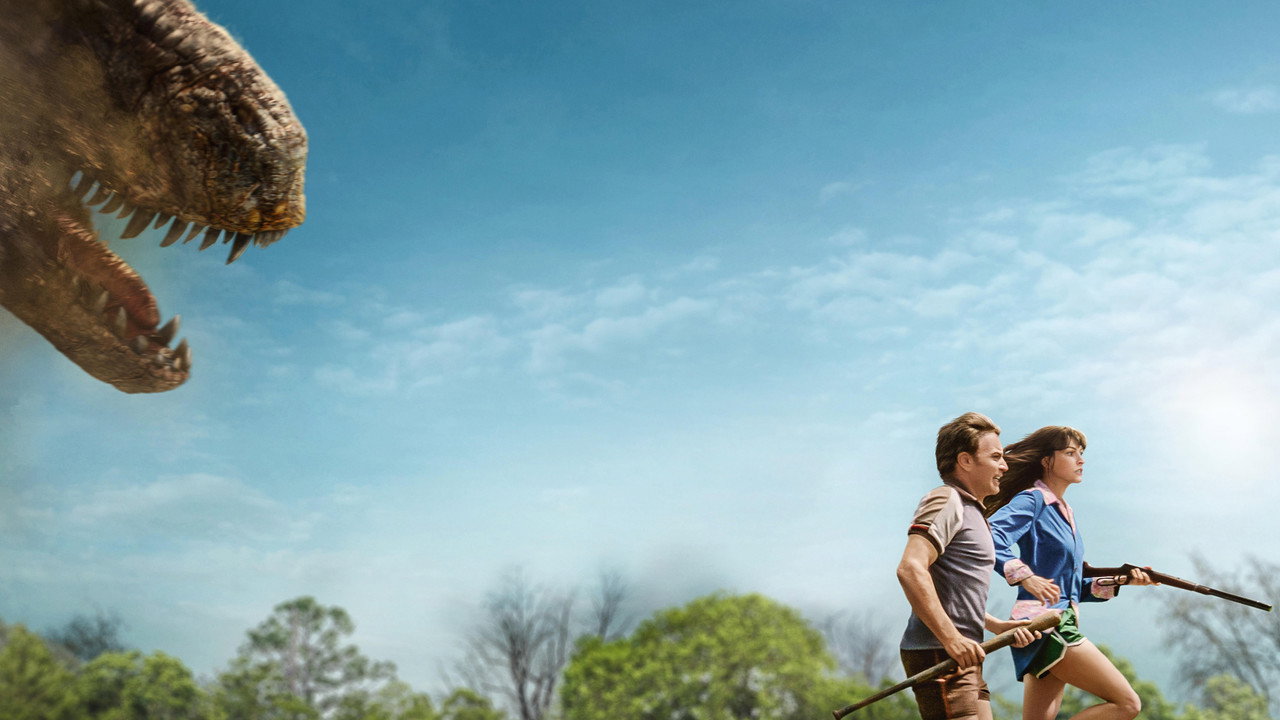
But the comparisons aren't uniform in what they're praising. AV Club's review takes a more pointed angle, with a headline arguing the film "trades Jurassic awe for Amblin meanness" — a distinction worth sitting with. Jurassic Park built its most memorable sequences around wonder curdling into terror; the T. rex reveal works because the film spends real time letting you marvel at the animal before it becomes a threat. AV Club's framing suggests The End of Oak Street skips straight past the wonder and goes for something colder and more openly hostile toward its characters — closer to the tonal register of an '80s Amblin production if that production had been directed by someone with Mitchell's history of turning suburbia into a source of dread rather than comfort.
What "Amblin meanness" actually means here
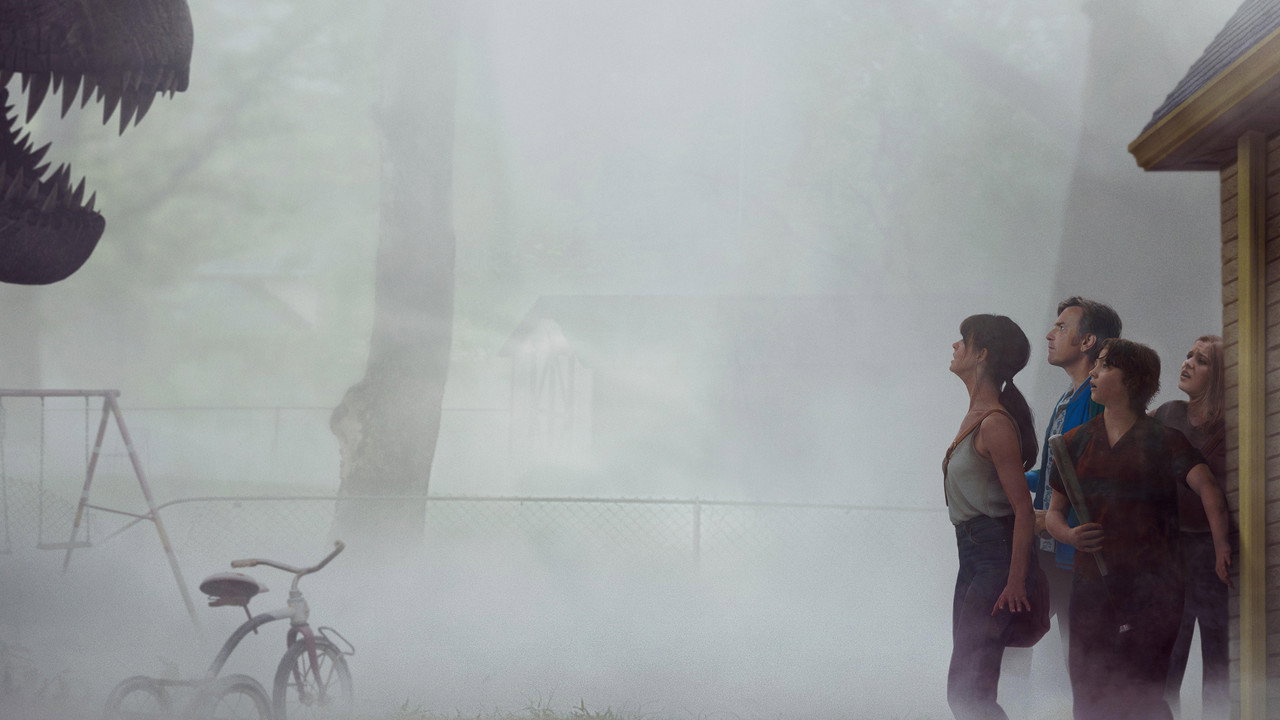
Mitchell's prior work is useful context for that distinction. It Follows took a familiar teen-horror premise and stripped out almost all of its genre comfort, leaving something bleaker and more formally rigorous than the slasher template usually allows. Under the Silver Lake did something similar to noir-mystery conventions, refusing easy answers and undercutting its own protagonist's charm at every turn. A director with that track record making a dinosaur-family film was always going to filter '80s Amblin nostalgia through a less forgiving lens, and the critical consensus so far suggests that's exactly what happened — a movie that looks and moves like the kind of film Spielberg's contemporaries were making in 1982, the same year the story is set, but with a meaner streak running underneath the period detail.
The reviews outlet by outlet
CinemaBlend reports that IndieWire's David Ehrlich gave the film an A-, calling it "the biggest surprise of the summer" and describing it as a "crowd-pleasing but winkingly mean-spirited Amblin homage." That's a notable endorsement given Ehrlich's reputation as one of the more demanding voices in film criticism, and the specific phrasing — crowd-pleasing but mean-spirited — lines up closely with AV Club's own framing of the film trading warmth for bite.
Deadline and The Hollywood Reporter both reviewed the film as well, though their full review text wasn't accessible for this piece; their headlines alone suggest broadly positive coverage consistent with the aggregate scores, without specific quotes to draw from beyond that. Fox News ran a headline characterizing the film as "surprisingly fun," which tracks with the general critical mood even if the specific review content behind that headline isn't quoted here.
Taken together, the reviewing outlets that have weighed in with specific, citable praise — Rotten Tomatoes' consensus, AV Club, Time, Awards Radar, CinemaBlend, and IndieWire via CinemaBlend — paint a consistent picture: a film that earns its genre thrills honestly, doesn't oversell its emotional beats, and benefits enormously from being directed by someone who understands how to make a family unit feel genuinely fragile before the dinosaurs even show up.
Performances carrying the tonal shift
None of the specific critical language sourced here breaks down performance-by-performance detail for Hathaway, McGregor, Stella, or Convery individually, but the film's setup does a lot of work to make the family dynamic matter before the survival plot kicks in. A pizza delivery driver and an aspiring novelist stuck in a marriage with visible cracks is a much smaller, more grounded starting point than the premise's sci-fi hook suggests, and it's the kind of detail that usually explains why critics are responding to the film's "meanness" as a feature rather than a flaw — the dinosaurs are dangerous, but the reviews suggest the family's own dysfunction is treated as something worth taking seriously too, not just as backstory to rush past on the way to the action.
Where this leaves the film
The End of Oak Street is shaping up as one of the more interesting late-summer 2026 studio releases specifically because it isn't trying to be pure comfort food. A genre premise this overtly nostalgic could have coasted on Amblin signifiers alone, but the critical consensus so far credits Mitchell for using that nostalgia as a setup rather than a destination — inviting audiences in with a familiar shape and then pulling the tone somewhere colder and sharper than the marketing might suggest. With an 86% on Rotten Tomatoes, a more middling 69 on Metacritic, and a B CinemaScore that suggests audiences liked it without loving it unconditionally, the film looks less like a runaway sensation and more like a well-reviewed genre picture that will need strong word-of-mouth over the coming weeks to turn its current $89 million worldwide tally into something closer to a genuine hit. Whether that happens is still an open question as of this writing, and it's one worth revisiting once the box office numbers have had more time to settle.
Box office tracking is still a snapshot as of late August, and word-of-mouth plus international rollout will decide whether this becomes a genuine sleeper hit or a respectable-but-quiet summer entry.