The Weight Review: Hawke and Crowe's Gold-Smuggling Thriller Joins the Sorcerer Lineage
This review discusses the film's tone and a specific criticism of its finale, including a music cue used near the ending, without detailing the full climax beat by beat.
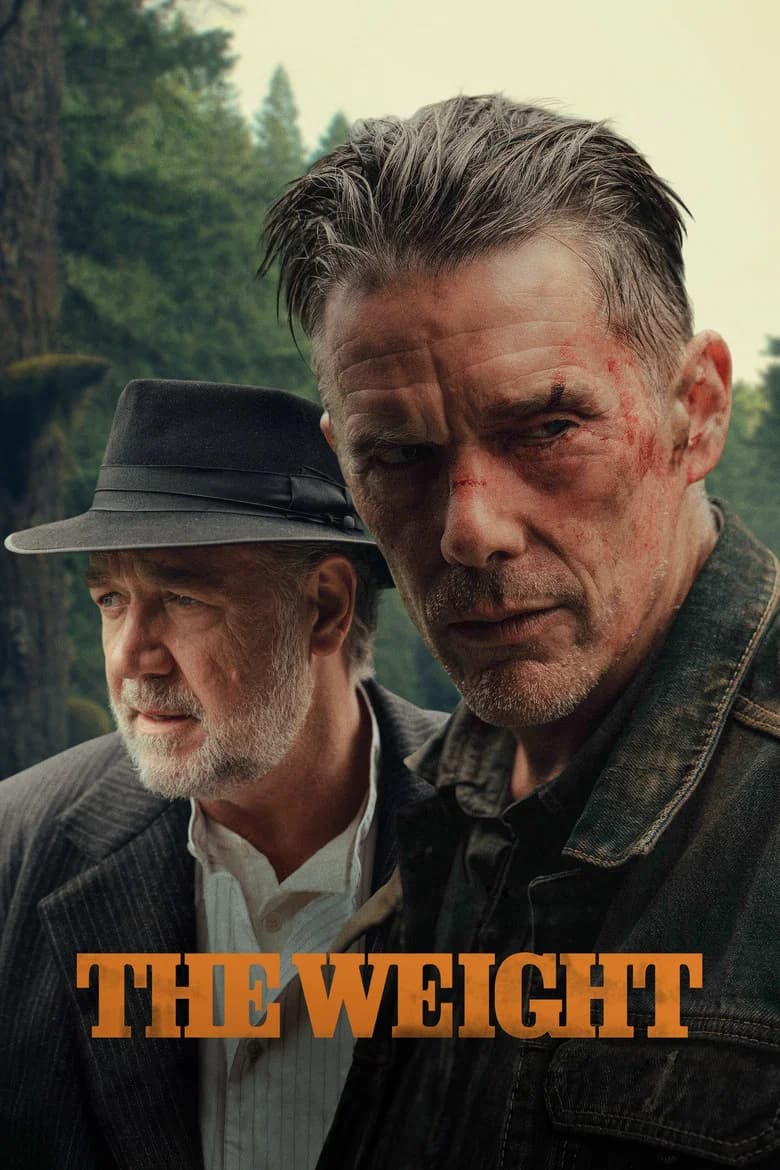
The Weight expanded into wide theatrical release today, September 18, 2026, after a limited run that began September 11, and it's carrying real critical momentum into that expansion. The premise sounds almost deliberately unglamorous: four prisoners hauling stolen gold bars a hundred miles through Depression-era forest terrain, racing a six-day deadline set by the man who put them there. That stripped-down setup is exactly the point. It's the kind of premise built for a very specific lineage of thriller — the load of unstable cargo, the hostile terrain, the clock running out — and critics have been quick to name-check the film that lineage runs through: William Friedkin's Sorcerer.
The Premise: A Six-Day Deadline and Stolen Gold
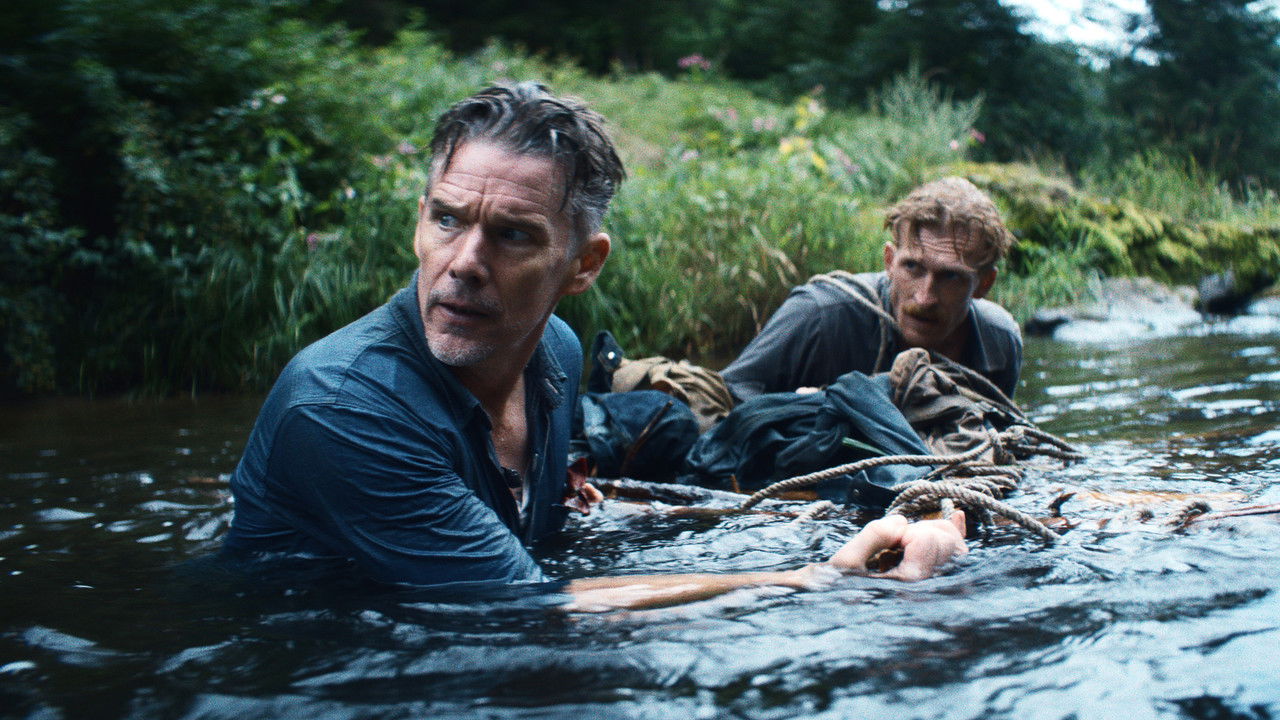
Set in Eugene, Oregon in 1933, The Weight follows Samuel Murphy (Ethan Hawke), an unemployed widower who's been separated from his young daughter after being sent to a prison labor camp. According to the film's plot as described on Wikipedia, the corrupt Warden Clancy, played by Russell Crowe, offers Murphy and three fellow inmates a deal: smuggle a haul of stolen gold bars roughly a hundred miles through Pacific Northwest forest, and they walk free in six days. It's a premise that works almost entirely on pressure — the gold is heavy, the terrain is unforgiving, the men hauling it don't trust each other or the warden who sent them, and the clock never stops.
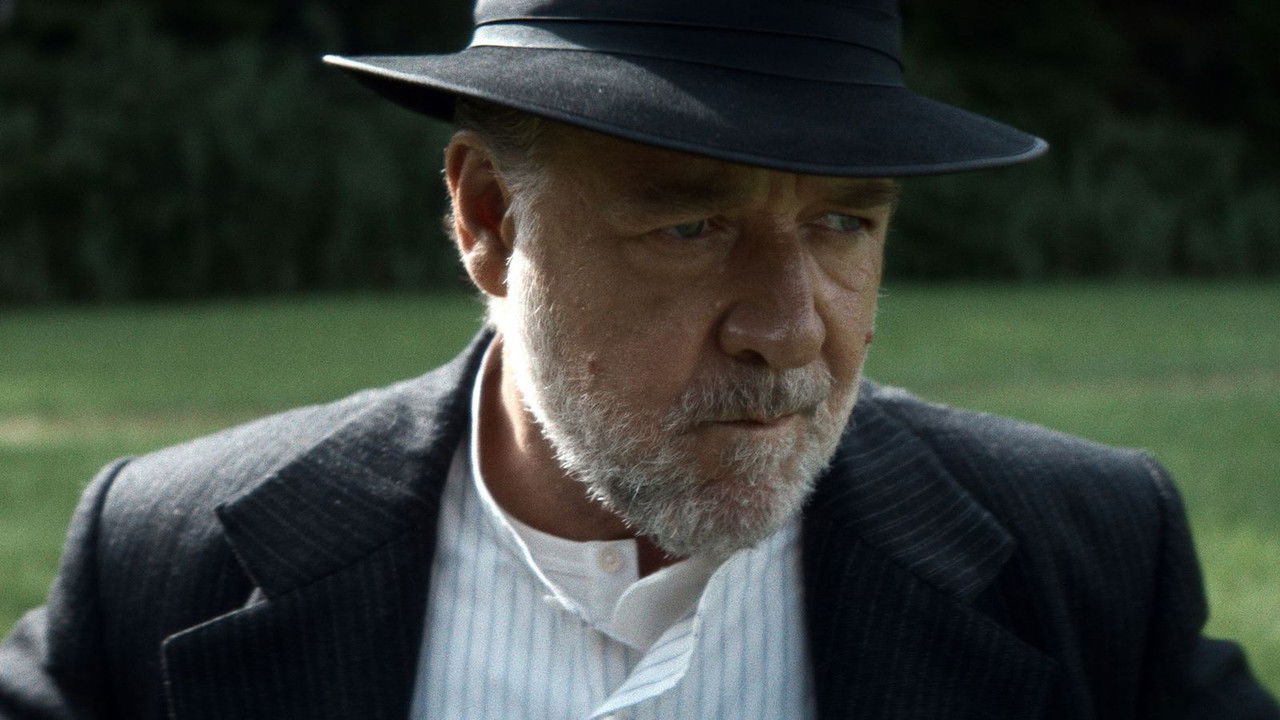
That's a familiar shape if you've seen enough survival thrillers, and The Weight doesn't pretend otherwise. What it's betting on is that the execution — the specific texture of the Depression-era setting, the cast, and the direction — can make a well-worn structure feel urgent again. Based on the reception so far, that bet is paying off.
The Cast Carrying the Load
Hawke and Crowe anchor the film, but the four-man crew hauling the gold is filled out by Austin Amelio as Rankin and Avi Nash as Singh, alongside Lucas Lynggaard Tønnesen, George Burgess, Cameron Brady, and Alec Newman in supporting roles, per Wikipedia's cast listing. Julia Jones plays Anna, and Sam Hazeldine and Avy Berry round out the ensemble. It's a cast built for a chamber piece disguised as an action film — recognizable enough to carry marketing weight, but assembled around the idea that most of the film's tension is going to come from a handful of men in close quarters, not from spectacle.
That distinction matters for how critics have described the film's rhythms. Allen Almachar, writing for The MacGuffin, put it plainly: "You can tell a film is working at a high level when a mere conversation is just as riveting as any shootout, car chase, or big explosion." That's a specific claim about where The Weight generates its tension — not from set pieces, but from the negotiations, threats, and quiet standoffs between men who are all, in one way or another, being coerced.
A Debut Director, Bavaria Standing in for Oregon
The Weight is director Padraic McKinley's feature debut, working from a screenplay by Matthew Booi and Shelby Gaines, based on a story credited to Booi, Leo Scherman, and Matthew Chapman. That's a first-time director taking on a genre that punishes clumsy pacing — a survival thriller with a hard deadline built into its premise lives or dies on whether the middle stretch actually feels like it's running out of time.
One detail that's easy to miss watching the finished film: none of it was actually shot in Oregon. According to Wikipedia, The Weight filmed in and around Viechtach, in Bavaria, Germany, during July 2025, with the region standing in for the Pacific Northwest forest the story is set in. That's not an unusual move for a mid-budget production chasing tax incentives and controllable weather, but it's a reminder that the "Pacific Northwest" audiences are watching is, geographically, somewhere else entirely — a testament to location scouting and cinematography doing enough work that critics reviewing the film haven't flagged it as a problem. The film runs 113 minutes and carries an R rating.
The Sorcerer and Wages of Fear Lineage
Here's the angle worth sitting with: multiple critics have explicitly placed The Weight in conversation with William Friedkin's Sorcerer (1977), itself a remake of Henri-Georges Clouzot's The Wages of Fear (1953). That's not a loose, feel-good comparison — it's a specific genre lineage built around one core idea: a small group of desperate men, coerced or bribed into an impossible job, moving something volatile through terrain that wants to kill them, with money or freedom as the only thing keeping them from turning on each other.
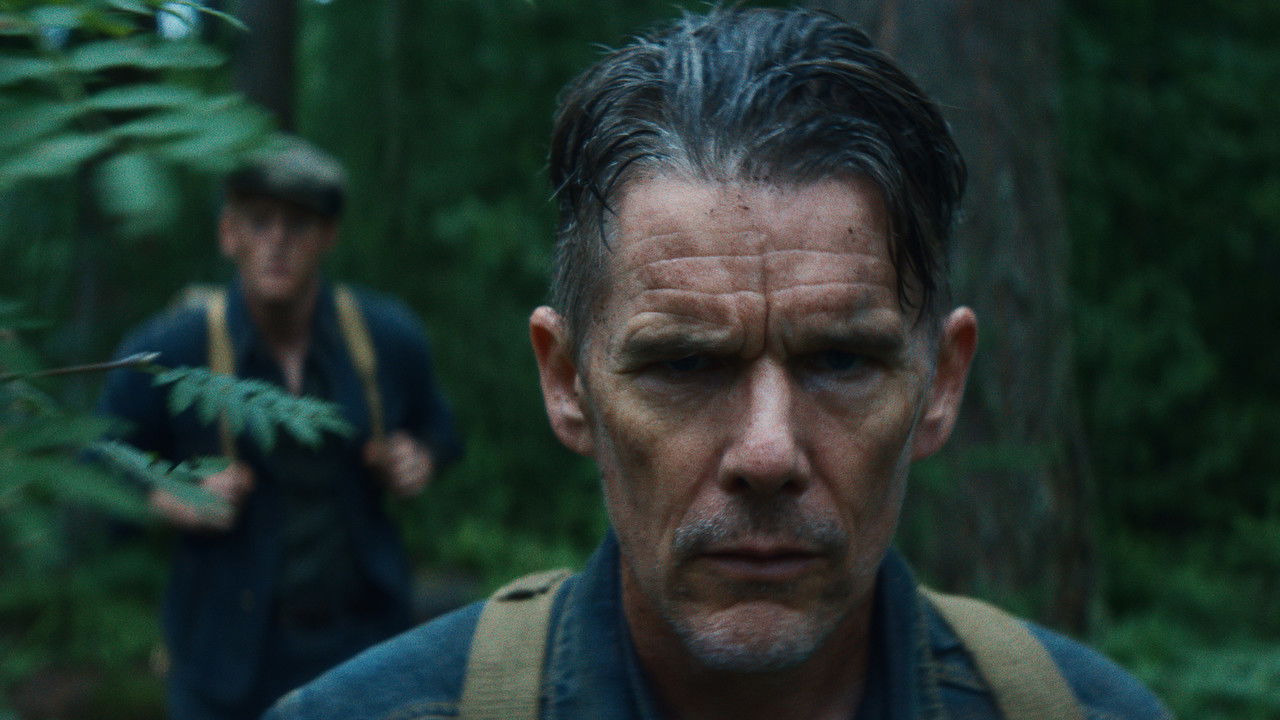
Sorcerer used nitroglycerin trucks on a collapsing jungle bridge. The Wages of Fear used the same volatile cargo decades earlier. The Weight swaps the explosive nitro for stolen gold and the jungle for old-growth Pacific Northwest forest, but the mechanics are the same: cargo that's dangerous less because of what it is and more because of who wants it, terrain that offers no easy way out, and a deadline that turns every decision into a gamble. Critics reaching for Sorcerer as a reference point aren't just praising a mood — they're identifying a structural inheritance. Mark Jackson, writing for the Epoch Times, captured a version of that same pressure in describing Hawke's performance: "Spitting gravel with every line reading, Hawke weathers the unrelenting march with an understated, yet commanding performance." That's a description that could just as easily apply to Roy Scheider trudging through Friedkin's jungle.
From Sundance to a Wide Release
The Weight premiered at the Sundance Film Festival in late January 2026 — sources differ slightly on the exact date, with some pointing to January 24 and others to January 26, though the film's Sundance debut itself isn't in dispute. From there it took the increasingly standard path for a well-reviewed festival title: a limited theatrical release starting September 11, 2026, followed by today's wide expansion on September 18. That kind of staged rollout is usually a sign a distributor is confident enough in word of mouth and critical response to let the film build an audience gradually rather than betting everything on one wide-release weekend, and the numbers so far suggest that confidence was earned.
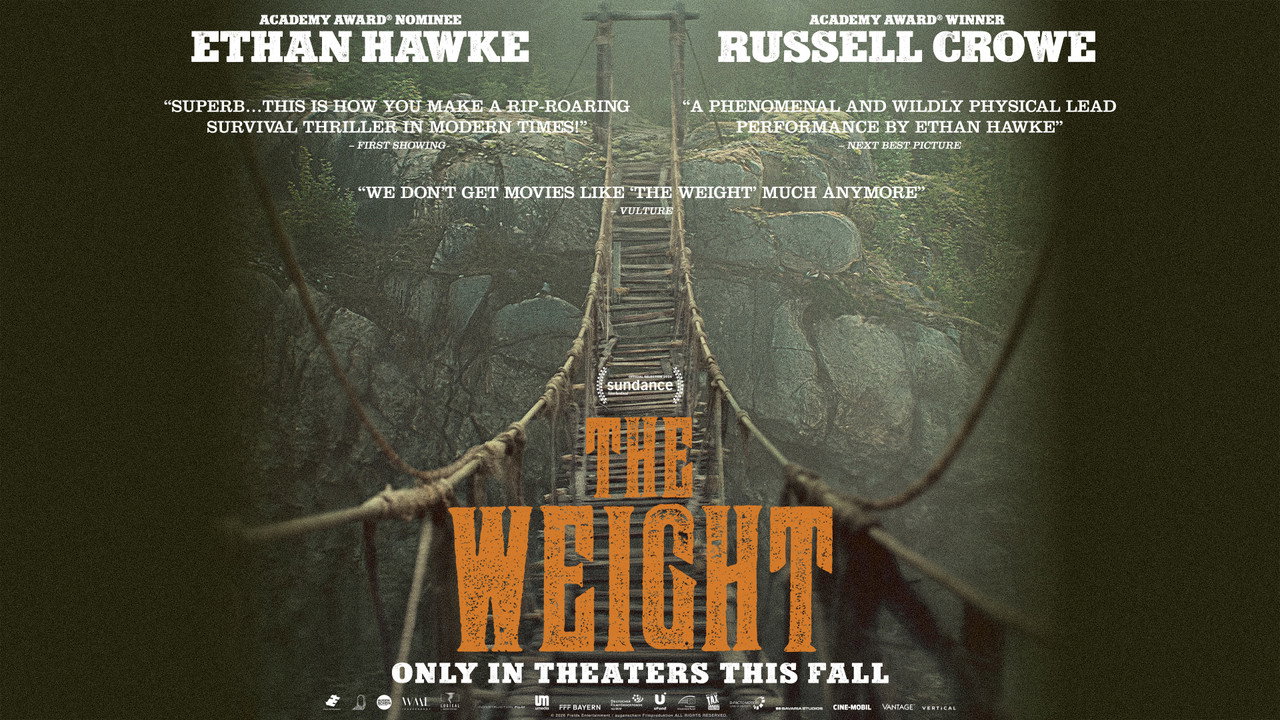
Critical Reception: Low-to-Mid 90s and Still Climbing
Rotten Tomatoes has shown the film sitting in the low-to-mid 90s percent range as its critic count keeps growing — different snapshots have put it at 93% from 61 critics and 92% from 77 critics, and the exact figure is less important than the trend, which is a score that's held strong even as more reviews get added to the pool. Metacritic's aggregate lands lower, in the 68-to-70-out-of-100 range, which Metacritic itself classifies as "generally favorable" — a reminder that Rotten Tomatoes' binary fresh-or-rotten system and Metacritic's weighted average don't always tell identical stories, even when critics broadly like a film.
Rotten Tomatoes' own critics consensus sums up the appeal directly: "The Weight turns a stripped-down tale of desperation into a gripping, hard-hitting thriller, elevated by Ethan Hawke's magnetic performance and Padraic McKinley's assured direction." Rachel Ho, writing for The Globe and Mail, framed the film's core strength in similar terms, calling it a film where "McKinley crafts a timeless film that prioritizes tight, compelling storytelling executed by a formidable cast." That word "timeless" is doing real work — for a genre exercise this indebted to films from 1953 and 1977, having critics describe it as timeless rather than derivative is close to the best outcome a lineage picture can hope for.
The One Recurring Complaint: That Finale Needle Drop
Not every review is unqualified praise, and the most specific pushback comes from Brian Eggert at Deep Focus Review, who gave the film 3 out of 4 stars and called it "a tense but beautifully shot Depression-Era yarn." Eggert's critique isn't about the film's structure or performances — it's about one choice near the ending. He flags an anachronistic rock-and-roll music cue used in the finale, arguing it "disrupts the film's otherwise high-pressure, melancholic tone." Eggert draws a direct comparison to a similar misstep in Michael Mann's Public Enemies, another period crime film that briefly reached outside its own era for a musical cue and, in his view, undercut the mood it had spent the whole runtime building.
It's a narrow complaint in the scope of an otherwise glowing critical picture, but it's worth taking seriously precisely because of how specific it is. A film built this carefully around period atmosphere and mounting dread is vulnerable to exactly this kind of single jarring choice at the finish line — a needle drop that reminds the audience they're watching a 2026 production rather than staying immersed in 1933 Oregon. Whether that reads as a minor stumble or a real dent in the film's closing impact will likely depend on how attuned any given viewer is to tonal continuity in a film's final stretch.
Where This Leaves McKinley's Debut
For a first-time feature director, landing in the low-to-mid 90s on Rotten Tomatoes with a growing critic count, a "generally favorable" Metacritic score, and a consensus that singles out both the lead performance and the direction is about as strong a launch as the genre allows. The Weight isn't reinventing the load-through-hostile-terrain thriller — it's not trying to. It's making the case that the shape Clouzot built and Friedkin refined still has room in it for a Depression-era gold run with Ethan Hawke gritting his way through six days he can't afford to lose. Almost every critic quoted so far agrees the tension holds. The only real argument left is over what happens in the final few minutes, and whether one loud, out-of-place song is enough to cost the film the mood it spent nearly two hours earning.
With reviews still climbing well into the low-to-mid 90s on Rotten Tomatoes as the wide release lands, expect The Weight to become a talking point in the fall awards conversation, particularly for Ethan Hawke's performance, even as some critics keep flagging that finale needle drop as its one real stumble.