By Any Means Review: A Mafia Hitman, a Black FBI Agent, and a Film Stuck Between Two Genres
This review discusses how By Any Means resolves its Klan investigation, including criticism of loose ends left at the film's ending, without detailing the full climax beat by beat.
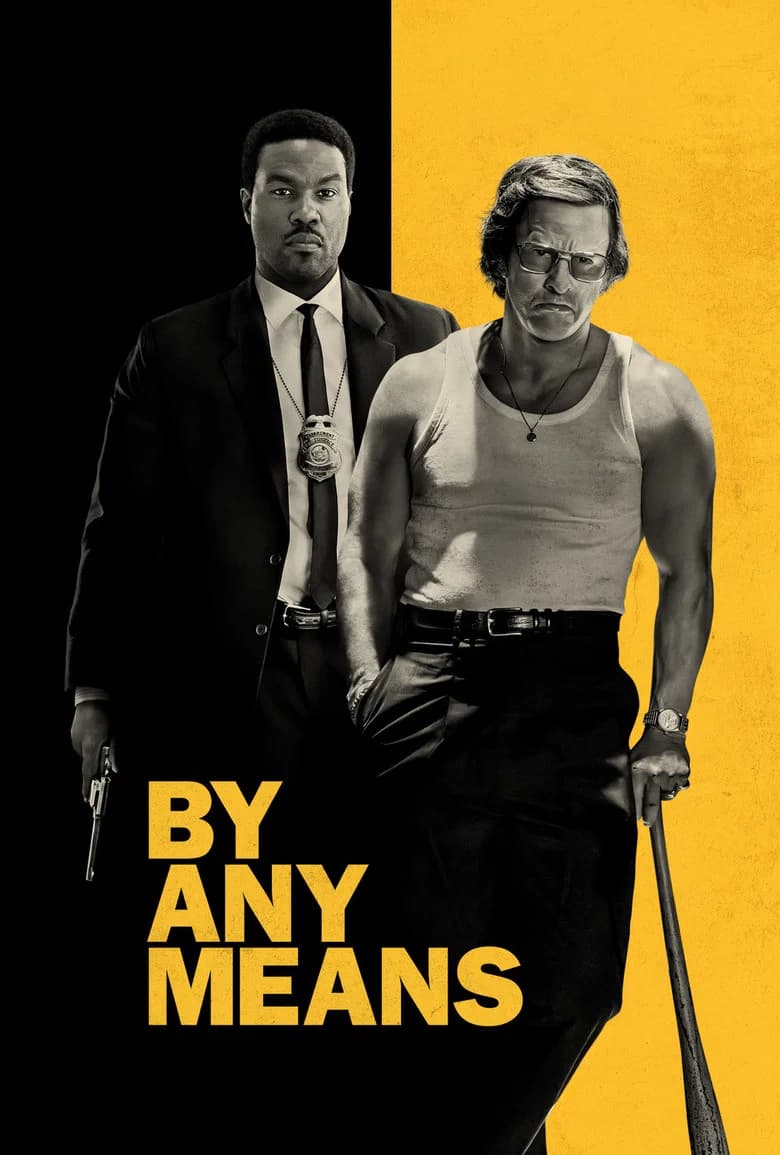
By Any Means opened wide on September 4, 2026, after premiering in Los Angeles three days earlier, and it arrives with a genuinely unusual pitch: a mafia hitman working as an FBI informant teams up with a young Black federal agent to hunt down the Klansmen who murdered a Mississippi civil rights leader in 1966. That's not a premise anyone invented for the trailer. Gregory Scarpa, the hitman played here by Mark Wahlberg, was a real Colombo crime family killer who really did inform for the FBI for decades, and Vernon Dahmer, the NAACP leader whose murder drives the plot, was a real man killed in a real Klan firebombing. Director Elegance Bratton built a 107-minute crime thriller on top of that history, and the results — a 47% Rotten Tomatoes score from 72 critics, an average rating of 5.5 out of 10, and a domestic box office run that hasn't cleared half its budget — suggest a film that never quite decided what kind of story it wanted to tell.
The Premise: True Crime Fused With Genre Fiction
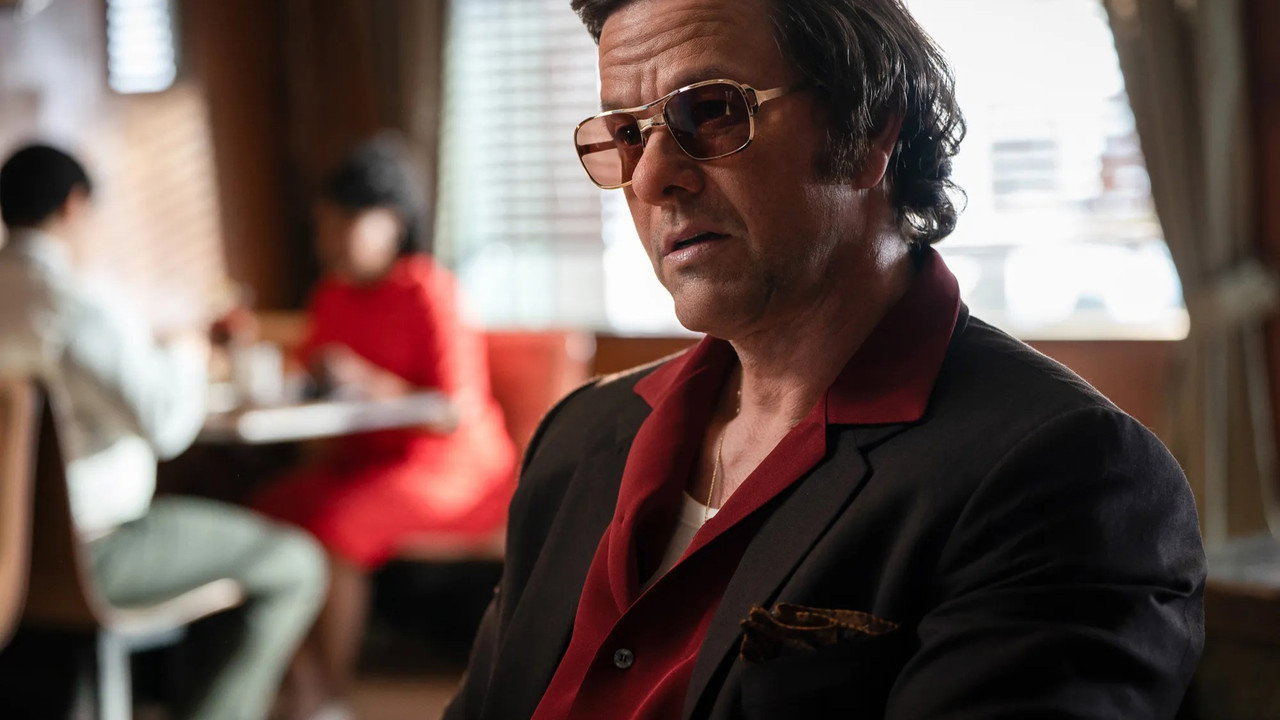
The plot centers on Wayne Strider, a young Black FBI agent played by Yahya Abdul-Mateen II, who's forced into an uneasy partnership with Scarpa (Wahlberg) to track down the Klan members responsible for killing Dahmer, played by Giancarlo Esposito. The historical anchor here is real: Dahmer, the president of the NAACP's Forrest County, Mississippi chapter, was killed in January 1966 when Klansmen firebombed his home after he publicly encouraged Black residents to register to vote and offered to pay their poll taxes himself. Scarpa's involvement in the actual FBI investigation into Mississippi Klan violence is also documented — he was a real informant whose mob connections made him a uniquely effective, uniquely compromised asset for the Bureau.
Strider, though, is not a real person. According to reporting on the film, the character is a fictionalized composite loosely inspired by real FBI agent Lindley DeVecchio, who worked with Scarpa for years as his handler. Bratton and screenwriter Sascha Penn built an entire second protagonist out of that loose inspiration, which is the hinge the whole movie turns on — and also, per the critical response, the place where the film's ambitions start pulling against each other. Grounding half the story in a documented murder and the other half in an invented partnership dynamic is a real tightrope, and the reviews suggest By Any Means doesn't fully stay on it.
A Late Casting Change: From Sterling K. Brown to Yahya Abdul-Mateen II
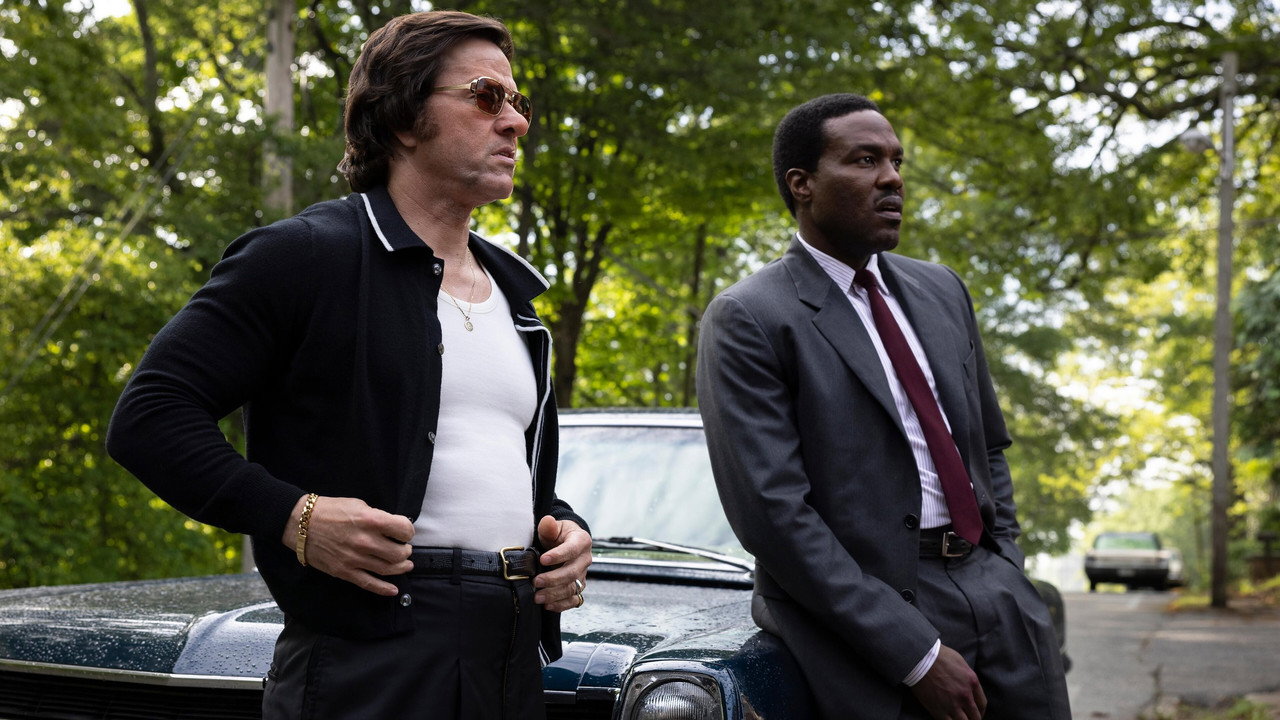
Abdul-Mateen II wasn't the original choice for Strider. Sterling K. Brown was attached to the role before dropping out in February 2025 due to scheduling conflicts, with Abdul-Mateen II stepping in to replace him. Recasting a lead role that late in pre-production is never a small adjustment — it typically means reworking chemistry reads, shifting shooting schedules, and in some cases adjusting a script that may have been shaped around a different actor's rhythms. Whatever friction that change caused behind the scenes doesn't appear to have hurt Abdul-Mateen II's actual performance; if anything, it's the one element of the film reviewers have agreed on without much qualification.
Behind the Camera: Bratton, Penn, and a $29 Million Bet
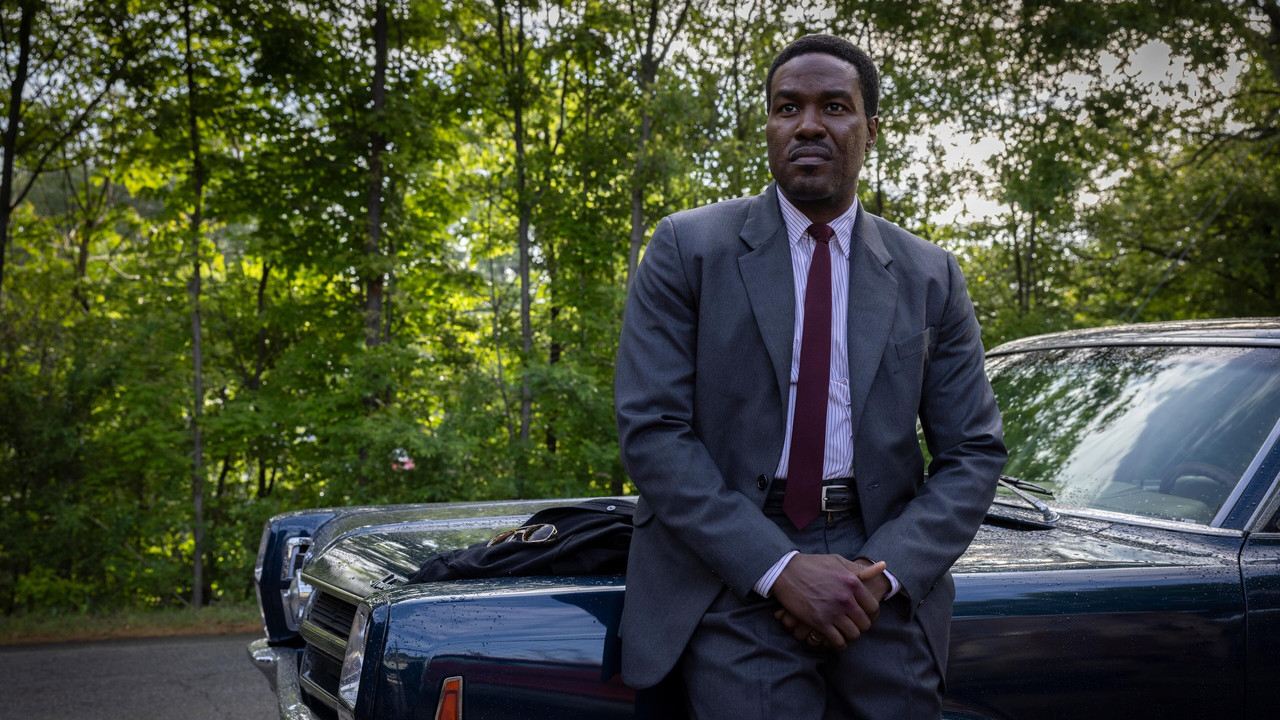
Elegance Bratton directs from a script by Sascha Penn, a notable pairing given Bratton's background. His previous work — the documentary Pier Kids and the acclaimed 2022 drama The Inspection — sits firmly in intimate, character-driven territory, not genre crime filmmaking. By Any Means is a considerably bigger swing in scale and subject matter, produced by Hammerstone Studios and Thunder Road Films on a $29 million budget, with Wahlberg himself among the producers. The film shot in Atlanta, Georgia between April and June 2025, standing in for 1960s Mississippi, and rounds out its cast with Nicole Beharie, Josh Lucas, and David Strathairn alongside Esposito.
A producer-star pairing like Wahlberg's is common enough in mid-budget crime thrillers, but it also raises the obvious question of whose interests shaped the finished film's balance between "cop thriller" and "civil rights drama" — a tension that ended up defining almost every review of the movie.
Critical Reception: Caught Between Two Movies
The clearest throughline across the reviews of By Any Means is that multiple outlets, independently, diagnosed the same structural problem. ScreenAnarchy, TheWrap, and The Hollywood Reporter each described a film pulled in opposite directions by its two halves — an exploitation-inflected revenge thriller on one side, a sober-eyed historical drama about American racial violence on the other — without fully committing to either. The framing that keeps recurring across that coverage is blunt: the film is too much of a cop thriller to work as a great serious drama, and too much of a serious drama to work as a great cop thriller.
That's a genuinely difficult balance to strike under the best circumstances, and pairing a real, documented act of racial terrorism with a buddy-thriller structure built around a mafia hitman raises the degree of difficulty considerably. Bratton's instincts as a filmmaker interested in specific, grounded human stories are reportedly still visible in the film's quieter stretches, but the genre mechanics of the Scarpa-Strider partnership — car chases, interrogations, the beats a studio crime thriller is expected to deliver — pull consistently against that register. The 47% Rotten Tomatoes score and 5.5 average rating reflect that split almost literally: not a consensus disaster, not a consensus success, but a genuinely divided response from critics who can't agree on which version of the film they were watching.
The Performance Divide: Abdul-Mateen II vs. "Angry Wahlberg"
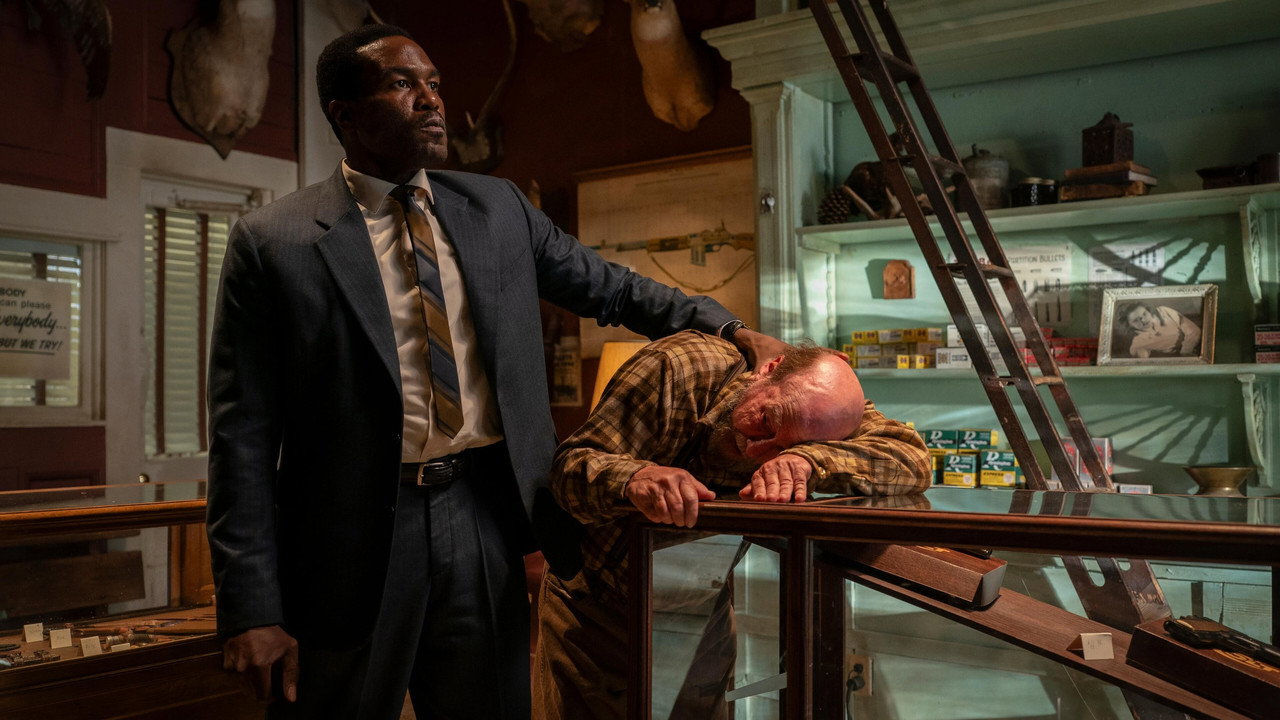
Where the reviews diverge from that shared structural critique is on the two lead performances, and here the split runs sharply in one direction. TheWrap's review singles out Abdul-Mateen II for delivering what it describes as "incredible insight and subtlety" as Wayne Strider — praise for an actor finding real interiority in a role that's fundamentally a historical composite rather than a documented person, which is its own kind of tightrope walk.
Wahlberg fares worse in the same review. TheWrap's critique is that he leans on his familiar "Angry Wahlberg" persona — the clenched-jaw, volatile tough-guy mode he's brought to films like The Departed and countless others since — rather than building out a fuller, more specific character for Scarpa. That's a notable gap in a film explicitly built around the tension between its two leads. If one half of a partnership thriller is doing genuinely subtle character work and the other is coasting on a well-worn persona, the imbalance shows, and it appears to be one of the more consistent complaints running through the film's reception.
Structural Problems: An Ending That Reads Like a Pilot
Beyond the tonal split, TheWrap's review flags a specific structural issue with how the film closes: several of the Klan antagonists the plot spends its runtime building up simply get dropped without resolution by the end. For a film built around hunting down the people responsible for Dahmer's murder, leaving that thread loose is a meaningful structural stumble — it undercuts the investigative payoff the genre framework has been promising for nearly two hours.
That same review goes further, describing the film's overall structure as reading more like a pilot episode for a longer story than a complete standalone film. That's a specific and pointed criticism, not a vague complaint about pacing — it suggests By Any Means may have been conceived, at some stage, with more room to breathe than a single 107-minute feature actually gives it. Whether that's a symptom of adapting sprawling true-crime material into a tight theatrical runtime, or simply a script that bit off more narrative than it could resolve, the effect described is the same: an ending that leaves the audience with dangling threads rather than a closed case.
Box Office: Underperforming Against a Modest Budget
None of that critical ambivalence has translated into box office momentum. By Any Means opened to roughly $7.5 million domestically on its opening weekend and has grossed about $14 million total against its $29 million budget as of this writing. That's not a catastrophic flop on the scale of some of 2026's more infamous wide-release bombs, but it's a soft result for a film with two recognizable leads, a based-on-true-events hook, and a director coming off real critical goodwill from The Inspection. A 47% Rotten Tomatoes score sitting at the exact midpoint between hit and miss tends to produce exactly this kind of muted commercial outcome — not bad enough to generate backlash-driven curiosity, not good enough to build the word-of-mouth momentum that carries a mid-budget crime thriller past its opening weekend.
Where This Leaves the Film
By Any Means is, in the end, a case study in how difficult it is to fuse documented historical atrocity with commercial genre storytelling without one side compromising the other. The real Vernon Dahmer and the real Gregory Scarpa give the film a weight and specificity most crime thrillers don't have access to, and Abdul-Mateen II's performance suggests there was a genuinely strong, more focused version of this story available somewhere in the material. But a script that fictionalizes its lead agent, leans on a well-worn star persona for its other lead, and apparently can't resolve its own villains by the credits was always going to struggle to satisfy critics looking for either a tight genre thriller or a serious historical drama. It ended up being neither, cleanly enough, to fully succeed as either — and the box office numbers suggest audiences picked up on that same uncertainty before they ever read a single review.
With a soft opening and a 47% critic score, By Any Means is unlikely to get a sequel despite its unresolved threads — its second life will almost certainly be on streaming, where the true-crime backstory may draw more curiosity than the theatrical run did.