The Runner Review: Gal Gadot's Amazon Thriller Is So Bad It's Basically Required Hate-Watching
This review discusses The Runner's premise and confirms that Marten ultimately tracks down and rescues her son, though it doesn't describe the final sequence beat by beat.
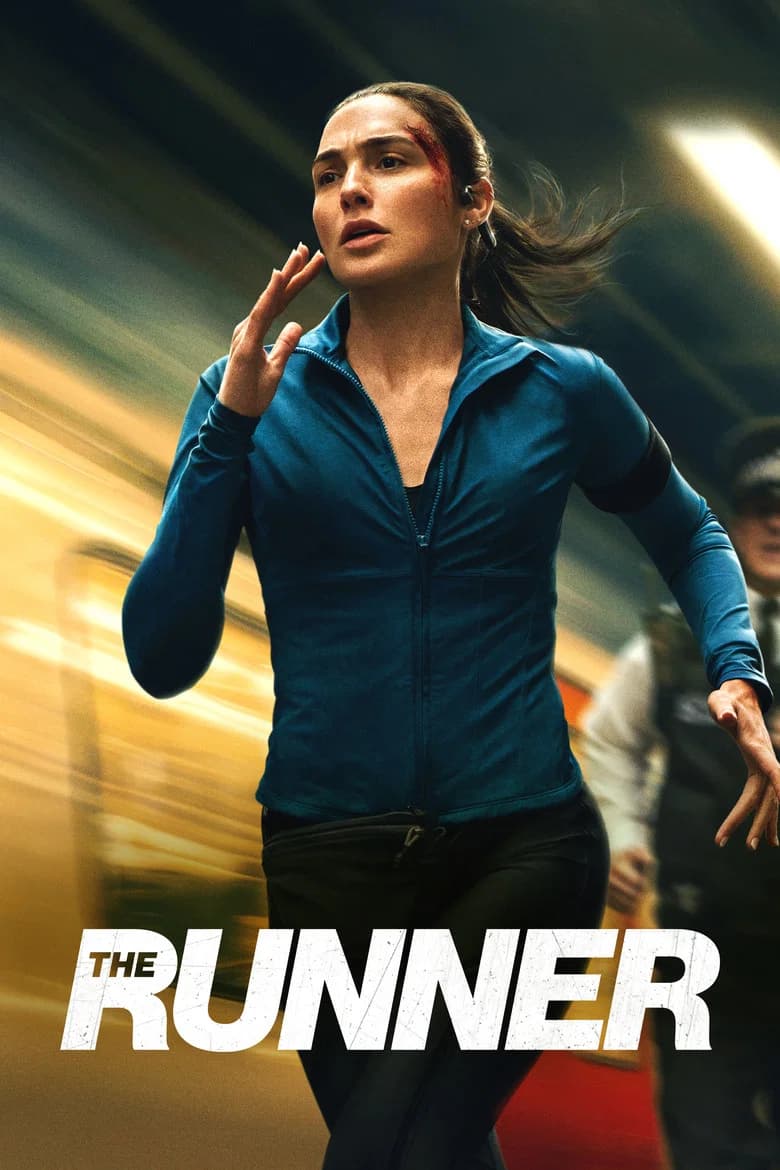
The Runner dropped on Amazon Prime Video on September 2, 2026, and within days it had accumulated one of the ugliest Rotten Tomatoes scores of any wide-release studio thriller this year. As of this writing, the film sits at 10% from 52 critic reviews, with an audience score of 31% from more than 500 ratings — the kind of number pairing that usually means nobody involved is having a good week. That 10% isn't even the floor. Right after release, the Tomatometer briefly sat closer to 7-9% before settling upward as more reviews rolled in, and it's the kind of freshly-calculated score that can still tick a point or two in either direction as the review count grows. None of that changes the basic verdict: critics did not like this movie, and they didn't like it in ways that are, frankly, more fun to read about than the film itself apparently is to sit through.
The Premise That Sounded Better on a Poster
The Runner casts Gal Gadot as Maia Marten, a London prosecutor who gets a phone call that upends her life: an unidentified caller, played by Damian Lewis and credited only as "The Caller," tells her that her diabetic son has been kidnapped and that the only way to get him back is to follow a string of cryptic instructions while racing across the city. The catch, because there's always a catch in this kind of movie, is that completing the caller's demands means stopping a witness from testifying — putting Marten's job, her ethics, and her son's life on a collision course in real time. Alfred Enoch rounds out the cast as Ted.
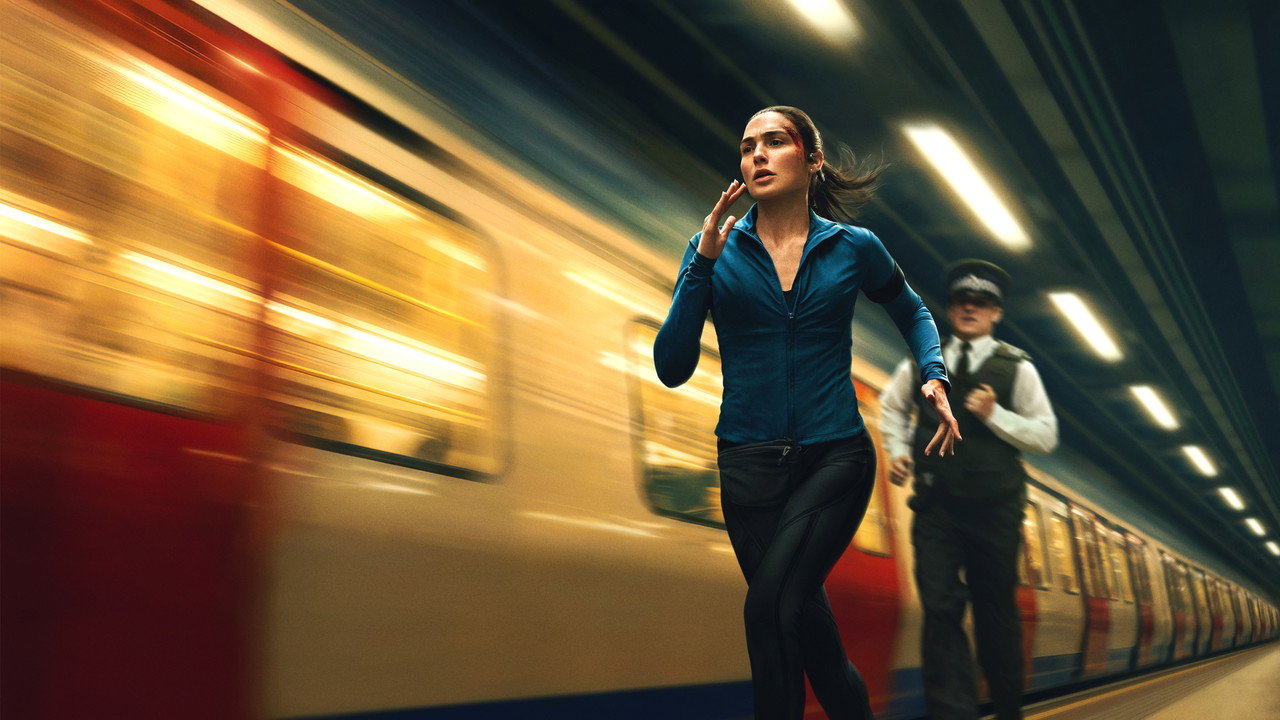
On paper, that's a workable premise. It's also not a new one. RogerEbert.com and MovieWeb both flagged the film as sitting squarely in the "call thriller" lineage that goes back to Phone Booth — a subgenre built entirely around a protagonist getting bossed around by a voice on the other end of a line, with the tension supposedly generated by not knowing who's calling or why. That subgenre has produced good films before. According to the consensus reflected in reviews, The Runner isn't one of them, landing instead as what RogerEbert.com and MovieWeb describe as a shaky-cam, rapid-edit thriller shot in a boxy 4:3 aspect ratio that critics called "mindless and ludicrous" rather than tense.
A Troubled, Politically Charged Shoot
Whatever the finished film's problems, they don't appear to trace back to a lack of ambition on the production side. The Runner was announced by Amazon MGM Studios in November 2024, directed by Kevin Macdonald from a script by Mark Gibson. Principal photography ran from April 22 to early July 2025, shot entirely on location across London, with the production hitting recognizable landmarks including Hampstead Heath, Regent's Canal, Canary Wharf, Waterloo Bridge, and HMS Belfast — the kind of location list that suggests a studio trying to give a modest thriller some real visual scale.
The shoot wasn't without controversy, separate from anything to do with the film's quality. Eight pro-Palestinian activists were arrested during on-location filming between April and May 2025; charges against them were dropped in November 2025. That's a footnote to the film's story rather than a reflection on it, but it's worth noting as part of the production's timeline — a movie that generated real-world friction on the way to a finished cut that critics have since dismissed as forgettable at best.
What the Scores Actually Say
Rotten Tomatoes' 10% from 52 critics is brutal by any measure, and it's not an outlier relative to the film's other aggregate scores. Metacritic has The Runner at 28 out of 100 from 14 critics, a score the site itself labels "generally unfavorable." Between the two aggregators, there's essentially no reading of the critical response that lands anywhere near positive. The audience score gap is worth sitting with too — 31% isn't a great number, but it's meaningfully higher than 10%, which suggests at least some viewers are getting more out of the film than critics did, whether that's because they went in with lower expectations, or because a certain kind of bad movie plays better on a couch with the ability to talk back at the screen than it does in a screening room full of people whose job is to take it seriously.
What Critics Actually Said
Peter Travers, reviewing for ABC News, gave the film what's being characterized as a flat "hard pass" — about as blunt a dismissal as a critic can offer without further elaboration. Jacob Oller went further, calling the film "boneheaded" while also making the case that its badness has a specific value: he said it makes for "a perfect hate-watch," which is either the most damning or most useful thing a critic can say about a thriller, depending on how you plan to spend your Friday night.
Variety's Dennis Harvey reportedly took aim at Gadot's performance specifically, writing — according to a secondhand account rather than a review this piece independently pulled — that she "is not a performer inclined to lend much more than athleticism to a role," while still crediting her physical commitment to the part. Harvey's broader verdict on the film, per that same reporting, was that it's "energetic but uninspired," which tracks with a movie that seems to be sprinting through its own runtime without much to say once it gets where it's going.
TheWrap's William Bibbiani, in a review also relayed through secondary reporting rather than pulled firsthand, reportedly delivered one of the sharper lines circulating about the film: "The Runner isn't much of a thriller. It isn't much of a movie. It would, however, be a hilarious episode of Taskmaster." That's a specific kind of insult — not that the film fails at being a thriller, but that its plot mechanics (arbitrary tasks, a mystery voice dictating absurd instructions, a ticking clock) map almost perfectly onto a British game show built around watching people fumble through nonsensical challenges.
Damian Lewis Does the Job Nobody Asked For
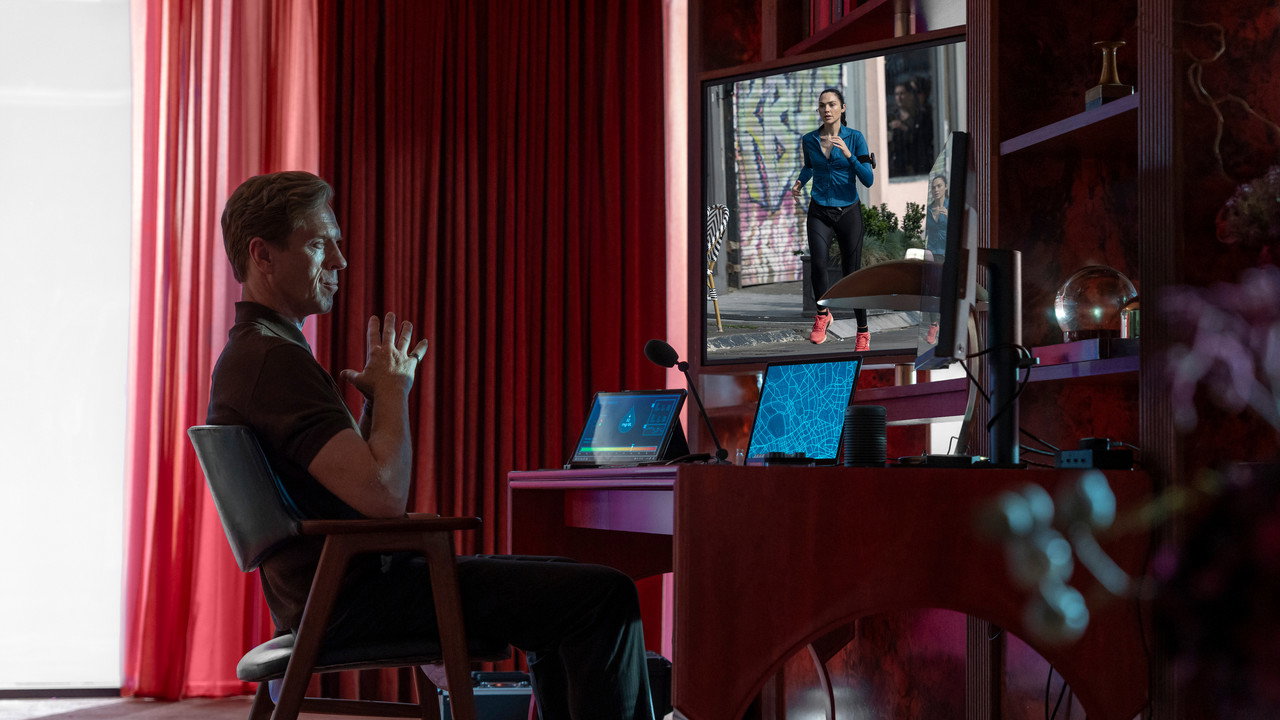
If there's a consistent bright spot running through the negative reviews, it's Damian Lewis. Coverage from RogerEbert.com and MovieWeb singles out his voice performance as The Caller as doing more interesting work than the script around him deserves — a disembodied menace that apparently manages to sound genuinely unsettling even when the plot mechanics he's narrating don't hold together. It's a familiar shape for a certain kind of bad thriller: one actor treating a thin part like it's worth taking seriously, while everything constructed around them collapses under its own contrivances. Lewis has built a career on exactly this kind of committed character work, from prestige television to genre supporting roles, and by all accounts he's the one person walking away from The Runner with his reputation intact.
Why This Counts as a Hate-Watch, Specifically
Not every badly reviewed movie earns the "hate-watch" label — plenty of critical bombs are simply boring, and boring doesn't generate the kind of communal, snarky viewing experience the term implies. What seems to separate The Runner from a garden-variety flop, based on how critics are framing it, is the specific combination of self-serious tone and genuinely ridiculous plotting: a prosecutor sprinting across London landmarks on the orders of a mystery voice, a kidnapped diabetic child raising the stakes without meaningfully changing the plot's mechanics, and a shaky-cam visual style critics have compared unfavorably to a project that doesn't seem to know if it's an art film or an action movie. Oller's "perfect hate-watch" line and Bibbiani's Taskmaster comparison both point at the same underlying quality: a movie that's fun to talk over, not fun to watch quietly. That's a very specific register, and it's the one that turns a Rotten Tomatoes disaster into a Friday-night group activity rather than a film nobody bothers finishing.

An 84-Minute Runtime Isn't an Accident
One detail that's easy to miss in the pile-on: The Runner clocks in at just 84 minutes, which is short even by thriller standards. That's not necessarily a flaw on its own — plenty of tight, effective thrillers run under 90 minutes — but paired with the reviews describing a "mindless and ludicrous" plot and rapid-edit, boxy cinematography, it starts to look like a film that knew it didn't have the substance to sustain a longer cut and opted to just sprint through its own contrivances instead of slowing down to justify them. Given the reviews, that might have actually been the correct instinct, even if it wasn't enough to save the film's reception.
Where This Leaves Gadot and Amazon
For Gadot, The Runner is a rougher outing than her recent studio-backed vehicles, and Harvey's specific critique — that she brings athleticism without much beyond it — echoes a criticism that's followed some of her post-Wonder Woman work. It's not a career-defining failure by itself, but it's the kind of review that adds to a pattern rather than standing alone. For Amazon MGM Studios, the calculus is different: this was an exclusive streaming release rather than a theatrical rollout, so there's no box office number to point to as an unambiguous verdict. What Amazon does have is a critical and audience reception bad enough to generate exactly the kind of "you have to see how bad this is" chatter that occasionally drives streaming numbers up rather than down — the same dynamic that's turned other critically savaged films into unlikely conversation pieces. Whether that ends up being a consolation prize or the only real success story to come out of The Runner's release is the more interesting question hanging over the next few weeks.
Watch whether the Rotten Tomatoes score drifts a few points as more reviews file, and whether Amazon treats the reception as a one-off or a reason to rethink its Gadot-fronted streaming bets.