Zack Snyder's 'The Last Photograph' Premieres at TIFF With No Buyer in Sight
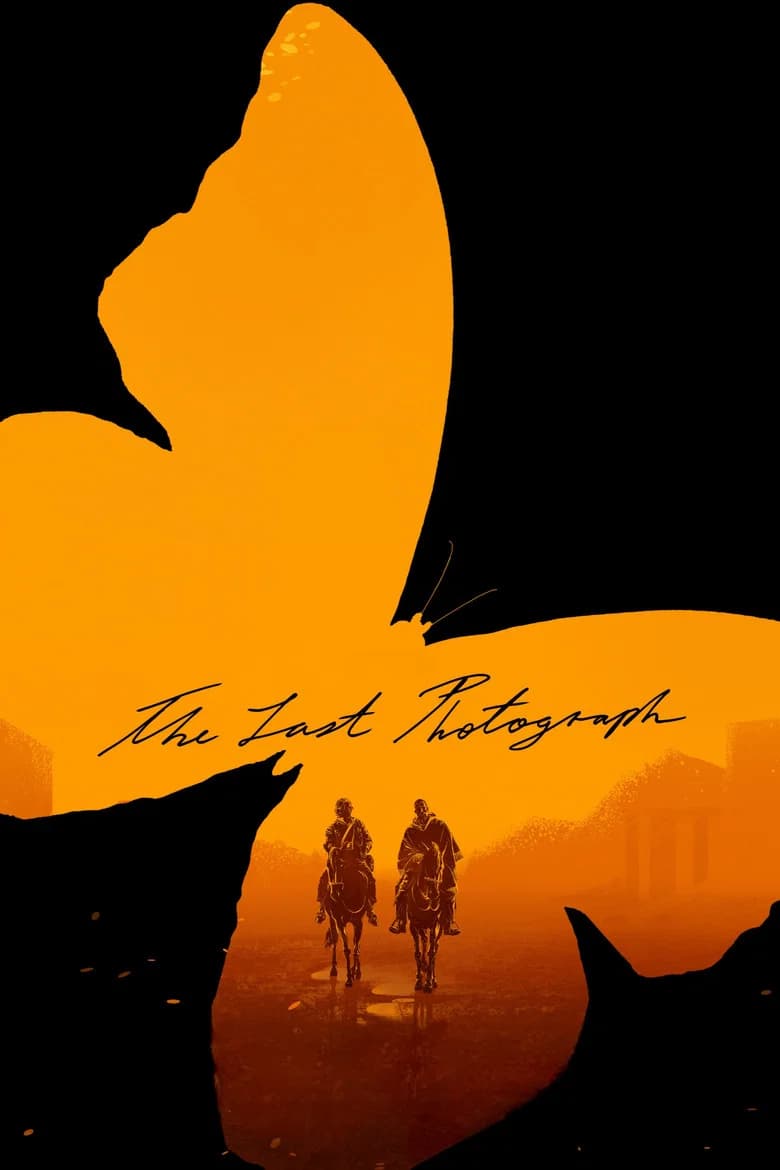
Zack Snyder has spent the last decade and a half attached to some of the biggest franchise machinery in Hollywood — Superman, the Justice League, a self-financed two-part zombie epic for Netflix. His next film is the opposite of all of that. The Last Photograph is a small, R-rated rescue thriller shot largely on location in Iceland and Colombia, and it's premiering at the Toronto International Film Festival on September 13, 2026, in the Special Events section at the John Bassett Theatre, without a single US distributor attached to release it.
That's an unusual position for a filmmaker with Snyder's name recognition to be in. Studios don't typically let a director with his box office track record walk into a festival without at least a plan for where the film lands theatrically or on streaming. According to Deadline, Variety, and World of Reel, that's exactly the situation here — and the reason why appears to be baked into the film itself.
What TIFF Is Actually Doing With It
World of Reel reports that The Last Photograph is set to "surprise-screen" at TIFF as part of a deliberate strategy to find a buyer through TIFF's new official content market, branded "TIFF: The Market." That's a notable detail on its own. Festival content markets exist specifically to connect finished films with distributors, sales agents, and streamers in a compressed window of screenings and meetings — it's the infrastructure studios and independent producers use when a film doesn't already have a home lined up before it premieres.
Putting a Zack Snyder film through that process is unusual. Most of his prior films — the DC titles, Army of the Thieves, both halves of Rebel Moon — arrived with a studio or streamer already locked in before a single frame screened publicly. The Last Photograph arriving at TIFF as essentially a for-sale title, with its distribution fate still an open question, is a meaningfully different position for him to be in, and it's the central story around the film's festival run so far.
The Story: A Rescue Thriller in the Andes
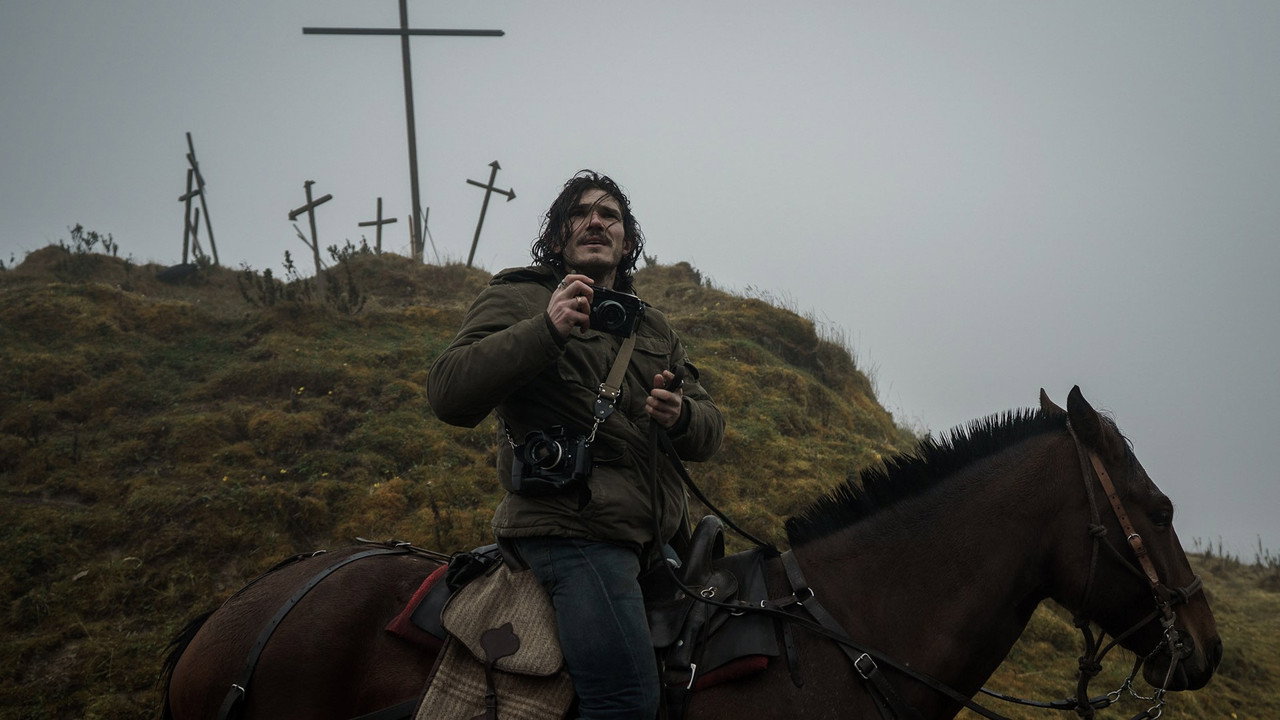
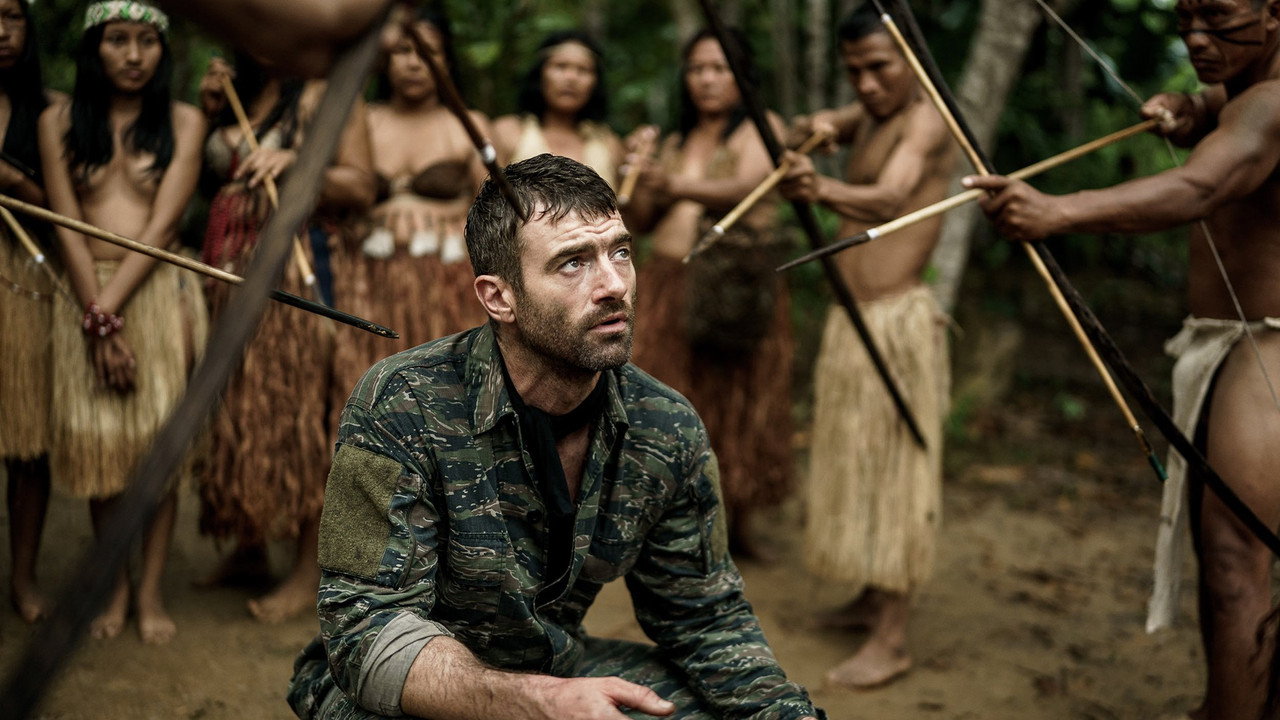
Stripped of the behind-the-scenes drama, the film itself is a fairly straightforward premise. Stuart Martin stars as Ethan Black, a former DEA operative whose niece and nephew are kidnapped in the mountains of South America after their diplomat parent is murdered. Ethan heads into the Andes to get them back, aided by a washed-up war photographer played by Fra Fee, who turns out to be the only witness who can identify the kidnappers.
The supporting cast rounds out with Jackie Kay, Sergio Herrera, Marlon Moreno, Costanza Andrade, Gustavo Angarita Jr., and Carolina Henao. It's a runtime of 135 minutes, and per reporting on the production, the story leans on the kind of ground-level, personal-stakes structure that's genuinely rare in Snyder's filmography — no gods, no zombies, no multiverse-scale mythology, just a man trying to get two kids back from armed kidnappers in unfamiliar terrain.
Why Buyers Are Reportedly Staying Away
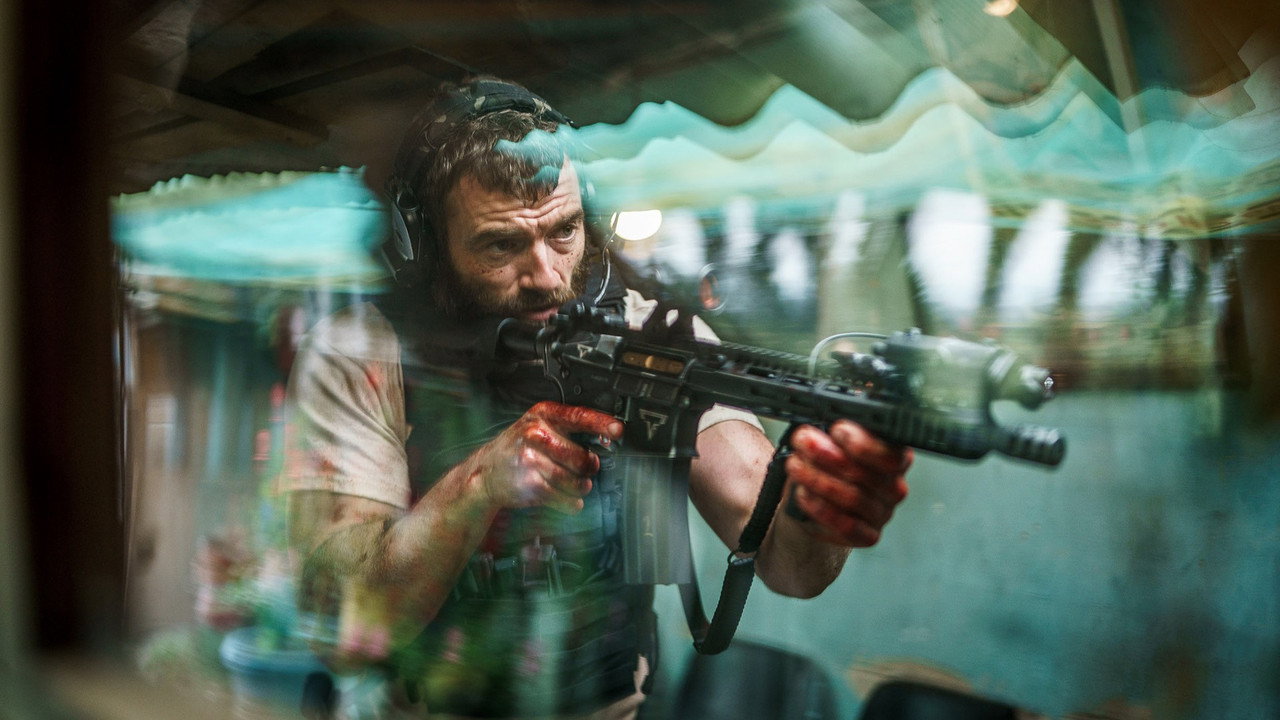
Multiple outlets covering the TIFF lineup have pointed to the same likely explanation for the lack of a distributor: the film's violence. Reports describe The Last Photograph as extremely brutal, to the point that its own trailer is age-restricted online, requiring viewers to confirm their age before watching it. That's a strong signal on its own — trailers are marketing tools, built to reach the widest possible audience, and age-gating one online is a deliberate acknowledgment that the content inside doesn't clear standard platform thresholds.
For a distributor deciding whether to pick up a film, extreme, unflinching violence is a genuine commercial risk. It narrows the potential audience, complicates marketing, and can trigger a more restrictive rating that limits how widely a film can be advertised or where it can play. None of that necessarily means the film is bad — plenty of critically respected genre films have carried hard R ratings and brutal content — but it does mean the calculus for a studio deciding whether to write a check for distribution rights gets more complicated. Several outlets covering the TIFF slate have floated the violence as the likeliest explanation for why a director with Snyder's commercial history is still shopping a finished film around a festival market.
A Production With a Genuinely Strange History
Part of what makes The Last Photograph's arrival at TIFF notable is just how long it took to get here. The project's roots reportedly stretch back to the mid-2000s, with a more concrete development push around 2011 that at various points had Christian Bale and Sean Penn attached to star, under Danish director Niels Arden Oplev. That version of the film never came together.
Snyder stepped in as director in December 2016, and the project was briefly retitled Horse Latitudes during that stretch of development. It didn't move quickly from there either — production was reportedly delayed indefinitely in May 2021 due to COVID-related filming conditions in South America, a period when location shooting across much of the world was in flux. The film didn't get a real greenlight again until August 2025, at which point it reverted to its original title and finally began shooting in earnest. Principal photography wrapped in November 2025, putting the film's actual production timeline at just a few months before its TIFF premiere — a remarkably fast turnaround for a project that had been sitting in development limbo, on and off, for roughly two decades.
Snyder Behind the Camera, Literally
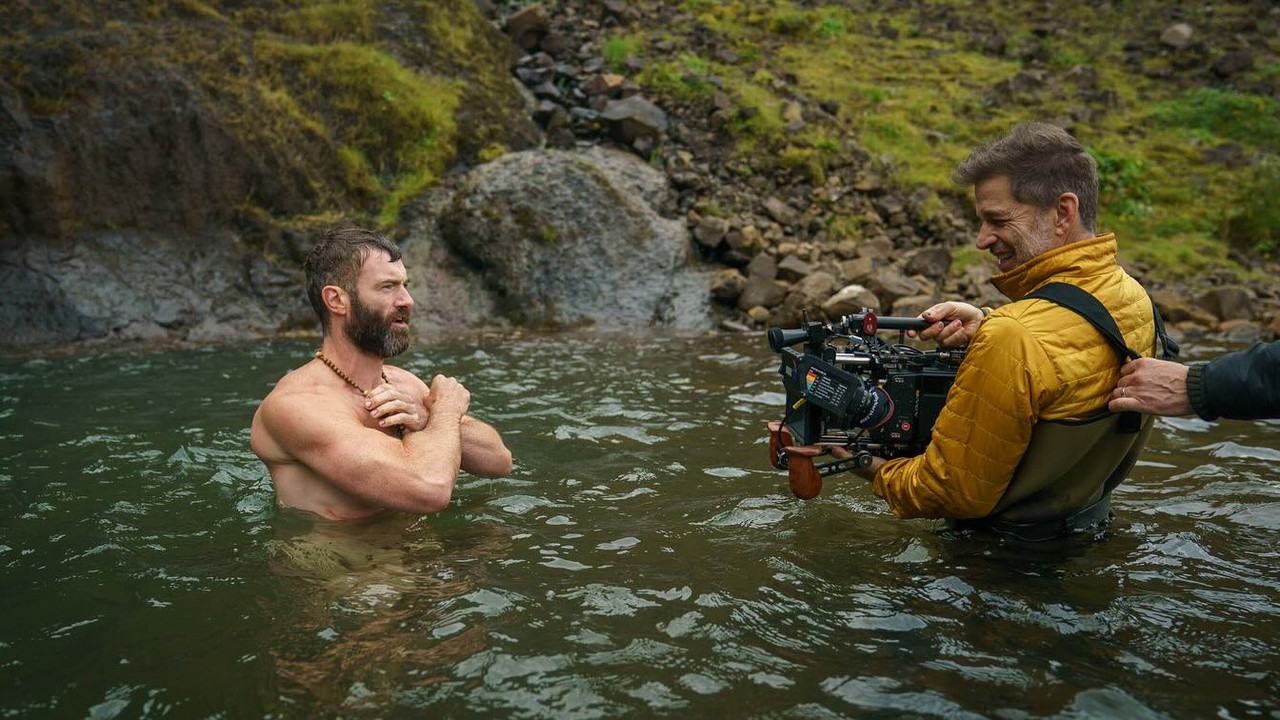
One of the more distinctive choices on this production is that Snyder reportedly shot the film himself, serving as his own director of photography. That's not how his recent studio-scale work has operated — cinematography on a project like Rebel Moon or Zack Snyder's Justice League involves a full camera department built for massive scale and visual effects integration. Outlets covering the production have framed Snyder taking the camera himself as a deliberate choice tied to the film's smaller, more intimate scope: a story about two people trying to survive a rescue mission in remote terrain doesn't need the same production infrastructure as a superhero team-up, and shooting it himself reportedly let him work with a leaner crew across genuinely difficult locations.
The screenplay comes from Kurt Johnstad, Snyder's longtime collaborator who co-wrote 300 and has worked on several of his prior films, based on a story credited to Snyder himself. Hans Zimmer scored the film, working alongside Omer Benyamin and Steven Doar — a pairing that suggests a score built more around tension and atmosphere than the bombastic, franchise-scale themes Zimmer is best known for in Snyder's other work.
The Budget Question Nobody Has Confirmed
Reporting around The Last Photograph's budget is consistent on one point and vague on the specifics: it's small, by a wide margin, for anything with Snyder's name attached. Figures floated across coverage range anywhere from under $10 million down to under $5 million, but no outlet has published an official, studio-confirmed number. Treat that entire range as informed speculation rather than a settled figure — nobody involved with the production appears to have gone on record with a hard budget total.
What is more consistently reported is how the film was financed. Sources point to Snyder's own production company, The Stone Quarry, alongside producer Gianni Nunnari's Hollywood Gang, combined with international financing partners. Colombian tax incentives reportedly played a role in making the location shooting there financially workable, which lines up with the film's mix of shooting locations: Iceland, Colombia (including sequences in the Amazon jungle), and Los Angeles. That's a genuinely international, logistically demanding shoot for a film operating on what's being described as a fraction of Snyder's usual budget.
No Reviews Yet — This Is a Preview, Not a Verdict
It's worth being clear about what this piece is and isn't. As of this writing, on the eve of the film's world premiere, no reviews of The Last Photograph exist yet. Nobody outside the production and the festival's programming team has seen the finished film. Everything circulating publicly right now is pre-premiere reporting: plot summary, cast and crew details, production history, and speculation about why a finished Zack Snyder film doesn't have a US distributor attached yet.
That's an important distinction, because the more interesting story here isn't whether the film is good — that question won't have a real answer until critics and buyers actually watch it in Toronto. The story is the unusual position a filmmaker with Snyder's commercial track record finds himself in: a finished, expensive-to-shoot-internationally film, premiering at one of the world's biggest festivals, with its US theatrical or streaming future still entirely undecided.
Why This Matters Beyond One Film
Snyder's fanbase is one of the more vocal and organized in modern film culture — the #ReleaseTheSnyderCut campaign that eventually got Zack Snyder's Justice League made on HBO Max is proof that his audience will show up loudly when given a reason to. That built-in audience is part of why The Last Photograph not having a distributor by the time it hits TIFF is worth paying attention to beyond the usual festival-circuit shuffle. A director with a passionate fanbase and a finished film still needs a distributor willing to take on whatever commercial risk the material carries, and violence extreme enough to trigger an age-restricted trailer is apparently enough to give buyers pause even with that built-in audience factored in.
How this plays out over the next several days at TIFF will say something about where the theatrical and streaming marketplace currently draws its lines on violent content, independent of who's directing. If a film this well-resourced, with a recognizable filmmaker and a finished cut ready to screen, still needs a festival market to find a home, that's a data point worth watching regardless of how the film itself turns out to be reviewed.
What to Watch For Next
The premiere itself, on September 13 at the John Bassett Theatre, is the first real test — both for how the finished film plays with an audience and for whether any of the buyers TIFF's new market is designed to attract show real interest afterward. Distribution deals coming out of festival premieres can move fast when a film generates buzz, sometimes within days, or they can stall for months if buyers stay cautious. Given the specific concern reportedly driving the hesitation so far — the violence, not the film's quality or Snyder's involvement — a strong TIFF reception could still be enough to bring a distributor to the table. Whether that happens, and who ends up picking the film up, is the part of this story that's still genuinely unwritten.
The Last Photograph screens at TIFF's new content market seeking a buyer — whether it lands US distribution likely won't be clear until after the festival wraps.