Alex Gibney's 'Musk' Documentary Drops Its First Trailer, and It Does Not Go Easy On Him
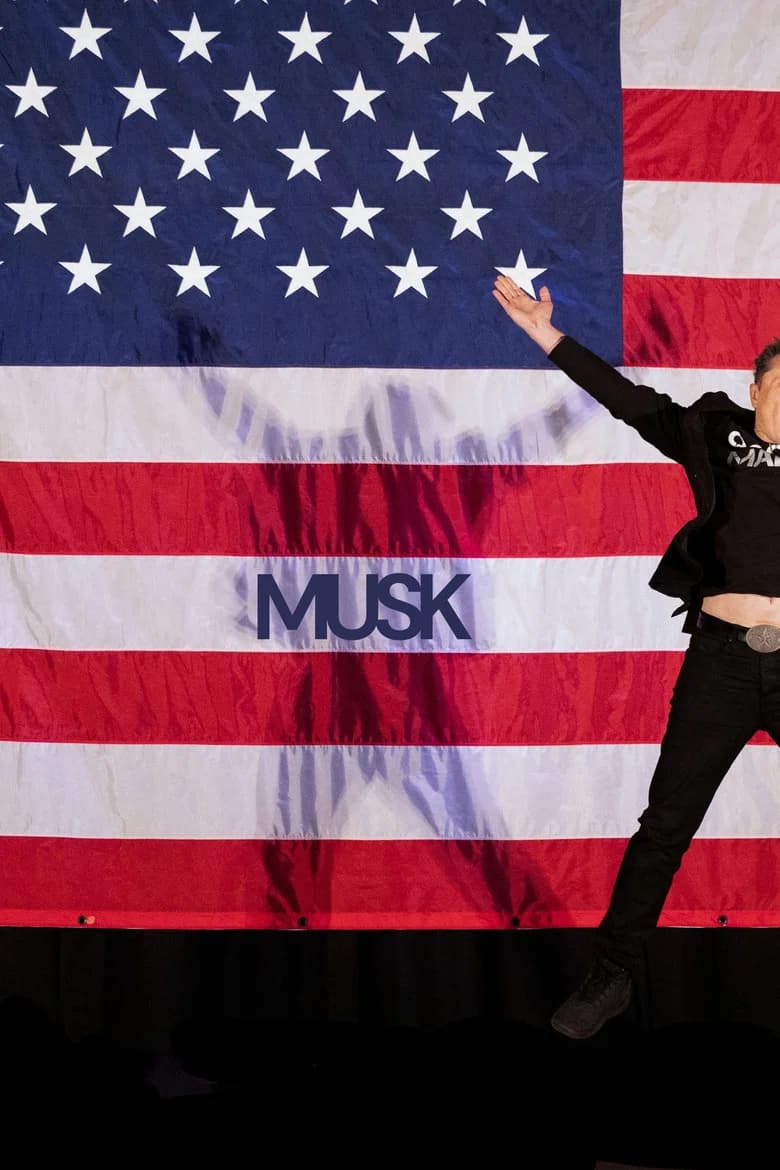
Alex Gibney has spent his career making documentaries about men who built empires on top of a lie somebody eventually had to unwind — Scientology in "Going Clear," Theranos founder Elizabeth Holmes in "The Inventor." His next subject is, by a wide margin, the richest and most visible person he's ever pointed a camera at. "Musk," Gibney's feature-length examination of Elon Musk, dropped its first teaser trailer this week, and the cut makes its intentions clear almost immediately: it opens like a hagiography and ends like an indictment.
The film is heading to the Venice International Film Festival, screening Out of Competition, with a reported stop at the Toronto International Film Festival to follow, according to Deadline's reporting as republished by Yahoo and corroborated by FirstShowing.net. Bleecker Street has the theatrical rights, and Deadline, TheWrap, and Variety all report a release plan that puts the film in select theaters starting October 16, 2026, before expanding wide on October 23. A longer cut is set to air on HBO in 2027, per the same reporting.
What the trailer actually shows
The teaser opens on a SpaceX rocket launch — the kind of triumphant, slow-motion liftoff footage that's become shorthand for Musk's own preferred image of himself. Then, per TheWrap and IndieWire's descriptions of the footage, the rocket visibly destabilizes mid-air right as the trailer's tone turns. It's a blunt piece of editing, but an effective one: the visual metaphor does a lot of the work before a single critical word is spoken.
The voices in the trailer — unnamed, and Gibney hasn't detailed who they are beyond the footage itself — open with outright reverence. One calls Musk "the greatest capitalist in history." Another compares him, unironically, to a real-life Iron Man. Then the film pivots hard. Later voices describe him as "chaotic, random, capricious" and "manifestly cruel and selfish." One line lands as the trailer's clear thesis statement: "In a science fiction novel, he would not be a hero." Deadline, TheWrap, and IndieWire all included versions of these quotes in their write-ups of the teaser, treating the whiplash between adulation and condemnation as the trailer's central structural device rather than an accident of editing.
It's worth being precise about what these lines are: quotes from voices assembled inside Gibney's documentary, not claims this outlet is independently verifying about Musk himself. The trailer is doing what trailers do — compressing a nearly four-hour film into a couple of minutes designed to provoke a reaction — and the reaction it's clearly built for is an argument, not a consensus.
Gibney's actual framing
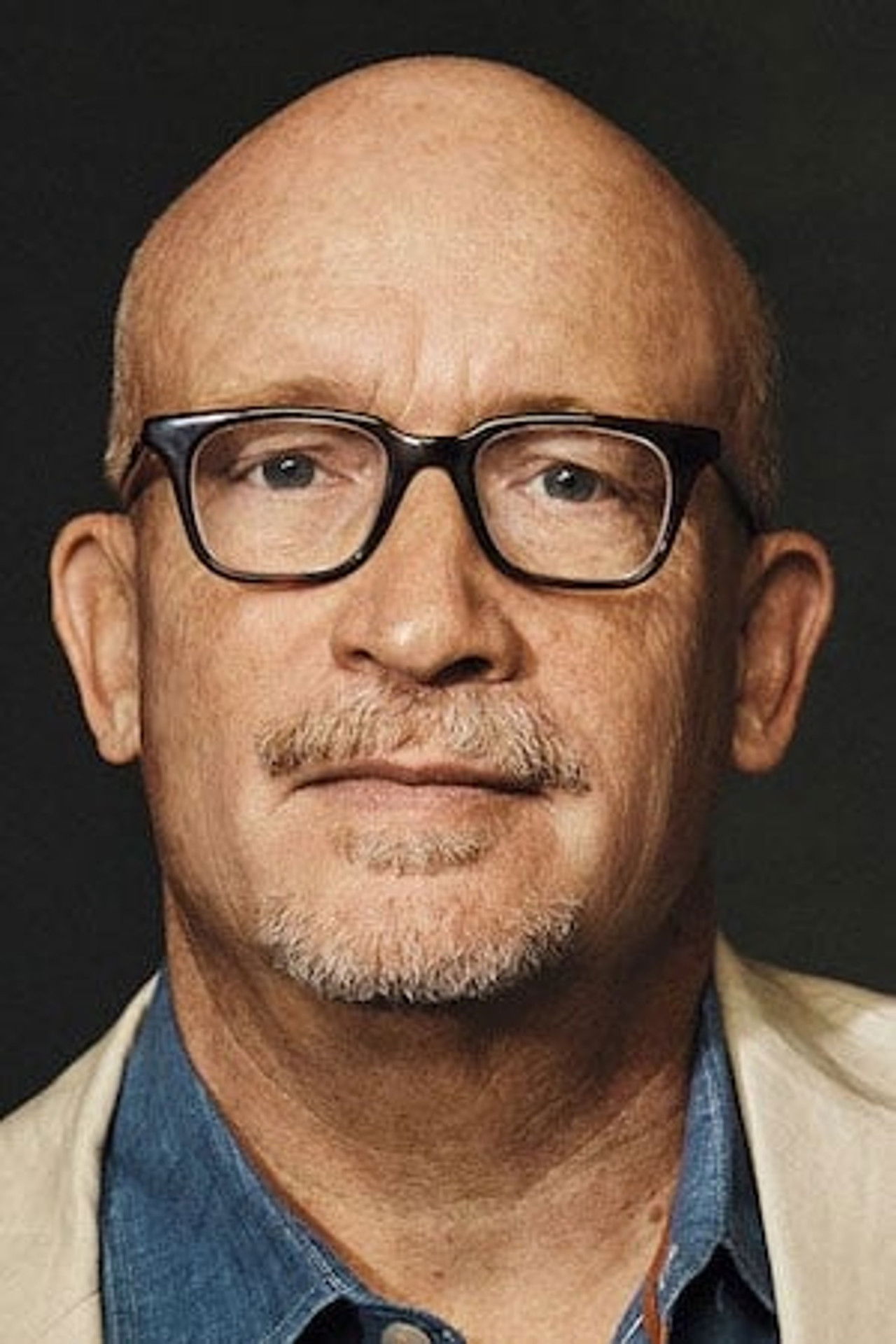
In interviews tied to the trailer's release, Gibney has described his approach as building a case against Musk as a "confidence man" rather than a visionary genius, according to reporting from IndieWire and FirstShowing.net. He's reportedly invoked "The Wizard of Oz" and "Ready Player One" as touchstones for the film — both stories built around illusion, spectacle, and a figure who turns out to be smaller and more ordinary than the myth surrounding him. Gibney has also called the film a story about "power and its abuse," a framing that positions "Musk" less as a tech-industry biography and more as a companion piece to his earlier work on Scientology and Theranos: institutions and individuals whose public image outran, by a wide margin, what was actually happening underneath it.
That framing matters for how to read the finished film once it starts screening. Gibney isn't claiming to have made a balanced, both-sides portrait, and nothing in the marketing suggests he's interested in one. He's made a film that argues Musk's public mythology — rocket launches, Mars colonization, the "real-life Tony Stark" branding that Musk himself has leaned into for years — is functioning as a kind of magic trick, and the documentary's job, as Gibney describes it, is to show the audience where the trick is actually happening.
The runtime problem, and the theatrical structure built around it
At 235 minutes — just under four hours — "Musk" is an unusually demanding theatrical ask even by the standards of prestige documentary. TheWrap, FirstShowing, and the Yahoo republish of Deadline's reporting all confirm the same structure: the film is split into two parts with a built-in intermission, essentially asking theaters to program it the way they'd program a roadshow release rather than a standard single-sitting feature.
That's a meaningful commercial bet. Nearly four hours is a runtime that limits how many showtimes a theater can realistically schedule in a day, and it puts real pressure on Bleecker Street's marketing to convince audiences the subject and the access justify that kind of time commitment. Gibney has built long films before — "Going Clear" ran under two hours, but some of his other work, including his multi-part projects, has tested similar patience from audiences who trusted the subject matter enough to sit through it. Whether "Musk" can pull off the same trick with a subject this polarizing, in a theatrical marketplace that's grown increasingly allergic to long runtimes outside of blockbuster franchise entries, is a genuinely open question the October release will answer.
A discrepancy worth flagging on the release date
Most of the reporting around this film lines up cleanly, but there's one date that doesn't. FirstShowing.net's write-up states the film opens in select theaters on September 18, 2026 — nearly a month earlier than the October 16 date reported by Deadline, TheWrap, and Variety. Three outlets agreeing on October 16, with an October 23 wide expansion, is a stronger footing than a single outlet's September 18 date, and it's treated here as the more reliable figure. But it's worth naming the conflict rather than quietly picking a winner, since a date that's off by a month is the kind of detail that can send readers to the wrong theater on the wrong weekend if it isn't flagged.
The Byrne song, and an ending built to be remembered
One detail that's landed with more warmth than anything else in the film's early coverage: Talking Heads' David Byrne wrote and performs an original song, "Let Me Sell You a Dream," co-written with composer Daniel Pemberton, which plays over the film's ending. According to the Yahoo republish of Deadline's reporting, the track has already been submitted for Best Original Song Oscar consideration.

The title alone does a lot of work given everything else the film is reportedly arguing — a song about selling a dream closing out a documentary built around the idea that Musk's entire public identity is, in Gibney's words, closer to illusion than achievement. It's a pointed piece of sequencing, assuming the song plays the way the reporting describes, and it gives the film's ending a specific, quotable hook that distributors will likely lean on hard in awards-season and general-audience marketing alike.
Musk already responded, and Gibney had a one-word answer
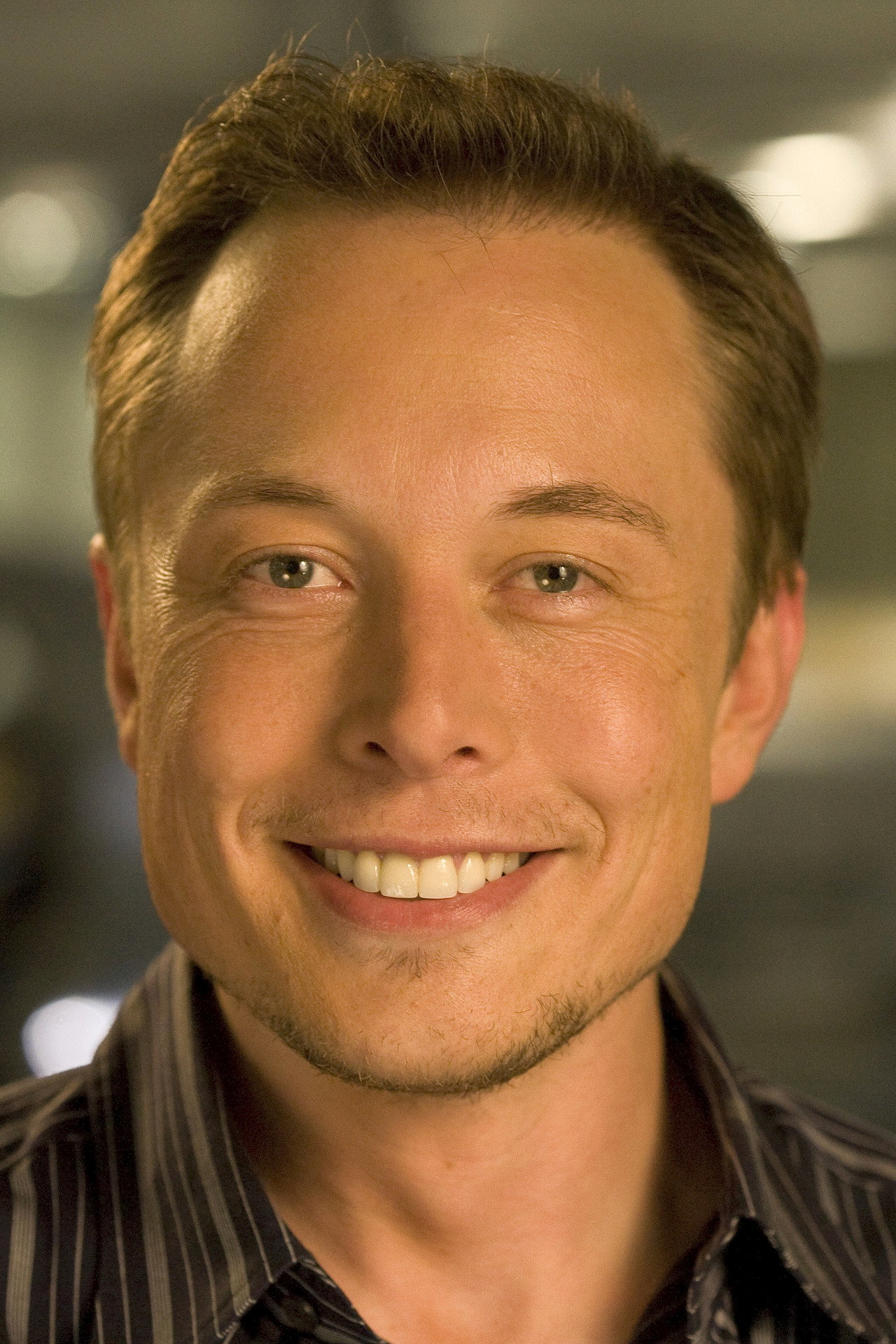
This isn't a story building toward a hypothetical clash — the subject has already weighed in. According to the Yahoo republish of Deadline's reporting, Musk reacted to news of the film on X by calling Gibney a "douche." Gibney's reply, in full: "Douché."
It's a small exchange, but it's a real, already-public one, and it tells you something about how this rollout is likely to go over the next six weeks. Musk has a well-documented pattern of engaging directly and combatively with unflattering coverage rather than letting it pass quietly, and a nearly four-hour documentary building toward a wide theatrical release is a much bigger target than a single news article. Whether he responds any further isn't reported anywhere as of this writing, and there's no basis for guessing beyond the exchange that's already happened.
The ownership wrinkle behind the scenes
One production detail adds an interesting layer to the film's backstory. Gibney's production company, Jigsaw Productions, had a controlling stake acquired by billionaire Wendy Schmidt in 2025, according to the Yahoo republish of Deadline's reporting. Schmidt, a philanthropist and the wife of former Google CEO Eric Schmidt, taking a controlling interest in the company producing a critical documentary about one of the tech industry's most powerful and litigious figures is the kind of detail that invites its own scrutiny, even though nothing in the reporting suggests Schmidt's involvement shaped the film's editorial direction. It's worth noting as context rather than treating it as evidence of anything specific — a documentary about tech-industry power dynamics being financed, in part, by tech-industry money is at minimum an irony worth flagging.
Why this lands differently than Gibney's past subjects
Scientology and Theranos both made for compelling documentary subjects because their public images were built on secrecy — audiences going into "Going Clear" or "The Inventor" mostly didn't already have a fully formed, deeply held opinion about the church's internal structure or Elizabeth Holmes's blood-testing technology. Musk is the opposite kind of subject. He's arguably the most publicly litigated, most opinion-polarized individual in the world right now, someone whose supporters and detractors have already spent years arguing in public, in real time, across every major platform he owns or has owned.
That changes what a documentary like this can actually accomplish. Gibney isn't likely to reveal information that shifts anyone's fundamental read on Musk the way "The Inventor" genuinely did for a lot of viewers who went in only vaguely aware of the Theranos scandal. What he can do — and what the trailer suggests he's attempting — is construct a single, coherent narrative argument out of years of scattered, chaotic public information, giving critics of Musk a unified text to point to and giving his defenders a specific target to argue against. Whether that's more useful as journalism or as ammunition in an already-entrenched debate is going to be the real critical question once reviews start landing out of Venice.
What to watch for next
The immediate next marker is Venice itself — Out of Competition means the film isn't eligible for the Golden Lion, but it still gets a premiere platform and the first wave of professional criticism, which will shape how the film's reception is framed heading into its theatrical run. From there, a reported Toronto stop would put the film in front of a second major festival audience before Bleecker Street's October release. The gap between the September 18 date FirstShowing reported and the October 16 date corroborated elsewhere should resolve on its own once actual theater listings go up, and it's worth checking those listings directly rather than relying on early reporting once they do. Beyond that, whether Musk responds any further as the release date approaches remains an open question that reporting hasn't answered yet.
The film premieres Out of Competition at Venice before a reported Toronto run, with a Bleecker Street theatrical release starting October 16 and an expanded HBO version arriving in 2027.