Knife: The Attempted Murder of Salman Rushdie Review: Alex Gibney Lets the Victim Tell It Himself
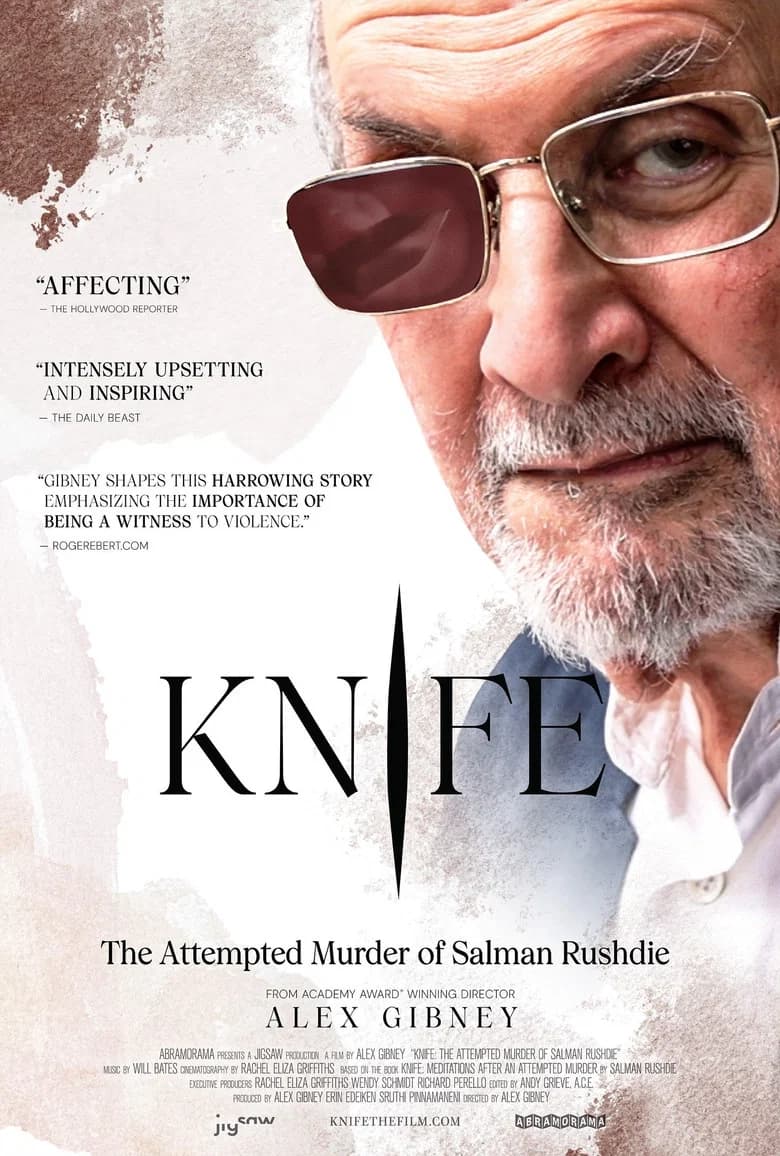
Knife: The Attempted Murder of Salman Rushdie opens September 17, 2026 at the IFC Center in New York, the first stop in a theatrical rollout that distributor Abramorama is expanding across North American theaters in the weeks after. Alex Gibney's documentary premiered earlier this year at the Sundance Film Festival on January 25, and the reception has followed it from Park City to its theatrical debut almost without a dent: a 92% score on Rotten Tomatoes from 13 critics, with a 7.1-out-of-10 average, and 83 out of 100 on Metacritic, which the site classifies as "universal acclaim" based on seven reviews. For a documentary built entirely around a documented act of violence against a single, specific man, that's a strikingly clean consensus.
What the Film Actually Is
Gibney's film runs 107 minutes and adapts Rushdie's own 2024 memoir, Knife: Meditations After an Attempted Murder, into documentary form. Erin Edeiken, Gibney, and Sruthi Pinnamaneni produced it through Jigsaw Productions, Gibney's longtime documentary shop. The structural choice that separates this from a standard true-crime rundown is right there in the credits: Rushdie narrates the film himself, in his own voice, describing an attempt on his own life in his own words. The documentary tracks both halves of what came after — the physical recovery from wounds that nearly killed him, and the slower, less visually dramatic work of rebuilding a sense of safety and purpose afterward.
That's a specific and somewhat unusual choice for a film about a violent crime. Most true-crime documentaries build their narrative spine out of investigators, journalists, or surviving family members reconstructing events from the outside. Gibney instead hands the entire narration to the one person who lived through the attack from the inside, and lets that account carry the film.
The Attack Itself
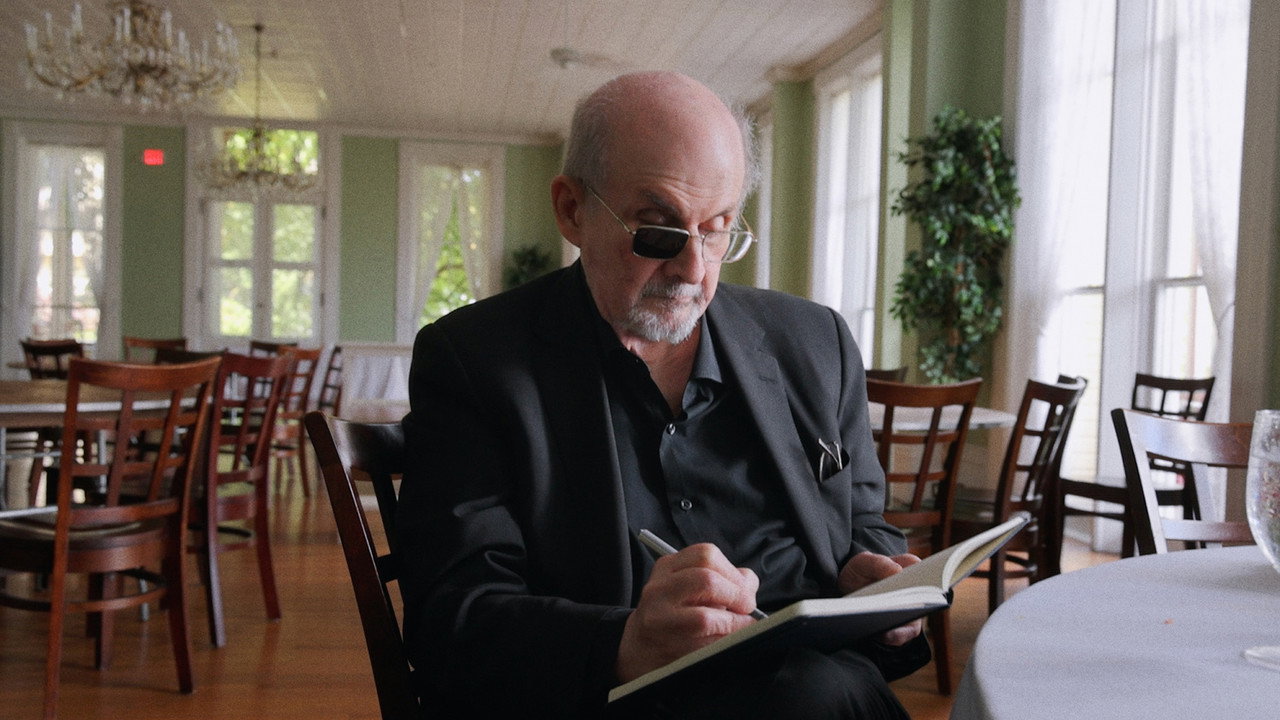
The facts underlying the film are grim and well documented. On August 12, 2022, Rushdie was about to deliver a lecture when Hadi Matar, then 24 years old, rushed the stage and stabbed him roughly 15 times in the face, neck, and abdomen over approximately 27 seconds. Matar was later convicted of attempted second-degree murder and sentenced to 25 years. Those are the bare mechanics of an assault that took less than half a minute and reshaped the rest of Rushdie's life — the loss of sight in one eye, the use of one hand, months of surgery and rehabilitation, all stemming from a fatwa-adjacent threat against Rushdie that had hung over him since the publication of The Satanic Verses decades earlier finally, violently, catching up to him on a lecture stage in western New York.
Reportage Blended With Fiction
Reviewers describe Gibney's approach as blending straightforward reportage with fictionalized dialogue sequences, a technique he's reaching for specifically to probe Matar's psychology and try to get at some sense of motive — why a 24-year-old with no direct personal connection to Rushdie would travel to a literary event and attempt to kill him on stage. That's the kind of question a documentary about a targeted attack almost has to engage with, since "why" is usually the thing audiences want answered and rarely the thing available footage can actually show.
What's notable, according to critics covering the film, is how deliberately Gibney and Rushdie limit how much narrative real estate Matar actually gets. The film doesn't ignore him — the fictionalized sequences exist specifically to imagine his interior state — but it stops well short of building him into a co-lead or a figure the audience is invited to understand on his own terms at length. That restraint has been described as almost a rehabilitative choice on Rushdie's and Gibney's part: a refusal to let the person who tried to end Rushdie's life also end up dominating the film about his survival. It's a meaningful editorial decision in a genre that frequently drifts toward giving attackers outsized screen time simply because their motives make for compelling, disturbing material.
The Reviews: A Genuine Consensus
IndieWire's Kate Erbland, grading the film a B+, singled out one specific element as the most striking thing about it: the unsettling calm with which Rushdie narrates his own attempted murder. That's a hard thing for a documentary to pull off tonally. A film about a near-fatal stabbing could easily lean into horror-adjacent tension or grief-driven melodrama, and Erbland's read suggests Gibney's film does neither — it lets Rushdie's own measured, almost clinical account of the worst 27 seconds of his life do the work, without dressing it up.
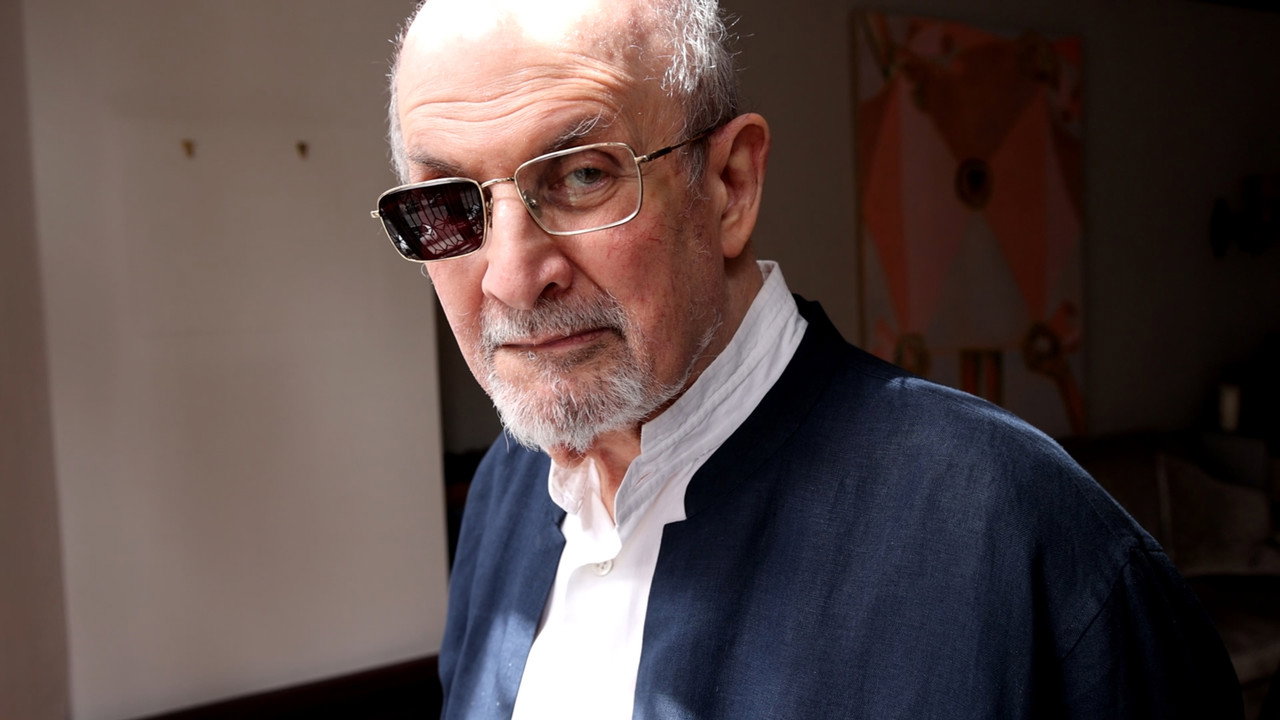
The Hollywood Reporter's David Rooney landed in a similar place with a slightly sharper edge. Rooney called the film "a fraction overlong," the one real structural knock that's surfaced in the critical response so far, but followed it by describing the finished documentary as "a vibrant testament to the intellectual life of its subject." That's a meaningfully specific compliment — it frames the film less as a crime documentary and more as a portrait of a writer's mind holding together, and continuing to work, in the aftermath of an attempt to silence it permanently. Between Erbland's and Rooney's reviews, a throughline emerges: critics keep responding less to the violence itself, which the film doesn't dwell on gratuitously, and more to Rushdie's own voice carrying the story.
Why a First-Person Documentary About Trauma Is a Genuine Risk
It's worth sitting with how easily a film built this way could have failed. Handing narration entirely to the survivor of a violent crime risks turning into something maudlin, or self-serving, or simply too raw to sustain 107 minutes without the audience needing a break from it. Gibney has spent his career making documentaries about power, institutions, and the gap between public image and private reality — Scientology in Going Clear, corporate fraud in Enron: The Smartest Guys in the Room, Theranos in The Inventor. Those films work because Gibney is skilled at building a persuasive argument out of other people's testimony and archival material. Knife asks something different of him: to get out of the way of a single voice and trust that voice to carry the entire film, rather than assembling a case the way his institutional exposés typically do. The 92% Rotten Tomatoes score and the "universal acclaim" Metacritic label suggest that bet paid off, at least with critics, though Rooney's "fraction overlong" note is a reminder that even strong consensus reviews aren't unanimous on execution.
The Memoir-to-Documentary Pipeline
Adapting a memoir into a documentary carries its own structural risk, separate from the subject matter. A book has the luxury of interiority — pages of reflection, digression, and reconsideration that a 107-minute runtime simply can't replicate one-to-one. Gibney's decision to keep Rushdie's own narration as the connective tissue of the film appears to be the mechanism that solves that problem: rather than translating the memoir's structure scene by scene, the film borrows its voice and lets that voice organize the material. That's consistent with how critics describe the finished product — less a dramatic reconstruction of an attack and more an extended, first-person meditation that happens to include one specific, terrible incident at its center.
Where This Leaves the Film
A 107-minute documentary about a targeted stabbing, built around the survivor's own narration, isn't an obvious commercial proposition, and Abramorama's platform-then-expand release strategy, opening at a single specialty theater before rolling out wider, reflects that reality rather than fighting it. But the numbers here are hard to argue with on the critical side: a 92% Rotten Tomatoes score across 13 reviews and "universal acclaim" on Metacritic put Knife in genuinely rare territory for a documentary this grim in subject matter. The film isn't reviewed as an exploitative retelling of a violent crime, and it isn't reviewed as a hagiography either — it's reviewed, consistently, as a film that trusts its subject to describe his own near-death experience without flinching from it or wallowing in it. Whether that critical goodwill translates into meaningful box office for a specialty documentary competing for theater space this fall is a separate question, one that Abramorama's expansion numbers over the next several weeks will start to answer. But on the film's own terms — telling a story about survival through the voice of the person who survived — the reception so far suggests Gibney found the right way to tell it.
The film expands from its IFC Center opening into wider North American theaters via Abramorama in the coming weeks, and its strong critical numbers make it a plausible awards-season documentary contender by year's end.