Onslaught Review: Adam Wingard Had a Stacked Cast and Real Genre Cred — It Still Bombed
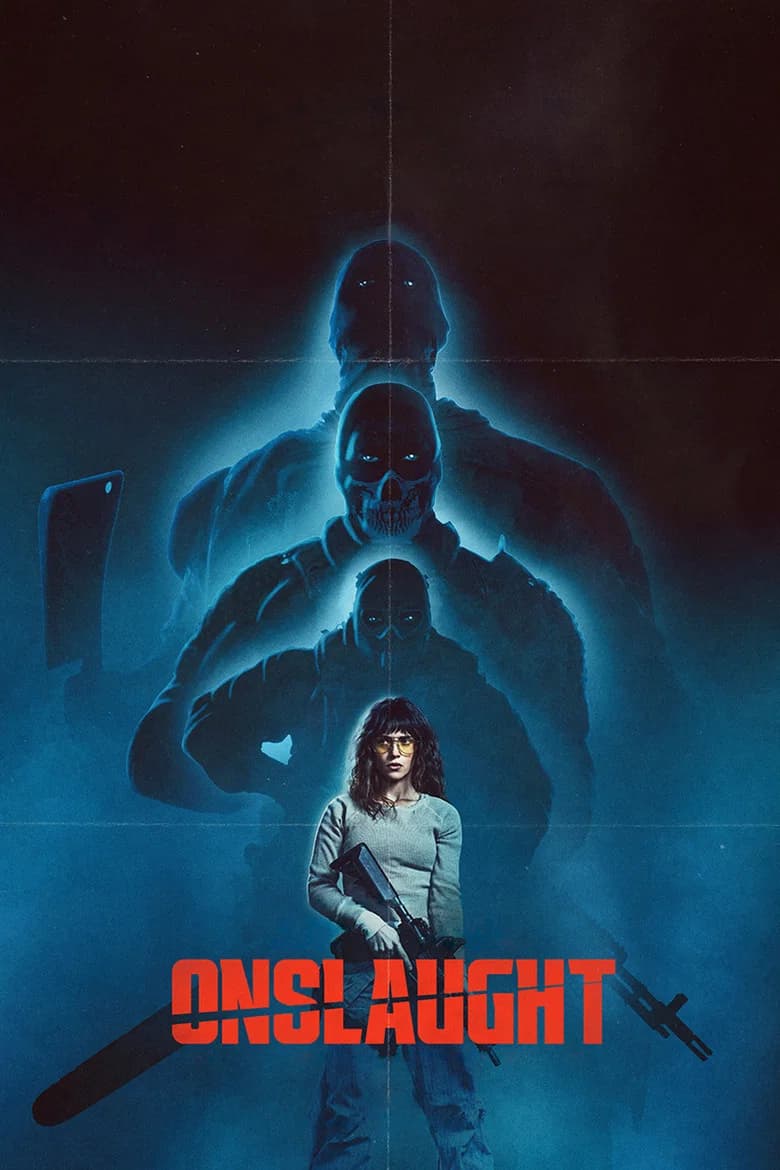
Onslaught opened across 1,918 theaters on September 4, 2026, and by the end of the four-day Labor Day weekend it had made $2.33 million. That number isn't a soft opening or a disappointing start — it's a number that keeps a film out of the weekend top 10 entirely. For a wide release from A24, backed by a director who's made two of the more respected genre films of the last decade and a cast stacked with recognizable names, that's about as bad an outcome as the theatrical marketplace can produce. The film isn't a disaster because nobody showed up to make it. It's a disaster because everybody involved had a real shot at making people care, and the audience simply didn't.
The Pedigree Behind the Bomb
Adam Wingard directing an original R-rated horror movie should be a recognizable proposition by now. He made You're Next, a home-invasion thriller that became a genre touchstone for subverting expectations about who the "final girl" actually is, and more recently Barbarian, which turned a marketing campaign built entirely on secrecy into one of the more talked-about horror releases of its era. For Onslaught, Wingard reunited with Simon Barrett, his longtime writing partner on both of those films, for an original premise: a former Army sniper, played by Adria Arjona, defending her daughter and their trailer-park community against three genetically engineered super soldiers who escape a secret military facility in New Mexico.
On paper, that's a clean, contained premise in the vein of the low-budget action thrillers Wingard and Barrett have shown a genuine affection for — a small cast of characters, a defined location, and an escalating threat that doesn't require a franchise's worth of mythology to understand.
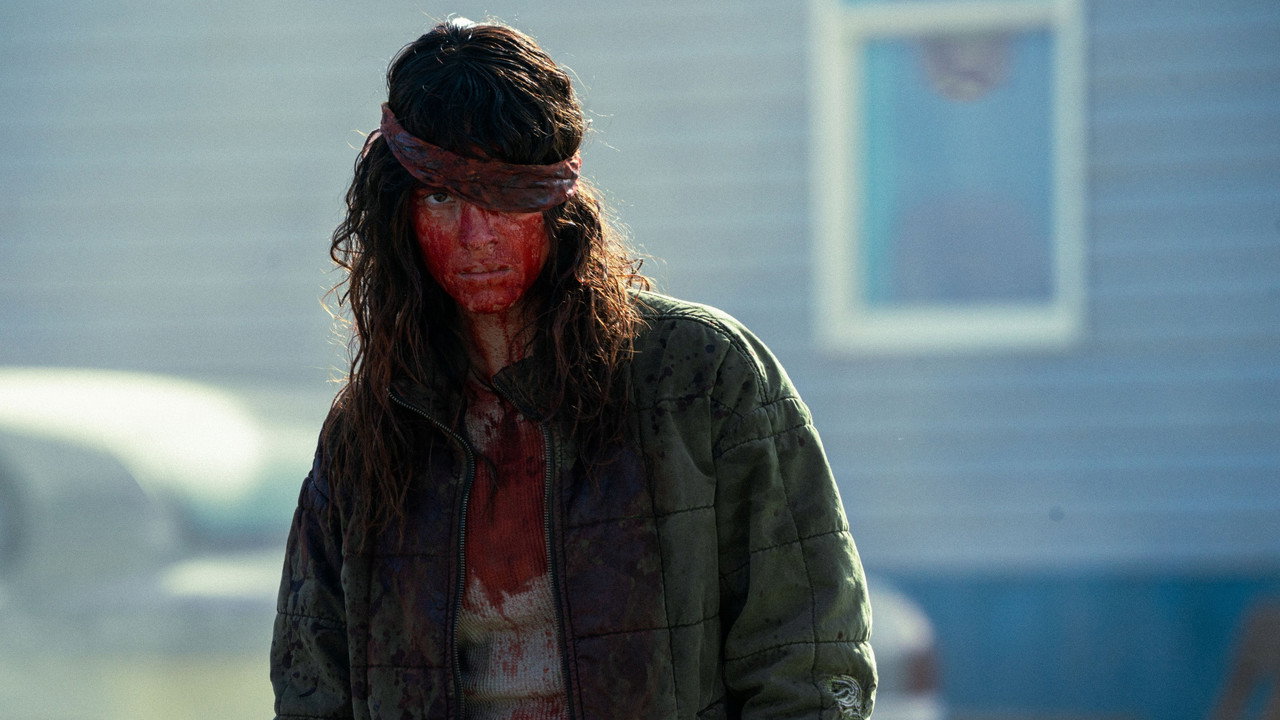
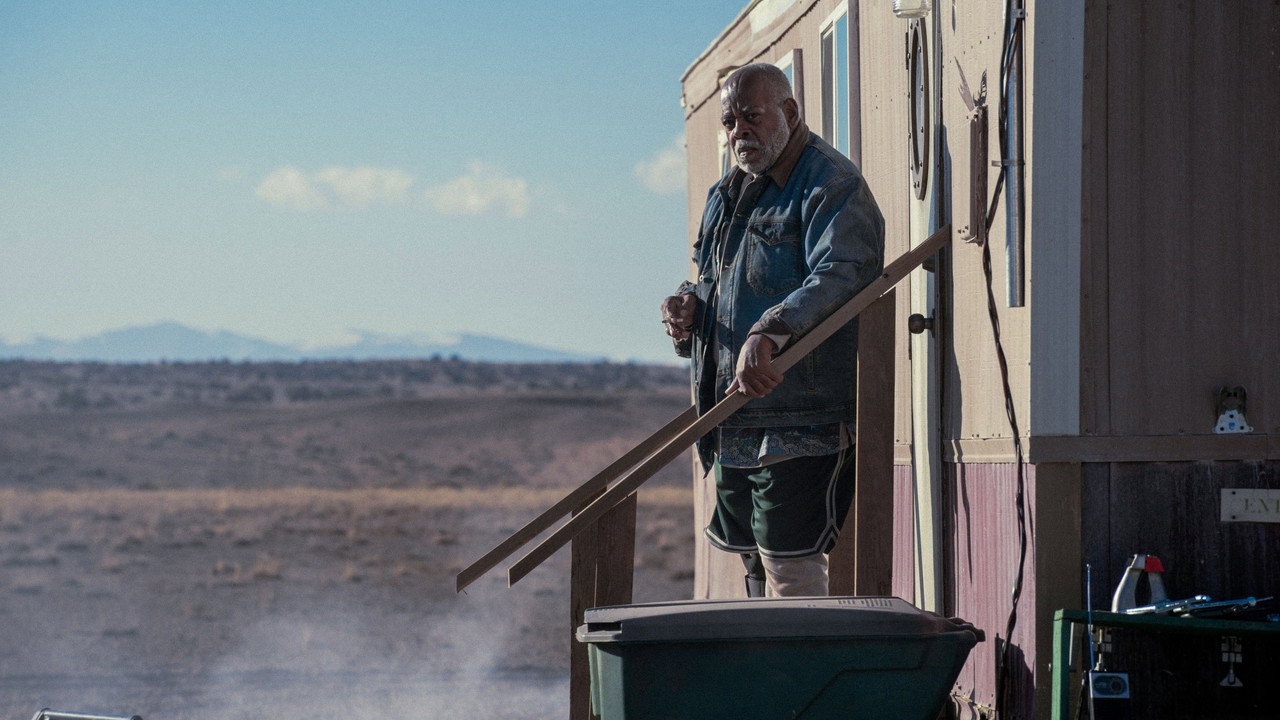
The cast around Arjona reads like a genre fan's wish list: Dan Stevens, Rebecca Hall, Michael Biehn (whose own filmography includes The Terminator and Aliens, both obvious touchstones for a story about unstoppable engineered killers), Drew Starkey, UFC fighter Alex Pereira making his feature debut, Eric Wareheim, and Reginald VelJohnson. That's not a cast a studio assembles for a film it doesn't believe in.
The Opening Weekend Numbers
The film's theatrical performance tells a much bleaker story than its cast list suggests. Onslaught made $1.88 million through Saturday, September 6, and closed out the extended Labor Day weekend at $2.33 million across the full four days. Spread across 1,918 theaters, that works out to roughly $1,200 per location over four days — a figure that reflects a film almost nobody bought a ticket for, rather than one that opened strong and simply lacked staying power.
That opening puts Onslaught outside the weekend's top 10 releases entirely, an outcome that's rare for a wide release with this level of theater count and this much recognizable talent attached. It's being described as one of A24's worst-ever wide-release openings, a notable distinction for a studio that has had its share of commercial misses but has generally protected its brand well enough that even underperforming titles tend to find some audience. A $15 million budget isn't enormous by studio standards, but a $2.33 million four-day total doesn't come close to covering it, let alone the marketing spend that goes into placing a film in nearly 2,000 theaters.
What Audiences Actually Thought
The box office number alone doesn't tell you whether the people who did show up liked what they saw, and in Onslaught's case, they mostly didn't. The film earned a CinemaScore of "C," a grade that signals genuine audience dissatisfaction rather than the muted-but-positive shrug a "B-" or "B" typically represents. CinemaScore grades are collected from opening-night audiences specifically, so a "C" here means the people most excited to see the film — the ones who bought tickets on day one, presumably drawn in by the cast or by Wingard's name — walked out unimpressed.
That audience reaction lines up with where critics landed too. Onslaught sits at 56% on Rotten Tomatoes across 116 reviews, with an average critic rating of 5.9 out of 10, and a Metacritic score of 57 out of 100, which the site characterizes as "mixed or average" reviews. None of those numbers describe a film critics were actively hostile toward — this isn't a scored disaster on the level of a true critical bomb. It's a film that landed in the flattest, least commercially useful zone possible: not good enough to generate positive word of mouth, not bad enough to generate the kind of so-bad-it's-fun buzz that occasionally saves a film's opening weekend anyway.
The Critical Consensus: Style Without Substance
Rotten Tomatoes' official critics consensus gets at the specific problem reviewers kept circling back to: "Drenched in gonzo old-school gore effects and stylishly crafted action, Onslaught unleashes a story that ultimately lacks the substance and primal fury its title promises." That's a fairly precise diagnosis. Nobody seems to be arguing that Wingard lost his ability to stage a set piece or that the practical gore effects don't land — the craft-level filmmaking is apparently still there. What's missing, according to that consensus, is the connective tissue that would make the action mean something beyond the moment it's happening on screen.
Deep Focus Review took a more generous angle on the same material, calling the film "Adam Wingard's lean and mean ode to John Carpenter" and pointing to its deliberately small-scale, '80s Cannon Films-style approach — the kind of B-movie sensibility that treats a contained setting and a limited cast as a feature rather than a budget constraint, with clear echoes of the original, scrappier Terminator rather than any of its bigger-budget sequels. That's a real strain of praise running through the reception, and it's worth taking seriously: there's an audience for unpretentious, practically-minded genre filmmaking that doesn't apologize for being pulpy.
The more common complaint, running through a good chunk of the broader critical response without being tied to one specific outlet in the reporting available, is less kind: that the film introduces a dozen narrative threads that never really go anywhere, and that it builds toward what's been described as a bizarrely flaccid climax, undercut by tonal shifts that swing wildly between straight-faced horror and broader comedy without settling into either. Treat that specific framing as a general characterization of the critical pushback rather than a pinned quote from a named publication — but it captures the throughline of the more negative reviews well enough to explain the 56% Tomatometer score sitting where it does.
Why the Reunion Didn't Translate
Wingard and Barrett's earlier collaborations worked, in large part, because they understood exactly how much plot a genre premise needed and were disciplined about not overloading it. You're Next is essentially one location and one long night, built around a single structural twist that reorganizes everything you thought you understood about the characters. Barbarian is even more ruthlessly contained, unfolding almost entirely in and around a single house, and it earns its late structural swerves specifically because everything before them was so tightly controlled.
Onslaught's premise — three engineered super soldiers loose in rural New Mexico, a sniper protecting her daughter and a trailer-park community — has the same bones as those earlier films: a small setting, a clear threat, a protagonist with a specific and personal reason to fight.
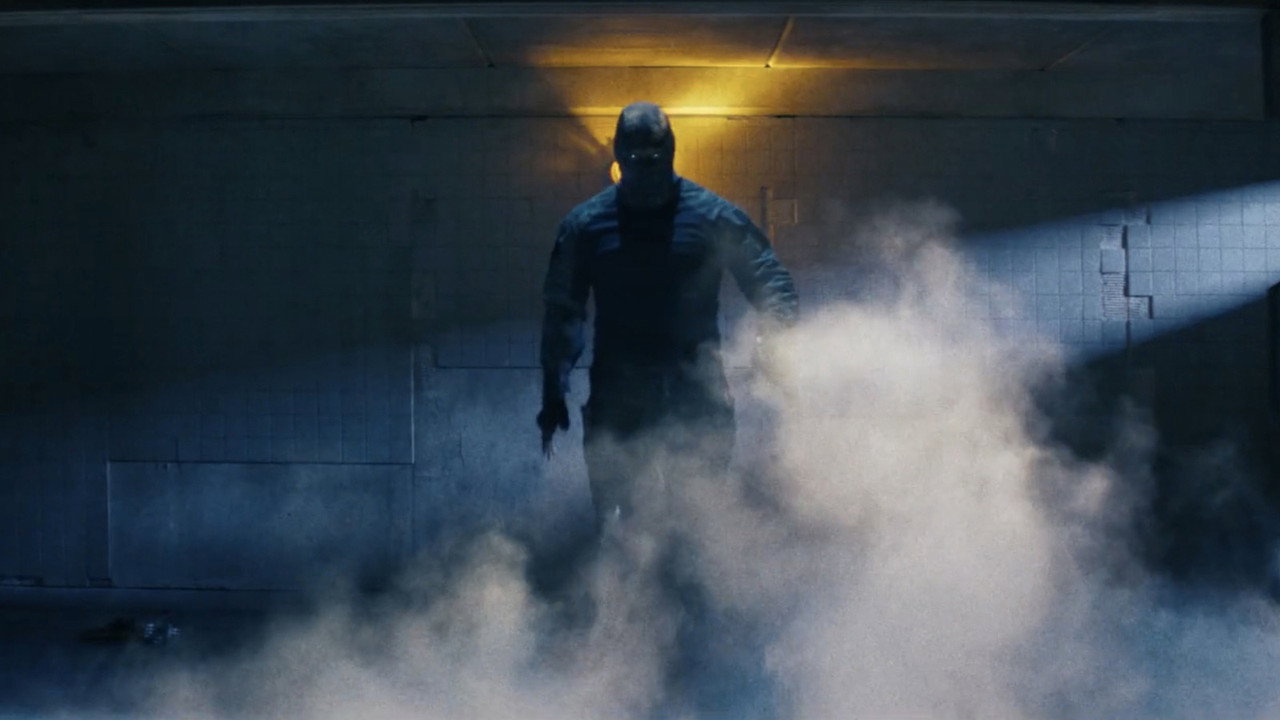
If the critical complaints about scattered subplots and tonal whiplash hold up as a broader pattern across reviews, the issue isn't the premise itself. It's execution — a script that reportedly wanted to be several different movies (grounded action-horror, broader genre comedy, something closer to a sci-fi thriller about the soldiers' origins) without picking one and following through on it the way You're Next and Barbarian both did with ruthless focus.
A Cast That Couldn't Save It
It's worth sitting with how unusual it is for a cast this specific to not move the needle at all. Rebecca Hall has built a reputation as one of the more reliably excellent actors working in genre-adjacent material. Dan Stevens has spent the last several years deliberately choosing strange, committed genre performances. Michael Biehn's presence is a direct nod to the exact lineage of '80s action-horror the film is apparently trying to invoke. And Alex Pereira, a genuine UFC star making his feature film debut, is precisely the kind of casting decision that usually generates its own standalone press coverage and curiosity-driven ticket sales, regardless of what critics end up saying about the film itself.
None of it mattered at the box office. That's the real story here, more than any individual review: a film with this level of assembled talent, from a director with two certified genre hits already on his résumé, couldn't clear $2.33 million across an extended four-day holiday weekend. It's a reminder that star power and directorial pedigree are marketing assets, not guarantees, and that an R-rated original horror concept — without a built-in audience, a franchise name, or a viral hook driving pre-release curiosity — is still one of the hardest sells in the current theatrical marketplace, even when everything else about the package looks right on paper.
What This Means for A24 and Wingard
A24 has had a genuinely strange 2026 at the box office, swinging between a record-breaking hit like Backrooms and a near-invisible flop like Onslaught within the same release calendar. That volatility isn't necessarily a crisis for the studio — A24's model has never been built around every title performing the same way, and a $15 million original horror bet going wrong is a very different kind of loss than a tentpole miss would be for a major studio. But it does complicate the narrative around original, star-driven genre filmmaking in wide release: even with the pieces this film had in place, the theatrical audience for an unfamiliar horror-action premise without franchise ties or a viral marketing hook turned out to be smaller than anyone building a 1,918-theater release plan seems to have anticipated.
For Wingard, the more interesting question is what comes next. You're Next and Barbarian both proved he can build tension and surprise out of tightly controlled premises; Onslaught's critical reception suggests that control didn't carry over cleanly to a slightly bigger canvas with more characters and more moving narrative parts. Whether that's a one-off stumble or a sign that his specific strengths don't scale past a certain scope is the kind of question that usually only gets answered by whatever he makes next.
With a $2.33 million four-day haul against a $15 million budget, Onslaught's theatrical run is effectively over — the next chapter is a quiet exit to streaming and a debate over what it means for original R-rated genre films at A24.