Backrooms Explained: How A24 Turned an Internet Horror Meme Into Its Biggest Movie Ever
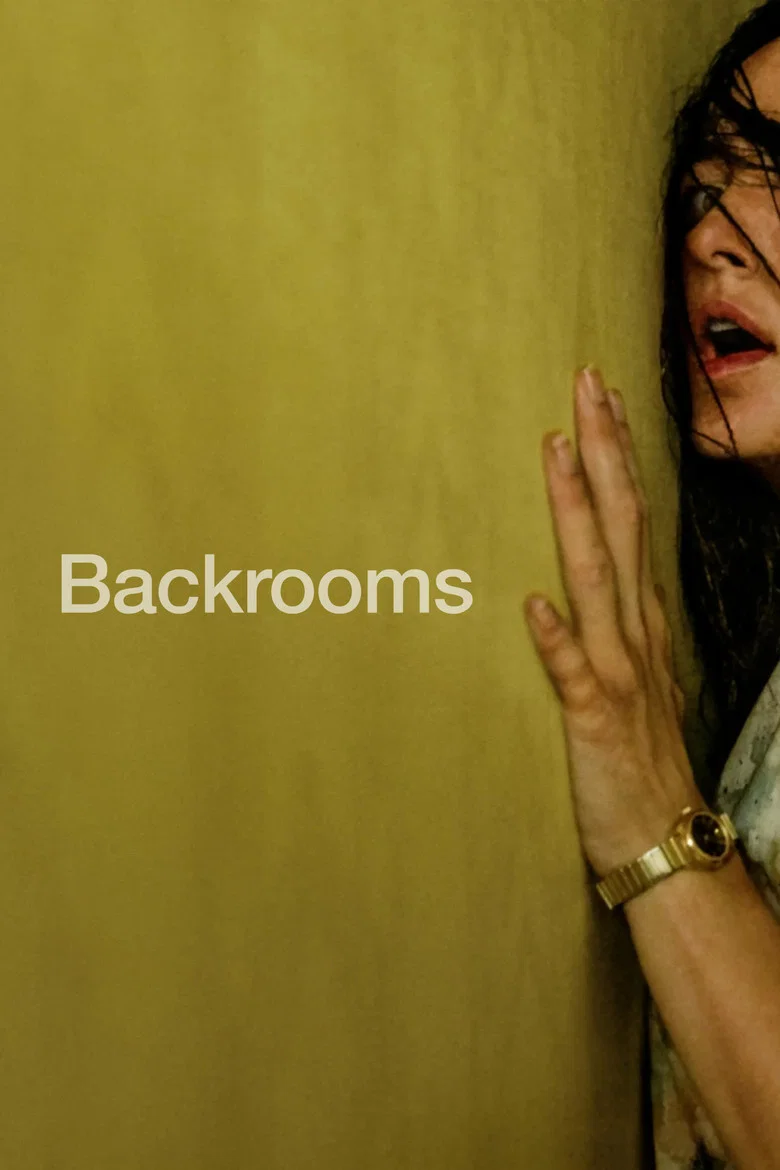
A24 has built its reputation on prestige horror and mid-budget arthouse gambles, not record-breaking blockbusters. Backrooms just rewrote that reputation. Adapted from a viral internet horror series about an endless, wrong-feeling office building, the film has become the studio's biggest release of all time, crossing $300 million worldwide on a budget of roughly $10 million. That's not just a hit. It's one of the strangest, most improbable success stories in recent box office history, and it started as a creepypasta.
From Creepypasta to YouTube Series
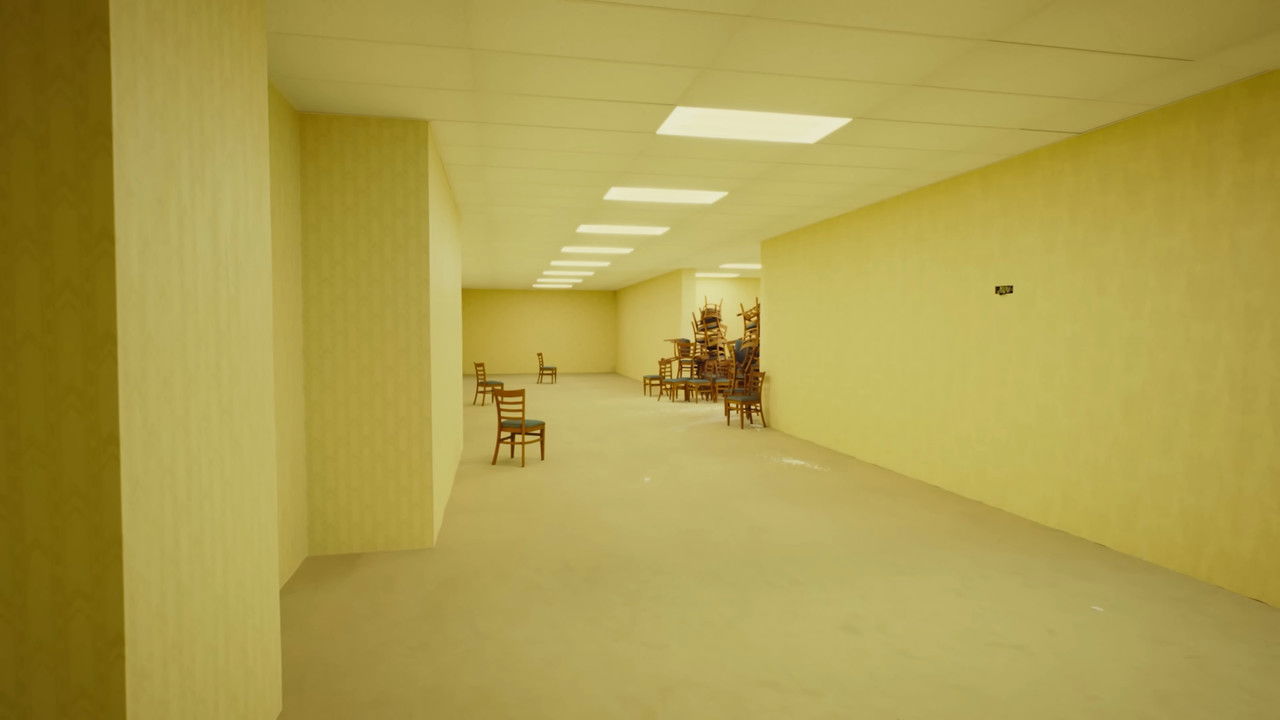
The "Backrooms" concept didn't originate in a studio pitch meeting. It began as an internet creepypasta built around the idea of "noclipping" out of reality into an endless network of empty, fluorescent-lit office rooms — the kind of space that looks almost normal until you notice nothing about it makes sense. The aesthetic became shorthand across horror-adjacent corners of the internet for what's now commonly called "liminal space" horror: transitional, in-between places (empty malls, motel hallways, parking garages) that feel unsettling precisely because nothing is overtly wrong with them.
Kane Parsons picked up that concept and ran with it, turning it into an analog-horror YouTube series that spread well beyond the niche communities where the Backrooms meme originated. Analog horror as a form leans on the aesthetics of found footage, VHS static, and unreliable narration to build dread without a traditional plot, and Parsons' series became one of the format's biggest breakout successes, racking up views well past what most YouTube horror content ever manages. That kind of internet-native success doesn't usually translate into theatrical features — plenty of viral horror concepts have died on the way to a studio greenlight. Backrooms didn't.
A24's $10 Million Bet
A24 and Chernin Entertainment co-financed the film for around $10 million, a modest budget by any studio standard and a genuinely small one for a film that would go on to open north of $80 million domestically. It's the kind of budget A24 typically reserves for the mid-tier horror titles that make up a large chunk of its release slate — films built around a strong hook and a contained shoot rather than movie-star salaries or effects-heavy set pieces.
What makes the bet notable is who was behind the camera. Backrooms marks Kane Parsons' feature directorial debut, adapting his own material for the jump from YouTube to a wide theatrical release. Handing a first-time feature director control of a project this closely tied to his own internet fanbase is a specific kind of risk — the same instincts that make a YouTube series work don't automatically scale to a 90-plus-minute theatrical horror film. Whatever concerns A24 had going in, the opening weekend numbers suggest the bet paid off far beyond anyone's projections.
The Opening Weekend That Obliterated A24's Own Record
Backrooms opened to $81.4 million domestically and $118 million worldwide. To put that in context: it's more than triple A24's previous opening-weekend record, which belonged to Alex Garland's Civil War at $25.5 million back in 2024. That wasn't a close call or an incremental improvement — it's a record blown so far past the previous mark that it effectively puts Backrooms in a different tier of A24 release entirely.
A24's identity for over a decade has been built on prestige and cultural cachet rather than blockbuster scale — films like Everything Everywhere All at Once, Hereditary, and Midsommar earned critical adoration and cult followings, but none opened anywhere near $81 million. Backrooms didn't just beat the studio's record, it operated on a completely different commercial axis than anything A24 had released before.
Six Days to $100 Million
The film kept climbing after opening weekend. Backrooms crossed $100 million domestically after just six days in theaters, becoming the first A24 movie ever to reach nine figures domestically. Plenty of studio tentpoles take that long to hit $100 million; for a $10 million horror film adapted from a YouTube series, six days is an extraordinary pace.
By its fourth weekend, the film's worldwide total had reached $301 million, making it A24's first and only film to cross the $300 million mark globally. That single number reshuffled the studio's entire box office history — Backrooms surpassed Marty Supreme to become A24's highest-grossing release ever, a title that had presumably felt secure for a while before a horror film about an internet meme walked in and took it.
The Youngest Director to Open at No. 1
The box office numbers alone would make Backrooms a notable story. The fact that Kane Parsons was 20 years old when the film opened pushes it into a different category of headline entirely. That reportedly makes him the youngest filmmaker ever to direct a film that opened at No. 1 at the domestic box office, surpassing Josh Trank, who was 27 when Chronicle debuted atop the chart in 2011.
Trank's Chronicle was itself considered a remarkably young directorial debut to reach No. 1 — a found-footage superhero film that turned a modest budget into a franchise-launching hit. Parsons beating that mark by seven years, on a film adapted from his own YouTube series rather than an established property, is the kind of statistic that tends to get repeated in every piece of coverage about him for the rest of his career. It also underlines how directly this project traces back to internet-native filmmaking talent rather than the traditional festival-to-studio pipeline that produces most feature debuts.
What Critics Are Actually Saying
Away from the box office story, Backrooms has landed a genuinely strong critical reception. The film holds an 87% "Certified Fresh" score on Rotten Tomatoes across 102 reviews — a solid consensus for any horror film, let alone one adapted from internet found-footage aesthetics that don't always translate cleanly to a traditional feature format.
Variety's Owen Gleiberman praised the film's mood over its mechanics, writing that "as an atmospheric freakout, Backrooms is extraordinarily effective." The Los Angeles Times' Amy Nicholson reached for a fine-art comparison, describing the film as playing out like "a surrealist painting in motion" and invoking "Salvador Dalí's wasteland of melting clocks" to capture its disorienting visual language. Both reviews point at the same underlying strength: this is a film critics are responding to primarily as a sensory, atmospheric experience rather than as a conventionally plotted horror story.
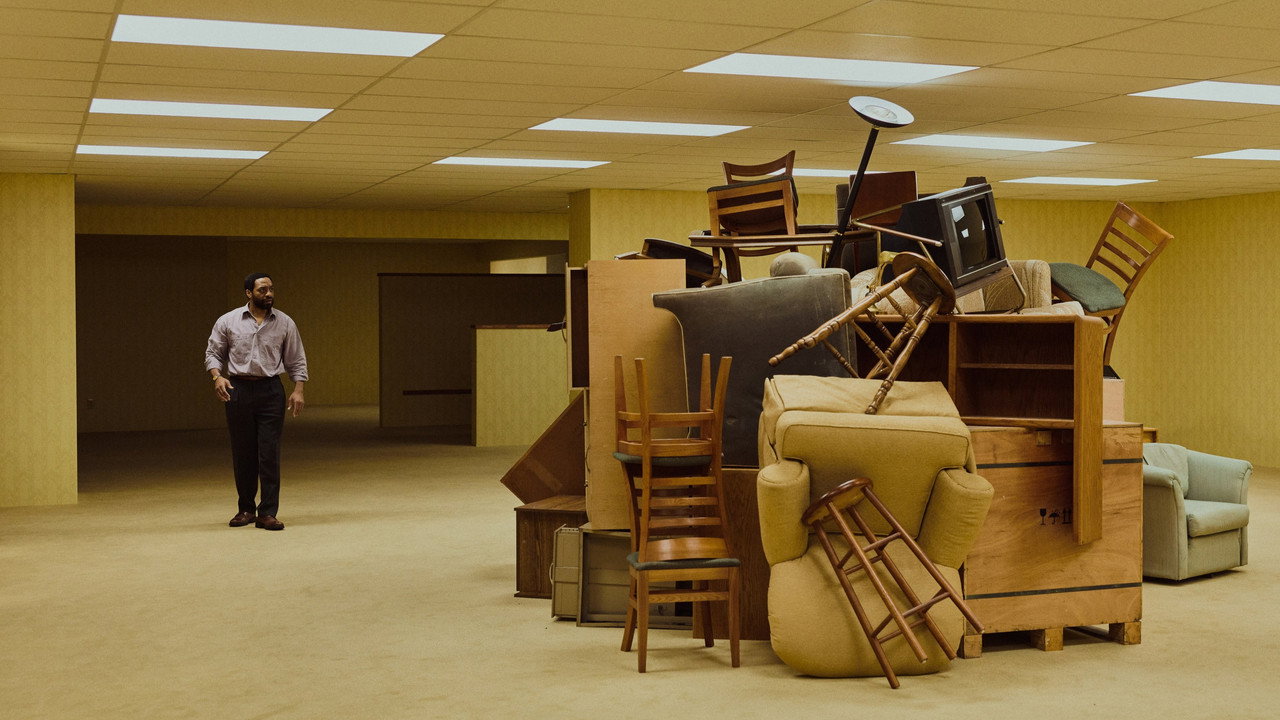
Chiwetel Ejiofor, who stars in the film, was singled out by critics as a stabilizing presence at the center of that atmosphere — the kind of grounded, credible performance that keeps a film built around dreamlike dread from floating away entirely. For a movie this reliant on tone and visual disorientation, having an actor of Ejiofor's caliber anchoring the human stakes appears to have mattered a great deal to how critics received it.
The Audience Divide
Critical acclaim and audience enthusiasm aren't the same thing, and Backrooms is a case study in that gap. While the Tomatometer sits comfortably in "Certified Fresh" territory, Rotten Tomatoes' own editorial coverage has noted that audience reception is considerably more divided than the critical consensus. The sticking point, per that reporting, is the film's ending — deliberately ambiguous and left largely unexplained, in keeping with the unresolved, exploratory tone of Parsons' original YouTube series.
That's not a surprising split once you consider where the material comes from. Analog horror as a genre trades heavily in mystery without payoff — the appeal of the original creepypasta and the YouTube series that grew out of it was always the unanswered "what is this place and why" hanging over every entry, not a tidy resolution. Critics, largely predisposed to reward formal ambition and atmosphere, seem to have met the film on those terms. A broader theatrical audience buying a ticket off the marketing, expecting something closer to a conventional horror narrative with an explained threat and a resolved ending, appears to be where some of that audience frustration is coming from. It's a familiar pattern for genre films that prioritize mood over mechanics, playing out here on a much bigger commercial stage than usual.
An Unusually Fast Trip to Streaming
Adding to the film's unusual release story, Backrooms reached digital release and HBO Max sooner than typically expected following its theatrical run. Studios have increasingly compressed theatrical windows over the past several years, but moving a film performing this well in theaters to streaming ahead of the traditional pace is still a notable decision, and it suggests A24 saw an opportunity to capture the audience still discovering the film online — many of whom likely have a preexisting relationship with Parsons' YouTube channel — without waiting out a longer exclusivity window.
What This Means for A24
Backrooms doesn't erase what A24 has built its identity on over the past decade, but it does expand the range of what the studio is now capable of commercially. A studio known for turning out beloved, modestly-scaled prestige titles has just proven it can also produce a genuine mainstream box office phenomenon, and it did so not by chasing an established franchise or a starry ensemble cast, but by handing a 20-year-old internet creator control of his own viral property. Whether that becomes a repeatable playbook for A24, or a one-off lightning strike built around a specific meme's cultural moment, is the question the studio's next few years of programming will answer. For now, the numbers speak for themselves: a $10 million horror film about an endless, empty office building is the biggest movie A24 has ever released.
With Backrooms already A24's highest-grossing film ever and still generating box office headlines, a sequel or expanded franchise treatment of Kane Parsons' liminal-space mythology looks likely, though nothing has been officially announced.