End of Abyss Review Roundup: A Stylish Tarsier-Veteran Debut That Critics Can't Agree On
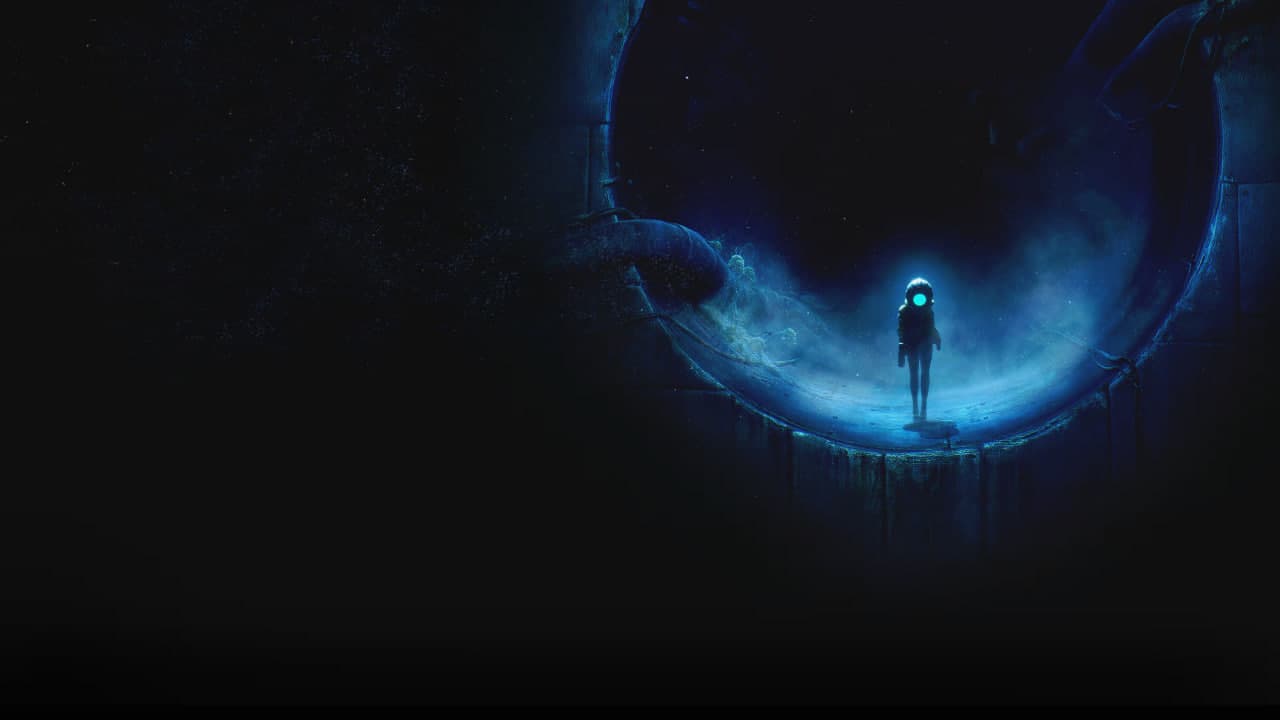
End of Abyss launched October 1, 2026, and the first wave of reviews describes a game that is easy to admire and harder to love. It is the debut project from Section 9 Interactive, a Malmö studio whose team, according to GameTyrant, previously worked at Tarsier Studios on Little Nightmares, Little Nightmares II and REANIMAL. That pedigree set a high bar for atmosphere. Critics largely say the game clears it. Whether it clears the bar for everything else is where the reviews fracture.
The scores
On Metacritic, as of October 3, End of Abyss holds a Metascore of 76 ("Generally Favorable") from 14 critic reviews. Of those, 9 are positive and 5 are mixed, and none are negative. Metacritic also lists a separate PC score of 66 from just 5 critic reviews. A five-review sample is too thin to say anything about the PC version specifically, so treat that gap as noise rather than a platform diagnosis.
OpenCritic's listing, which we could not re-read directly because the page is script-rendered, reportedly shows an average of 73 ("Fair") with 53% of critics recommending the game. A 53% recommend rate next to a 76 on Metacritic is itself a sign of the split: plenty of critics are giving it passing grades without telling readers to go out and buy it.
OpenCritic lists the following individual scores, which we have not independently confirmed outlet by outlet:
| Outlet | Score |
|---|---|
| PlayStation Universe | 9 |
| DualShockers | 8 |
| Push Square | 8 |
| GameRant | 7 |
| IGN | 6 |
| GameSpot | 6 |
From reviews we read directly, DayOne gave it 7.0 out of 10, CGMagazine scored it 6/10, and The Outerhaven came in at 3.5 out of 5. Taken together, that is a game spanning roughly a 6 to a 9, with a cluster in the middle.
What the game is
According to GameTyrant's explainer, End of Abyss is a 3D top-down twin-stick sci-fi horror game with Metroidvania-style progression and crafting. You play Cel, a combat technician stranded in an abandoned underground facility. GameTyrant lists Alien and The Thing as the game's cited inspirations. It launches on PS5, Xbox Series X/S and PC through the Epic Games Store at $29.99, per that same outlet, and Metacritic lists Epic Games as the publisher.
That is a distinctive pitch. A top-down twin-stick shooter with Metroidvania progression is a different genre template from the one most people associate with Little Nightmares, and it depends heavily on map design, gating and combat feel. As the reviews show, those are the areas where it struggles most.
What critics loved: mood and visuals
The praise is the least contested part of the coverage. DualShockers' Christian Bognar, who scored the PS5 version 8/10 on September 30, praised the game's atmosphere and visuals. That fits the expectation that a team with this background would know how to make a derelict facility feel oppressive and strange.

The pattern across the coverage we read is that presentation is the reason to play and the moment-to-moment design is the reason to hesitate. The Outerhaven's Keith Mitchell, who gave the game 3.5 out of 5, is a good example of the second half of that sentence, and his objections are about gameplay and tension rather than how the game looks.
Bognar also notes that the story is withheld rather than explained, a choice that suits the Alien and Thing lineage the game cites. That approach tends to land well with players who enjoy piecing together environmental storytelling, and less well with those who want clearer direction. As we'll see, "less clarity" is both the game's artistic strategy and its most common practical complaint.
The map and the backtracking
If one thing separates the happy reviews from the lukewarm ones, it is how critics felt about navigating the facility. The Metroidvania structure puts the burden on the map and on the game's signposting, and several reviewers say neither holds up.
CGMagazine's Jason Hon, reviewing the PC version on October 2, is the bluntest. He writes that "End of Abyss does a terrible job of telling the player where they should be going or what they should be doing." He also reports that map glitches force backtracking, and that an optional door stayed locked even after he destroyed the required energy nodes. By his account that issue was reportedly patched after his playthrough, though we could not find patch notes confirming it.
DayOne's Jon Clarke, who scored it 7.0 out of 10, is milder but lands on the same problem: "I found the in-game map very confusing." He also describes collision bugs severe enough that he could "fall out of the map entirely."
Even DualShockers, one of the more enthusiastic outlets, flags the same area in a more sympathetic register. Bognar describes a huge, complex map on which players can wander for hours, with progression blockades at nearly every corner. A big, interconnected space is the point of a Metroidvania, but when the game's own tools do not help you read it, that scale turns from a promise into a chore.
Because these complaints involve bugs (collision, a locked door, map glitches) as well as design, some of them may be fixable with patches. The confusion about where to go, though, is a design problem, and a patch will not fully solve it.
The combat loop
The second major fault line is combat. DayOne says combat "plays out like a twin-stick shooter," which is accurate to the game's billing, but several critics find the execution thin. CGMagazine reduces the loop to "dodge enemy attack, shoot, dodge enemy attack, shoot, etc." That is a pointed summary, and it suggests the encounters do not evolve much over the course of the campaign.

DualShockers adds a different wrinkle: Bognar says enemies move erratically, which makes them hard to hit. That is the kind of complaint that can turn a straightforward loop into a frustrating one. A repetitive rhythm is tolerable when it feels precise. It is much less so when aiming against unpredictable movement feels like fighting the controls rather than the monster.
Compare this with the broader expectations of the genre. Games in the Alien and The Thing tradition work best when combat is scarce and costly. According to The Outerhaven, End of Abyss undercuts that: Mitchell says unlimited ammo and twin-stick combat sap the tension. When shooting costs nothing, the facility stops feeling like a place where every encounter could be your last.
Is it actually scary?
This is the question that matters most for a game marketed as survival horror, and it is where the Outerhaven review is most damning. Mitchell writes: "For a survival horror game, there wasn’t a single moment when I felt fearful or even broke a sweat." That is a heavy charge against a game inspired by two of the most tense films in the genre.
He does single out one design element, the scanner glow, noting that "Light is scarce." It is a good idea on paper: restricting visibility is a classic way to build dread. But in his review it does not translate into sustained fear, in large part because of the combat setup described above.

Not every outlet feels the same way. The higher scores from outlets such as PlayStation Universe and Push Square, as listed by OpenCritic, suggest that plenty of critics found the atmosphere enough to carry the experience, and we have not read those reviews to say exactly why. The honest summary is that "horror" is the most subjective part of this game. Players who find tension in exploration and oppressive environments seem more satisfied than players who need combat risk to feel scared.
Why the split makes sense
When you put the complaints side by side, the divide is easy to explain. Praise concentrates on things that are cheap to evaluate in the first hour: look, mood, sound, the sense of being somewhere abandoned and wrong. Criticism concentrates on things that only emerge over a full playthrough: backtracking, map confusion, progression gating, combat repetition and bugs.
That also explains why the spread of scores runs from a 6 to a 9 without any outlet calling the game bad. No Metacritic review is negative. The debate is about how much weight to put on a polished surface versus structural friction. A reviewer who values atmosphere above all will land at the top of the range. One who spends hours lost in a confusing map will land lower.
It is also notable that this is a debut. A first game from a new studio, at $29.99, is being measured against the work of a famous studio the team once belonged to. It is a tough comparison, and many of the complaints, like signposting and combat variety, are the sort that tend to improve in a second game. The reviews we read describe a game whose mood is ahead of its systems.
The verdict, such as it is
End of Abyss is a game people will probably split on for the same reasons critics did. If you mainly want a moody, visually striking sci-fi facility to explore, the reviews suggest there is a lot here, and the price is modest. If you need tight combat, a legible map and real fear, the same reviews give you good reasons to wait for patches or a sale.
The most useful details for a buyer are specific. Expect to feel lost at times, and expect some of that to be the game's own signposting rather than intentional mystery. Expect combat that several critics find repetitive and low on tension. And expect a debut whose mood and visuals earn real praise, even from critics who score it in the middle of the pack.
The Silent Hill: Townfall roundup is a useful companion read. It covers another atmosphere-first horror release from a small studio where critics largely agreed on the mood and split on the mechanics, a pattern End of Abyss echoes closely.
Watch for patches aimed at the map, collision and progression bugs reviewers describe. CGMagazine's reviewer reportedly saw one blocked door fixed after his playthrough, though no patch notes turned up.