Ghost of Yōtei: Complete Edition Review Roundup: Echoes of Sekigahara Earns Its Return, Most Wanted Divides
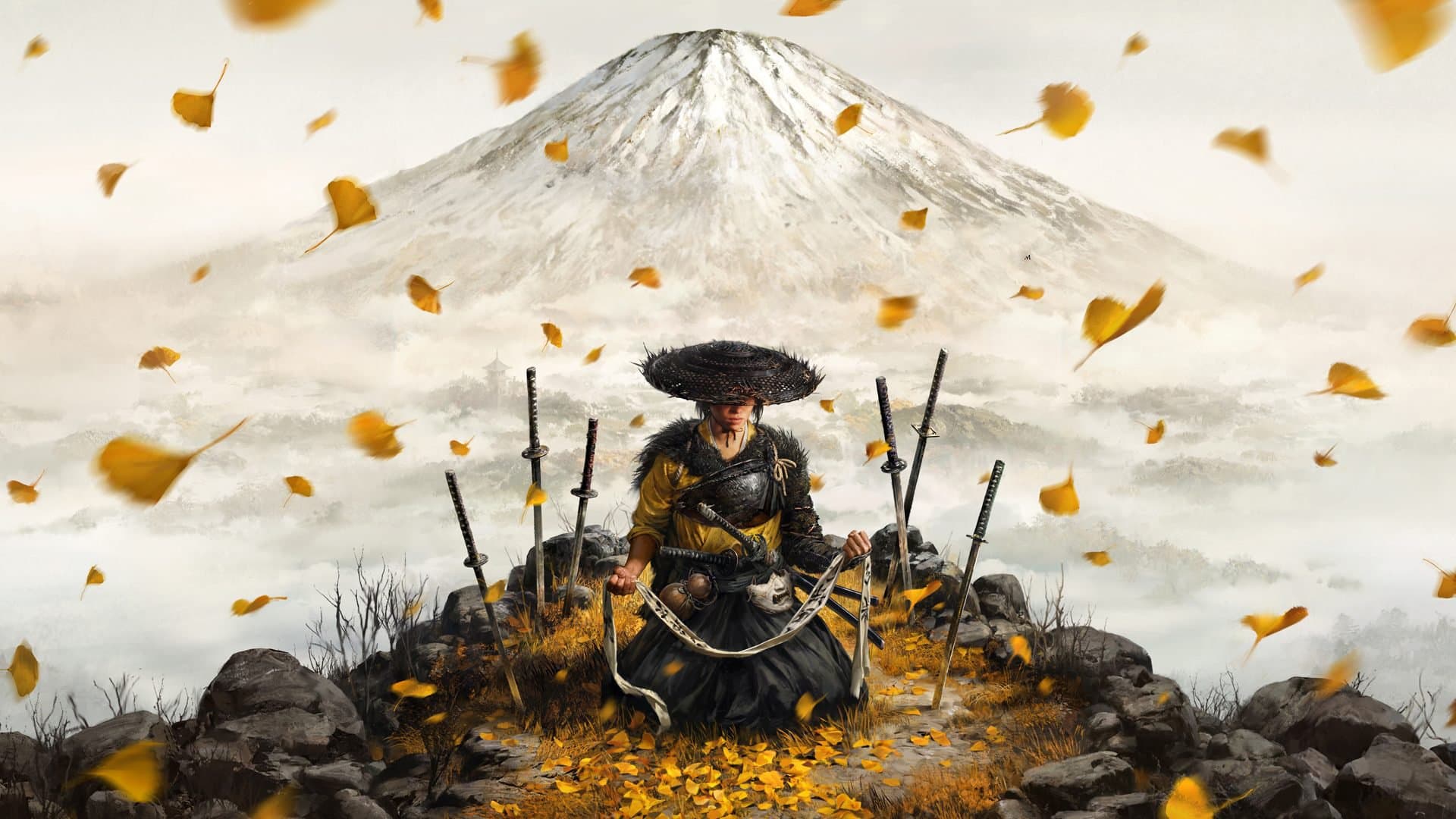
Ghost of Yōtei: Complete Edition went live on PS5 on October 1, 2026, with some Asian territories getting it a day later, according to the PlayStation Blog. We covered the announcement and what was promised back in September. Two days in, the first batch of reviews gives us something more useful: an actual read on whether Echoes of Sekigahara is worth reinstalling the game for, and whether the Most Wanted roguelike mode is the bonus or the afterthought. The short version is that critics like the story expansion more reliably than they like the new mode, though at least one outlet flips that order.
What you are actually buying
Per the PlayStation Blog, the Complete Edition is $69.99 for new players and a $14.99 upgrade for people who already own the game. The package contains the base game, Legends co-op for up to four players, and two expansions, Echoes of Sekigahara and Most Wanted, both delivered through a launch-day patch. Pre-orders placed by September 30 unlocked the Sakai Armor.
Sucker Punch also pushed a handful of free updates to every player, Complete Edition or not. The PlayStation Blog lists a "Beauty of Yōtei" screensaver mode, new Watanabe Mode music tracks, armor appearance and stats customization, and a high-contrast accessibility option. If you own the base game and have no intention of paying the $14.99, you still get something out of the patch.
The scores so far
Metacritic shows the Complete Edition at a Metascore of 85, which it labels "generally favorable." Every review counted there is positive, with nothing logged as mixed or negative. The review count is inconsistent between listings, so call it roughly 20 critics rather than anchoring on an exact number. This is a small, early sample, and an 85 built on a few outlets can move.
For context, OpenCritic's page for the base game, which launched October 2, 2025, shows a Top Critic Average of 87 from 169 reviews. OpenCritic does not list the Complete Edition separately, so that figure is background only and says nothing about the new content. The useful comparison is that the expansion-heavy package is landing in the same general neighborhood as the game it extends, which is what you would hope for from a bundle built on a well-regarded base.
Metacritic's page quotes GameSpew calling the package "the definitive way to play one of the best games available on PS5." That is a verdict on the whole bundle rather than on the new content specifically, and it is the sort of line a review of a complete edition tends to produce. More telling for the question this post is asking, VGC, whose review Metacritic quotes, wrote "It's a shame it isn't longer, but what is here is a vital new chapter in the Ghost's story." That is a neat summary of the pitch: not a big expansion, but one that matters to the narrative.
Echoes of Sekigahara: the case for going back
Reviews that dig into the expansion point in a consistent direction. Save Point Gaming, which scored the Complete Edition 8/10, says Nagato works as a foil for Atsu and describes the expansion as "less concerned with shocking revelations" than with context. That is worth reading carefully. It is praise for a particular kind of DLC, one that deepens what you already know about the protagonist rather than blowing up the premise.
Inven Global lands in a similar place from a different angle. Its review, headlined "Slightly Flawed, but Still Endlessly Fun," does not give a numeric score, but it says the expansion solidifies Atsu's character. It also tempers that: the core combat is largely unchanged. Anyone hoping Echoes of Sekigahara would reinvent how the game plays should take that on board.
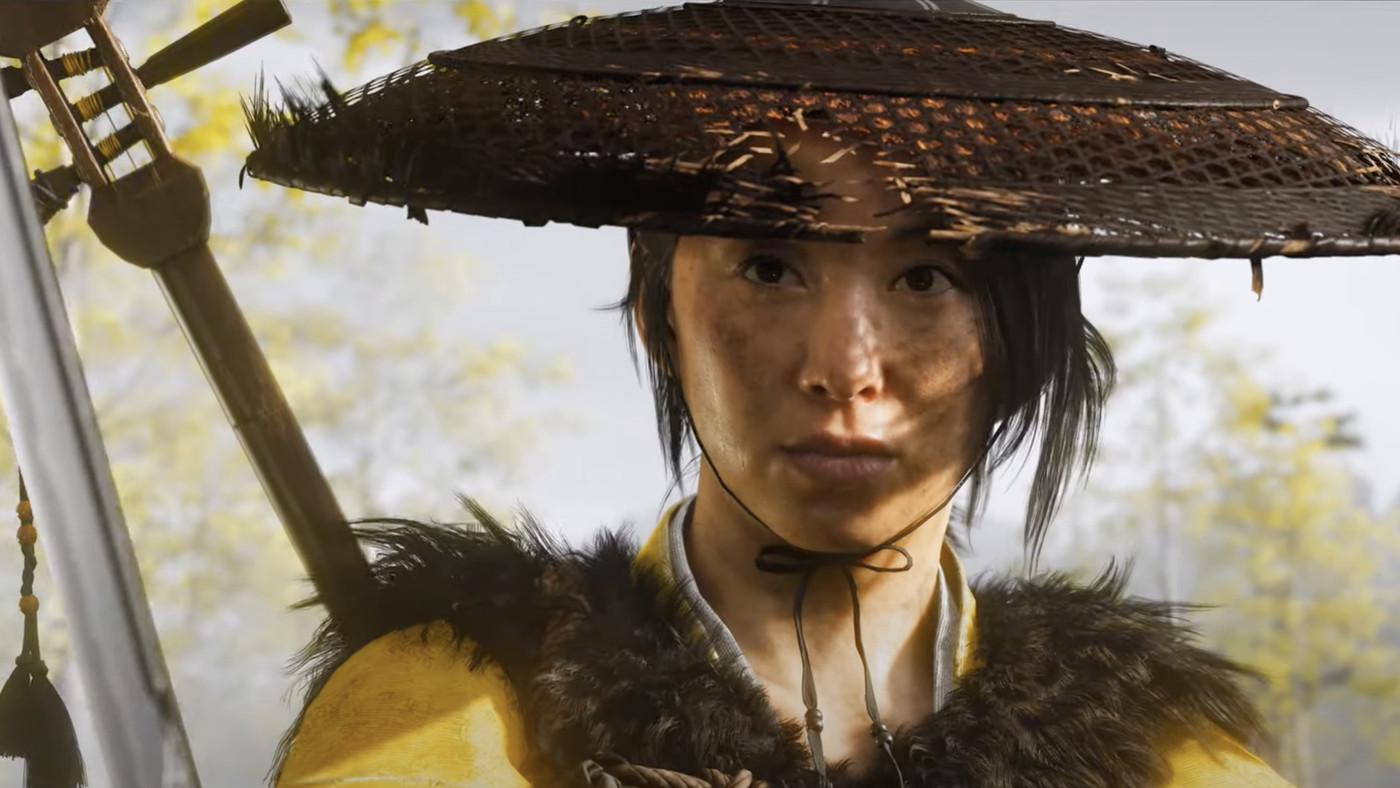
The PlayStation Blog frames the expansion as a narrative piece split between the present and flashbacks, built around Nagato, described as a figure from Atsu's past, and the Battle of Sekigahara. Headline-level coverage from other outlets points the same way. VGC's headline calls it "an expansion worth returning for," and Push Square's reads "Atsu Shines in Story DLC, But Most Wanted Mode Steals the Show." We could not read either full review (for VGC, we have only the short blurb Metacritic quotes), so treat those as headlines only and not as detailed arguments. VGC's snippet also hinted at the length of the campaign, but we are not repeating a figure we could not confirm.

Heavy weapons and status effects
The new gameplay hooks are small but specific. According to Inven Global, the expansion takes place in a new region called the Ashoro Foothills and adds a Heavy Weapons system. These are limited-use pieces of gear meant for stripping enemy armor. It also adds status effects: embedded arrows block Spirit healing, and meteor hammers can incapacitate.
Save Point Gaming agrees that the "Massive Weapons" are satisfying but do not overhaul combat. That matches Inven's read. The additions give you new answers to armored enemies and new ways to be punished, but they sit on top of a combat model that was already established. For players who finished the base game and found its fights comfortable, that is probably fine. For players who wanted a deeper mechanical shake-up, it will feel like a modest coat of paint.
The complaints
Save Point Gaming's complaints are mild. In its Most Wanted discussion it notes that higher-level bounties throw larger groups of enemies at you, which exposes a weakness in lock-on: with several enemies closing in, keeping the camera and target selection where you want them can get awkward, though the review says this never overwhelms what the mode does well. On the expansion's story, it says the broader storytelling can be predictable but that this rarely becomes a serious problem. An expansion that is about context rather than revelation can still land as a story you mostly saw coming.

Most Wanted: the roguelike gets a mixed welcome
The PlayStation Blog describes Most Wanted as a roguelike combat-survival mode in which bounties start each run, with Atsu (dual katana), Oyuki (kusarigama) and Nagato (yari) named as playable. Inven Global lists a four-character roster, adding Jin Sakai, and describes perk-based builds and a persistent currency. That is a sensible structure for a mode built on combat that already works. It is also where critics diverge most.
Inven Global says Most Wanted "feels decidedly casual" next to Legends, which it describes as having its own storyline and a large volume of content; Most Wanted has no such storyline, and Inven found varied builds hard to craft. That is a pointed comparison. Legends is the co-op mode bundled in the same package, and Inven is effectively saying the new mode is thinner than the one it sits next to.
Save Point Gaming takes a warmer view. Its review says perks create interesting combinations in Most Wanted, and that higher bounties demand target prioritization. In other words, it sees more tactical texture than Inven does. Push Square's headline goes further and says the mode "steals the show" from the story DLC, though again, we only have the headline.
So the honest summary is a split. One reviewer we could read in full finds the mode casual and shallow next to Legends. Another finds enough perk interplay and difficulty scaling to keep it interesting. A third, going by its headline alone, rates it highly alongside the story DLC. A mode that earns "casual" from one outlet and "steals the show" from another is probably one that works best as a light, replayable loop and less well as something you build a long run around.
Who should upgrade
Taking the sources together, the decision splits by what you want from the game.
If you finished Atsu's story and want more of it, the expansion has the strongest support. Save Point Gaming and Inven both credit it with character work, VGC calls it a vital new chapter in the blurb Metacritic quotes, and its headline says it is worth returning for. The caveat is that the combat is mostly the same and the story is not built around big twists.
If you want a reason to play Ghost of Yōtei's combat without the open-world commitment, Most Wanted is the less certain bet. Critics who like it point to perks and bounty difficulty. Critics who do not point to the missing depth compared with Legends. A $14.99 upgrade price makes that gamble cheaper for existing owners, since you are getting both expansions for it.
If you have never played the game, the Complete Edition at $69.99 is the cleaner option, and the GameSpew line quoted on Metacritic is the most direct endorsement of that. A new player is also the one for whom the "combat is largely unchanged" complaint matters least, since the base combat is what they are there for.
How this fits the larger picture
A year after launch, Sucker Punch is doing what studios do with successful single-player games: extend the tail without committing to a sequel. The reception so far suggests that approach is working for the story content and being tested by the new mode. An 85 on Metacritic with no negative reviews is a solid outcome for a bundle that is mostly asking existing owners to pay for a modest add-on.
The numbers will move. Roughly 20 reviews is a small sample, and the outlets that tend to publish later, such as those that wait to play through a full mode, may be harder on Most Wanted than the early ones. We will update if the picture changes meaningfully.
The verdict
The consensus takeaway is that Echoes of Sekigahara is a good reason to return if what you miss is Atsu, and that it is not a reason to return if what you miss is a fresh combat system. Most Wanted is the open question: a casual, perk-driven survival mode that reviewers read as either a pleasant extra or a thin one. For a $14.99 upgrade, existing owners are paying a small amount to find out which camp they are in.
Expect Sucker Punch to patch Most Wanted's balance and camera complaints if they persist, and watch whether the Metacritic count grows past roughly 20 reviews and holds near 85 as more outlets publish.