Sense and Sensibility Review Roundup: Daisy Edgar-Jones Adaptation Can't Escape the Shadow of 1995
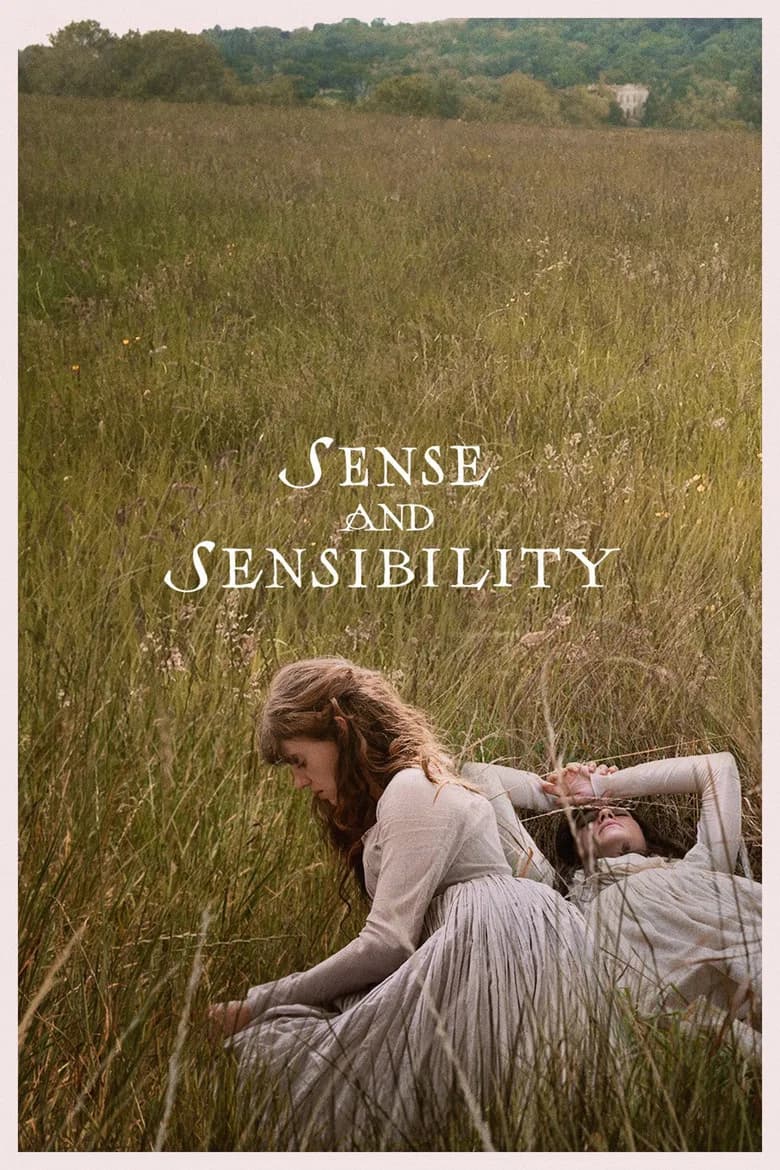
Jane Austen's Sense and Sensibility hasn't had a proper English-language feature film treatment since 1995, when Ang Lee directed a script Emma Thompson wrote and starred in — a film that won Thompson an Oscar and has spent three decades as the default reference point for anyone adapting Austen at all. That's the shadow director Georgia Oakley and screenwriter Diana Reid are stepping into with their new version, and the early reviews make clear the comparison isn't optional. Almost every review of the 2026 film brings up 1995 unprompted, whether to praise the new film for honoring it or to knock it for falling short.
What This Version Is
Oakley, best known for her 2022 drama Blue Jean, directs from a screenplay by novelist Diana Reid. The cast is built around Daisy Edgar-Jones as Elinor Dashwood, the sensible elder sister trying to hold her family together after they lose their estate, and Esmé Creed-Miles as Marianne, the younger sister whose emotions run in the opposite direction. George MacKay plays Edward Ferrars, Herbert Nordrum plays Colonel Brandon, and Frank Dillane plays John Willoughby — the three men whose entanglements with the sisters drive most of the plot. Caitríona Balfe plays the girls' mother, Mrs. Dashwood, Stacy Martin plays Fanny Dashwood, and Bodhi Rae Breathnach rounds out the Dashwood household as the youngest sister, Margaret.
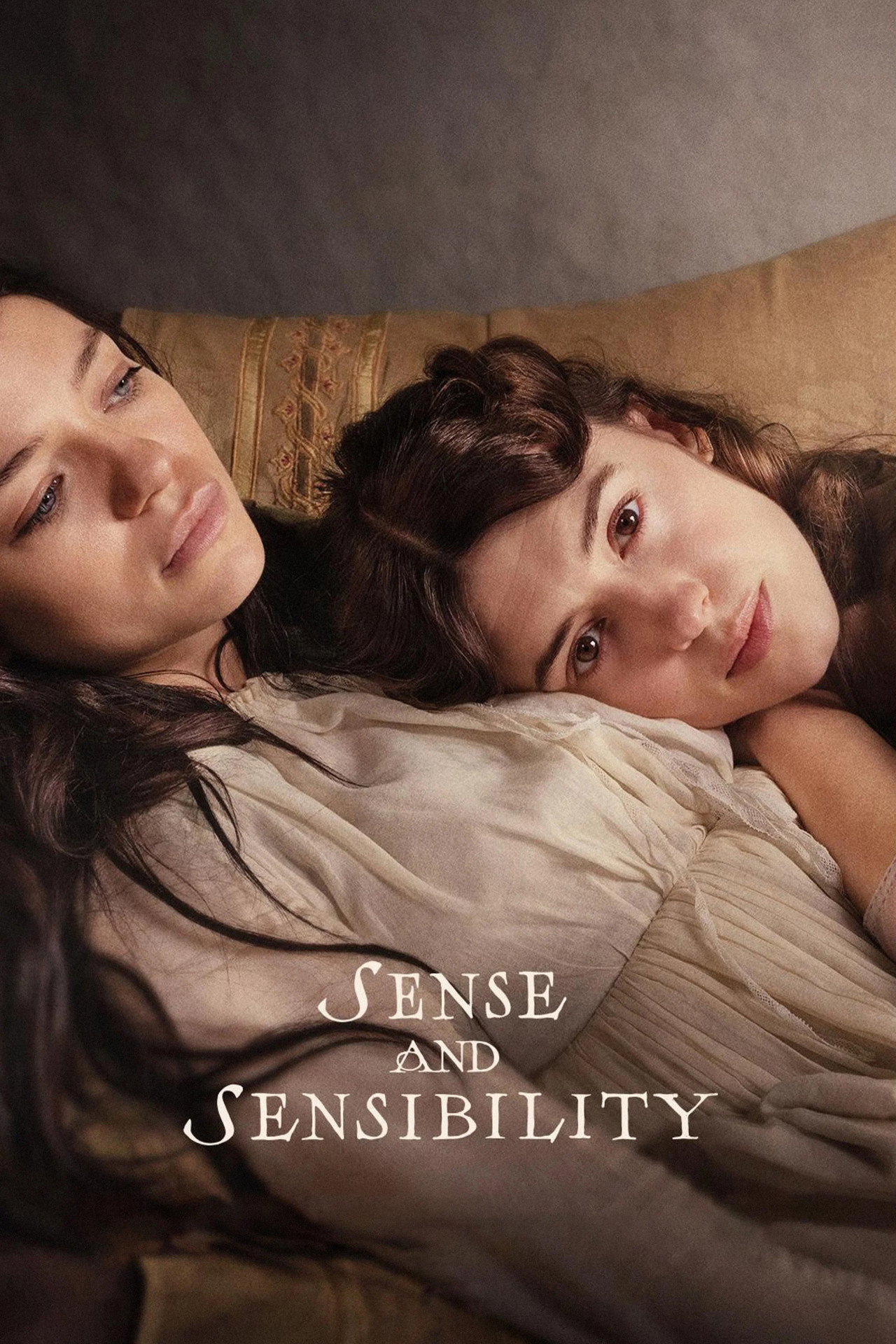
The film is set for UK theaters on September 25, 2026, based on the available reporting, though that date comes from secondary sourcing rather than a single confirmed press release, so treat it as likely rather than locked. The US theatrical release is more solidly dated for October 16, 2026.
The Plot Austen Fans Already Know
The bones of the story haven't changed. Two sisters with opposite temperaments — sense and sensibility, as the title flatly states — lose their family home after their father's death and have to navigate love, money, and social standing in Georgian England with drastically reduced means. Elinor keeps her feelings buttoned up even as her attachment to Edward Ferrars gets complicated by his family's expectations. Marianne falls hard and fast for Willoughby, with far messier consequences, while Colonel Brandon waits quietly in the background. It's a story about financial precarity as much as romance, and how differently two people can cope with the same kind of loss.
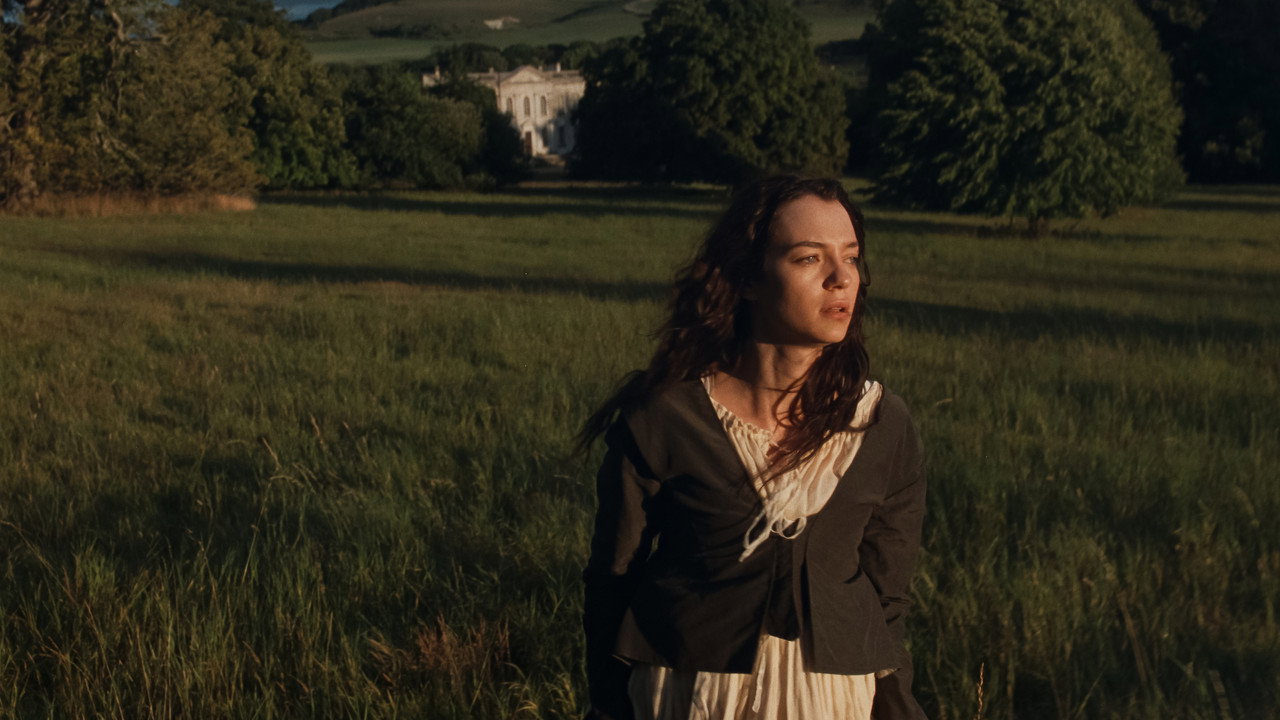
That dual focus — money and matrimony, inseparable in Austen's world — is exactly where the new film's reviews start to diverge.
TheWrap: "Enchanting and Beautiful"
TheWrap's William Bibbiani is the most enthusiastic voice in this roundup so far. He calls the film "enchanting and beautiful," and singles out Edgar-Jones for what he describes as "steely, tearjerking resolve" as Elinor, alongside praise for Creed-Miles's performance as Marianne, which he frames around her character's "emotional self-destruction." Bibbiani also picks out the film's visual approach as a deliberate departure from the genre's usual gloss — he describes "melancholy undertones and historical oppression alongside Austen's wit," achieved through what he calls a "dry brush" aesthetic and "realistic lighting rather than escapist fantasy." That's a notably less romanticized visual language than the golden-hour prettiness most period Austen adaptations lean on, including the 1995 film.
Tellingly, even Bibbiani's positive review reaches for the 1995 comparison — he invokes Lee's version as evidence that "Austen's work is just as important as ever," using the earlier film's legacy to argue for the new one's relevance rather than treating it as competition. It's a generous way to bring up the comparison, but it's still the comparison every review in this roundup makes in one form or another.
Empire: "Handsome But Derivative"
Empire's review is considerably cooler, and it's the most detailed critical case against the film so far. The outlet calls it "handsome but derivative" and "a little bloodless," arguing that Austen's characteristic wit has been "sanded down to fit a more romantic mould." That's a specific and fairly damning complaint for an Austen adaptation — wit is arguably the thing Austen is most known for, more than the romance plots that tend to get foregrounded in film versions of her novels.
Empire's sharper argument, though, is about structure. The review contends that the real emotional center of Sense and Sensibility has always been the relationship between the two sisters — "the story's real heart," in Empire's phrasing — and that this adaptation shortchanges it by expanding the romantic subplots instead. According to the review, the film starts out foregrounding the Dashwood women's financial insecurity, which tracks with Austen's own priorities, but then pivots toward more conventional romance territory as it goes, leaving the sisters' relationship underserved in the process. That's a meaningfully different failure mode than "this isn't as good as the original" — it's a specific claim about what the adaptation chose to emphasize and what it let slide.
Deadline and GoldDerby: Headlines Pointing the Same Direction
Two more outlets are worth flagging here, though the caveat is bigger than usual: both Deadline and GoldDerby have reviews or roundups behind paywalls or in snippet form, so what follows is headline-level framing rather than a full accounting of either outlet's argument.
Deadline's headline frames the film as a "Rebellious Take on Jane Austen," suggesting the outlet reads Oakley and Reid's version as leaning more into satire than the earnest romanticism Austen adaptations usually go for. Without the full text, it's not clear whether Deadline means that as a compliment or a knock, but it's a distinct framing from either TheWrap or Empire — less about whether the film succeeds and more about what kind of film it's trying to be.
GoldDerby's review roundup characterizes the emerging critical consensus as calling the film a "solid undertaking" that "lacks the charm of Ang Lee's 1995 version." That's about as clean a summary of the overall reception pattern as exists right now — competent, professionally made, just missing whatever made the earlier film stick the way it did. Again, this is being treated here as a snippet rather than a fully sourced claim, since the underlying roundup text wasn't fully accessible.
The Rotten Tomatoes Number, With a Big Asterisk
Search-engine aggregation currently puts the film at 82% "fresh" on Rotten Tomatoes, based on 11 reviews counted at the time that figure was reported. That's a solid number on its face, consistent with the "mixed-to-positive rather than a disaster" read the individual reviews above support. But it's worth being upfront that this figure comes from search synthesis rather than a directly verified visit to Rotten Tomatoes' own page, and with only 11 reviews counted, it's the kind of early number that can move meaningfully in either direction as more critics weigh in ahead of the UK and US release dates. Treat 82% as a snapshot, not a final grade.
Why the 1995 Comparison Is Unavoidable
It's worth pausing on why every single review keeps circling back to Ang Lee's film specifically, rather than just judging the new one on its own terms. Part of it is timing — this is the first English-language feature adaptation of the novel in over thirty years, so there's no recent version to compare it to instead. Part of it is Emma Thompson's screenplay, which won the Academy Award for Best Adapted Screenplay and set a template for how to compress a dense Austen novel into a two-hour film without losing the social satire that makes the books work. And part of it is simply that the 1995 film has become a genre benchmark the way certain adaptations do — the way, say, a new Pride and Prejudice gets measured against the 2005 Keira Knightley version or the 1995 BBC miniseries, whether or not that's fair to the new attempt.
That benchmark status cuts both ways for Oakley's film. TheWrap uses it as a reason the new film matters — proof that Austen still has something to say. Empire and, per its headline, GoldDerby use it as the standard the new film doesn't clear. Neither position is unreasonable, and the split between them is really a disagreement about how much a new adaptation owes to the story's dominant classic version and how much room it should carve out for itself instead.
The Sisters vs. the Suitors Problem
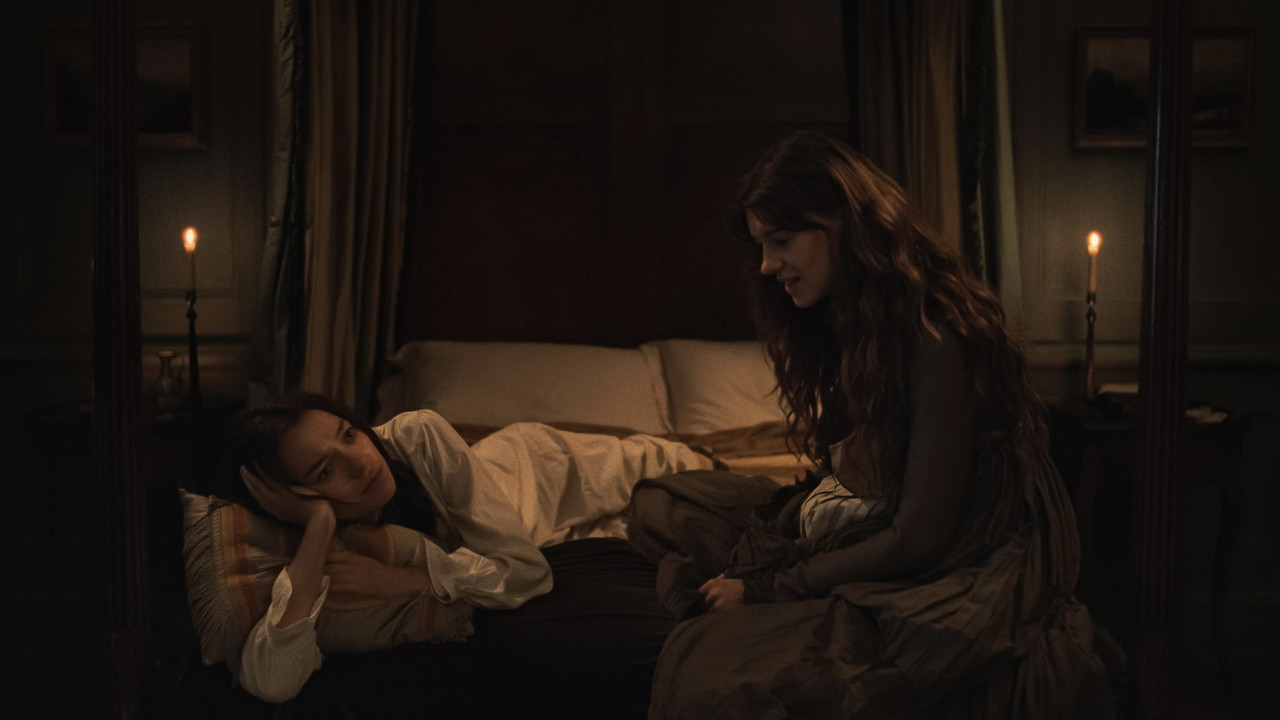
Empire's specific complaint — that expanding the romantic subplots crowds out the Elinor-Marianne relationship — is worth sitting with a little longer, because it points to a structural choice that goes beyond taste. Austen's novel spends enormous energy on how differently the two sisters process the same crisis: the loss of their home, their father, and their financial security. Elinor represses. Marianne performs. The romances with Edward, Willoughby, and Brandon matter, but they're arguably vehicles for that sisterly contrast more than the point of the story in themselves. A film that leans harder into the men's storylines risks turning Austen's argument about repression and expression into a more conventional love triangle-plus-love triangle structure, which is a real shift in what the story is actually about, not just how much time each plotline gets.
Whether that's actually what happens in Oakley's film is something only a fuller viewing — or fuller reviews than what's been sourced here — can settle definitively. But it's a specific, checkable claim rather than vague disappointment, and it lines up with GoldDerby's shorthand about the film lacking "charm" even while being "solid" on a technical level. A film can be well-directed, well-cast, and handsomely mounted while still getting its own thematic emphasis wrong, and that's roughly the case Empire is making.
Where This Leaves Austen Fans
Taken together, the reviews collected so far describe a film that isn't a disaster and isn't a triumph — a "solid," "handsome" adaptation, in the roundup language, that does some things its predecessor didn't (that dry-brush, less-escapist visual style TheWrap highlights) while reportedly losing some of what made the story work as well as it did the first time around. Edgar-Jones and Creed-Miles both come out of this round of reviews with their performances singled out favorably, even from outlets otherwise cool on the film overall, which suggests the casting isn't where the disagreement lives. The disagreement is about tone, structure, and how much of Austen's wit survives the trip to 2026.
For a novel that's been adapted before in TV miniseries form and given modernized spins over the years, a straight period adaptation arriving more than thirty years after the version most people still default to was always going to invite this exact kind of scrutiny. Whether Oakley and Reid's Sense and Sensibility ends up remembered as a worthy companion to Lee and Thompson's film or as the answer to why nobody tried again for three decades will depend on how the wider critical picture and eventual audience reaction shape up once the film actually opens in the UK and, a few weeks later, in the US.
The film opens in UK theaters first, with a US theatrical release to follow on October 16, 2026, and the wider Rotten Tomatoes score will keep shifting as more reviews land in the run-up to both dates.