Valheim 1.0 Review Roundup: Deep North Closes Out 5.5 Years of Early Access
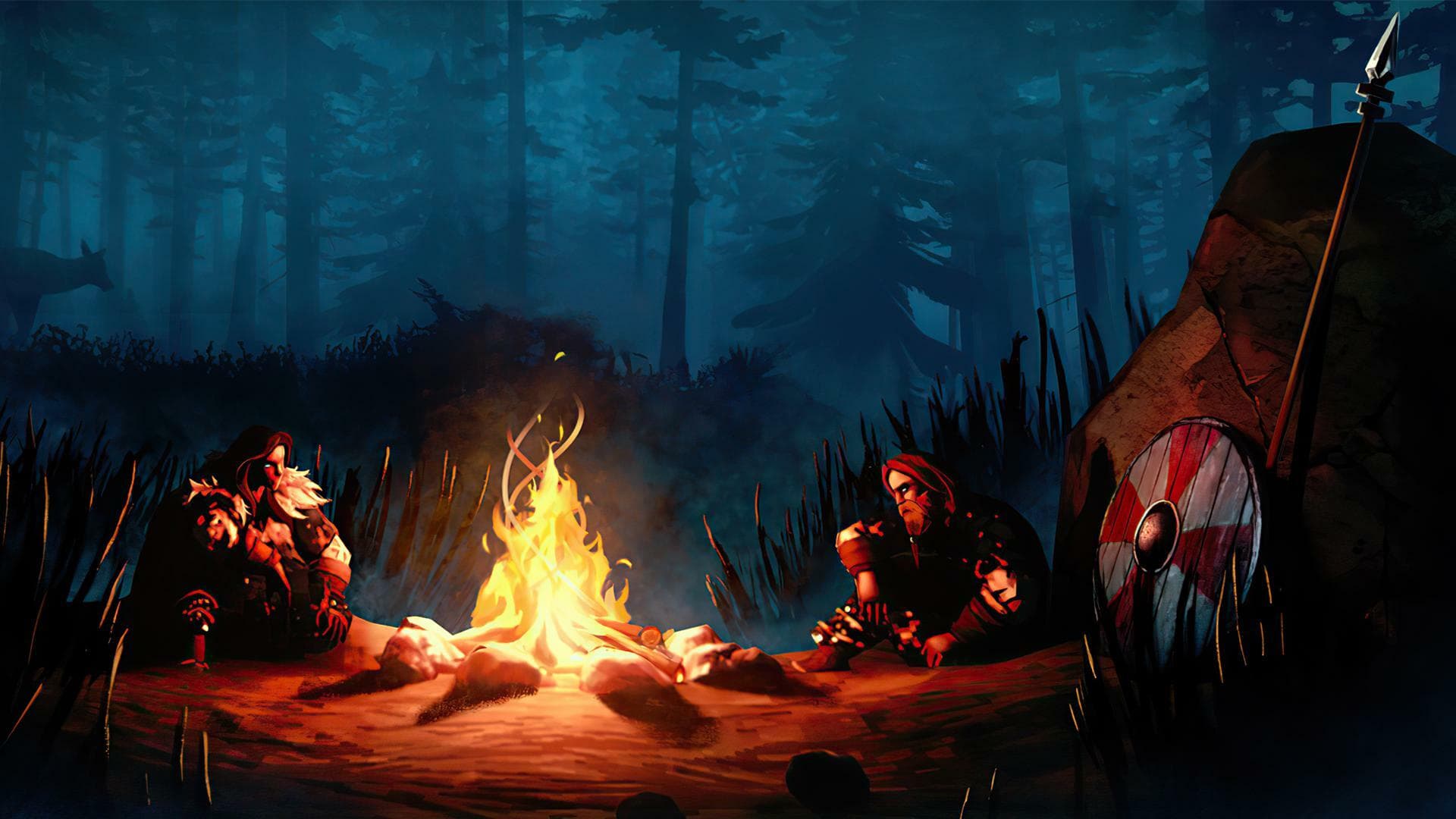
Valheim is out of Early Access. Version 1.0 launched today, September 9, 2026, roughly five and a half years after Iron Gate first put the game on Steam in February 2021 — a stretch of time long enough that an entire generation of survival-crafting games has come and gone while Valheim quietly kept selling and kept getting updated. Coffee Stain publishes it; Iron Gate, a studio that started this project with a handful of people, has spent half a decade building toward today.
That's an unusually long Early Access run even by the genre's own inflated standards, and it's worth sitting with for a second before getting into what 1.0 actually adds. Plenty of survival games either ship a thin Early Access build and abandon it within a year, or never leave Early Access at all, treating the label as a permanent excuse rather than a temporary state. Valheim did neither. Iron Gate used the full five and a half years to build out biome after biome — Meadows, Black Forest, Swamp, Mountain, Plains, Mistlands, Ashlands — and today's release adds the last one on the list: Deep North, the frozen endgame zone the studio has been building toward since the roadmap first leaked its name years ago.
Alongside the launch, Iron Gate released "(Y)our Journey," a retrospective video looking back on the five years of Early Access development — the kind of victory-lap release a studio only gets to make once, and one that frames today less as a normal content patch and more as the actual finish line for a project that's been publicly in progress since before a lot of current Valheim players even owned the game.
What Deep North actually adds
Deep North is Valheim's final planned biome, and it's built around the cold in a way none of the earlier zones were. It's a frozen frontier populated by abandoned Nordic villages — ruins that suggest a civilization that didn't survive whatever lives there now — and new enemies including "Gammeltrolls," a hulking variant on the game's existing troll enemies that's being positioned as one of the tougher threats in the game's back half.
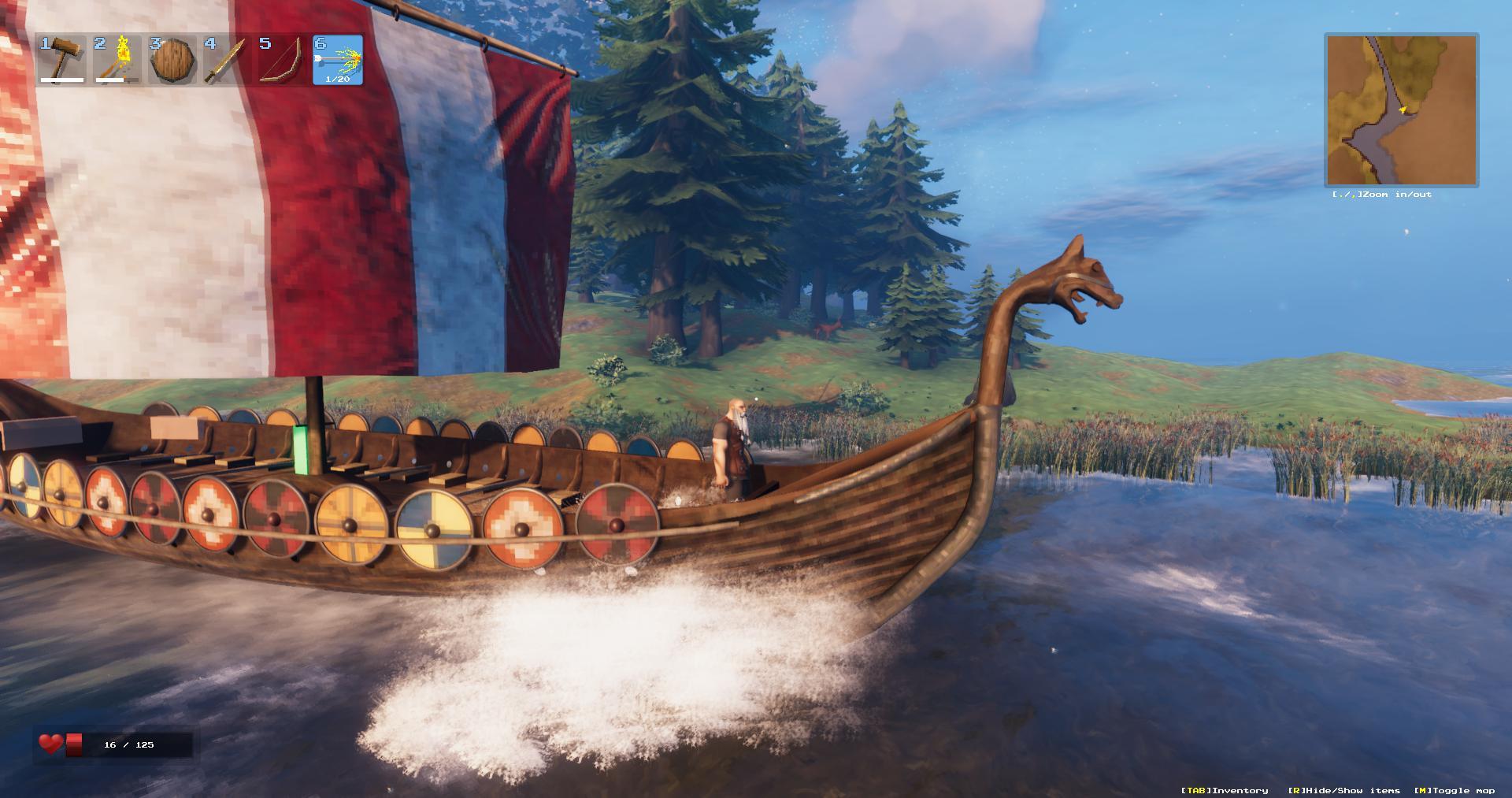
The biome also introduces rideable Moose, giving players a new traversal option specifically suited to a zone built around open, frozen terrain where the game's usual boats and ships aren't much use. That's a meaningful design choice — Valheim has always paced its biomes around a specific new challenge or two, and pairing a genuinely dangerous cold-weather zone with a new mount for covering its distances suggests Iron Gate designed Deep North's traversal problem and its traversal solution at the same time, rather than bolting a mount on afterward.
Two new dungeons and a reason to actually explore them
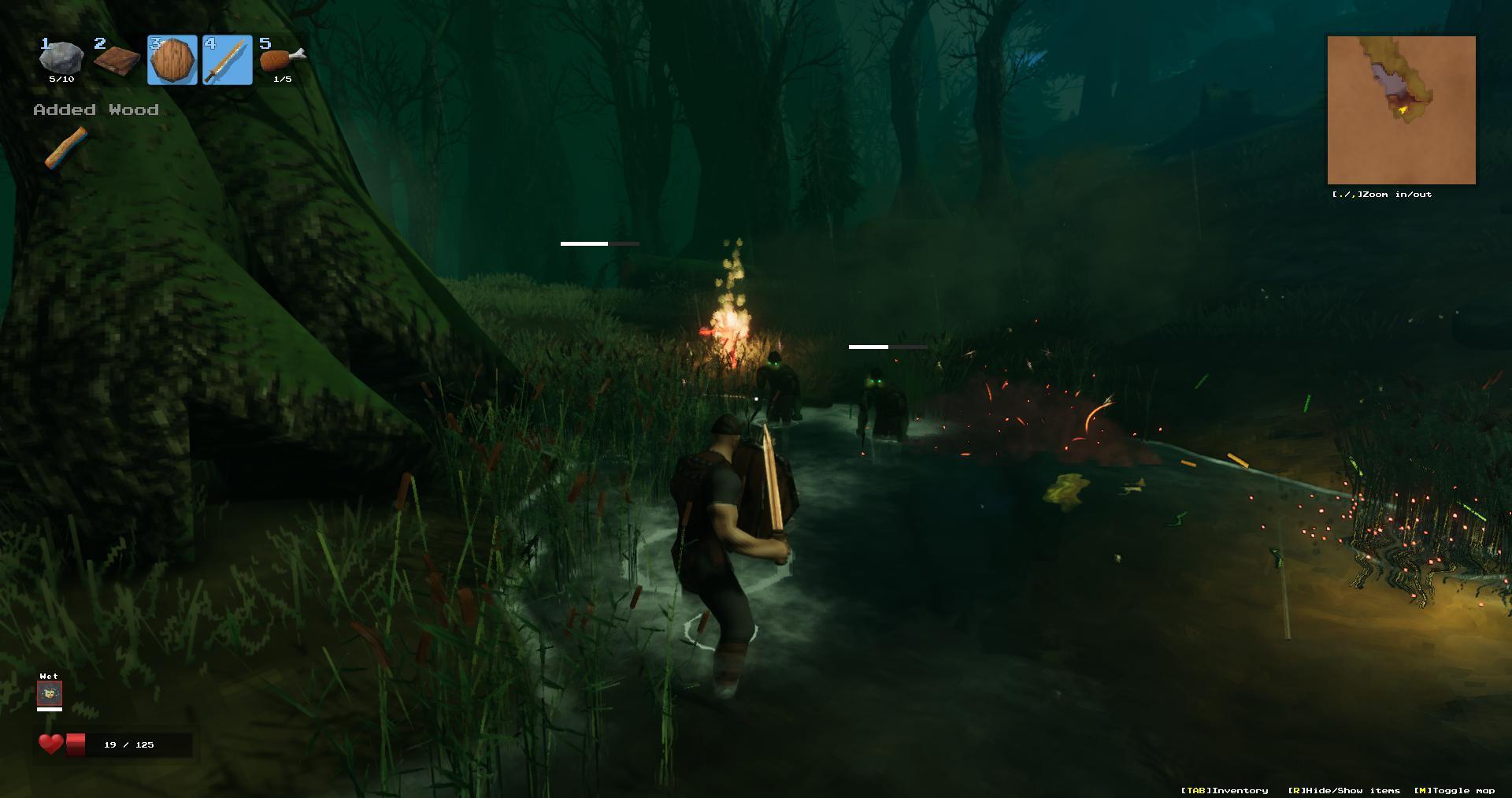
1.0 also adds two new dungeons tied to the endgame content: The Winding Tunnels and Gates of Mörkhalla. Dungeons in Valheim have always been where the game asks players to combine everything they've learned about combat and resource management under pressure, rather than just explore at their own pace, and having two distinct ones land alongside the final biome gives Deep North actual structured content to build a playthrough around instead of just being a hostile open space to survive in.
The systems that aren't tied to the biome
Not everything in 1.0 is Deep North-specific. Iron Gate used the full release to add a handful of systems the game had been missing for years, starting with an achievements system — a small thing on paper, but a notable one for a game that's relied entirely on organic progression and community-shared milestones up to this point.
Combat gets a new greatshield and a Frostfire crossbow, plus a set of Nord weapons that fit the Deep North theme mechanically as well as visually. Traversal gets two upgrades that matter well beyond the new biome: an unlimited-use grappling hook, which changes how players move through vertical terrain across the entire game rather than just the frozen north, and a snow-clearing mechanic that gives players actual agency over one of the more annoying environmental hazards in a cold biome instead of just forcing them to route around deep snow.
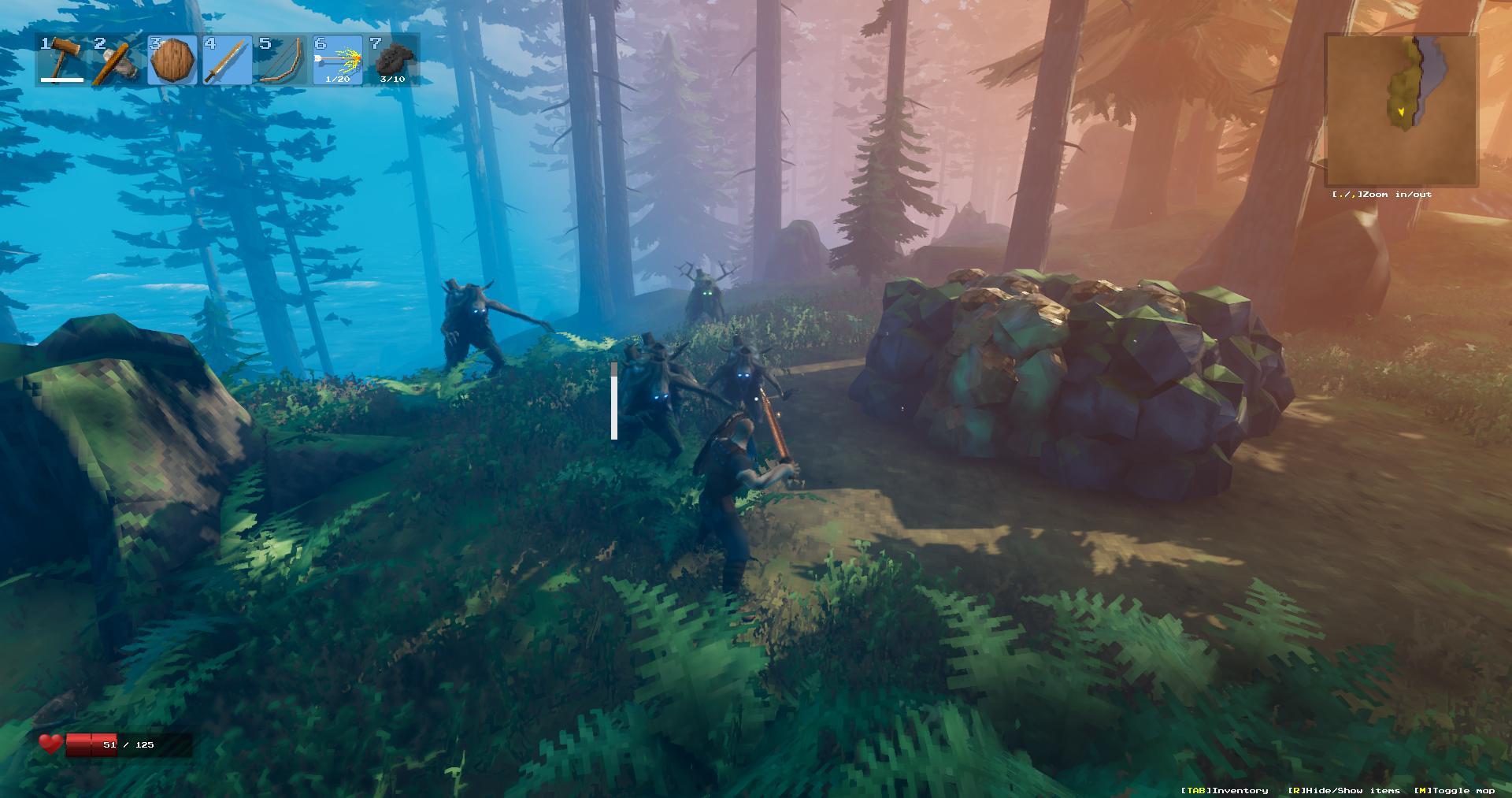
None of these are individually huge, but stacked together they read like a studio using its actual 1.0 milestone to clean up quality-of-life gaps rather than treating the version number as a formality. A grappling hook alone is the kind of addition that changes how players approach exploration in every biome, not just the new one.
Consoles, finally, with crossplay from day one
The other headline change in 1.0 has nothing to do with the frozen north: Valheim is now on PlayStation 5 and Nintendo Switch 2, joining the existing PC, Mac, Linux, Xbox One, and Xbox Series X|S versions. That brings the total platform count to six, with full crossplay across all of them at launch — meaning a PC player, a Switch 2 player, and a PS5 player can all drop into the same longhouse on day one without any platform-locked lobby restrictions.
That's a genuinely significant expansion for a game that spent its entire Early Access life as a PC-first, keyboard-and-mouse-native experience. Valheim's building system in particular — precise, grid-snapped, and reliant on quick menu navigation — is exactly the kind of mechanic that tends to translate awkwardly to a controller, and it'll be worth watching how console-specific coverage handles that question once players who've never touched the PC version get their hands on it. The crossplay framing suggests Iron Gate is betting that Valheim's community-driven, build-and-survive appeal travels across platforms better than the control scheme concerns would suggest — the same bet several other long-running PC survival and crafting games have made as they've expanded to consoles.
The price goes up, but not for anyone who already owns it
Valheim's price rises 50% with the 1.0 release, from $19.99 to $29.99, effective the moment the game exits Early Access. That's a steep jump in percentage terms, though it's worth noting Valheim has spent five and a half years as one of the cheapest, most content-dense survival games on the market — a $19.99 price tag for a title that kept receiving major biome-sized updates for years was already something of an outlier on the low end.
Crucially, the price increase doesn't touch anyone who already owns the game. Existing owners get the full 1.0 update for free and keep their existing worlds and saves intact — there's no wipe, no separate purchase required, no migration step beyond installing the update. For the community that's been playing through Early Access since 2021, today is simply the day their game got bigger, not a day they need to pay again to keep playing it.
Iron Gate telegraphed the date well in advance, too — the studio confirmed September 9 back at the PC Gaming Show on June 7, 2026, with a reveal trailer, giving the community roughly three months of runway before launch rather than dropping the exit-from-Early-Access date on short notice.
How the critics are grading it
Early review coverage of 1.0 is landing strongly, if not unanimously. ScreenRant gave the release a 9.0 out of 10, calling it home to "the best crafting and building mechanics in the genre," with the outlet's only real complaint being "very occasional performance issues and frame drops" — a notably minor knock for a game juggling six platforms and crossplay on day one.
PCGamesN landed lower, at 8 out of 10, in a review that reads as more conflicted even at a similar numeric score. The reviewer's own framing captures that tension directly: "I have never been more in love with, and yet this remarkably frustrated by, a videogame before." PCGamesN praises Deep North specifically as "the crown jewel" of the release, but pushes back on grindy resource gathering and describes the open world outside the new biome as feeling "empty" in places — a criticism that lands differently depending on whether a reader is coming to Valheim fresh or has already spent hundreds of hours filling that world in themselves.
IGN's review is also reported as very positive, praising the game's "gorgeous art style, deadly dungeons, charming homesteading mechanics, and a breathtaking scope." The exact numeric score IGN attached to that review is being reported inconsistently across outlets right now, so it's worth treating as unconfirmed rather than repeating a specific number — the qualitative read is clearly strong, but the score itself isn't something worth pinning down until IGN's own page settles the question.
Where the reviews actually disagree
Line the coverage up and the disagreement isn't really about whether Deep North is good — ScreenRant, PCGamesN, and IGN all seem to agree it's a strong capstone biome. Where they split is on everything around it: PCGamesN's complaints about grind and an "empty" open world are the kind of criticism that tends to surface specifically in a game five and a half years deep into its life, once the initial thrill of discovering each biome for the first time has worn off for veteran players revisiting the world for a final update. ScreenRant's near-perfect score, by contrast, reads more like a review written with 1.0 as a complete package — new player experience, console debut, and Deep North all considered together, rather than measured against years of accumulated familiarity with everything that came before it.
That's a genuinely useful split to know about before buying in. If you're new to Valheim entirely, or coming to it fresh on PS5 or Switch 2, the ScreenRant read is probably the more relevant one — you're getting the full arc from Meadows to Deep North without the years of grind PCGamesN is measuring against. If you're a longtime PC player who's already built multiple bases and cleared every prior biome, PCGamesN's frustration with resource grinding and world density might land closer to home, since Deep North is the one part of 1.0 you haven't already spent years living inside.
What Iron Gate isn't promising
Not every question about Valheim's future got answered today. According to statements attributed to Iron Gate via a fan FAQ site, the Ocean biome — long a target of player speculation — will not receive the progression-biome treatment some fans had hoped for, meaning it stays a connective space rather than becoming a fully developed zone with its own tier of enemies and gear. More broadly, Iron Gate has described post-1.0 content support as "muted and uncertain," language that stops well short of promising a continued stream of major free updates the way the studio delivered throughout Early Access.
That's a reasonable, if slightly deflating, note to end a five-and-a-half-year development cycle on. Iron Gate never promised infinite support, and reaching 1.0 was always going to be the natural point where a small studio either commits to years more of free content or steps back to a lighter maintenance mode. The language so far points toward the latter — worth knowing going in if part of your buying decision hinges on expecting Valheim to keep growing the way it has since 2021.
Should you buy it
For anyone who's been sitting out Valheim during Early Access waiting for a "finished" version, today is that version. Six platforms, full crossplay, a genuinely substantial final biome, and quality-of-life systems like the grappling hook and achievements make 1.0 a legitimately complete package rather than a token version-number bump — and the reviews landing at 8 and 9 out of 10 reflect that. The $29.99 price is a fair ask for a game with this much content behind it, even after the increase from Early Access pricing.
For existing owners, there's no real decision to make — the update and Deep North are already yours, worlds intact, no extra purchase required. The only open question is whether five and a half years of familiarity with everything that came before makes the new biome feel like a worthy final chapter or, per PCGamesN, exposes how much of the rest of the world has started to feel thin by comparison. Either way, Valheim's Early Access era is over as of today, and Iron Gate has been honest enough not to promise what comes next.
Iron Gate has said post-1.0 support will be 'muted and uncertain' rather than a steady drip of major updates, and the Ocean biome specifically won't get the progression treatment some players wanted — so don't expect a clear roadmap beyond today.