Elden Ring: Tarnished Edition Switch 2 Review Roundup — Is the $80 Port Worth It?
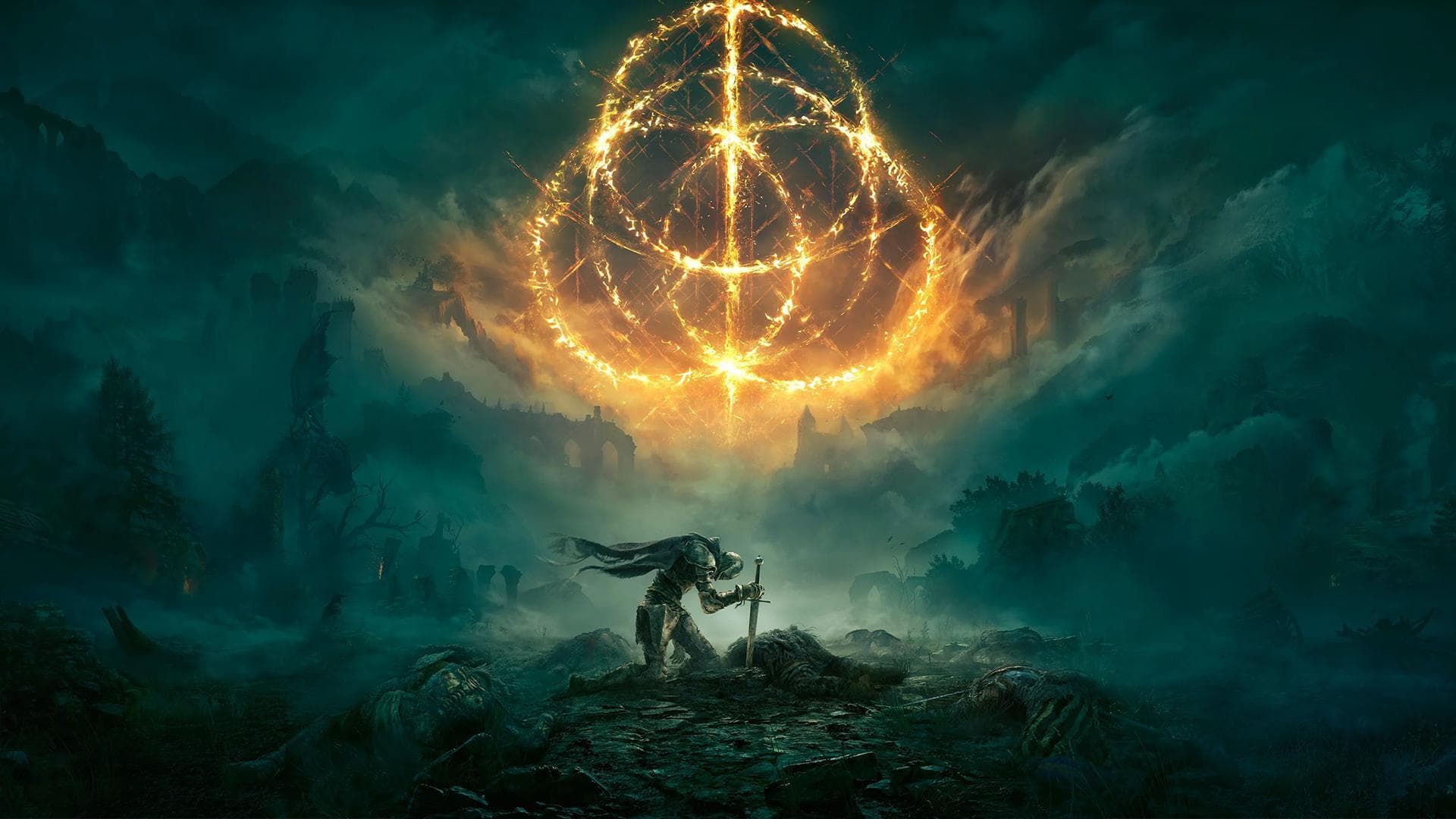
Elden Ring: Tarnished Edition released on Nintendo Switch 2 on August 28, 2026, marking the first time Elden Ring has run on any Nintendo hardware, according to Nintendo Life, TheSixthAxis, and Forbes. That's the headline. The more interesting question — the one critics have spent the last few days actually answering — is whether a game built around open-world density, dynamic lighting, and physics-driven combat can survive the jump to a handheld without losing what made it work in the first place.
The early verdict is mixed in the way ports usually are: nobody thinks FromSoftware and Nintendo pulled off a miracle, but there's real disagreement over how much the compromises actually cost.
What $79.99 gets you
Tarnished Edition isn't just the base game repackaged for new hardware. At $79.99, it bundles the original Elden Ring campaign, the Shadow of the Erdtree expansion, and a new "Tarnished Pack" that adds a handful of weapons and cosmetic armor sets for Torrent, your spectral mount. For anyone who already owns the game and DLC elsewhere, that's a meaningful ask — you're paying full price again largely for the privilege of playing it on Switch 2, plus some cosmetic extras.
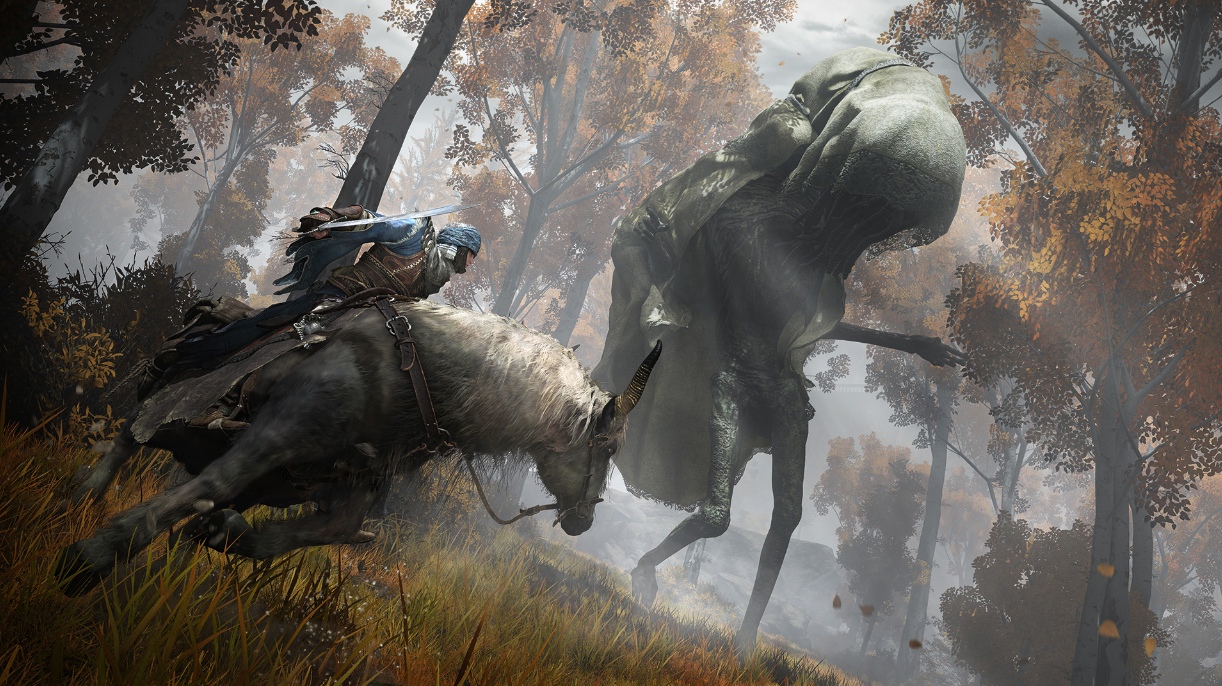
For newcomers, or anyone who's held off on Elden Ring specifically waiting for a portable option, the math looks different — you're getting the full base game and its major expansion in one purchase, at a price roughly in line with what the two would cost separately on other platforms.
The Metacritic picture, with a caveat
As of publication, Tarnished Edition holds a 91 average across 40 critic reviews on Metacritic — a strong score by any measure, and one that puts it in the conversation for one of the best-reviewed games on the platform so far. That "top 10 best-reviewed Switch 2 games" framing has circulated from at least one tracker account online, but it's worth treating as secondary color rather than an official Metacritic claim — Metacritic itself doesn't publish that kind of ranked list, and the underlying math shifts daily as more reviews roll in. The 91 average itself is the number worth paying attention to, and it suggests most outlets think FromSoftware and its porting partner landed the technical work reasonably well, even where individual reviews flag specific complaints.
The performance question: two different reads
This is where the roundup gets genuinely interesting, because the two most detailed reviews so far don't agree on how big a deal the technical compromises are.
TheSixthAxis, in an 8/10 review, lays out the specifics: Tarnished Edition runs at 30fps in both docked and handheld modes. Docked, the image is upscaled to 4K using DLSS, which the review describes as producing "noticeable softness" compared to native resolution on other platforms. Handheld, the game renders at 1080p, which TheSixthAxis found sharper and better-defined at the edges than the docked output — a slightly counterintuitive result where the "lesser" mode actually looks crisper. On frame stability, the review notes "noticeable drops in heavier moments" and specifically calls the game "more consistent in handheld" than docked. Taken together, that's a clear step down from how Elden Ring runs on PS5 or Xbox Series X, and TheSixthAxis is upfront about treating that as a real cost, not a rounding error.
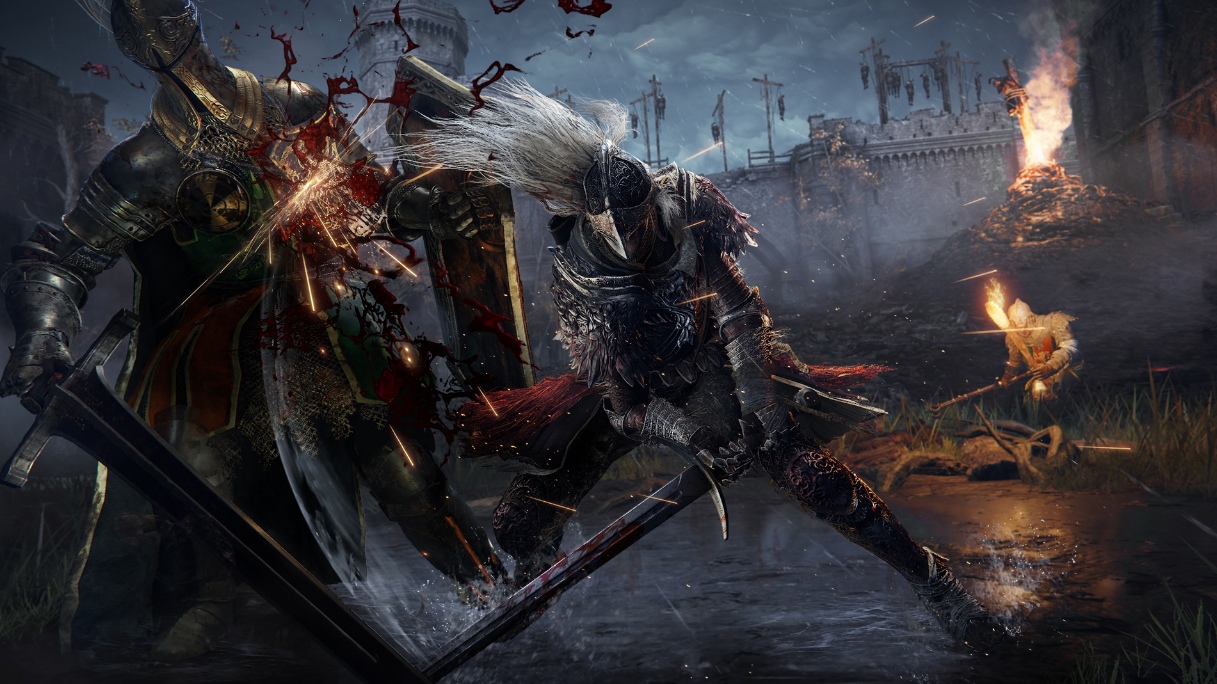
Kotaku's review tells a different story. Their reviewer describes the overall performance as smooth, with only "occasional little framerate drops," and argues those compromises don't meaningfully hurt combat — souls-style combat lives and dies on readable animation timing, and Kotaku's take is that Tarnished Edition clears that bar comfortably enough to not get in the way.
Those two reads aren't reconcilable into one tidy verdict, and it's worth resisting the urge to pick a side here. TheSixthAxis is more explicitly critical of docked-mode stability and image softness; Kotaku is more forgiving of the same underlying hardware compromises. Both are describing the same port. The most useful takeaway is that your mileage may genuinely vary depending on which mode you play in most and how sensitive you are to frame drops during boss fights specifically, which is exactly the kind of moment where Elden Ring punishes any input lag or stutter.
What's actually new — and it's not much
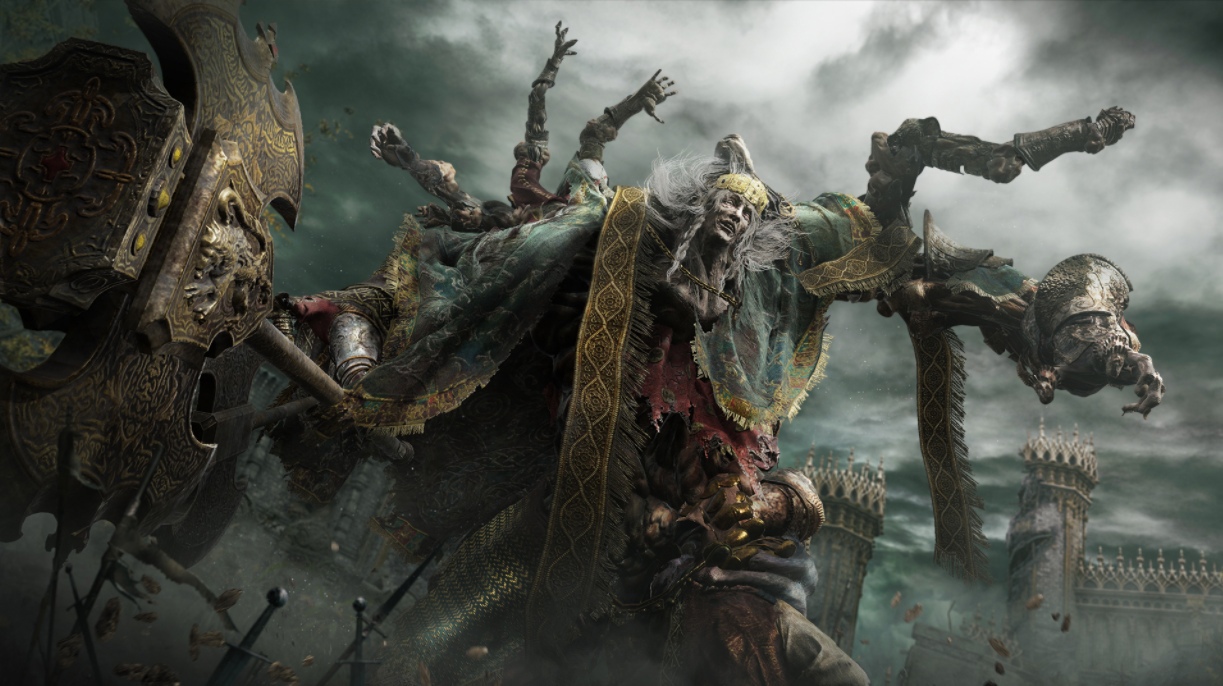
If you're hoping Tarnished Edition's premium price buys meaningfully new content, temper expectations. Per Kotaku's breakdown, the new material amounts to four new armor sets, two new starting classes — Heavy Knight and "Idus Knight" — and cosmetic customization options for Torrent. Kotaku is blunt about the verdict, calling it forgettable and explicitly stating the edition "does not have any meaningful new features."
The details back that assessment up. The new starting armor "looked great," per Kotaku, but came with inferior stats compared to existing gear, meaning min-maxers have no real reason to reach for it once they've got other options. The Idus Knight starting class fares similarly — Kotaku describes it as essentially "a Samurai two levels lower, with different equipment," which is a pretty direct way of saying it's a reskin rather than a genuinely distinct build path. If you were hoping for new areas, new bosses, or a meaningfully expanded moveset the way Shadow of the Erdtree delivered, that's not what this edition is offering.
The one genuine advantage: portability that actually works
Where Tarnished Edition earns real praise is somewhere the spec sheet doesn't capture. Kotaku's reviewer specifically calls out the Switch 2's built-in kickstand and detachable Joy-Cons as a genuine advantage over the Steam Deck for playing Elden Ring in public — describing comfortably playing a session in a cafe, propped up on the kickstand, without needing to balance a device on a table or hunch over a handheld's fixed screen angle. That's a meaningfully different experience than PC handhelds have offered up to now, and Kotaku frames it as the first time Elden Ring has felt "genuinely accessible" as a portable game, rather than a technically-possible-but-awkward compromise.
It's a small thing on paper, but for a game people tend to sink 60-plus hours into, having a version that's actually pleasant to play on a train or in a waiting room is a real differentiator, separate from whatever the frame-rate debate settles into.
Load times: a smaller, less-verified complaint
One additional wrinkle worth flagging with appropriate hedging: an aggregated summary attributed to Nintendo Life reports load times running "a second or two longer" than the console and PC versions. We weren't able to directly pull Nintendo Life's original article to verify the exact phrasing and context — the direct fetch returned a 403 error — so treat this as secondary, aggregated information rather than a confirmed direct quote. If accurate, it's a minor complaint relative to the frame-rate discussion, but it fits the broader pattern critics are describing: Switch 2 can run Elden Ring, but almost every technical metric shows some degree of compromise relative to the more powerful consoles.
Why this port was never going to be easy
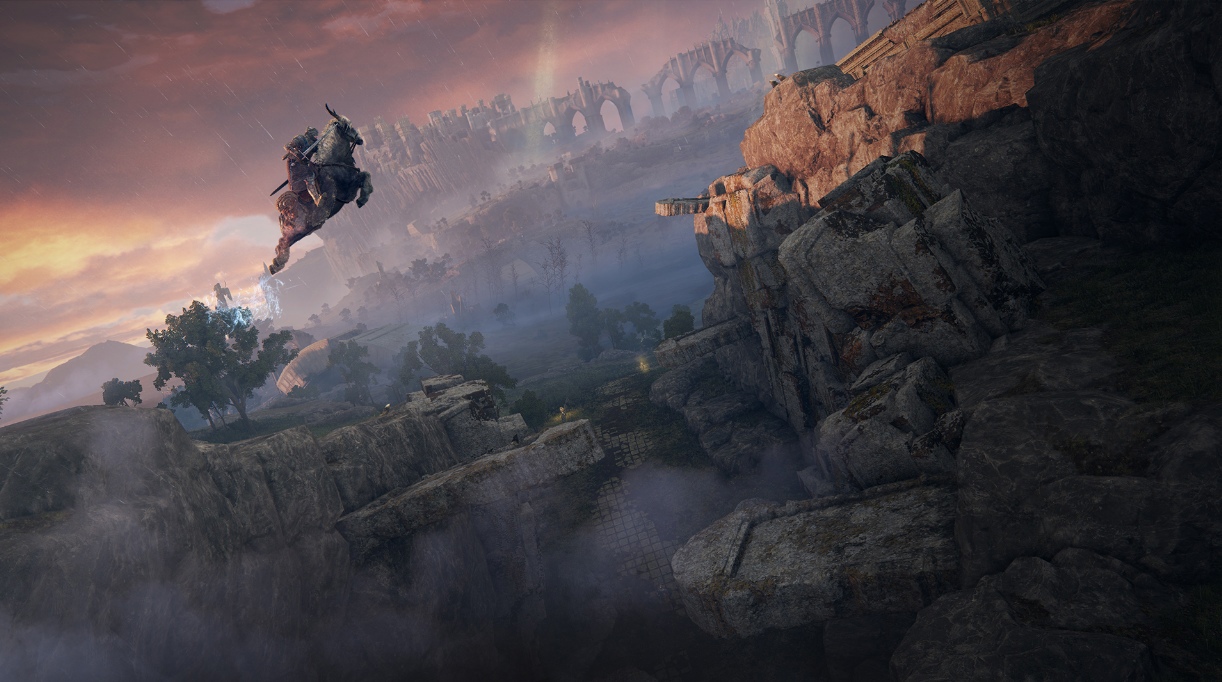
It's worth stepping back and giving some credit for degree of difficulty here. Elden Ring is routinely cited as one of the most technically demanding third-party ports Switch 2 has hosted to date — an open world with dynamic weather and lighting, physics-driven combat with dozens of enemy types on screen simultaneously, and none of the corner-cutting that a linear game can get away with to hit a lower-powered target. Getting that running on a handheld at all, let alone at a stable 30fps most of the time, is a nontrivial engineering achievement, even if the result isn't flawless.
That context matters when weighing the reviews against each other. TheSixthAxis's more critical read isn't wrong about the softness and frame drops it documents, and Kotaku's more forgiving read isn't wrong that combat remains playable throughout. Both are true simultaneously, and both are reasonable reactions to a port that was always going to involve trade-offs the console and PC versions don't have to make.
Is it worth $80?
The honest answer depends heavily on what you already own and how you plan to play. If you've never played Elden Ring and want a portable-first way in, Tarnished Edition is a strong, if pricey, option — you get the full base game, Shadow of the Erdtree, and genuinely comfortable handheld ergonomics that the Steam Deck can't quite match, according to Kotaku's comparison. The new content shouldn't factor into that decision either way; both reviews agree it's negligible.
If you already own Elden Ring and its DLC on PS5, Xbox, or PC, the case is much thinner. You're paying full price largely for a portable convenience layer, with a visible step down in resolution and stability relative to the version you already have, and cosmetic extras that neither reviewer found compelling. A 91 Metacritic average says critics broadly think FromSoftware delivered on the fundamentals — but "the fundamentals working" and "worth buying again" are different questions, and only one of them has a clear answer here.
Expect FromSoftware and Nintendo to watch how the port sells before committing to bringing Elden Ring Nightreign or a hypothetical sequel to Switch 2, and for a patch or two addressing the more pronounced frame drops critics flagged in docked mode.