'Artificial': The OpenAI Boardroom Drama Amazon Didn't Want You to See
Some movies get buried because they're bad. "Artificial" appears to have been buried because it was finished, tested well, and happened to be unflattering toward the wrong billionaire at the wrong moment. Luca Guadagnino's dramatization of the five days in November 2023 when OpenAI's board fired Sam Altman and then scrambled to bring him back was fully shot, fully edited, and sitting on Amazon MGM's shelf — until Amazon dropped it in June 2026, a few months after Amazon itself announced a $50 billion investment in OpenAI. This week, a teaser trailer surfaced for the first time, care of the film's new distributor, Neon. The timeline alone tells most of the story.
What Actually Happened at OpenAI
For anyone who didn't spend late November 2023 refreshing tech Twitter, here's the short version. OpenAI's board abruptly fired CEO Sam Altman, offering only a vague statement about him not being "consistently candid" with directors. What followed was five days of open chaos: Altman took a meeting at Microsoft, most of OpenAI's staff threatened to quit and follow him there, and the board's position collapsed under the weight of an organization that simply refused to function without him. Altman was reinstated, several board members were out, and the whole episode became one of the strangest, fastest boardroom reversals in recent corporate memory.
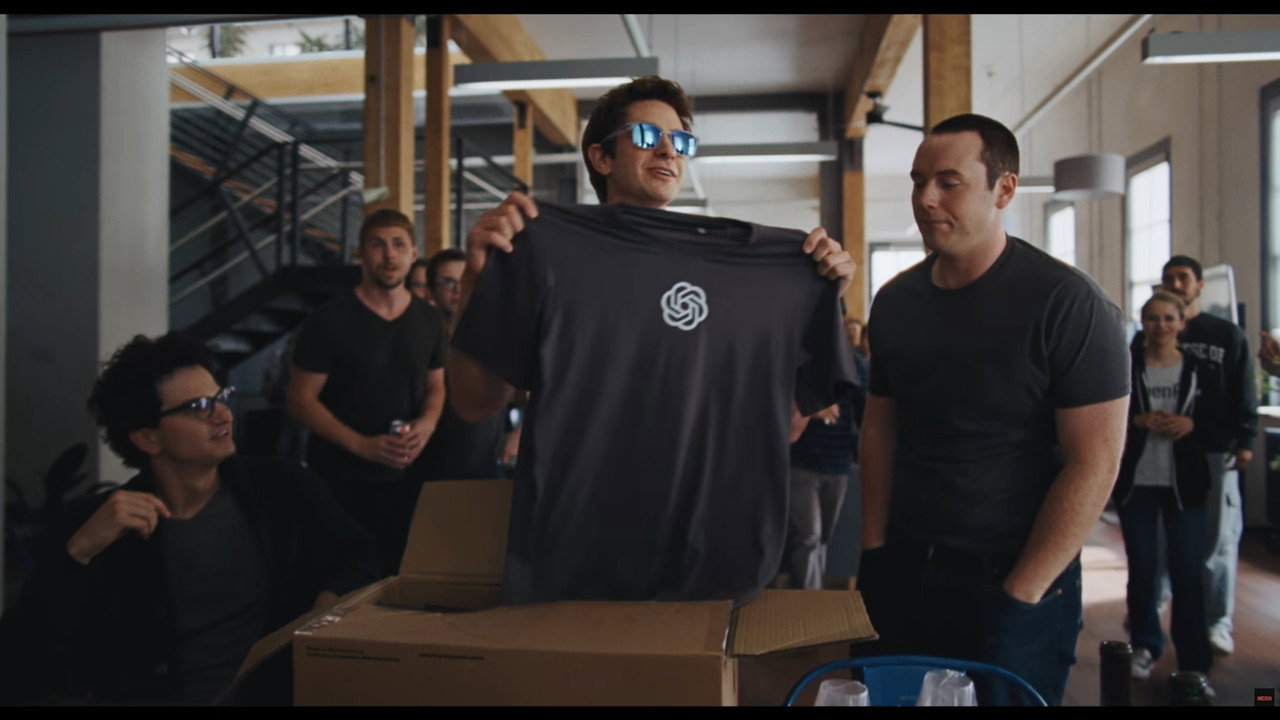
It's the kind of story that seems built for a movie — high stakes, a company remaking the world's relationship with software, a cast of characters nobody outside Silicon Valley had heard of a year earlier, and a resolution nobody saw coming even as it was unfolding in real time on social media. Guadagnino apparently agreed, and reportedly pushes the story further back than just those five days, opening with Ilya Sutskever's research under Geoffrey Hinton at the University of Toronto in 2003, then tracking Sutskever and Altman's separate paths through Google before they end up building OpenAI together. That's a much longer arc than a five-day crisis thriller — it's an origin story for the crisis, not just a recreation of it.
The Cast Playing Silicon Valley's Most Recognizable Faces
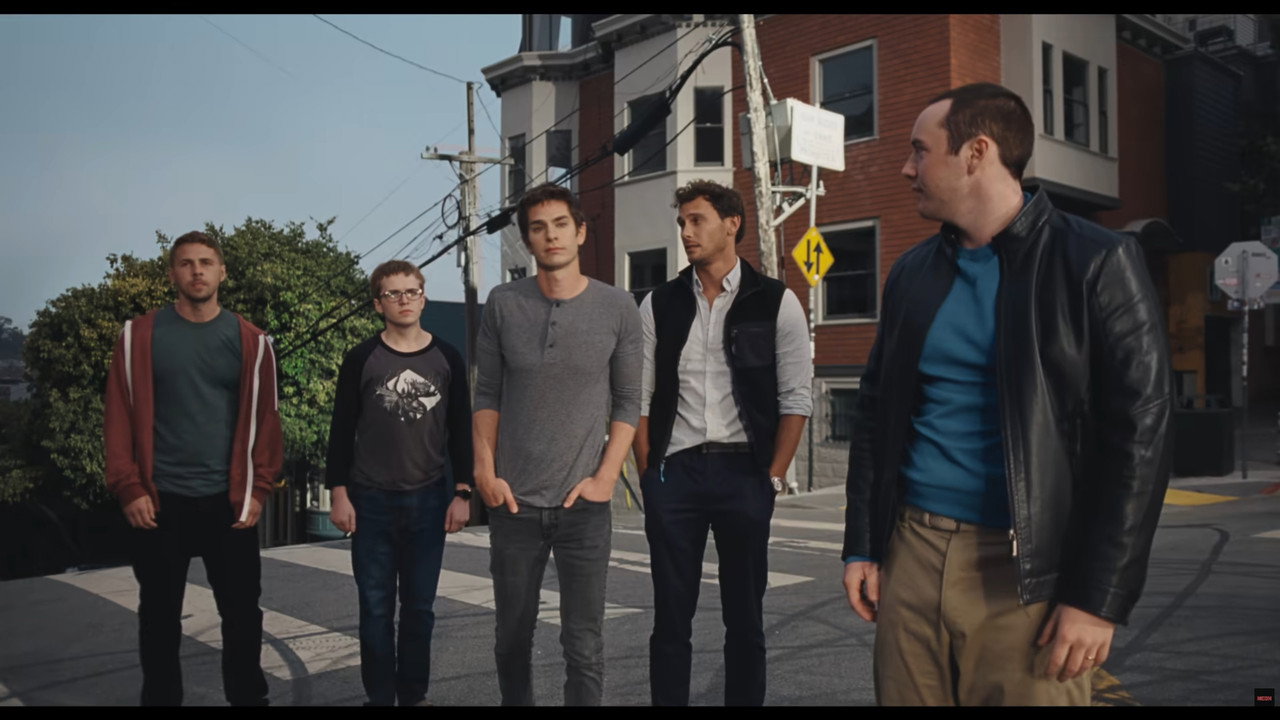
The casting is where this project gets genuinely hard to ignore. Andrew Garfield plays Sam Altman. Yura Borisov, fresh off a run of acclaimed supporting work, plays Ilya Sutskever. Monica Barbaro — who played Joan Baez in "A Complete Unknown" — plays Mira Murati, OpenAI's former CTO. Cooper Hoffman plays Greg Brockman. Ike Barinholtz plays Elon Musk, one of OpenAI's original co-founders before his very public break with the company. And Mark Rylance, an actor who tends to elevate anything he touches, plays Geoffrey Hinton, the "Godfather of AI" whose lab produced Sutskever in the first place.
The supporting cast is stacked too: Jason Schwartzman, Chris O'Dowd, Zosia Mamet, Cooper Koch, and Billie Lourd round things out. That's not a cast assembled for a quiet streaming drop. That's a cast assembled for an awards conversation.
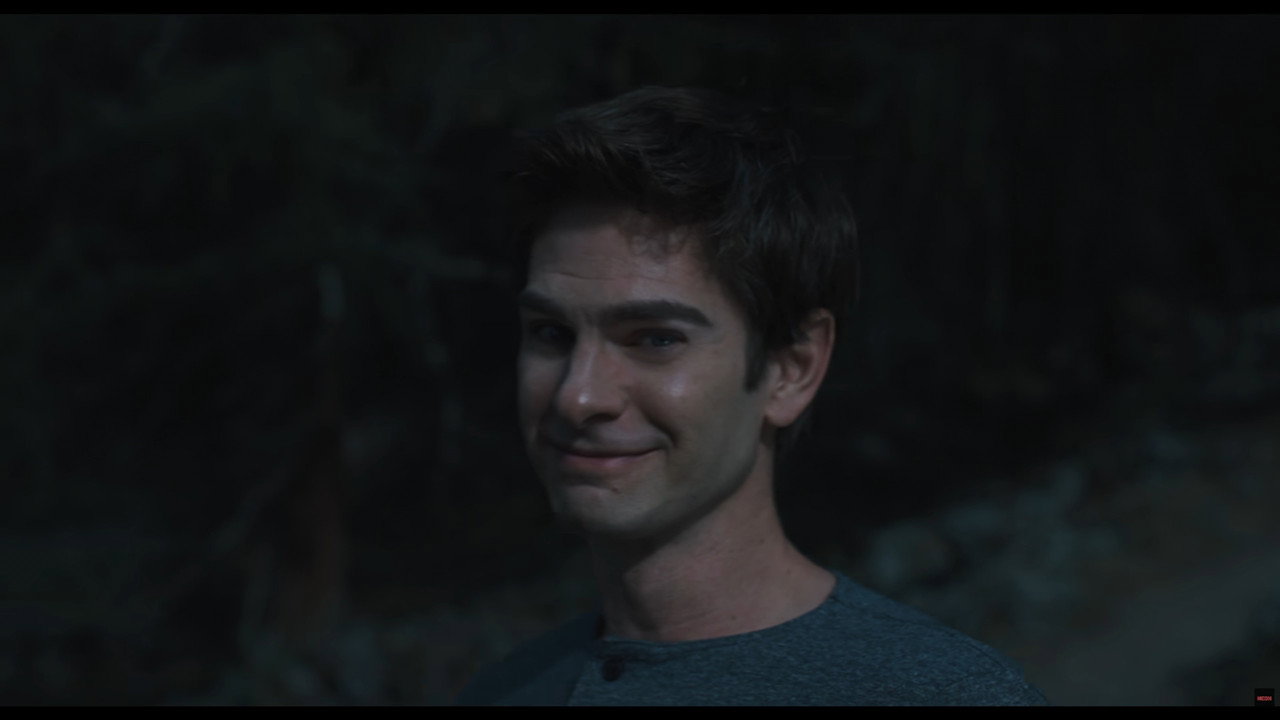
Garfield, notably, has talked about building the performance without ever meeting his subject. According to reports, he's said he researched Altman through "the script, interviews, and court transcripts" rather than any direct access — worth flagging as a single-sourced detail, but a telling one if accurate, since it suggests the production wasn't working with Altman's cooperation or blessing.
Guadagnino's Team and the Money Behind It
Guadagnino directs and co-produces, working from a script by Simon Rich, with producers David Heyman, Jeffrey Clifford, and Jennifer Fox rounding out the team. Damon Albarn — Blur and Gorillaz's frontman, who's scored several prior Guadagnino projects — composed the music. Malik Hassan Sayeed handled cinematography. This is, in other words, a real production with real pedigree attached at every level, not a scrappy indie somebody threw together to cash in on a news cycle.
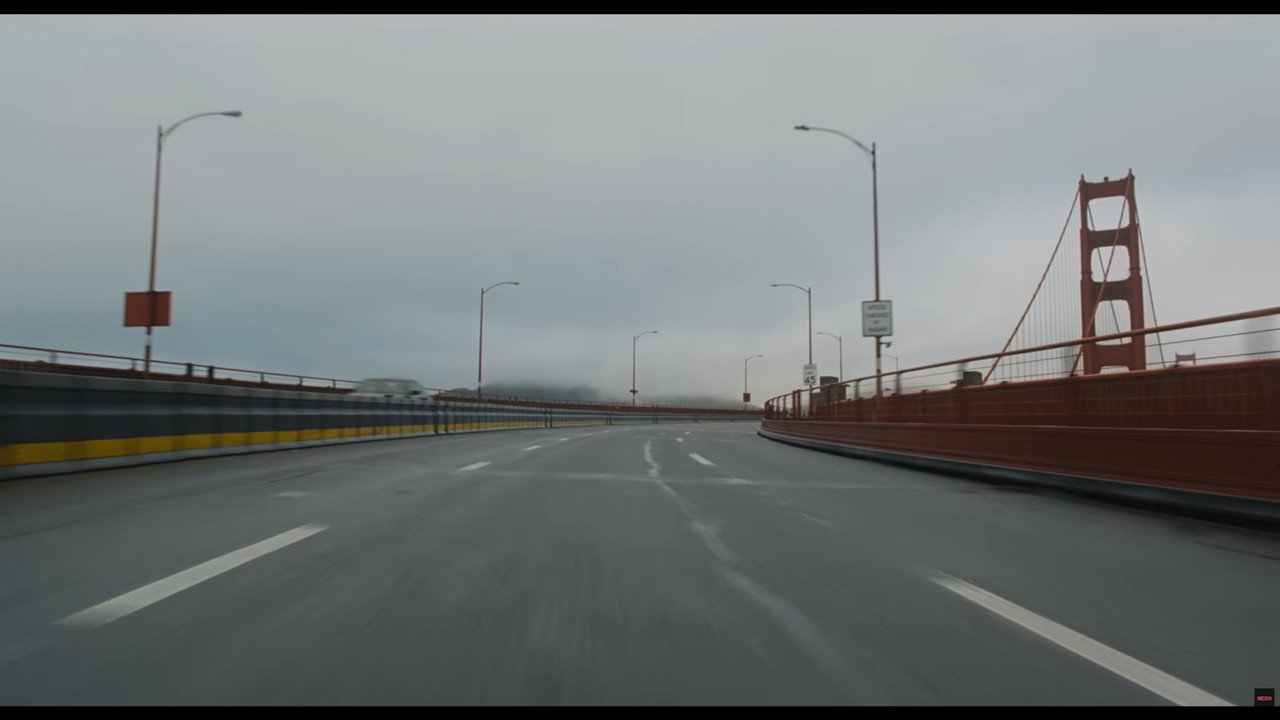
Filming reportedly ran from July through October 2025, shooting partly in San Francisco's Dolores Park and partly in Turin, Italy — a combination that tracks with Guadagnino's history of filming in Italy even for stories set elsewhere. The reported budget sits around $40 million, with a runtime of 140 minutes. Amazon MGM originally announced the project back in June 2025, positioning it as one of its higher-profile prestige bets for the following year.
Then Amazon Walked Away
Here's where the story stops being a normal "studio drama gets made" story and starts being something stranger. In June 2026, with the film reportedly complete and having already gone through positive test screenings, Amazon MGM dropped it. Not delayed it, not sent it to a different release window — dropped it entirely, cutting the studio loose from a nearly-finished, well-reviewed-in-testing film it had spent roughly a year and $40 million developing.
Amazon's public explanation amounted to a single line: the film "would be better served if it were released by a different studio." No further reasoning was offered. That's an extraordinarily thin justification for walking away from a finished awards-caliber film with this much talent attached, and the timing is what makes it impossible to take entirely at face value. Amazon had announced a $50 billion investment in OpenAI just months before making this call. A studio owned by a company that just became one of OpenAI's biggest financial backers quietly abandoning a movie that dramatizes OpenAI's messiest, most embarrassing internal crisis is, at minimum, a remarkable coincidence.
Variety has reported speculation — and it's worth stressing this is speculation, not confirmed fact — that the real issue may be the film's portrayal of Altman and Musk, described as unsympathetic or unflattering. If that's accurate, it would mean Amazon wasn't worried about box office or scheduling at all. It would mean Amazon was worried about upsetting a business partner it had just written a nine-figure check to, by releasing a movie that makes that partner's CEO look bad.
It's also been reported, in less corroborated form, that Netflix, A24, and Focus Features each passed on the film before Neon picked it up — a detail worth treating with some caution since it comes from a single source, but if true, it suggests other distributors may have shared Amazon's reluctance to touch a film with this specific kind of political and financial baggage attached to a company as influential as OpenAI.
Neon Steps In
Neon acquired worldwide distribution rights on June 30, 2026, reportedly after a competitive bidding process. That's a meaningful detail on its own — a movie a major studio couldn't get out the door fast enough apparently still generated enough interest to spark a bidding war once it hit the open market. Neon has built its reputation on exactly this kind of pickup: distributing films with serious awards potential that bigger, more risk-averse studios wouldn't commit to, from "Parasite" to "Anora." Landing "Artificial" fits that pattern closely, and Neon is reportedly treating it as a genuine awards-season release rather than a burn-off.
The release calendar backs that framing up. "Artificial" gets its world premiere at the New York Film Festival on October 5, 2026, followed by a London premiere at the BFI London Film Festival on October 11. The US theatrical release is set for December 25 — Christmas Day, a date studios reserve almost exclusively for films they believe can compete deep into awards season. Nobody opens a burn-off release on Christmas Day against every other studio's biggest fourth-quarter bets.
Why This Feels Bigger Than One Movie Getting Shelved
Studios pass on films constantly, for all kinds of ordinary reasons — budget overruns, disappointing test scores, a change in leadership, a shift in strategic priorities. Most of those decisions never become a story, because there's nothing underneath them worth digging into. This one is different because the timing lines up so cleanly with a specific financial relationship: Amazon invests $50 billion in OpenAI, and months later, Amazon's own studio quietly walks away from a finished film that dramatizes OpenAI's ugliest internal moment, offering essentially no explanation for why.
That's the version of this story that makes "Artificial" interesting beyond its cast list and festival slots. It's a case study in what happens when the company that owns a movie studio is also, increasingly, an investor in the very subjects those studios might want to make movies about. Amazon isn't just a retailer with a streaming arm anymore — it's a company with capital stakes across huge swaths of the tech industry, and those stakes create obvious incentives to avoid embarrassing the people holding the other end of those deals. A finished, tested, well-cast prestige drama getting quietly disappeared over exactly that kind of conflict is the sort of thing that should make anyone paying attention to media consolidation pay closer attention, not less.
What to Watch For
The teaser that dropped this week is the first real public signal of what Guadagnino actually made, and early reactions to it will likely shape a lot of the pre-festival conversation. Expect the NYFF premiere in October to generate the first substantive reviews, which should start to clarify two separate questions that have been tangled together so far: whether the film is actually good, and whether the "Amazon buried it" narrative holds up once critics who've actually seen it weigh in on how harsh its portrayals of Altman and Musk really are. Sam Altman and OpenAI haven't offered a public response to the production as of this writing, and given how deliberately quiet Amazon has been about its own reasoning, it's worth watching whether either side breaks that silence once the film starts generating real attention on the festival circuit. A Christmas Day release means Neon has roughly three months to build that attention into an actual awards case — and given how the film reached them in the first place, they have every incentive to make noise doing it.
'Artificial' premieres at the New York Film Festival on October 5, screens at BFI London on October 11, and opens theatrically via Neon on December 25, 2026.