Bungie Reverses Course, Says It's 'Not Done With Destiny' — Unsealing the Vault After Months of Backlash
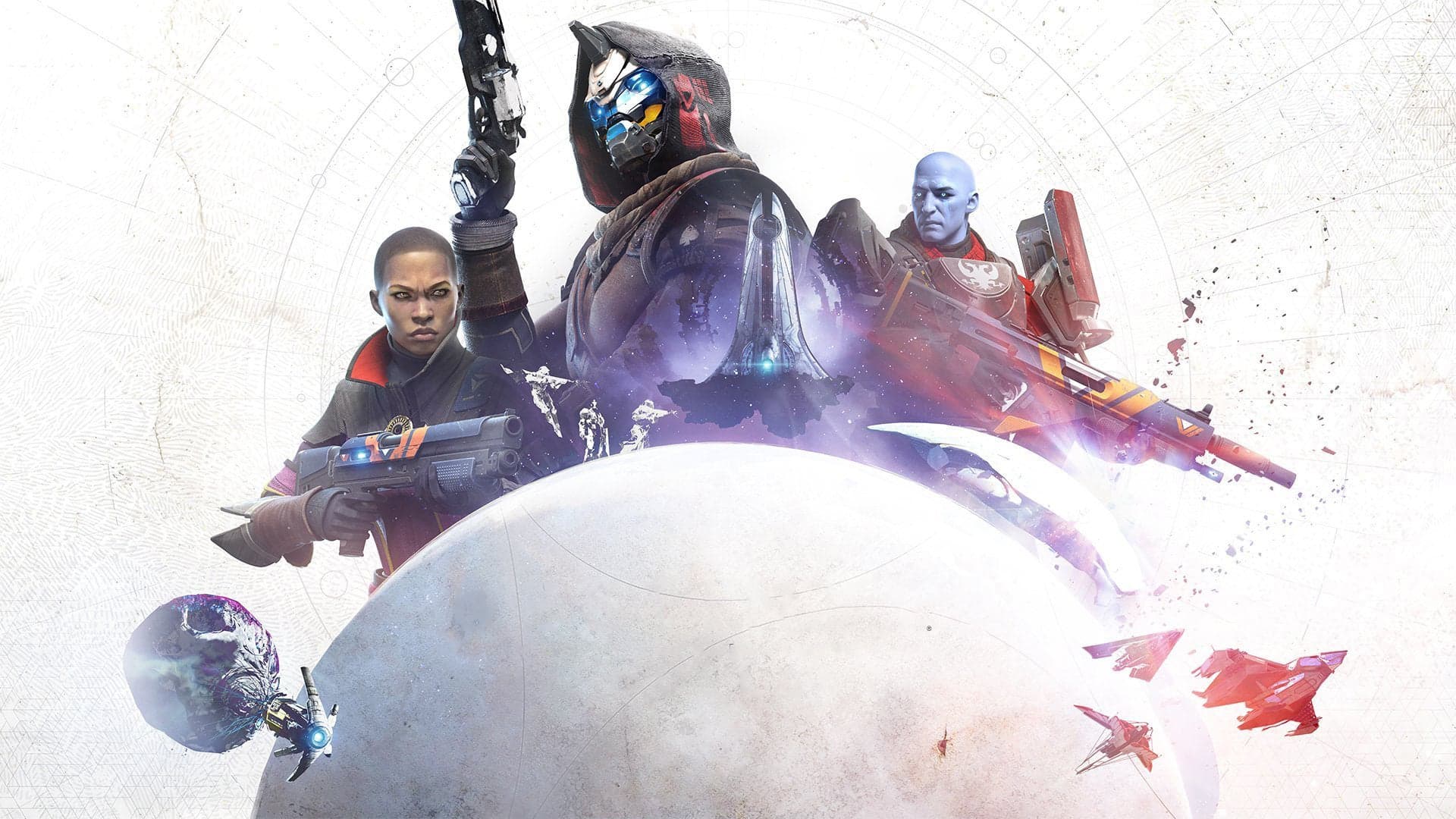
Bungie spent the summer of 2026 looking like a studio in retreat. It had ended active development on Destiny 2, laid off a huge chunk of the team that built it, and watched its new game underperform expectations despite decent reviews. On September 21, 2026, the studio tried to reverse the narrative entirely. In a blog post and accompanying video, studio head Poria Torkan and Marathon lead Josh Deane declared, in as many words, that Bungie is "not done with Destiny" — and announced it would undo one of the most controversial decisions in the franchise's history by restoring content it had spent years locking away.
It's a rare thing in this industry: a studio publicly admitting it got the last few years wrong, on the record, by name. Whether it's enough to repair the trust Bungie has burned through since 2020 is a separate question.
Unsealing the Destiny Content Vault
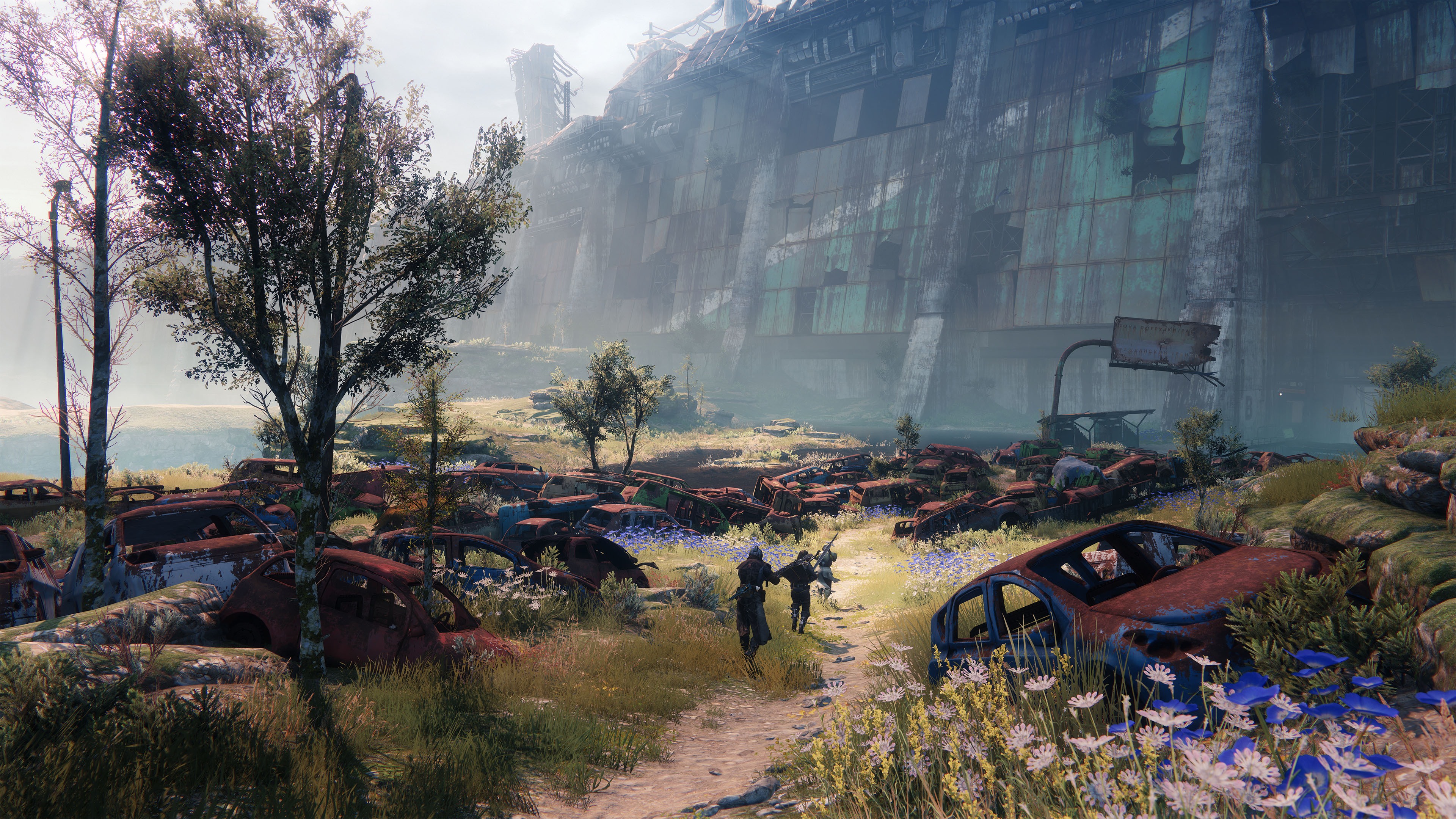
The headline move is that Bungie is reversing its 2020 "Destiny Content Vault" strategy. The DCV was the mechanism Bungie used to manage Destiny 2's ballooning file size and live-service bloat — entire campaigns, destinations, and raids were periodically removed from the game rather than patched or maintained, freeing up space and development resources for new expansions. It solved a real technical problem. It also meant that content players had paid for, in some cases years' worth of it, simply stopped existing in the game, with no guarantee it would ever come back.
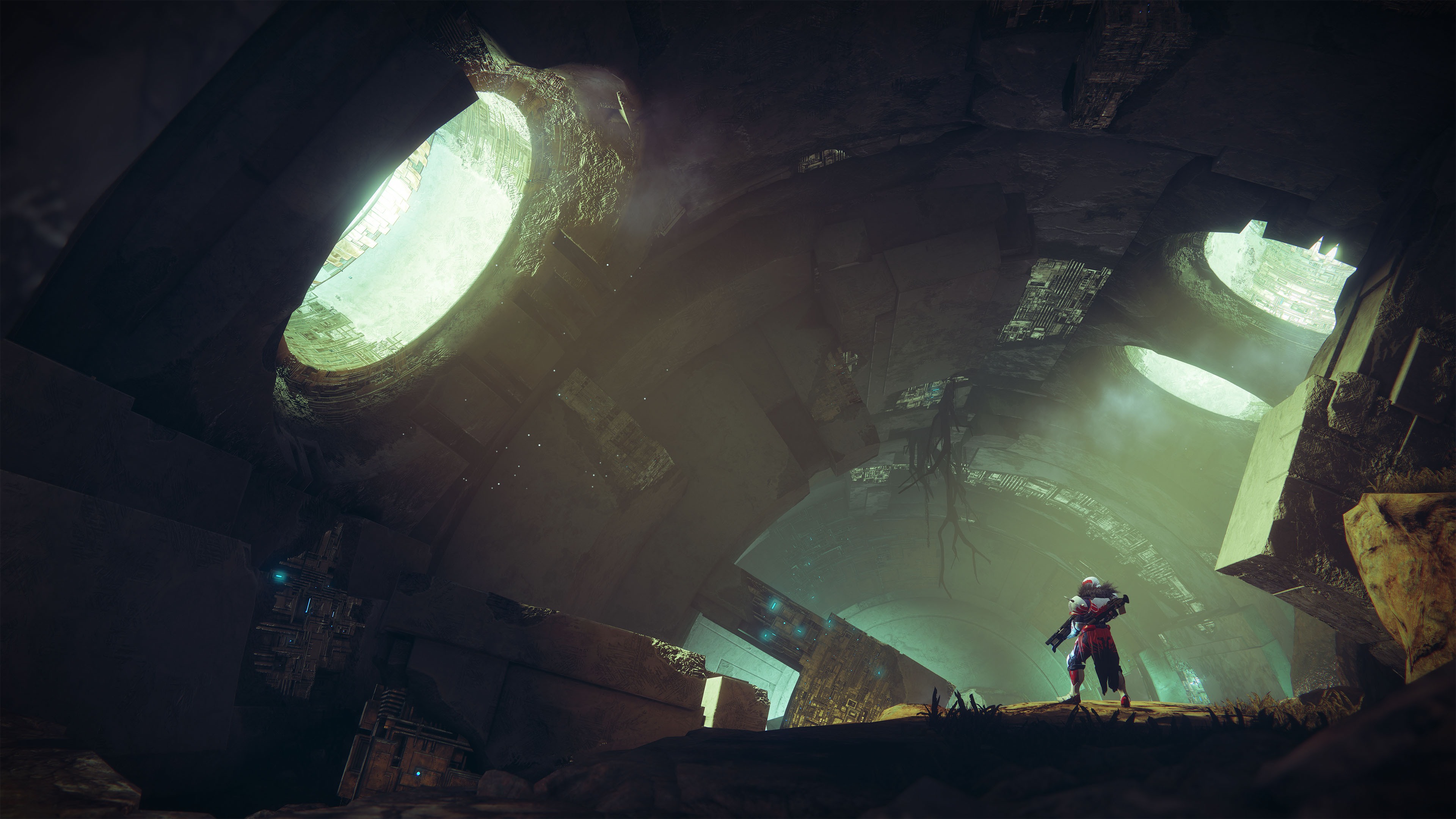
Now Bungie says it's bringing that content back, including early raids that have been vaulted since 2020. That's a meaningful walk-back of a strategy the studio defended for six years. But the studio was careful to frame it as a process rather than a switch that gets flipped. Later Destiny 2 expansions overhauled core systems — lighting, combat encounters, enemy combatants — deeply enough that restoring old content isn't a simple matter of re-enabling old files. It requires substantial rework to bring vaulted campaigns and raids up to parity with everything built since. Bungie did not give a timeline for when any of it will actually return.
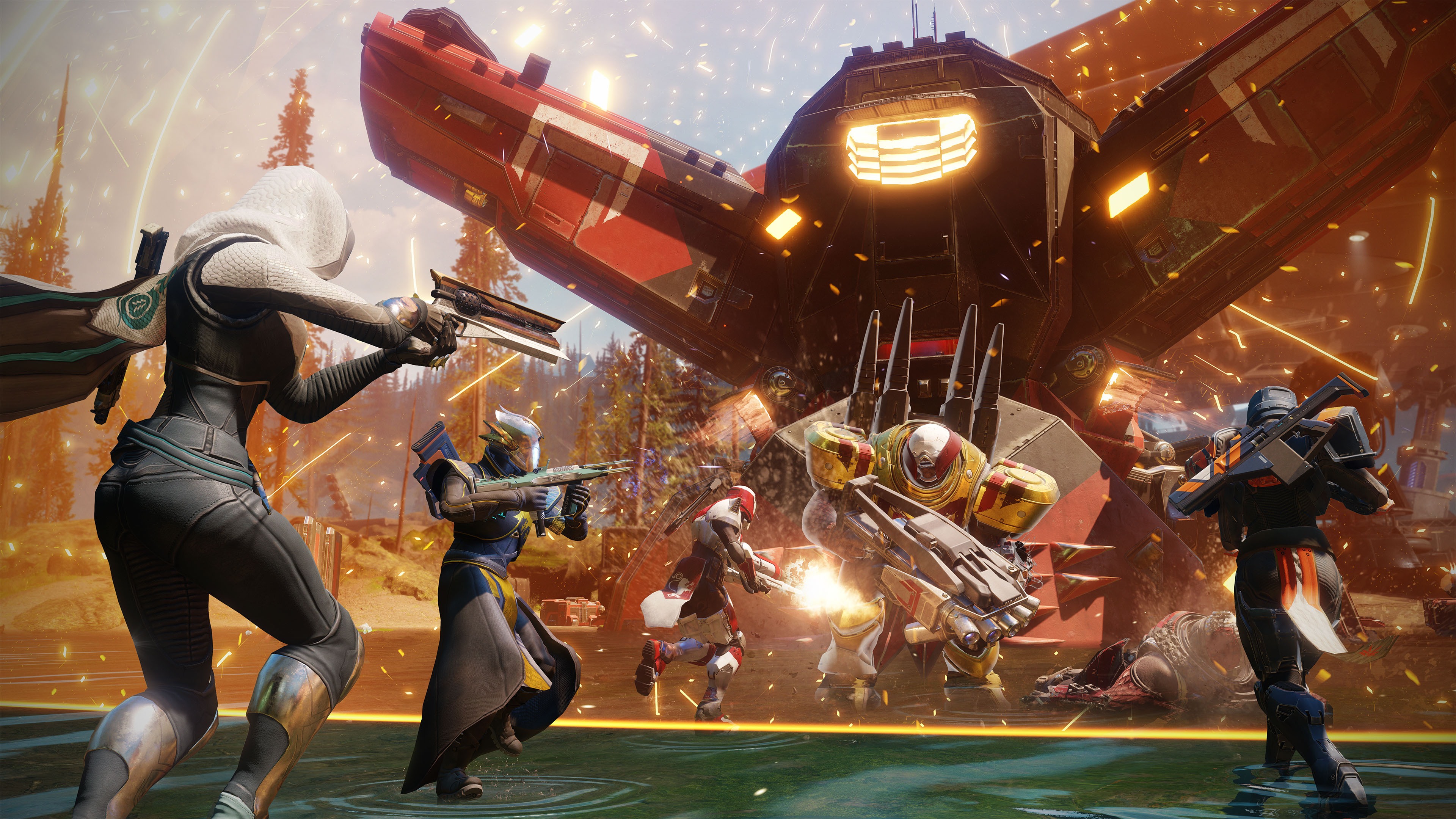
That caveat matters. "We're unsealing the vault" is a much easier sentence to write than a shipped patch notes list, and there's a real gap between the two that Bungie has left open.
How Bungie got here: ending Destiny 2's live-service run
To understand why this reversal reads as such a big deal, it helps to lay out how quickly things fell apart. In May 2026, Bungie announced it would end active development of Destiny 2. That wind-down became official on June 9, 2026, closing out a nine-year live-service content cycle that had defined the studio since the original game's 2017 launch. For a title that had trained its playerbase to expect a steady cadence of seasons, expansions, and events for the better part of a decade, that was as close to a full stop as a live-service game gets without being shut down outright.
The end of development wasn't a quiet transition. It came bundled with layoffs affecting a large portion of the Destiny team — reported figures vary slightly by outlet, with GeekWire citing "at least 290" employees and Game Developer reporting "nearly 300," though both numbers describe the same round of cuts in June 2026. Losing a team of that size isn't just a headcount reduction; it's the kind of cut that guts institutional knowledge on a game with nine years of interlocking systems, lore, and live-service infrastructure behind it.
Leadership turned over around the same time. Justin Truman, who had taken over as studio head in 2025 after longtime Bungie chief Pete Parsons departed, stepped down from the role over the summer of 2026 after roughly a year in the job. Poria Torkan has since taken over as studio head, and it's Torkan who's now the public face of this reversal.
Torkan's admission: "That's on us"
What separates this announcement from a standard corporate pivot is how directly Torkan took ownership of the last few years. "We chased vision without enough focus on what players loved and that's on us," Torkan said in the announcement. He went further: "We lost trust, we lost incredible colleagues, and we lost sight of what we should be prioritizing most, our players." And on the broader arc of recent Destiny 2 development: "Over the last few years, we lost sight of that. The consequences have been real."
Those aren't the kind of lines a studio publishes lightly. Naming the loss of "incredible colleagues" — a plain reference to the layoffs — while apologizing for chasing vision at players' expense is an unusually blunt self-assessment for a studio owned by one of the largest platform holders in the industry. It reads less like a marketing reset and more like an attempt to draw a hard line between "old Bungie" and whatever comes next under Torkan.
Marathon's reset gets folded into the same announcement
The same blog post and video also addressed Marathon, Bungie's extraction shooter that launched in March 2026. Marathon's launch reviews were positive, but according to Bungie's own leadership, the game "did not reach as many players" as the studio had hoped. Rather than treat that as a separate problem, Bungie is folding Marathon's course correction into the same "recommitment" framing as the Destiny reversal.
The plan is to evolve Marathon into what Bungie is calling "a deeper survival experience," with strengthened combat, world-building, and competitive tension spanning PvE, PvP, and PvPvE modes. Bungie laid out a concrete near-term roadmap alongside the announcement: an October Nightfall Refresh, followed by a December update called "Symbiosis." Those are the first dated commitments in the entire announcement, which is worth noting given how vague the Destiny vault timeline remains by comparison.
Positive reviews with a player count that didn't land where the studio wanted is a familiar shape for extraction shooters specifically — it's a crowded, demanding genre where critical reception and sustained daily engagement don't always move together. Bungie betting on "deeper survival" mechanics to fix that suggests the studio thinks the core loop needed more staying power, not necessarily a different genre entirely.
Sony's stake in the outcome
None of this happens in a vacuum. Bungie has been owned by Sony since a $3.6 billion acquisition that closed in July 2022, a deal that was explicitly framed at the time as Sony building out a live-service portfolio to complement its traditional single-player strength. Destiny 2 was the crown jewel justifying that price tag. A studio quietly winding down its flagship franchise's development, laying off hundreds of staff, and watching its follow-up underperform is not a good look four years into a multi-billion-dollar bet — regardless of how Sony's internal accounting treats Bungie's day-to-day autonomy.
That backdrop makes Tuesday's announcement read as much like damage control aimed at Sony's own return on investment as it does like a message to players. A studio that just told its audience "we lost sight of what we should be prioritizing" is also, implicitly, telling its parent company the same thing.
What Bungie isn't promising
For as much ground as this announcement covers, it's worth being precise about what it doesn't include. There is no Destiny 3. Torkan explicitly avoided confirming a new mainline sequel, sticking to the more open-ended framing that Bungie is "absolutely not done with Destiny" rather than committing to a specific next project. Given how loaded that franchise number has become among the community — years of speculation about whether Destiny 2's story arc was building toward a true sequel rather than another expansion cycle — the absence of a direct answer is conspicuous. It may simply mean Bungie isn't ready to commit to that scale of announcement yet, especially with restoration work on vaulted content still unscoped and untimed. It may also mean the studio genuinely hasn't decided.
The trust problem Bungie is trying to solve
Public apologies from game studios are common enough that they've become their own genre of PR, and cynicism about them is earned. What makes this one worth watching is the specificity: a named executive taking direct ownership of a strategy (the vault) that fans have criticized for years, paired with a roadmap that at least gestures at concrete near-term dates for Marathon even if Destiny's own timeline stays open-ended.
Skepticism from the existing playerbase is going to be the default reaction, and reasonably so — Destiny 2 players have watched content vanish from their game for six years under a policy the studio is only now calling a mistake, and they've watched hundreds of the people who built that game lose their jobs in the same year Bungie is asking for renewed goodwill. Whether Bungie backs this announcement with an actual, dated restoration schedule in the coming months will determine whether "we're not done with Destiny" reads as a genuine correction or as a second round of promises layered on top of the first.
No restoration timeline has been given for vaulted content, and Torkan avoided confirming a Destiny 3 — expect incremental announcements rather than a single relaunch date.