Life is Strange Studio Don't Nod Warns It Might Not Survive Past January 2027

Don't Nod Entertainment, the French studio behind Life is Strange, told investors this week that it might not exist in its current form by the end of January 2027. That's not hyperbole or a headline exaggeration — it's the studio's own language, delivered through a formal "going concern" warning from its auditors alongside its H1 2026 financial disclosure. According to VideoGamesChronicle, GameRant, and ComicBook.com, Don't Nod says it may have to lay off up to 90 staff, and without securing new financing or major cost savings, the company's continued operation is genuinely at risk.
That's a startling position for a studio whose name is attached to one of the more beloved narrative franchises of the last decade. Life is Strange made Don't Nod a recognizable name well beyond the usual indie-adjacent audience, and the studio has spent years since trying to expand that reputation into a broader slate. This week's disclosure is the clearest sign yet that the expansion hasn't gone the way the company needed it to.
What the warning actually says
The specific phrase used by Don't Nod's auditors, per the studio's own investor filings, is that the combination of financial pressures the company faces "are likely to jeopardize the continued operation of your company" absent immediate external funding or significant cost savings. That's not boilerplate caution — a going-concern warning is a formal, heavily scrutinized disclosure that auditors only attach when they have real doubt a company can keep operating for the next twelve months without intervention.
The cash numbers back up why that doubt exists. Don't Nod's gross cash position fell from roughly €15.4 million at the end of 2025 to about €9.8 million by the end of June 2026, and reporting on the disclosure suggests it had slipped further still, to somewhere around €8.0 million, by the end of July 2026. Different outlets have handled the exact conversion and rounding slightly differently, so those figures are best read as approximate rather than to-the-decimal precise, but the trend line is unambiguous: Don't Nod has been burning cash fast, and the rate hasn't slowed.
Revenue tells a similarly rough story. Don't Nod's net operating revenue for H1 2026 came in at roughly €6.1 million (in the neighborhood of $7.1 million), a significant decline compared to the same period a year earlier. Secondary reporting on the exact size of that year-over-year drop has varied between sources, so it's worth treating the precise percentage as unsettled — but every account agrees on the direction: revenue is down meaningfully, and it's down at the same time cash reserves are shrinking, which is the exact combination that produces a going-concern warning.
How a studio built on beloved narrative games ended up here
The immediate cause isn't mysterious. Don't Nod's recent release slate simply hasn't performed. Lost Records: Bloom & Rage, the studio's 2025 narrative adventure and its most direct spiritual successor to the original Life is Strange formula, landed positive reviews but underperformed commercially — a "good but not enough" outcome that's common enough in this industry but still costly for a studio Don't Nod's size.
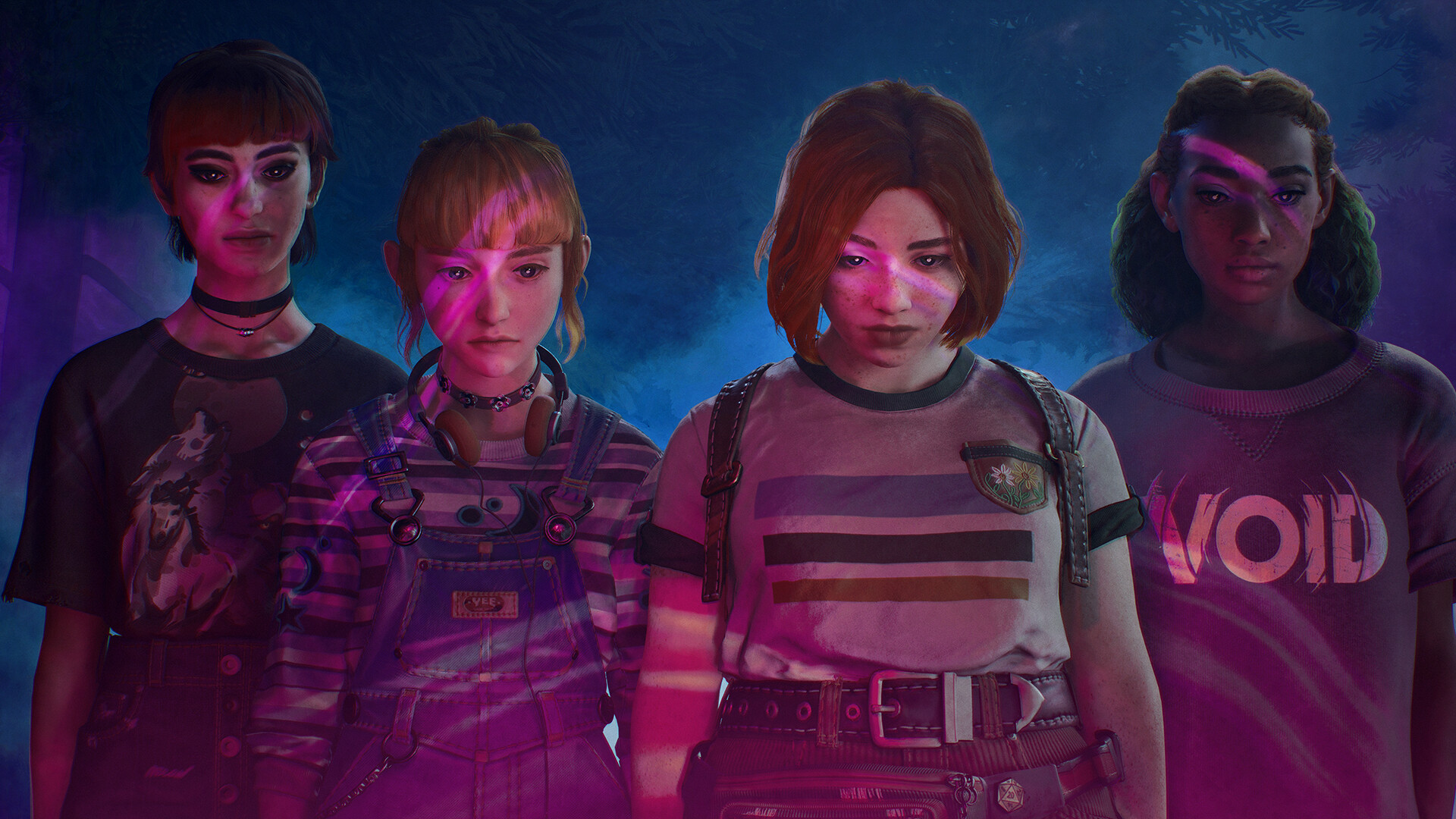
The bigger problem came after. Aphelion, a third-person action-adventure title Don't Nod released in April 2026, was a genuine commercial failure. Critical reception was mixed at best, and the sales picture was worse than mixed — GameRant and ComicBook.com report the game peaked at just 219 concurrent players on Steam, against reported production costs of around €8.5 million. That's not a soft launch that could theoretically recover with word of mouth; that's a number that signals almost nobody bought or tried the game at all. For a studio operating with the kind of cash constraints Don't Nod has just disclosed, an €8.5 million production landing at 219 concurrent players isn't a disappointing quarter — it's close to an existential wound.
It's worth sitting with how much of a departure Aphelion represented for Don't Nod in the first place. This is a studio whose identity was built on grounded, choice-driven teen and young-adult narrative games — Life is Strange, Tell Me Why, Twin Mirror, Lost Records. Aphelion was an attempt to move into action-adventure territory more squarely, and the market's response suggests that bet didn't connect with either Don't Nod's existing audience or a new one large enough to justify the spend.
Tencent pulled back, and that made everything worse
Underperforming games alone don't usually produce a going-concern warning — studios weather bad launches by leaning on financing, credit lines, or supportive shareholders to bridge the gap. Don't Nod's problem is that its biggest potential source of exactly that kind of support declined to provide it.
Tencent is Don't Nod's largest shareholder, holding a 41.9% equity stake and 33.5% of voting rights, according to GameDeveloper.com's reporting. When Don't Nod needed help, Tencent said no on two fronts: it declined to subscribe to a short-term capital increase, and it also declined to co-finance Don't Nod's upcoming games through co-production deals. Either of those alone would have been a setback. Both together, from the company's largest and presumably most invested shareholder, is a significant withdrawal of support — and it's a strong signal about how Tencent itself is reading Don't Nod's near-term prospects.
Tencent's reasoning hasn't been made public in detail, and it's worth not over-reading a single funding decision as a definitive verdict on Don't Nod's entire future. But from the outside, the timing is hard to separate from Aphelion's collapse and Lost Records' soft commercial performance. A major shareholder choosing not to double down right after two consecutive underperforming releases is, at minimum, consistent with a lack of confidence in the current trajectory.
The restructuring plan: back to three pillars, and back to France
Don't Nod's board has approved a restructuring plan in response, and it's a genuinely significant one. The company plans to consolidate its operations exclusively in France, and to refocus its development slate around three specific genre pillars: action-adventure, narrative-adventure, and RPG. Alongside that consolidation, Don't Nod says it's pursuing "several levers" to stay solvent — a mix of external financing efforts and internal resource reallocation — with the explicit goal of staying alive long enough to ship new, commercially viable titles.
Reading between the lines, that's a studio trying to buy itself time and narrow its focus back toward what's actually worked in the past, rather than continuing to spread itself across every genre it's experimented with over the last several years. Narrative-adventure is obviously the lane Don't Nod built its reputation in. Action-adventure and RPG suggest the studio still wants to diversify, but presumably with more discipline than Aphelion's execution allowed for.
The up-to-90-layoffs figure sits inside that restructuring, not separate from it. Consolidating "exclusively in France" implies winding down or restructuring whatever operations exist outside it, and workforce reductions of that scale would be a substantial hit for a studio of Don't Nod's size — this isn't a company with the kind of headcount that can absorb 90 layoffs quietly.
What it means for Life is Strange going forward
The franchise most people associate with Don't Nod isn't directly named in the crisis reporting as a cause, and that's worth being precise about — this isn't a story about Life is Strange failing. Lost Records was the closest recent equivalent, and even that "underperformed" rather than flopped outright. But a studio-wide going-concern warning inevitably puts a question mark over everything in the pipeline, including whatever future Life is Strange projects might exist, formally announced or not.
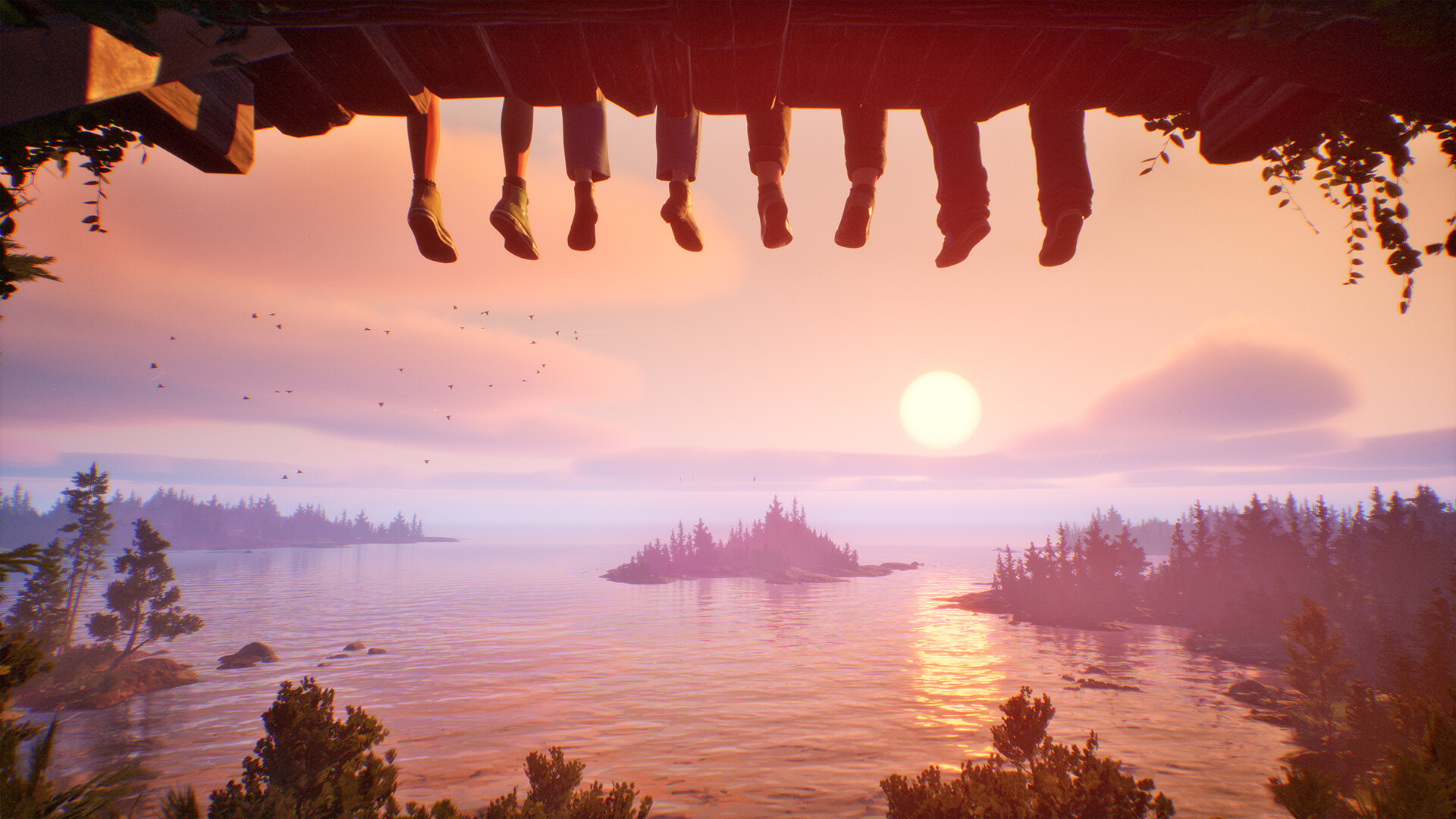
There's one franchise-adjacent detail worth flagging carefully rather than treating as settled: ComicBook.com reports that a live-action Life is Strange TV series is reportedly in production. That detail is currently single-sourced in the coverage available, so it's best read as a "reportedly" claim rather than a confirmed production update — but if accurate, it's a reminder that Life is Strange as an IP has value and momentum that extends beyond Don't Nod's own balance sheet. A TV adaptation, if it's genuinely moving forward, would exist somewhat independently of whether Don't Nod itself survives this specific financial crunch, since licensing and adaptation deals typically involve separate production entities and financing.
The bigger pattern here
Don't Nod's situation lands in a games industry that's had a rough stretch of exactly this kind of news throughout 2026 — studios built on genuine critical goodwill running into commercial walls that goodwill alone can't cover. It's the same broad shape seen elsewhere this year, where a studio's reputation with critics and a dedicated fanbase turns out not to be enough insulation against a couple of underperforming releases in a row, especially once outside financing gets harder to come by.
What makes Don't Nod's case distinct is how explicit and dated the warning is. This isn't vague industry chatter about a studio being "at risk" — it's a company publicly stating, through its own auditors, that it might not make it past January 31, 2027 without new money in the door. That's a hard deadline, on the record, from the company itself. Whether Don't Nod finds that financing, whether the restructuring actually narrows the studio down to something sustainable, and whether whatever ships next under the action-adventure, narrative-adventure, or RPG banners can recover the ground Aphelion lost — all of that is still unknown. What's confirmed is the warning itself, and the fact that a studio behind one of the decade's most recognizable narrative franchises is now racing a clock it set for itself.
Watch for whether Don't Nod lands new financing before its own deadline, and whether the France-only restructuring actually ships a commercial hit before the cash runs out.