Metroid Ravenous Wants Samus to Feed on Enemies to Survive — And Scalpers Already Smell Blood
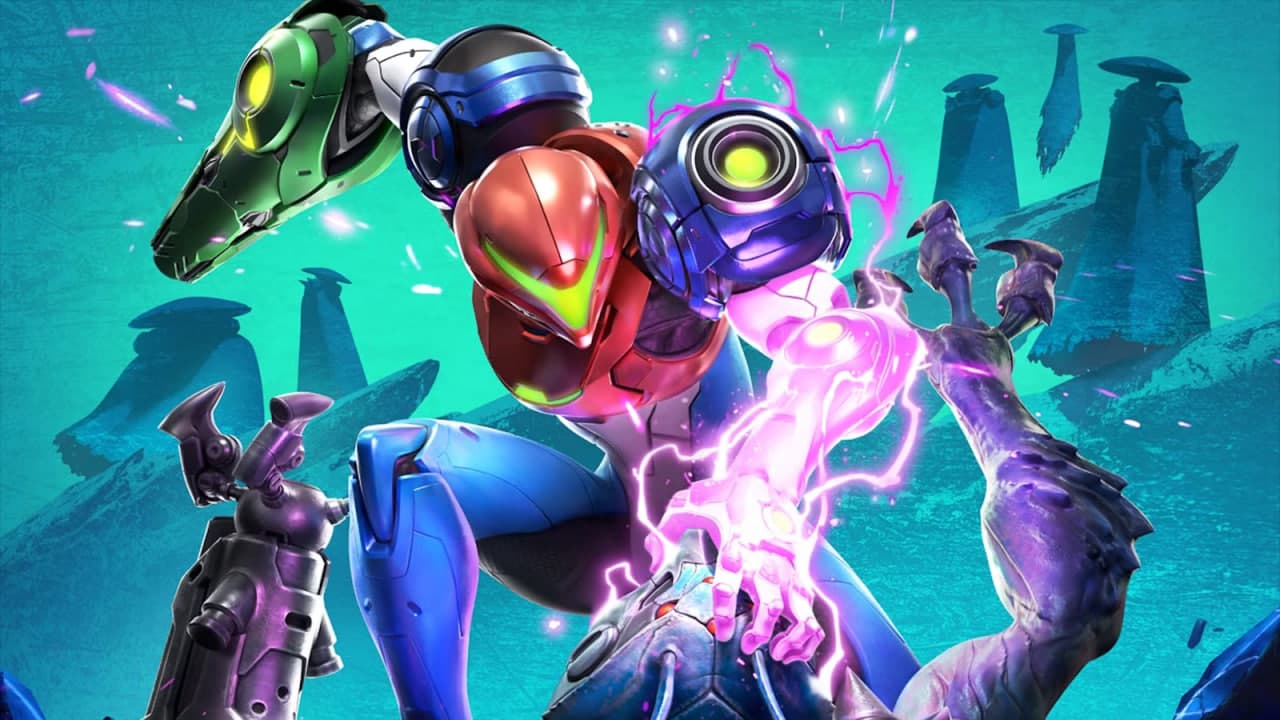
Nintendo's September Direct, which aired September 9, 2026, closed out with the kind of reveal that reframes what a mainline Metroid game is even allowed to do. Metroid Ravenous, a new 2D side-scrolling entry in the series, is built around a mechanic the franchise has never used before: Samus Aran actively drains the life force of enemies to survive. It's a genuinely strange pitch for a character whose entire identity has been built on distance — the suit, the visor, the isolation — and it's paired with a real release date close enough to matter. Ravenous launches January 28, 2027, exclusively on Nintendo Switch 2.
It didn't take long for the story to split into two tracks. One is about the game itself — what this new survival system actually does, who's making it, and how it connects to where the series left off. The other is about a $120 Special Edition that sold out almost instantly and is now showing up on eBay for two to three times its retail price. Both are worth untangling.
Who's building it, and why that matters
Metroid Ravenous is being developed by MercurySteam, the Spanish studio behind Metroid Dread, according to GoNintendo's report on the reveal. That's not a small detail. Dread was the first mainline 2D Metroid game in nineteen years when it launched in 2021, and it landed as one of the best-reviewed entries the franchise has ever had — precise movement, a genuinely tense predator-and-prey relationship with the E.M.M.I. robots, and a boss lineup that pushed the series' combat further than it had gone before. Handing Ravenous back to the same studio is Nintendo betting on continuity of craft rather than starting over with an unproven team, and it's the clearest signal yet that MercurySteam has become the de facto steward of 2D Metroid, at least for now.
That pedigree is doing a lot of the trust-building here, because the mechanic MercurySteam is introducing this time is a much bigger swing than anything Dread attempted.
What actually happens in the opening minutes
According to Tech Times' coverage of the reveal, Ravenous opens with Samus ambushed by unidentified assailants on an unnamed moon. She's left gravely wounded and disoriented — not the composed, fully-suited bounty hunter players are used to controlling from minute one. A voiceover lays out the stakes directly: the only way she's making it home is to feed on whatever stands between her and the surface.
That's a blunt, almost brutal framing for a Metroid game to open on. The series has flirted with body horror and parasitic threats before — Metroid Fusion's entire plot is built around Samus being infected by the X Parasite — but it's never made predation the player's own core survival tool from the outset. Ravenous isn't just putting Samus in danger. It's making her the thing other creatures should be afraid of, at least mechanically.
The drain-life system, and what it actually does
The headline mechanic is a franchise-first: Samus can actively drain the life force of enemies, and doing so fills a meter she can spend to unlock new techniques for boss fights or exploration, per Tech Times' reporting. Mechanically, that reframes combat encounters that used to be about clearing an obstacle into something closer to a resource loop — every enemy isn't just a threat to survive, it's also a potential source of the currency that unlocks Samus's next tool or ability.
That's a meaningful structural shift for a series whose power-up loop has historically run through fixed, discoverable items: Missile Tanks, Energy Tanks, the Morph Ball, specific suit upgrades tucked behind specific obstacles. Metroidvania design, the genre Metroid itself named, is built on gating progress behind items found in the environment, not behind a meter fed by combat encounters. Layering an active-drain resource system on top of that doesn't necessarily replace the traditional item hunt — Nintendo hasn't said it does — but it does suggest Ravenous wants moment-to-moment combat to matter for progression in a way past entries generally didn't ask of players.
The Dread connection outlets are drawing
The obvious question is why Samus, of all characters, is suddenly able to do this. Outlets covering the reveal have framed the mechanic as a direct continuation of Metroid Dread's ending, where Samus absorbed the power of Dread's antagonist, Raven Beak, and became what's been described as a "humanoid Metroid" capable of draining other beings' energy herself. It's a tidy explanation, and it lines up with what a lot of players remember from Dread's finale.
It's worth being precise about what that connection actually is, though: it's outlet interpretation of the reveal trailer and Dread's ending, not a confirmed statement from Nintendo or MercurySteam tying the two together explicitly. Nothing in the Direct itself, as reported, had a developer stand up and say "this is Raven Beak's power carrying over." The read is a reasonable one given how Dread ended, and it's the most coherent lore explanation currently circulating, but until Nintendo or MercurySteam confirms it directly, it should be treated as the strong, likely theory it is rather than settled canon.
A possible SA-X sighting, and why that's still speculation
The reveal trailer has also kicked off a second, separate round of theorizing. According to reporting on the footage, players may need to sneak through vents at points in Ravenous to avoid detection — not just from Space Pirates, but potentially from Samus's parasitic clone SA-X, last seen tormenting players throughout Metroid Fusion.
SA-X returning would be a significant callback. Fusion is arguably the series' most psychologically tense entry specifically because of SA-X — an exact copy of Samus's old Power Suit abilities, hunting her through the BSL space station with a stealth-and-evasion loop that Metroid Dread's E.M.M.I. sections later echoed and expanded on. If Ravenous is bringing that specific dynamic back, it would tie Samus's most vulnerable, gravely-wounded state in Ravenous to the one other game where she was hunted rather than hunting.
But that's exactly the caveat that needs to stay attached to it: this is reporting built on outlet interpretation of trailer footage, not a confirmed character reveal from Nintendo or MercurySteam. The vents and the stealth framing are apparently in the trailer. Whether the thing players are hiding from is actually SA-X, something that merely resembles her, or an entirely different threat wearing a familiar silhouette, hasn't been confirmed on the record. Treat it as one of the more exciting open questions hanging over the reveal, not a locked plot point.
Pricing, and the edition that disappeared
On the more mundane but very real side of the news, Nintendo detailed pricing alongside the reveal. The standard edition of Metroid Ravenous runs $59.99 digital or $69.99 physical. Sitting above that is a $120 Special Edition bundling the physical game, a Metroid-themed SteelBook case, and an exclusive Samus Metroid Suit amiibo that unlocks in-game items, according to coverage of the announcement.
That Special Edition sold out almost instantly after the Direct wrapped, per Notebookcheck's reporting on the aftermath. Given how quickly it vanished from retailers, that's not entirely shocking on its own — collector's editions for major Nintendo franchises routinely sell through fast. What made this one a story in its own right is what happened next.
The scalper math
Scalpers moved on the Special Edition almost as fast as it sold out, relisting it on eBay with completed sales closing in the $250 to $325 range, according to Notebookcheck. That's roughly two to two-and-a-half times the $120 retail price, for a product that, as far as anything Nintendo has said, doesn't include any content unavailable elsewhere at retail beyond the amiibo and its unlockables — no exclusive levels, no different ending, nothing that changes the actual game.
This is a familiar pattern by now, and not one unique to Nintendo. Limited collector's editions tied to hardware-exclusive, high-demand franchises have become a predictable scalping target industry-wide, the same way limited sneaker drops or graphics cards get bought up by bots and resellers within minutes of going live. What makes the Ravenous case notable is the speed: this wasn't a slow bleed of stock over days followed by opportunistic reselling. It sold out essentially the moment the Direct ended, which suggests either genuinely constrained initial allocation, automated buying, or some combination of both. Nintendo hasn't commented publicly on restock plans or how initial units were allocated, so it's unclear right now whether more Special Editions are coming before launch or whether the January 28 window is the next realistic chance for anyone who missed the first wave.
The rest of the Direct, briefly
Metroid Ravenous wasn't the only major reveal in the September Direct, and it's worth noting the company around it. The same broadcast unveiled Kirby and the World Beyond, a fully 3D Kirby adventure for Switch 2 arriving spring 2027 and marking the character's 35th anniversary, plus a Switch 2 Edition of Pikmin 4. Both fit a pattern Nintendo has leaned on across recent Directs: pairing a genuinely experimental swing — in this case, Ravenous rebuilding Metroid's core combat loop around predation — with safer, familiar bets that don't ask longtime fans to reconsider anything about how the games play. Kirby going fully 3D is its own notable shift, but it's a lower-risk one than asking Samus Aran to start feeding on the things she fights.
What's still unconfirmed, and why it matters
It's worth being clear-eyed about how much of Ravenous is still unknown outside the broad strokes shown in the Direct. The drain-life meter's exact mechanics — how much life force different enemy types provide, whether it decays over time, how it interacts with traditional Energy Tanks — haven't been detailed beyond "unlocks new techniques for boss fights or exploration." The Raven Beak connection is a strong, logical read of Dread's ending, but not a confirmed dev statement. The SA-X sighting is trailer interpretation, not an announced character return. And there's been no word on whether more Special Edition stock is coming, or how MercurySteam plans to balance a resource-hungry survival mechanic against Metroid's traditional item-gated exploration structure across a full campaign.
None of that undercuts how big a swing this reveal is. Metroid has spent nearly four decades defining Samus by what she carries and what she can withstand — the suit, the arm cannon, the ability to absorb damage and keep moving forward alone. Ravenous is the first mainline entry to suggest her survival might depend on taking something from the things trying to kill her, not just outlasting them. Whether that reframes the character in a way that sticks, or ends up being a mechanic players quietly stop thinking about past the opening act, is a question that won't have a real answer until January 28.
Expect deeper gameplay breakdowns, a possible demo, and more Special Edition restocks — or more scalper listings — as Metroid Ravenous closes in on its January 28, 2027 launch.