Mortal Shell II Review Roundup: Cold Symmetry's Soulslike Sequel Ditches the Stiffness for an Open World
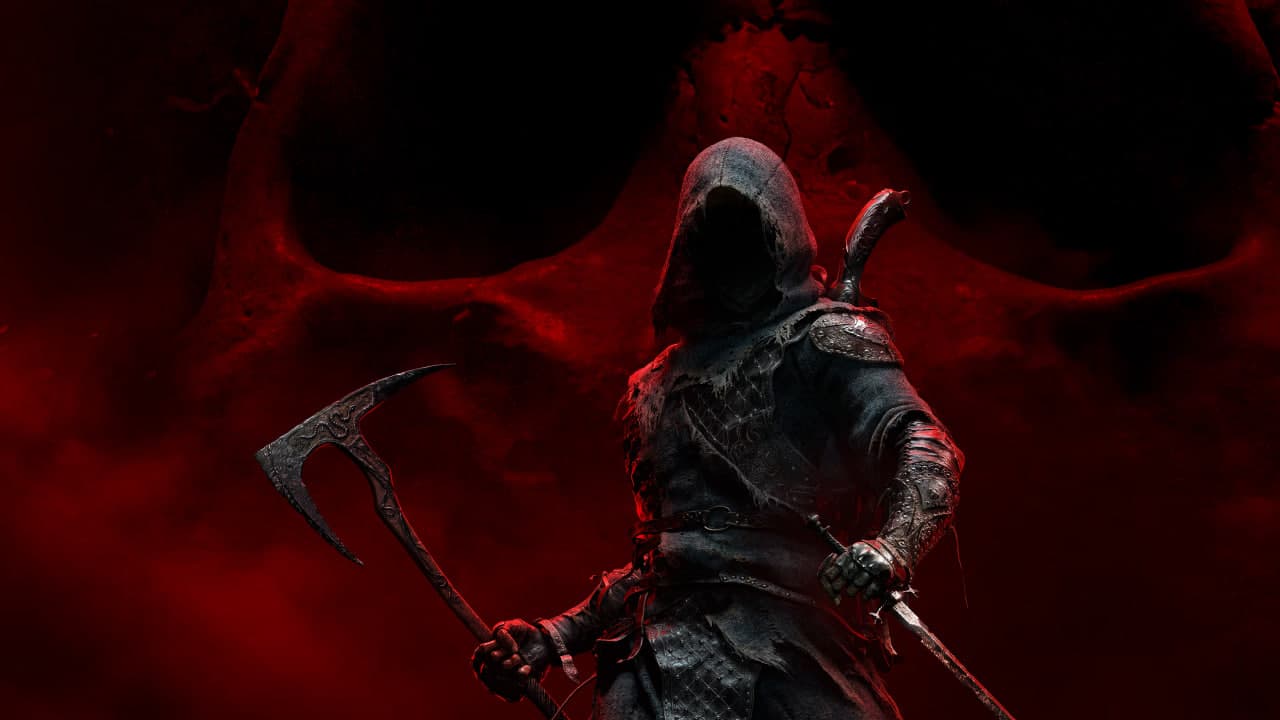
Mortal Shell II launched August 20, 2026, on PC, PS5, and Xbox Series X|S, according to OpenCritic and G2A News. The original Mortal Shell arrived in 2020 as a scrappy, unmistakably Souls-inspired debut from a studio nobody had heard of, praised for its atmosphere and unique "shell-hardening" parry mechanic but dinged just as often for combat that felt heavier and less responsive than the games it was clearly chasing. Six years later, Cold Symmetry has come back with a sequel that doesn't just iterate — it restructures the entire game around fixing that exact complaint, while also blowing the world open in a way the first game never attempted.
The early aggregate numbers back up the idea that the studio actually pulled it off. OpenCritic has the game sitting at 85 out of 100 across 70 critic reviews, with roughly 90% of critics recommending it — outlets tracking the same data have put that figure anywhere from 90% to 92%, so treat it as an approximate consensus rather than an exact number. OpenCritic's own critical consensus line sums up the shift succinctly: "Mortal Shell 2 grows in stature and self-assurance from the first game, establishing itself as an excellent Soulslike with a rhythm of its own."
The scores, lined up
IGN gave the game an 8 out of 10 — that score and quote are sourced via aggregation rather than a direct pull of IGN's own article, so it's worth flagging as secondary rather than firsthand, but the framing is consistent enough with the rest of the coverage to trust the gist. IGN's take, per that aggregated quote: "Mortal Shell 2's expansion into a large scale action-RPG is mostly successful, and all of its new ideas are great ones." That's a notably different register than most sequel reviews, which tend to hedge on whether a franchise's new direction was the right call. Here, the ambition itself is being credited as a success, not just tolerated.
Eurogamer landed at 4 out of 5, also via aggregation — a direct fetch of Eurogamer's own review didn't come through, so no specific quote is being attributed to them here, just the score itself. CGMagazine came in at 8.5 out of 10, and unlike the Eurogamer number, CGMagazine's full review is available to draw from directly, which makes it the most useful single source for understanding what actually changed in this sequel.
Fixing the stiffness
The first Mortal Shell's biggest weakness, by near-universal agreement at the time, was how it moved. Attacks had noticeable wind-up, dodges felt committal in a way that didn't always match the speed of incoming enemy attacks, and the whole package read as a studio still learning how to make combat feel good rather than just look the part. CGMagazine's review calls that history out directly, and its verdict on the sequel is about as clean a turnaround as a studio can hope for: "Every swing, dodge, and parry in Mortal Shell II has this tightness to it that the first game never seemed to find."

That's not a small claim in a genre this crowded. Soulslikes live or die on whether their combat feels precise enough to make death feel like the player's fault rather than the engine's, and a studio publicly associated with "stiff" combat carrying that reputation into a sequel is a real risk. According to CGMagazine, Cold Symmetry addressed it through a combination of refined animation work and genuinely expanded weapon variety — not just more numbers on a stat sheet, but weapons that change how encounters actually play out.
The shell system grows a personality
Mortal Shell's core hook back in 2020 was its shell-swapping mechanic — instead of building one character across a whole campaign, players found and inhabited different husks, each with its own health pool, stats, and special ability, letting them reshape their build on the fly mid-run. It was a clever twist on the genre's usual class systems, but in the original game the shells themselves were mostly mechanical: different numbers wrapped in slightly different flavor text.
The sequel treats that system as connective tissue for the story instead of just a loadout menu. Per CGMagazine, each shell now carries its own emotional and narrative weight, with players piecing together character fragments attached to each one to reveal fuller backstories as they go. It's a smart way to deliver lore without stopping the action for cutscenes — the game is trusting players to want to know who they're wearing, not just what stats that shell provides.
The mechanical side got a matching upgrade. CGMagazine highlights specific examples: one shell comes with a hookshot-style attack that deals electricity damage, opening up traversal and crowd-control options the original game's shells never had. Another is built around charged attacks specifically designed to stagger tougher enemies, giving players a dedicated answer to the kind of armored, hyper-aggressive foes that tend to bully through a Soulslike's normal moveset. Between the narrative fragments and the genuinely distinct kits, the shells have gone from a neat gimmick to something closer to the game's actual character roster.

From linear corridors to an open world
The bigger structural swing is the map itself. Mortal Shell's original design was linear and interconnected in the classic Souls mold — tight, hand-authored spaces that looped back on themselves, rewarding memorization over exploration. Mortal Shell II abandons that structure for a dense open world, and that's the kind of change that can easily go wrong. Plenty of linear franchises have opened up their sequels only to end up with a map full of copy-pasted points of interest that pad playtime without adding substance.

CGMagazine's review pushes back on that concern directly, characterizing the expansion as "purposeful rather than padded." Each region reportedly carries its own distinct visual identity and enemy roster, paired with environmental storytelling that ties back into the shell-fragment system rather than existing in a separate lane from it.

The open world also adds optional dungeons and beacon-style progression points scattered across it — structures that give players discretion over pacing and difficulty curve without forcing a straight line from start to finish. That's a meaningfully different design philosophy than the original game's rigid interconnection, and it's the single biggest bet the sequel makes.
It's also, notably, a bet other Soulslikes have already validated. FromSoftware's own pivot to an open world with Elden Ring reshaped what the genre's ceiling looked like commercially and critically, and it's hard not to read Cold Symmetry's decision here as at least partly downstream of that shift. The difference is scale — Mortal Shell II is not attempting an Elden Ring-sized map, and CGMagazine's framing suggests a more tightly curated open world rather than a sprawling one, which fits a smaller studio's resources better than trying to out-scope the genre's biggest player.
Story takes a back seat, but a more coherent one
Narrative was never the first Mortal Shell's strong suit in the traditional sense — it leaned on the kind of obscure, item-description-driven lore that's become a genre signature since Dark Souls, where players piece together a setting's history from fragments rather than dialogue. It worked for atmosphere but left a lot of players unsure what, specifically, had actually happened by the credits.
CGMagazine's review suggests the sequel keeps that same philosophy — story remains secondary to the moment-to-moment gameplay systems — but executes it more legibly. The shell-fragment system doing double duty as both a mechanical upgrade path and a narrative delivery method seems to be the key change here: instead of relying purely on obscure item text, the game now has a built-in structure for feeding players context as they naturally progress through combat and exploration. It's a smaller shift than the combat rework or the open-world redesign, but it's the kind of change that tends to matter more on a second or third playthrough, once the initial mechanical learning curve has flattened out.
Who's actually making this game
Cold Symmetry is worth a beat of its own context, because the jump in quality here doesn't come out of nowhere. The studio built the original Mortal Shell with a team of roughly 15 people — a genuinely small crew for a game that ended up as a respected, if flawed, entry in one of gaming's most demanding genres. That team reportedly includes veterans who cut their teeth on Alita: Battle Angel, Ghost of Tsushima, and Call of Duty, a combination that explains a fair amount about where the original game's strengths already were: its atmosphere and art direction were consistently praised even when its combat wasn't.
Ahead of the full launch, Cold Symmetry ran an open beta over the summer of 2026, giving the studio a public testing window to gather feedback on the new open-world structure and combat changes before the game went out the door. That's a meaningfully different launch approach than the original Mortal Shell got, and it likely explains some of why the sequel's combat overhaul landed as cleanly as CGMagazine and IGN both describe it — a studio this size getting a real beta cycle in front of players before launch is not something every small developer can afford to do.
Where this leaves the genre
The Soulslike space in 2026 is arguably more crowded than it's ever been, and "we fixed the combat and added an open world" is a pitch a lot of sequels have made without actually delivering on it. What separates Mortal Shell II's reception so far is that the specific, granular praise — CGMagazine's line about swing, dodge, and parry tightness in particular — reads like reviewers noticing a real mechanical difference moment to moment, not just crediting the studio for effort. An 85 on OpenCritic with roughly nine in ten critics recommending it, off the back of a game whose predecessor was politely but consistently knocked for feeling stiff, is the kind of jump that doesn't happen by accident.
There are still open questions the roundup so far doesn't answer. Playtime, difficulty balance across the wider open world, and how well the new dungeon-and-beacon structure holds up over a full campaign rather than a review cycle are all things that tend to surface more in community discussion than in day-one critic scores. But on the two things that mattered most going in — does the combat finally feel good, and does the open world justify itself rather than just existing for scale — the critical consensus so far is a clear yes on both counts.
Should you play it
If you bounced off the original Mortal Shell specifically because the combat felt like it was fighting you as much as the enemies were, the reviews here suggest that complaint has been directly and deliberately addressed rather than papered over. CGMagazine's 8.5, IGN's 8, Eurogamer's 4 out of 5, and an 85 aggregate on OpenCritic with strong recommendation numbers all point in the same direction: a small studio took its most consistent criticism seriously and rebuilt the game's core feel around answering it, while simultaneously taking on the much riskier structural bet of going open world.
For genre veterans who've already burned through Elden Ring, Lies of P, and everything else the past few years have thrown at Soulslike fans, Mortal Shell II reads like a sequel that earned its ambition rather than one chasing trends for their own sake. The shell system's new narrative layer and the more purposeful open-world design both suggest Cold Symmetry understood exactly what worked about the original and built outward from it, instead of just changing things for the sake of looking bigger on a store page.
Expect Cold Symmetry to support the game with balance patches based on beta and launch feedback, and for future DLC to expand the open world rather than bolt on a separate campaign.