Power-Scaling Bollywood's Ramayana Boom: Ramayana Part 1 vs Adipurush vs Mahakavya Shri Ramayan Katha
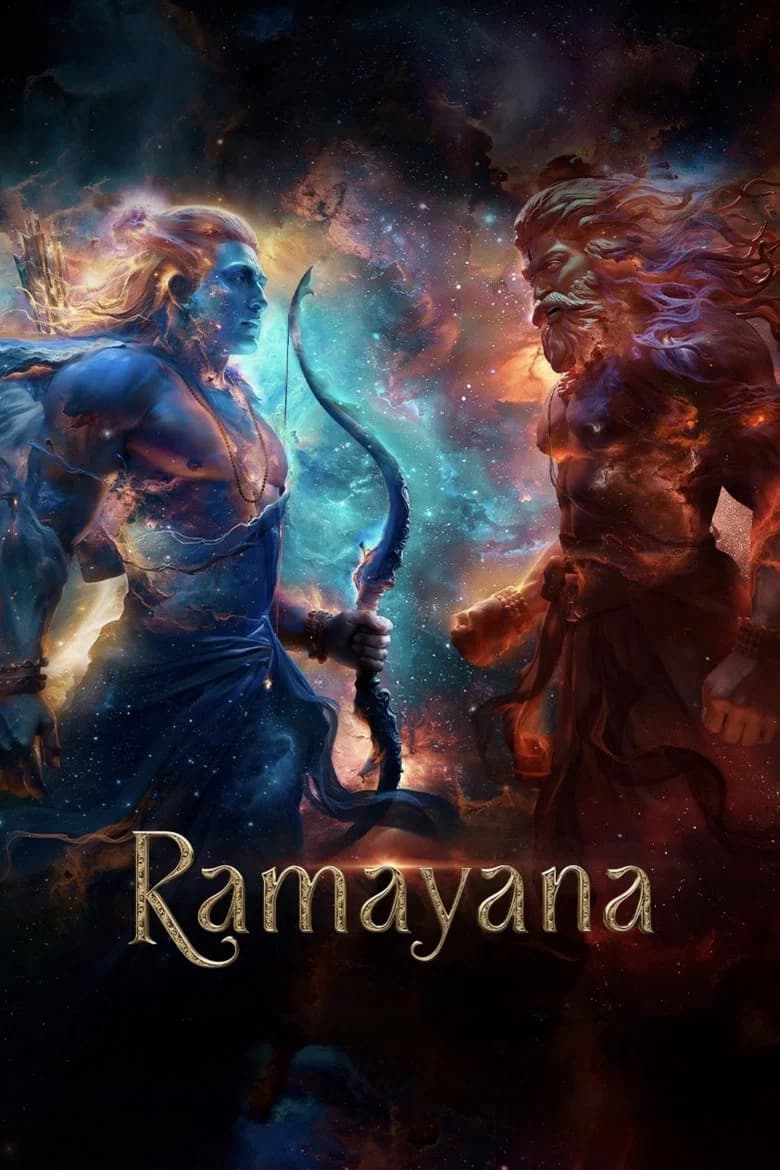
Here's a way to think about the current Hindi Ramayana wave that will save you a lot of time parsing budget reports: take Nitesh Tiwari's Ramayana Part 1 — DNEG doing the effects, A.R. Rahman and Hans Zimmer sharing a composer's credit for the first time in either man's career, a reported combined budget north of $500 million — and dial the production values down by a factor of 10. You land somewhere close to Adipurush, the 2023 film that became a punchline before it even finished its opening weekend. Now take Adipurush and dial it down another 100x, and you somehow arrive at Mahakavya Shri Ramayan Katha, a Chhattisgarh-produced, Hindi-and-Chhattisgarhi release starring a social-media influencer in her acting debut, opening this Friday against two other films.
That's the joke. It's also, more or less, an accurate description of what's actually happening across three real productions competing for the same cultural real estate this year and next. None of the three has fully escaped the "video-game CGI" meme currently hanging over every big mythological release in Hindi cinema — not even the one spending nine figures on visual effects. But the gap between "escaped it mostly" and "never had a chance" is enormous, and it's worth walking through tier by tier.
Tier one: Ramayana Part 1, or the best-resourced production money can currently buy
Start at the top, because it's the only sensible place to start with numbers like these. Ramayana Part 1 — Ranbir Kapoor as Ram, Sai Pallavi as Sita, Yash as Ravana, Sunny Deol as Hanuman, Ravi Dubey as Lakshman — is being financed at a scale no Hindi film has previously attempted. IndieWire reported the combined two-part budget at roughly $500 million as part of Sony's international distribution deal. Outlook India separately pegged Part 1 alone at around ₹835 crore, or roughly $100 million. And producer Namit Malhotra has publicly referenced a ₹4,000 crore figure for the full two-part project in comments to Republic World this past April. These numbers don't all line up neatly with each other — they rarely do with a production this large and this heavily reported on — but even the most conservative reading puts this comfortably above Adipurush, RRR, and Kalki 2898 AD combined.
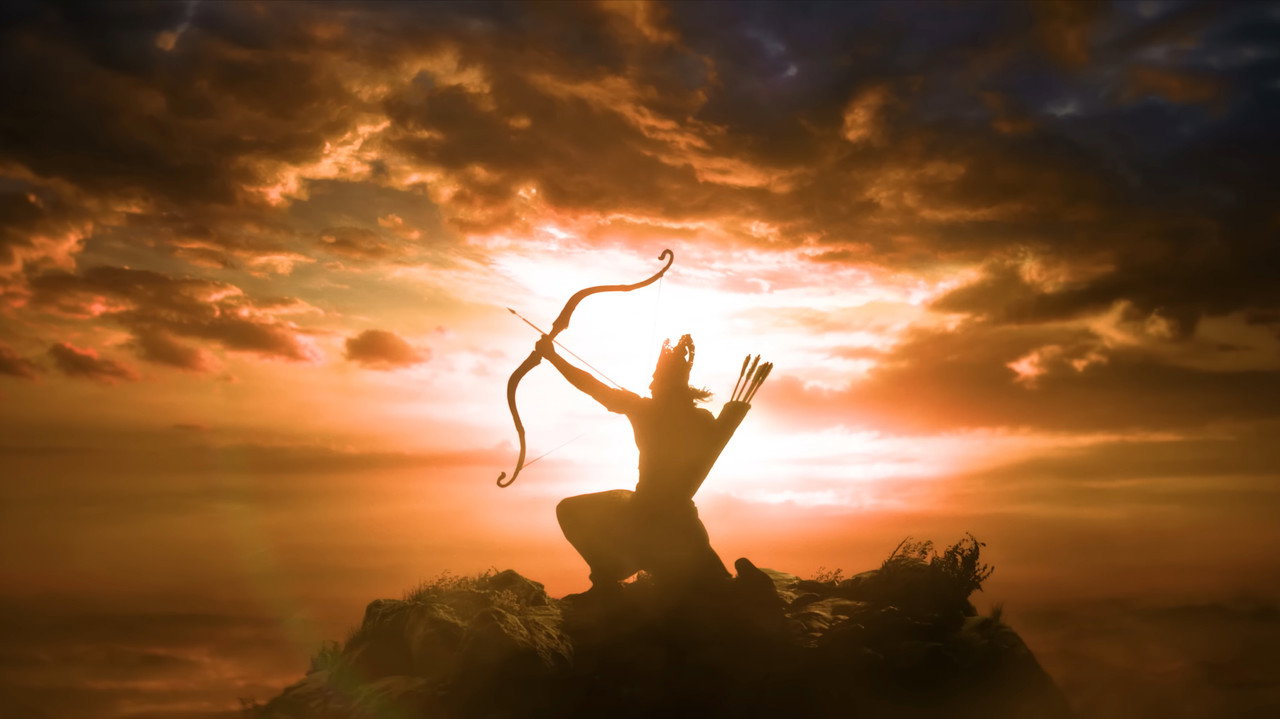
The effects work is handled by DNEG, Malhotra's own company and an eight-time Oscar winner with Dune, Interstellar, Blade Runner 2049, and Ex Machina on its résumé, working alongside ReDefine through Prime Focus Studios. The score is a joint A.R. Rahman and Hans Zimmer credit — genuinely the first time the two have worked together — and a snippet that leaked onto Instagram got a strongly positive fan reaction, per Gulf News and The Hollywood Reporter India. On paper, this is the reference point. Best VFX pedigree in the business, the two most recognizable film composers alive working in tandem, and a two-year preparation arc from its lead actor that included yoga, scholarly consultation, and meditation sessions with a guru.
And it still hasn't escaped the meme.
Even the best-funded Ramayana on the market got dragged for its VFX
The teaser dropped April 2, 2026, timed to Hanuman Jayanti, and OpenTheMagazine called the backlash that followed "one of 2026's biggest social media storms." Viewers went straight at the demon and monster designs, drawing direct comparisons to Adipurush — which, for a production spending this much specifically to avoid that comparison, has to sting. The line that actually went viral, and deserves to be repeated because it's a genuinely good joke at the industry's expense, was: "We got Indian Avengers on PS4 before GTA 6."
A second wave hit when the full trailer landed on July 29, with viewers calling it "CGI heavy" and, per The Statesman, singling out Dasharatha's facial VFX and the Asura effects as looking "overdone and unnatural." Ranbir Kapoor's dialogue delivery took its own hit — critics felt it still read like Yeh Jawaani Hai Deewani rather than a mythic register befitting Ram. The one performance that came out of both rounds of criticism largely unscathed was Yash's Ravana, which multiple viewers singled out as the version of this film's visual ambition actually landing.
Kapoor pushed back directly in comments to Collider: "In the last few years, there has been a phenomenon where a large number of people are CGI critics. They see a trailer, and they are always critiquing something." That's one way to handle it. Namit Malhotra took a different approach on April 7, acknowledging the criticism rather than dismissing it, telling Republic World, IBTimes India, and Onmanorama: "The response over the past few days has truly been overwhelming, inspiring, and humbling... We're listening closely, working diligently, and pouring every effort possible into honoring it with the reverence it holds," adding, "What you've seen so far is just the beginning." Hrithik Roshan weighed in on Instagram in the film's defense: "Bad VFX exists... but so does vision."
That's the real story of tier one, and it's a more interesting one than "the big-budget film is flawless." Ramayana Part 1 has the money, the composer pairing, the VFX studio that made Dune look the way it looks, and it's still fighting the exact same "does this look like a cutscene" conversation that sank the tier below it — just with a producer engaging publicly instead of going quiet, and a bigger reservoir of goodwill to draw on while he does. Best of a genuinely uneven field. Not above the field.
Tier two: Adipurush, or what happens when you dial tier one down 10x
If Ramayana Part 1 is the best-resourced version of this bet, Adipurush is the cautionary tale everyone in tier one is quietly trying not to become. Om Raut's 2023 film — Prabhas as Raghava, Kriti Sanon as Janaki, Saif Ali Khan as Lankesh — had real money behind it, somewhere between ₹500 and ₹700 crore, which made it one of the more expensive Hindi productions of its year. It still landed at 7% on Rotten Tomatoes across 15 critic reviews, with an average score of 4/10, and it grossed ₹392.70 crore worldwide against that budget — meaning a film with a strong opening weekend still didn't turn a profit.
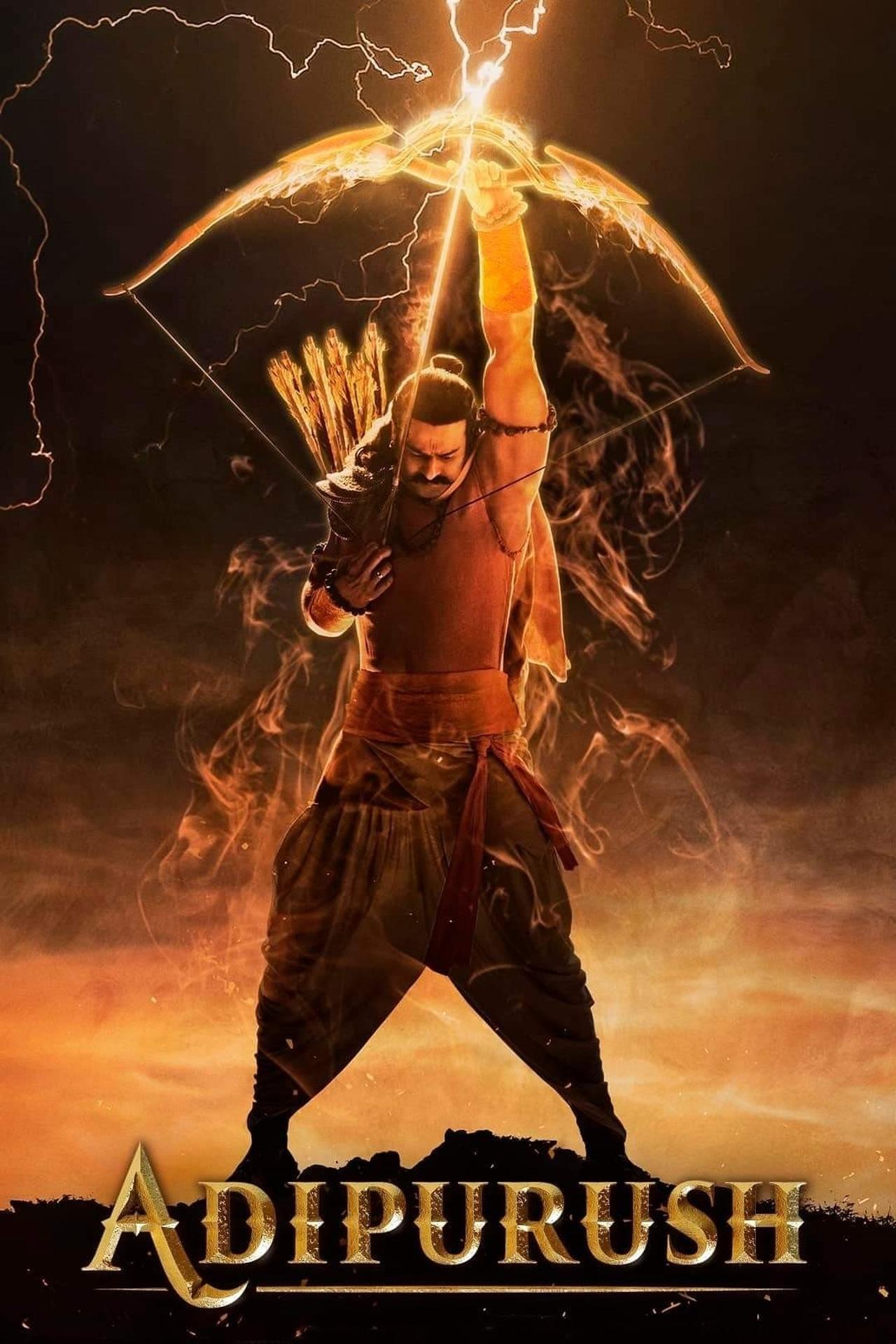
Here's the detail that makes Adipurush the perfect middle rung of this scale: the production actually knew it had a VFX problem before release, and tried to fix it. An October 2022 teaser got panned hard enough that the studio pushed the release back five months and reportedly poured an additional ₹100-200 crore specifically into redoing the effects. That's real money, real time, and a real acknowledgment that the first cut wasn't good enough. Critics still said, on release, that it looked "cheap and uninspired" — that's Simon Abrams at RogerEbert.com, as cited via Wikipedia, so worth flagging as a secondhand citation, but it lines up with everything else written about the film at the time. Shubhra Gupta at The Indian Express called it "a series of clunky computer graphics, bathed in Bollywoodese" in a 1.5/5 review. Saibal Chatterjee at NDTV, also 1.5/5, called it a "weird blend of fantasy and fallacy." Deepa Gahlot at Rediff.com went with "travesty." Nandini Ramnath at Scroll.in said the film "lacks a sense of wonderment." DNA India covered the final trailer specifically being "slammed for 'video game-like' VFX" — the exact phrase that's followed this entire genre around ever since. It wasn't universal; Bollywood Hungama was a notable outlier, calling it "a well-made entertainer with big-screen appeal," which is worth including precisely because it complicates the easy narrative that literally nobody liked this film.
The dialogue was its own separate disaster. Writer Manoj Muntashir Shukla's lines — "jalegi tere baap ki," "teri buaa ka baghicha hai kya," "Lanka laga denge" — read as crass street slang dropped into what's supposed to be scripture-adjacent material, and Free Press Journal, The Wire, and Koimoi all covered the backlash. It got bad enough that Muntashir received death threats and was placed under police protection, and the filmmakers agreed to revise several lines after the fact. There was also a lore controversy around Ravana's Pushpak Vimaan being depicted as a giant bat fed raw meat, which critics flagged as inconsistent with Ravana's traditional Brahmin, and therefore vegetarian, characterization, per Free Press Journal and OpIndia. Nepal fallout followed a line describing Sita as "daughter of India," which got cut after Kathmandu's mayor threatened a ban — he then barred Hindi films from his municipality outright. The Allahabad High Court, amid PIL petitions demanding dialogue changes, described the film's portrayal of religious characters as "pathetic."
Dial Ramayana Part 1's resources down 10x and this is roughly where you land: real money, a studio that knew it had a problem and tried to spend its way out, and a finished product that still got dragged for looking like a video game — just with a lot more collateral damage in the dialogue and lore departments than the bigger-budget film has generated so far.
Tier three: Mahakavya Shri Ramayan Katha, or 1000x down from where we started
And then there's Mahakavya Shri Ramayan Katha, which opens September 25 — the same weekend as Sidharth Malhotra and Tamannaah Bhatia's The Vvaan and a reported Avengers: Endgame re-release. This is a Chhattisgarh-produced film releasing simultaneously in Hindi and Chhattisgarhi, with composers and singers — Kailash Kher, Javed Ali, Shaan among them — as its most recognizable names rather than a cast of stars. Take Adipurush's already-diminished resources and dial them down another two orders of magnitude and you're in the right neighborhood.
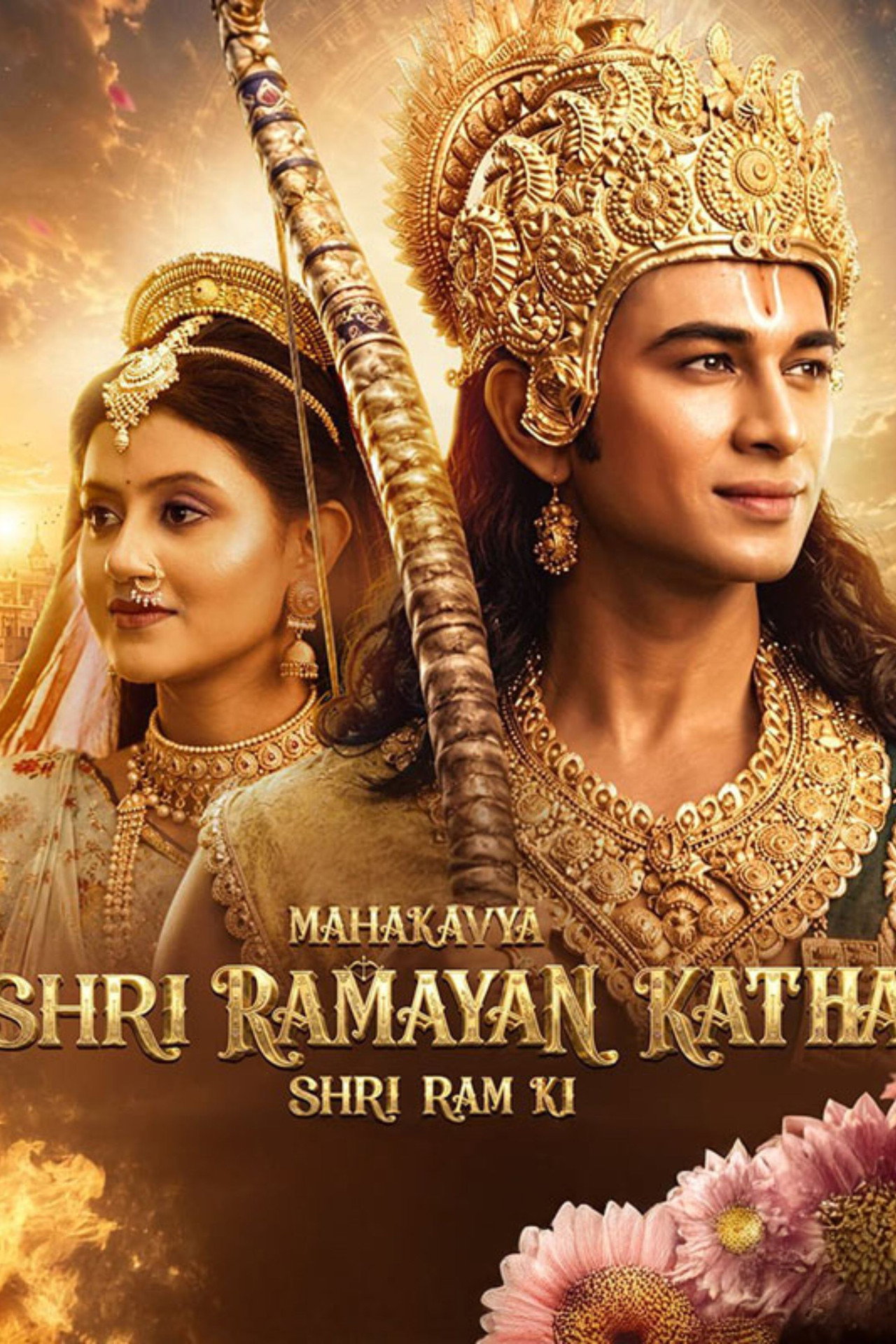
The casting story here is Anjali Arora, a social-media and reality-TV personality making her feature-film debut as Sita — the emotional and moral center of the entire epic, handed to someone with zero prior big-screen experience. That was always going to draw scrutiny, and it did, with online trolling questioning whether someone known for viral dance content belonged in the role. Arora addressed it directly rather than staying quiet: "I didn't do anything different; I just followed the trend," defending dancing as a normal hobby rather than a disqualifying one.
The trailer reception, per a roundup covered by Free Press Journal, split in a way that's genuinely instructive about where this film sits relative to the other two tiers. Critics of the trailer described it as having "TV show vibes from a theatrical release" — about as damning a line as exists for a film trying to justify a big-screen ticket price against a genre with decades of dense, well-loved television history to be unfavorably compared to. Arora's dialogue delivery specifically got called "cringe," alongside broader complaints about overacting and inconsistent VFX.
But here's the punchline, and it really is the whole thesis of this piece in miniature: some viewers called the trailer "better than Adipurush." One comparison went further and said it topped Ramayana Part 1's own trailer, though that same comparison flagged dubbing and lip-sync issues, which tempers the compliment considerably. Sit with what that actually means for a second. "Better than Adipurush" is not a compliment in any conventional sense — it's a film with a fraction of Adipurush's budget clearing a bar that a ₹500-700 crore production, backed by a five-month release delay and a dedicated post-teaser VFX rescue fund, still couldn't clear cleanly. That's the entire 1000x joke in one sentence: a Chhattisgarh-shot mythological with a Kailash Kher soundtrack getting praised specifically for not embarrassing itself as badly as a film with roughly a hundred times its resources.
Why the same story keeps getting remade at wildly different budgets
None of this is actually unusual for Indian cinema, even if the framing above makes it sound like a uniquely chaotic year. India regularly produces multiple adaptations of the same core mythological material running in parallel, sometimes in the same release window, because the audience for devotional and mythological content is both large and regionally fragmented enough to support very different budget tiers telling the same story simultaneously. A pan-India, Diwali-timed spectacle aimed at multiplex audiences and a Hindi-Chhattisgarhi regional release aimed at a more devotionally rooted, regionally specific audience aren't actually fighting over the same ticket buyer, even when they're both nominally "a Ramayana movie" releasing within weeks of each other.
What's unusual is how consistently the VFX conversation has become the load-bearing criticism across every single tier of that spectrum, regardless of budget. That's the part worth sitting with longer than the jokes about power-scaling allow for. Adipurush spent extra money specifically trying to fix its effects and still got called "video game-like" on release. Ramayana Part 1 has DNEG — DNEG, the studio behind Dune's sandworms — and it's still fielding complaints about Asura effects looking "overdone and unnatural" and demon designs that read as Adipurush-adjacent. If a nine-figure VFX budget from an Oscar-winning studio can't fully dodge the meme, it's worth asking whether the problem is really about money at all, or whether Hindi mythological cinema has hit some kind of audience-expectation wall that spending alone doesn't solve.
The scoreboard, such as it is
Ranking these three isn't complicated, even accounting for the fact that two of them haven't released yet and one of them is judged on a finished theatrical cut that actually underperformed its own budget. Ramayana Part 1 sits clearly on top — best VFX pedigree, a genuinely novel composer pairing, the most goodwill of the three, and a producer who's publicly engaging with criticism rather than disappearing after a bad trailer cycle. That it's still catching real "CGI critic" heat, including from its own lead actor pushing back on the very idea that criticism is warranted, is the honest asterisk on an otherwise clear number-one slot — not a disqualifier, just a reminder that even the top of this field is uneven rather than untouchable.
Adipurush sits in the middle by every available metric: a finished, released, and reviewed film that had real resources, made a real attempt to course-correct after early criticism, and still landed at 7% on Rotten Tomatoes with a box office that didn't cover its budget. It's the cautionary tale the bigger productions are implicitly trying to avoid becoming, and the dialogue and lore controversies that piled onto its VFX problems make it the messiest entry of the three on balance, not just the middle one financially.
And Mahakavya Shri Ramayan Katha is, by design and by budget, the smallest and roughest-edged of the three — a film absorbing "TV show vibes" and "cringe" criticism before a single ticket has sold, carried by a debut lead facing real public scrutiny for her casting. That it's simultaneously drawing "better than Adipurush" praise from some corners of the same trailer reaction is less a redemption arc than a genuinely funny reflection of how low that particular bar has been set by the tier directly above it.
Three films, three wildly different budgets, one recurring problem that money alone hasn't solved yet. Dial it down 10x, dial it down 1000x — somewhere in there, the CGI complaints never actually go away. They just get quieter, or louder, depending on how much a studio spent trying to make them disappear.
Ramayana Part 1 opens Diwali 2026, Mahakavya Shri Ramayan Katha opens September 25, and Part 2 of Nitesh Tiwari's epic is dated for Diwali 2027 — expect the CGI discourse to keep escalating with every trailer between now and then.