Everything to Know About Ramayana Part 1: Ranbir Kapoor's Rs 4,000 Crore Epic Before It Hits Theatres
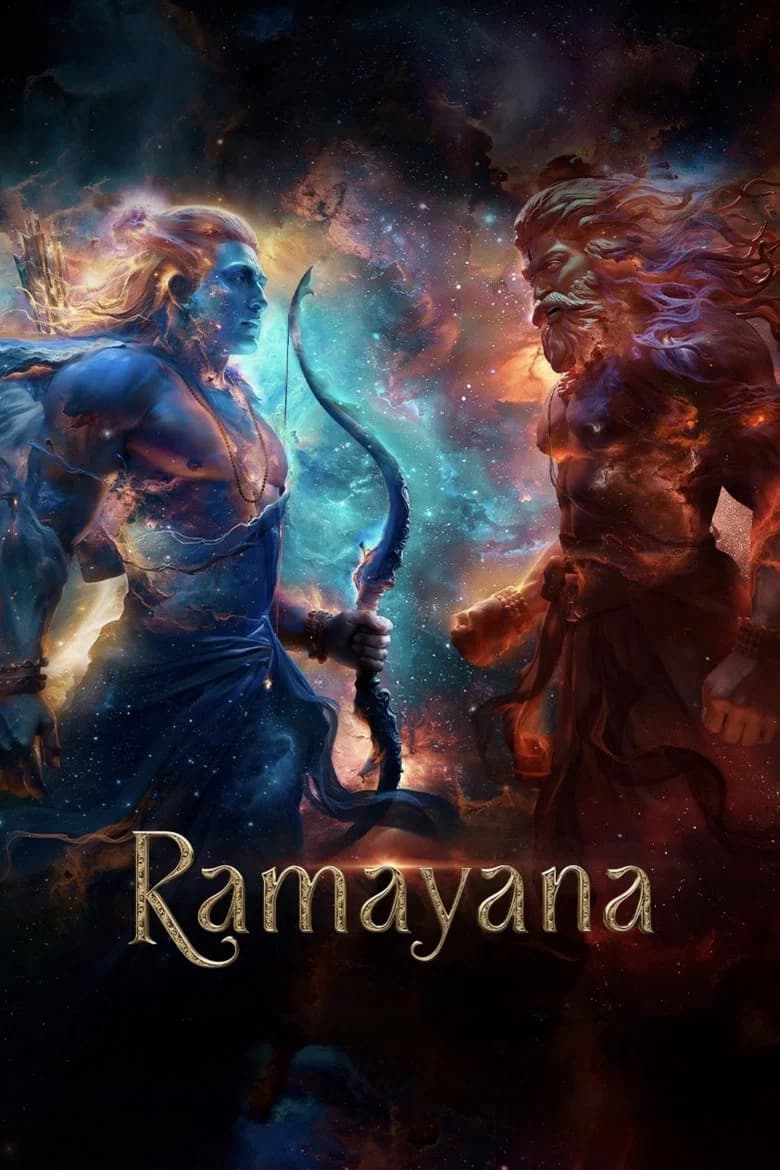
No Hindi film has ever walked into release carrying this much declared ambition. Ramayana — Nitesh Tiwari's two-part adaptation of the epic, with Ranbir Kapoor as Lord Ram and Yash as Ravana — is being framed by its own producers as the most expensive film India has ever made, with a trailer that dropped simultaneously across five languages at 4:15 AM on July 30, 2026, timed to the Brahma Muhurat. Part 1 hasn't opened yet. It's set for Diwali 2026. But between the Comic-Con panel, the trailer launch, and a run of trade reporting on its budget and cast, there's already a lot on the record. Here's what's actually confirmed, and what's still just reported rather than officially locked down.
The two-part structure, and when it actually arrives
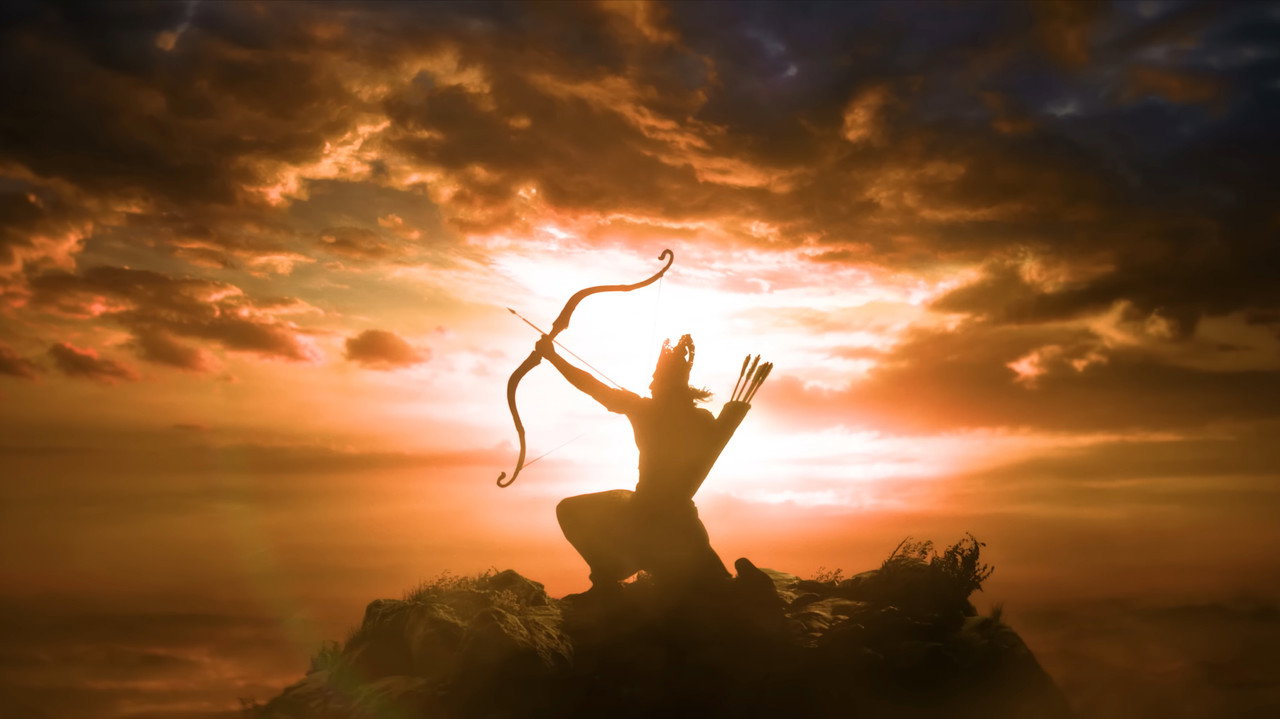
Ramayana isn't one film — it's two, split across Part 1 and Part 2. Part 1 is dated for a Diwali 2026 worldwide theatrical release, with India TV News specifically citing November 6, 2026, though other outlets have simply framed it as "Diwali 2026" without that exact date, and Diwali itself falls around November 8 that year. Given that gap, the safer read is to treat "Diwali 2026" as the confirmed window and the exact day as still slightly unsettled depending on the outlet. Part 2 is expected to follow at Diwali 2027, giving the project a full year between installments — the kind of gap usually reserved for franchise tentpoles being shot and finished as a single, massive production rather than two films made back to back on a tight turnaround.
That structure alone tells you something about the scale being attempted here. This isn't a three-hour film trying to compress the entire Ramayana into a single sitting. It's being built as a two-part epic with, per Ranbir Kapoor himself, roughly six hours of combined runtime across both films — more on that below.
Who's playing who
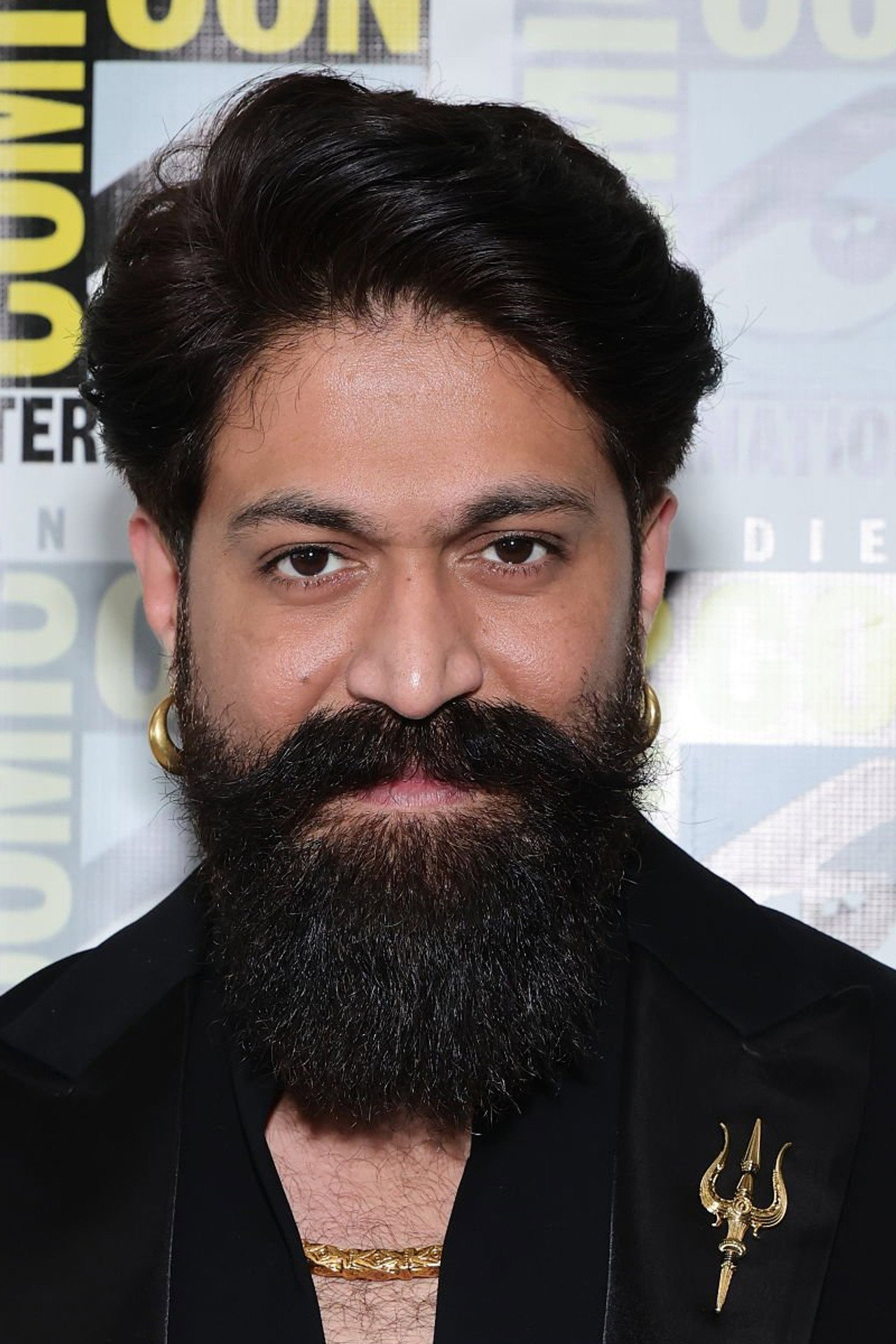
The cast list reads like a genuine ensemble event rather than a star vehicle with supporting names filled in around the edges. Ranbir Kapoor plays Lord Ram. Sai Pallavi plays Sita. Yash — coming directly off his own record-setting run with Toxic — plays Ravana. Ravi Dubey plays Lakshman. Sunny Deol plays Hanuman. Rakul Preet Singh plays Surpanakha. Lara Dutta plays Kaikeyi. Arun Govil, who played Ram himself in the iconic 1987 Ramanand Sagar television version, now plays King Dasharath. Seeba Chaddha plays Manthara. Vivek Oberoi plays Vidyutjihva. Faisal Malik plays Kumbhakaran. That lineup comes from Bollywood Hungama and India TV News, and it's worth sitting with for a second — putting Arun Govil, an actor whose association with this exact story is generational, into a different role in a new version is the kind of casting choice that only makes sense for a production treating this material as a genuine cultural event rather than just another period spectacle.

How Ranbir Kapoor prepared for the role
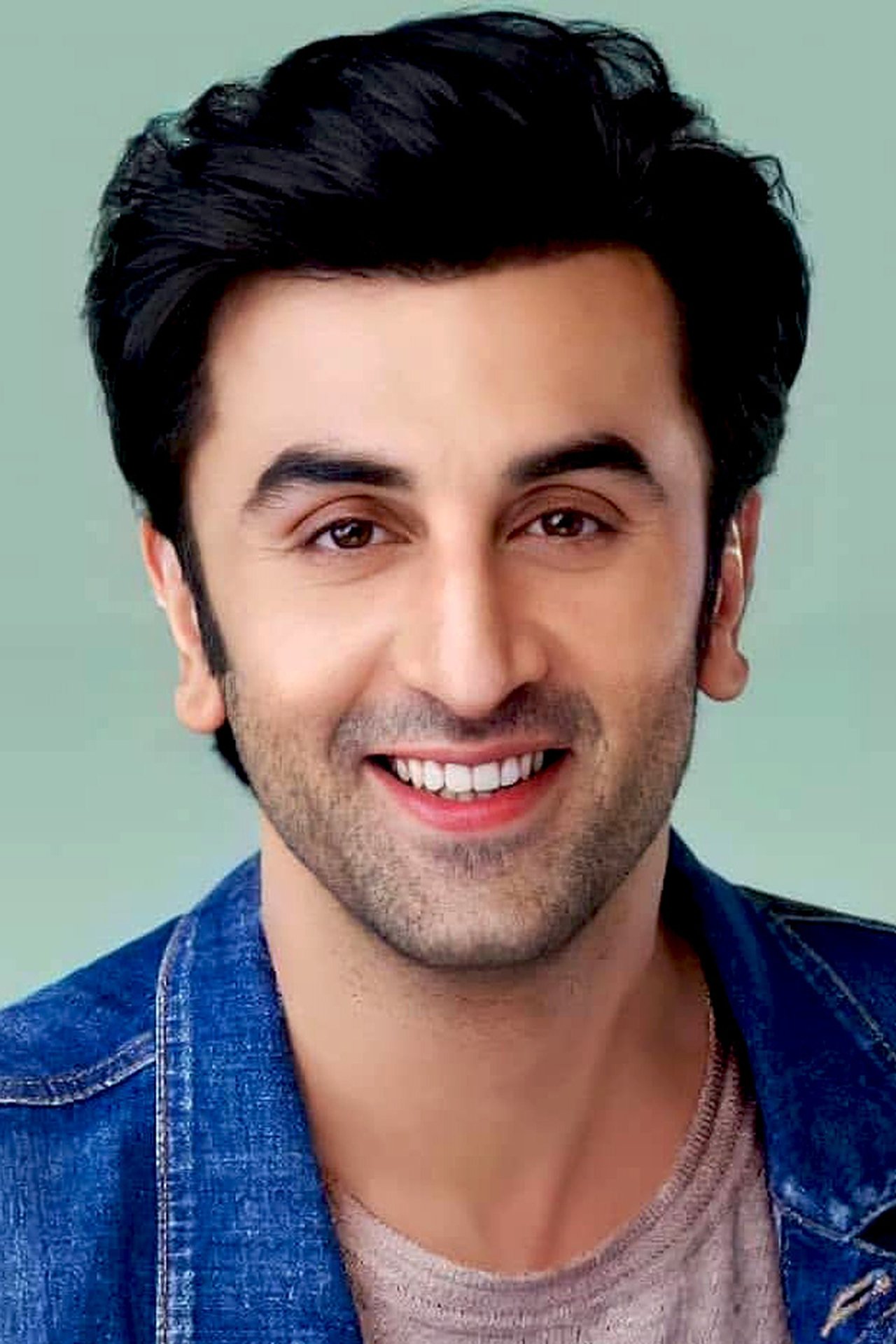
Ranbir Kapoor addressed his preparation directly at a Comic-Con panel in July 2026, according to Bollywood Hungama. "I read a lot, met with a lot of scholars. I practised yoga for two years," he said, adding that "understanding the teachings of Lord Rama was more important than the superficial transformation." That's two years of yoga practice specifically, alongside extensive reading, consultations with scholars, and meditation sessions with a guru named Suvir.
The framing there is worth noting on its own terms — Kapoor is explicitly drawing a line between physical transformation, which is the standard pre-release talking point for any actor playing a mythological or historical figure, and something closer to internal preparation. Whether that distinction shows up meaningfully on screen is obviously unanswerable before release. But it's a specific, quoted claim about how he approached the role, not a generic "I trained hard" soundbite, and it's worth taking at face value as a statement of his own process rather than reading anything more into it.
The trailer: a five-language, pre-dawn launch
The trailer dropped July 30, 2026, at 4:15 AM IST — timed to the Brahma Muhurat, the pre-dawn period considered auspicious in Hindu tradition for exactly this kind of undertaking, according to India TV News and Tribune India. It released simultaneously in Hindi, Tamil, Telugu, Kannada, and Malayalam, with an English-dubbed cut following via Sony Pictures, which is handling the film's international distribution. The trailer itself runs 4 minutes and 9 seconds, and the launch event was held in Delhi.
That's a genuinely unusual rollout for a Hindi film. Simultaneous five-language drops are common enough for pan-India productions chasing wide domestic reach, but timing the moment itself to a specific auspicious hour, and pairing it with a dedicated launch event, signals a marketing strategy built around the film's cultural weight as much as its scale. Sony Pictures' involvement on the international side also suggests the studio is positioning this as a genuine worldwide release rather than a Hindi-market film with token overseas screenings.
The budget: reportedly India's most expensive film ever
This is the headline figure, and it needs a hedge attached to it. Producer Namit Malhotra of Prime Focus Studios has been quoted saying the combined budget across both parts "will be about $500 million by the time we are done with both the films" — a figure that converts to roughly Rs 4,000 crore total. That's a producer's own public statement, reported through trade coverage, not an itemized studio press release with a verified line-item budget. Treat it as reported rather than audited.
Even with that caveat, the comparison point is stark. Outlook India frames the figure against recent Indian mythological and epic spectacles: Adipurush, which came in around Rs 550 crore, RRR at roughly Rs 500 crore, and Kalki 2898 AD at around Rs 600 crore. If Malhotra's $500 million figure holds anywhere close to accurate, Ramayana's combined two-part budget would dwarf all three of those films combined and then some — which is the basis for the "most expensive Indian film ever made" framing that's attached itself to this project well before release.
What the reported cast fees look like
Trade sources have also been reporting individual cast fees, and these numbers carry the same caveat as the overall budget — sourced to industry reporting, not confirmed contracts. Ranbir Kapoor is reported to be earning roughly Rs 75 crore per part, for a total of about Rs 150 crore across both films. Yash is reported at around Rs 100 crore for both parts combined, plus a profit-share arrangement given his position as a co-producer through Monster Mind Creations. Sunny Deol is reported at roughly Rs 20 crore per part. Sai Pallavi is reported at around Rs 6 crore per part.
Those numbers, if accurate, put Kapoor's reported total pay for this project above what most Hindi film leads earn for an entire film's paycheck, let alone a supporting installment of a two-part release. Yash's profit-share structure is also notable on its own — it suggests his involvement goes beyond a straightforward acting fee and into genuine stakeholder territory in how the franchise performs financially, consistent with his co-producer credit.
The production and VFX team behind the scale
Ramayana is produced by Namit Malhotra's Prime Focus Studios together with Yash's Monster Mind Creations, according to Outlook India. The visual effects work is being handled by DNEG, the eight-time Oscar-winning VFX studio behind Interstellar, Blade Runner 2049, and the Dune films — about as credible a VFX pedigree as any Hindi production has assembled. The team also reportedly includes Ramsey Avery, known for his production design work on Guardians of the Galaxy Vol. 2, and Ravi Bansal, who worked on Dune: Part Two.
That combination matters because a project this heavily built around mythological spectacle lives or dies on whether its visual scale actually reads as immersive rather than as an obviously synthetic backdrop. Bringing in a studio with Dune's VFX credentials specifically, rather than a generic effects house, is a deliberate signal about what kind of visual standard the production is chasing.
The sound of it: Rahman and Zimmer, together for the first time
The film's score marks the first-ever collaboration between A.R. Rahman and Hans Zimmer, according to India TV News and Outlook India — two of the most recognizable film composers working anywhere in the world, teaming up for the first time on a Hindi film rather than on either of their more typical Hollywood or international projects. Action choreography is being handled by Terry Notary and Guy Norris, both veterans of large-scale Hollywood action and stunt work.
Combined with the DNEG VFX pipeline, this is a production that has clearly gone shopping internationally for department heads across sound, action, and effects, rather than assembling an entirely domestic crew for a story that is, at its core, distinctly Indian. That's a deliberate choice, and whether it reads as elevating the material or diluting its specificity is going to be one of the more interesting critical conversations once the film actually screens.
What Ranbir Kapoor says about the sheer scale
Kapoor has also spoken about the scope of what's been shot, telling press, "We have six hours of epic visuals and epic action sequences," referring to the combined runtime across both parts. That's an enormous amount of material for a two-part release, and it puts Ramayana in territory closer to a prestige limited series than a conventional theatrical two-parter, at least in terms of sheer volume of finished footage being assembled.
What's still unconfirmed
Worth being direct about the gaps heading into release. The exact Part 1 release date has some inconsistency across outlets — November 6 versus a more general "Diwali 2026" framing. The budget and cast-fee figures are sourced to producer statements and trade reporting, not confirmed studio financials or leaked contracts. There's no runtime confirmed yet for Part 1 specifically, despite Kapoor's six-hour combined-runtime comment. And there's obviously no critical reception or box-office data of any kind, because the film hasn't opened. Anything claiming otherwise right now isn't sourced to anything real.
What to watch for as Diwali approaches
A few things are worth tracking as the release window gets closer. First, whether the film's marketing continues leaning on the "India's most expensive film ever" framing, or whether that talking point gets quietly walked back if actual verified budget figures diverge from Malhotra's $500 million estimate. Second, whether the international, Hollywood-pedigreed department heads — DNEG, Zimmer, Notary, Norris — actually produce something that feels cohesive with Rahman's score and the story's cultural specificity, rather than a technically impressive but tonally mismatched patchwork. Third, whether Ranbir Kapoor's two years of preparation translate into a performance that critics and audiences read as genuinely inhabiting the role, given how much weight he's put on that distinction himself.
None of that is answerable yet. What's answerable right now is the shape of the bet being made: a two-part, Rs 4,000 crore mythological epic, built with an international crew, arriving in theatres this Diwali with about as much pre-release scrutiny as any Hindi film has ever carried into its opening weekend.
Ramayana Part 1 is set for a Diwali 2026 worldwide theatrical release, with Part 2 to follow at Diwali 2027 — watch for how the trailer's scale translates into an actual finished film, and whether reviews treat it as a genuine epic or an expensive spectacle stretched thin.