Hideo Kojima's PHYSINT Leaves PlayStation for Xbox, Ending a 25-Year Relationship
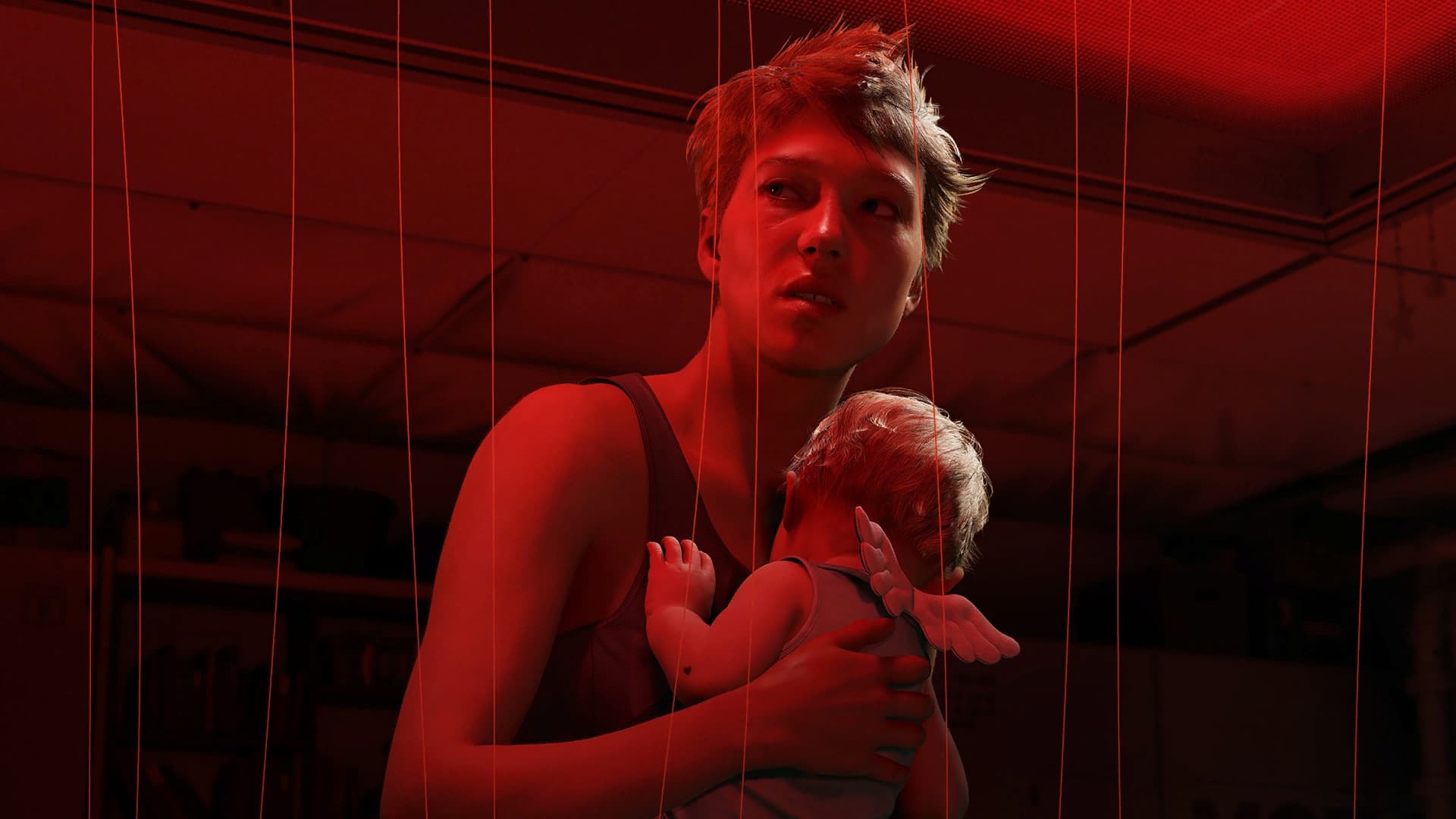
Hideo Kojima's next game is no longer a PlayStation game. PlayStation Studios canceled its involvement in PHYSINT back in June 2026, and reporting that broke in mid-September 2026 confirmed what happens next: Xbox Game Studios is stepping in to publish it instead. It's a quiet-sounding piece of corporate reshuffling that actually marks something much bigger — the end of a PlayStation/Kojima relationship that stretches back more than 25 years, to the original Metal Gear Solid's debut on PS1.
What PHYSINT actually is
PHYSINT was unveiled at a PlayStation State of Play in January 2024, with Kojima appearing alongside then-PlayStation Studios head Hermen Hulst to introduce it as a new, Sony-backed action-espionage IP. That reveal framed it as a genuine tentpole project — not a spinoff or a smaller experimental release in the vein of Death Stranding, but a mainline successor to the kind of game Kojima built his reputation on.
Kojima himself has described PHYSINT as a "next-generation action espionage game" and a spiritual successor to the Metal Gear subgenre he helped create, and has said the ambition is to "blur the boundaries between games and film." That's consistent with how Kojima has talked about nearly every project since going independent — cinematic ambition as the selling point, not just a marketing line. It's also exactly the kind of ambition that, per reporting on this cancellation, ended up worrying the studio that was supposed to be funding it.
Why Sony reportedly pulled out
According to Bloomberg's reporting on the decision, Sony's cancellation came down to a few overlapping concerns. There was worry the project would go significantly over budget. There were doubts about whether it would generate sufficient returns to justify that spend. And there was reluctance to keep funding a game that wouldn't stay PlayStation-exclusive for long anyway, since PHYSINT was also planned for release on PC.
That last point is worth sitting with, because it's not really about PHYSINT specifically — it's about a broader tension in how Sony has approached its biggest first-party bets over the past few years. PlayStation Studios spent a long stretch treating console exclusivity as the core value proposition of funding a AAA game in-house. A day-one or near-day-one PC release chips away at exactly that value proposition, and for a project already carrying budget and return concerns, it's easy to see how "why are we the ones paying for this" became a live question internally.
Death Stranding's numbers were reportedly part of the calculus
Sony's hesitation didn't happen in a vacuum. The Death Stranding series — Kojima's previous major post-Konami project, also PlayStation-backed — gives a useful data point for how Sony may have been reading Kojima Productions' commercial track record. The original Death Stranding reportedly surpassed 20 million players worldwide, a genuinely strong number for a strange, divisive game that took years to find its audience.
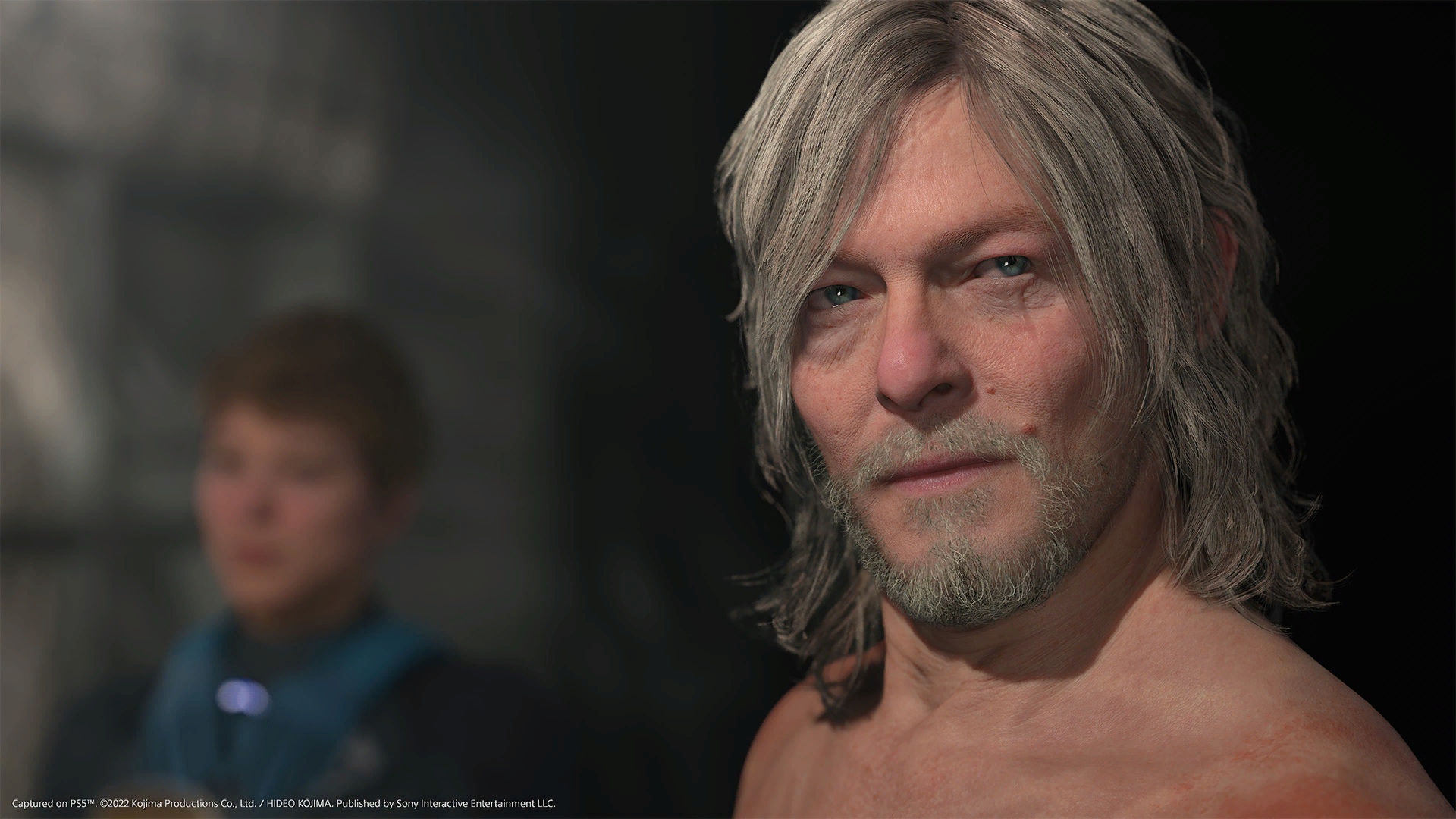
Death Stranding 2: On the Beach, released in 2025, hasn't matched that pace. As of its 2026 PC release, the sequel had sold roughly 2 million copies or more — a respectable number in isolation, but one that's been characterized as coming in below Sony's internal expectations. Put those two data points next to each other, and it's not hard to see why a publisher already nervous about PHYSINT's budget trajectory might have looked at Death Stranding 2's performance and gotten more nervous, not less. A sequel to a proven hit underperforming expectations is a rough signal to be sitting on right as you're deciding whether to keep bankrolling that same studio's next, more ambitious project.
Kojima's reaction: "a great shock"
Kojima didn't frame this as an amicable parting. He posted on X that Sony's cancellation "came as a great shock" and that neither he nor his team expected it. That's a notably blunt characterization from someone who's generally careful about how he talks about business partners in public — Kojima Productions has spent a decade building a reputation as a studio that plays nice with whoever's funding it, and "great shock" isn't the language of a smooth, mutually-agreed transition.
He was warmer about where things are heading, though, calling Xbox "a partner with whom we share a common vision for the future." That's a meaningful line to include in the same statement as "great shock" — it reads less like spin and more like Kojima genuinely drawing a contrast between how this specific split went down and how the new arrangement is shaping up.
PlayStation's side of it
Sony's public response has been measured, as these things typically are. The company said it has "great respect for Kojima and his creative visions" and that it aims to preserve a "positive relationship with Kojima Productions" going forward. It's the standard language a publisher uses when it wants to close a chapter without burning a bridge — Sony isn't walking away from Kojima as a creative partner in general, just from this specific, evidently expensive project.
Whether that "positive relationship" framing survives contact with reality is a separate question. Corporate breakups tend to get described diplomatically right up until they don't, and there's a real difference between preserving goodwill in principle and actually funding something together again down the line.
Xbox's pitch, and what it's reportedly getting
Xbox's side of the announcement leaned into exactly the creative-ambition angle Sony seems to have gotten cold feet about. Xbox CEO Asha Sharma said Kojima's "ambition to challenge conventions reflects the kind of creativity we want to support at Xbox" — a direct, almost pointed answer to the budget-and-returns anxiety attributed to Sony's decision. Where PlayStation reportedly saw risk, Xbox is publicly framing the same traits as the reason to sign on.
The new partnership reportedly extends past PHYSINT itself. Kojima Productions and Xbox are said to be planning collaboration across film and television as well, which — if it holds up — would be a meaningfully bigger relationship than a single publishing deal. Kojima has talked about blurring the line between games and film for years; a partner willing to back that ambition across mediums, rather than just funding one game, is a different kind of bet than what Sony was reportedly willing to make.
PHYSINT also isn't Xbox's first Kojima Productions deal. It's the second, joining the previously-announced horror game OD. That means both of Kojima's current publicly known non-Death Stranding projects now sit with Microsoft rather than Sony — a fairly stark shift for a studio whose highest-profile recent work has all been PlayStation-published. PHYSINT is still described as years away from release, so this isn't a situation where Xbox is inheriting a near-finished game; it's picking up a project that was reportedly already generating budget anxiety at its previous home, at an early enough stage that a lot can still change.
Twenty-five years, over
It's worth stepping back and naming what actually ended here, because "publisher swap" undersells it. Metal Gear Solid launched on the original PlayStation in 1998, and for over two decades afterward, Kojima's biggest, most visible work was inseparable from PlayStation hardware — mainline Metal Gear entries as system-selling exclusives, Death Stranding launching as a genuine PS4 showcase title in 2019, Kojima Productions building its post-Konami independence in the mid-2010s with Sony as its most visible and consistent backer. That's the relationship PHYSINT's cancellation closes out. It's not that Sony and Kojima will never work together again — both sides have left the door open, at least rhetorically — but the era where a new Kojima game reflexively meant a PlayStation stage reveal is over, at least for now.
What's still unconfirmed
No outlet has published hard financial terms of the new Xbox deal — no budget figures, no exclusivity length, nothing on how long PHYSINT might stay off other platforms if at all. Anyone citing specific dollar amounts for the Xbox arrangement at this point is speculating beyond what's actually been reported. What is confirmed is the shape of the split: Sony out, reportedly over budget and return concerns sharpened by Death Stranding 2's below-expectations performance; Xbox in, publicly framing the same ambition as a selling point rather than a risk; and a project that, whichever platform holder is backing it, remains years away from anyone actually playing it.
For Kojima, this is the second time in roughly a decade he's had to rebuild a major publishing relationship from a standing start — first leaving Konami to found Kojima Productions with Sony's backing, now leaving Sony for Microsoft. Both times, by his own account, the split wasn't something he chose so much as something he had to react to. How PHYSINT actually turns out under Xbox's stewardship is a question for years down the line. Whether Xbox can hold onto a director whose two most recent major publisher relationships have both ended in surprise is a question that starts now.
PHYSINT is still described as years from release, so expect a long quiet stretch before gameplay surfaces — watch for whether Xbox reveals it at a future showcase, and whether the reported film/TV collaboration between Kojima Productions and Xbox produces any concrete announcements first.