StarCraft Is Becoming an Open-World Shooter — Blizzard's Third Try at Breaking the Franchise's Own Mold
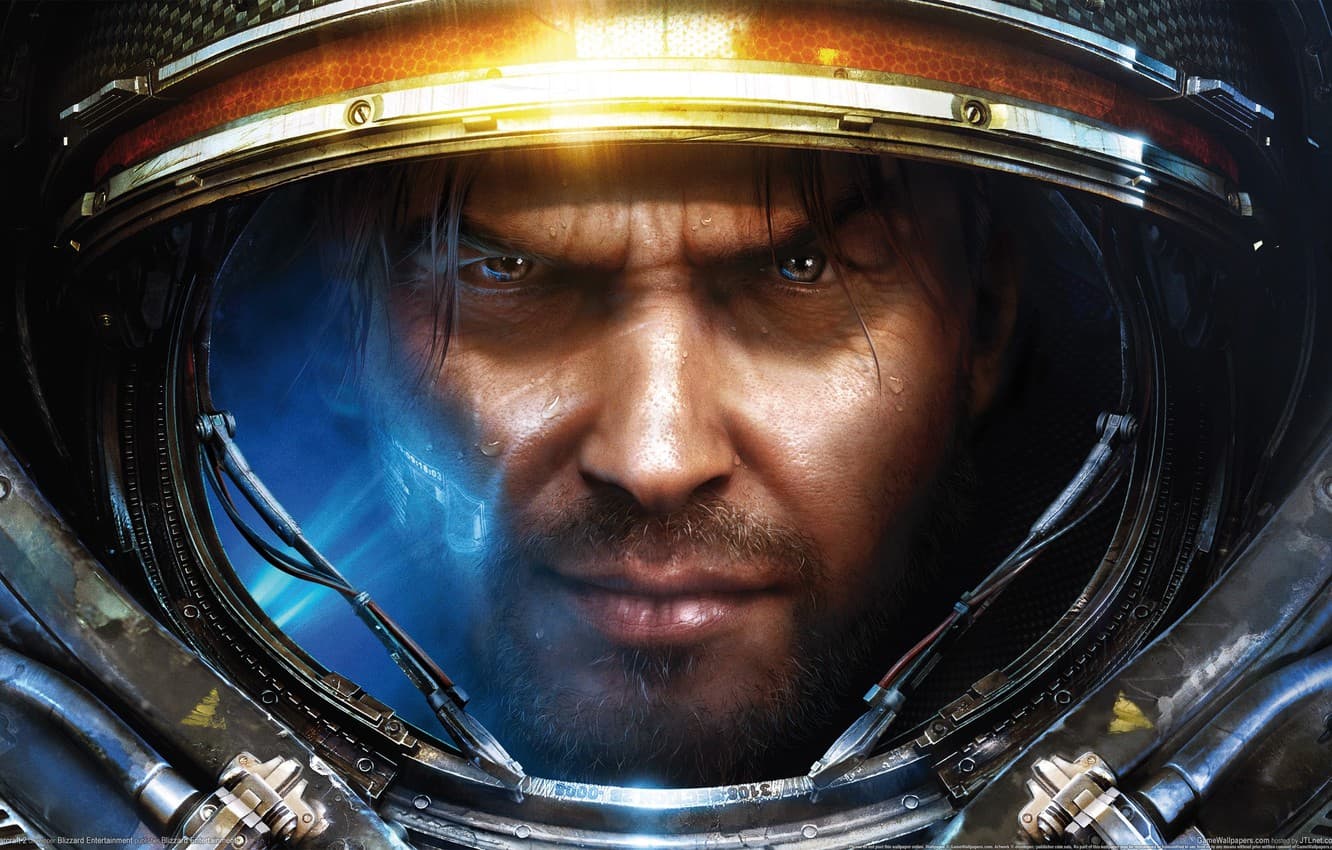
Blizzard closed the opening ceremony of BlizzCon 2026, held September 12-13 at the Anaheim Convention Center, with a reveal that immediately split the room: a new mainline StarCraft game. Not a remaster. Not an expansion. A new entry in a series that has meant exactly one thing to exactly one genre since 1998. And it isn't a real-time strategy game at all. Blizzard confirmed StarCraft's next chapter is an open-world, story-driven, third-person shooter — a total break from the format that built the franchise's reputation as one of the defining RTS series in PC gaming history.
That's a genuinely strange sentence to write about StarCraft. This is a franchise whose competitive scene helped define esports in South Korea for the better part of two decades, built entirely around unit composition, resource management, and top-down battlefield control. Trading that for a ground-level shooter isn't a spin-off experiment tucked into a side release — Blizzard is positioning this as the next mainline entry, sitting alongside Wings of Liberty, Heart of the Swarm, and Legacy of the Void in the series' own numbering of its story.
What Was Actually Shown
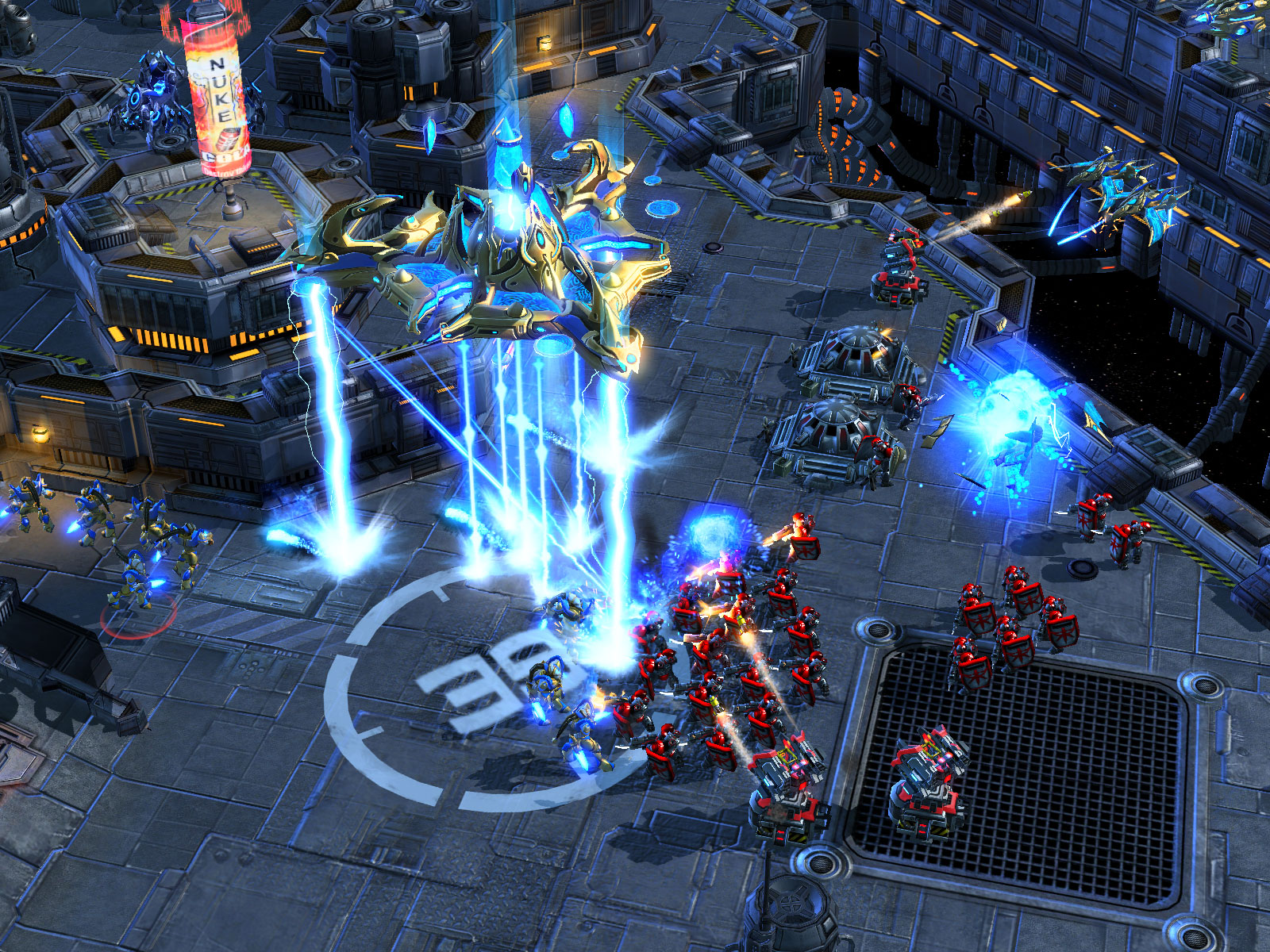
There's no gameplay yet. What Blizzard showed at the opening ceremony was a cinematic trailer, and the distinction matters — cinematics are Blizzard's strongest marketing tool and historically its least reliable predictor of how a game actually plays or feels moment to moment. According to coverage from Game Informer, ScreenRant, and Massively Overpowered, the trailer follows a Dominion Marine named Holt through training exercises before a planetfall drop that turns into a full Zergling swarm assault. Emperor Arcturus Mengsk's voice plays over loudspeakers during the sequence, tying the footage directly into StarCraft's established political spine — Mengsk has been the series' central authoritarian figure since the original 1998 campaign, and hearing his voice preside over a soldier's death march is exactly the kind of grim, character-driven tone Blizzard's marketing wants attached to this reveal.
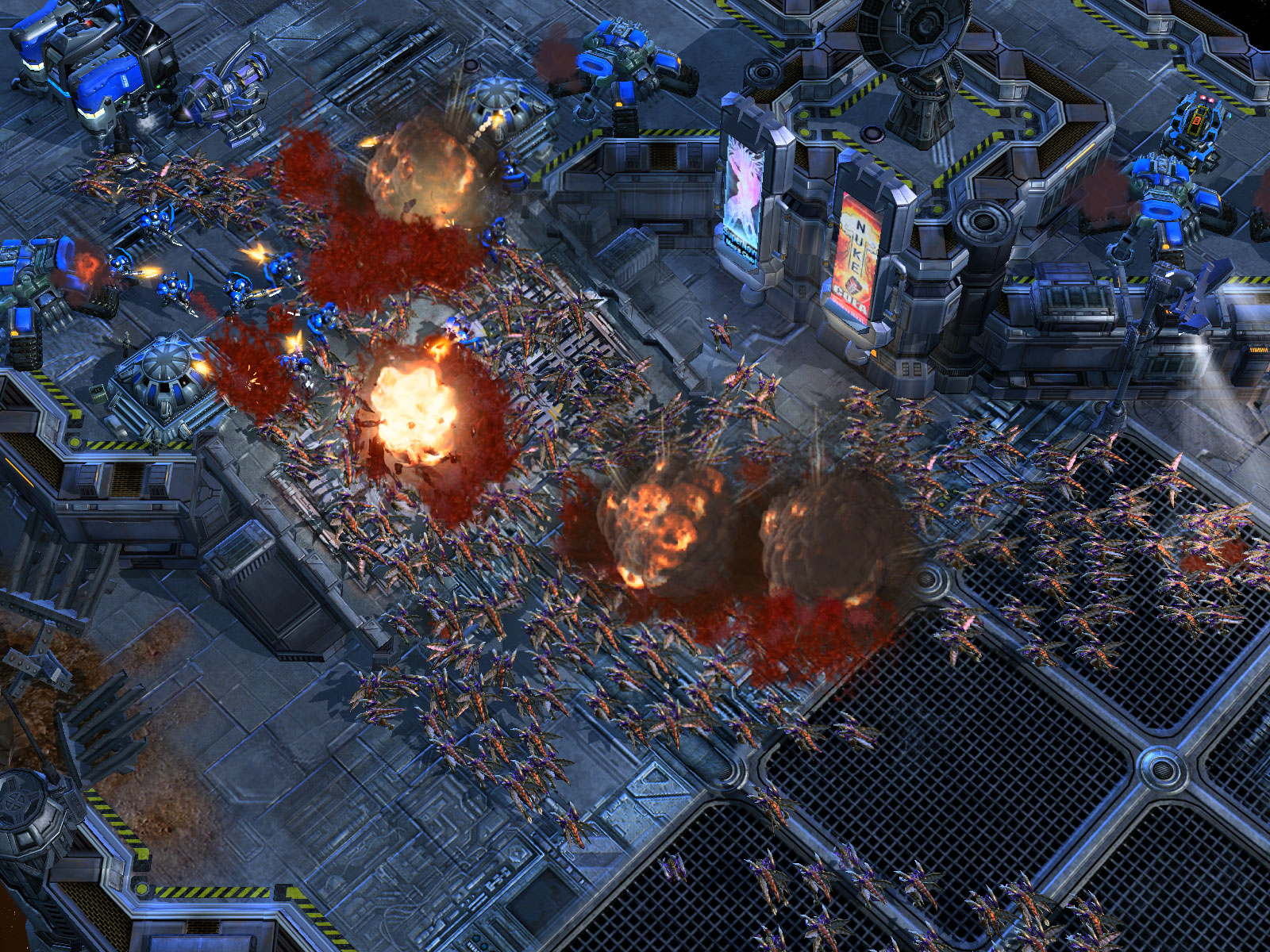
It's a soldier's-eye view of a fight the RTS games have always shown from orbit. That's the entire pitch in miniature: StarCraft has always let players command armies from above. This game wants players standing in the mud watching the swarm come over the ridge instead of clicking a control group to intercept it.
Who's Directing It, and Why That's Notable
The project is being led by Dan Hay, a Blizzard general manager whose resume runs straight through Ubisoft's Far Cry franchise. Hay was creative director on Far Cry 5 and oversaw production through Far Cry 6, which makes him one of the more recognizable open-world shooter veterans currently working, and a fairly deliberate hire for a studio trying to translate a strategy universe into a first-person-adjacent action game. Far Cry's design DNA — sprawling open maps, environmental storytelling, outposts and set-piece moments layered over a wandering campaign structure — is a reasonable template for what Blizzard might be reaching for here, even though nothing about StarCraft's actual open-world structure has been detailed yet.
Hay reportedly described the game as putting players "down on the ground, in the mud, in the fire," according to aggregated reporting on the reveal — language that should be read as a director's framing of tone and perspective rather than a verified, word-for-word transcript, since it comes from coverage of the event rather than an independently confirmed direct quote. Still, even secondhand, it lines up cleanly with what the trailer itself shows: a ground-level soldier's perspective standing in stark contrast to the RTS series' permanent top-down view.
Spring 2030 Is a Long Way Off
Blizzard attached a release window to the reveal — Spring 2030 — which puts roughly three and a half years between the BlizzCon announcement and any actual launch. That's a long runway even by Blizzard's own recent standards, and it's worth reading against how the studio has handled other early reveals from this same show. BlizzCon 2026 also produced a Diablo V reveal that landed with a similarly vague timeline, and Blizzard was notably cautious there about confirming a hard release date beyond outlet speculation. A firm Spring 2030 window for the StarCraft shooter suggests Blizzard feels more confident about where this project actually sits in production, though a multi-year gap between reveal and launch is also exactly the kind of window where ambitious pitches quietly get reworked, delayed, or in this franchise's specific case — cancelled outright.
The Part of This Story StarCraft Fans Already Know
Here's the context that makes long-time StarCraft players skeptical rather than simply curious: this is not the first time Blizzard has tried to take the franchise out of the RTS genre. It's the third.
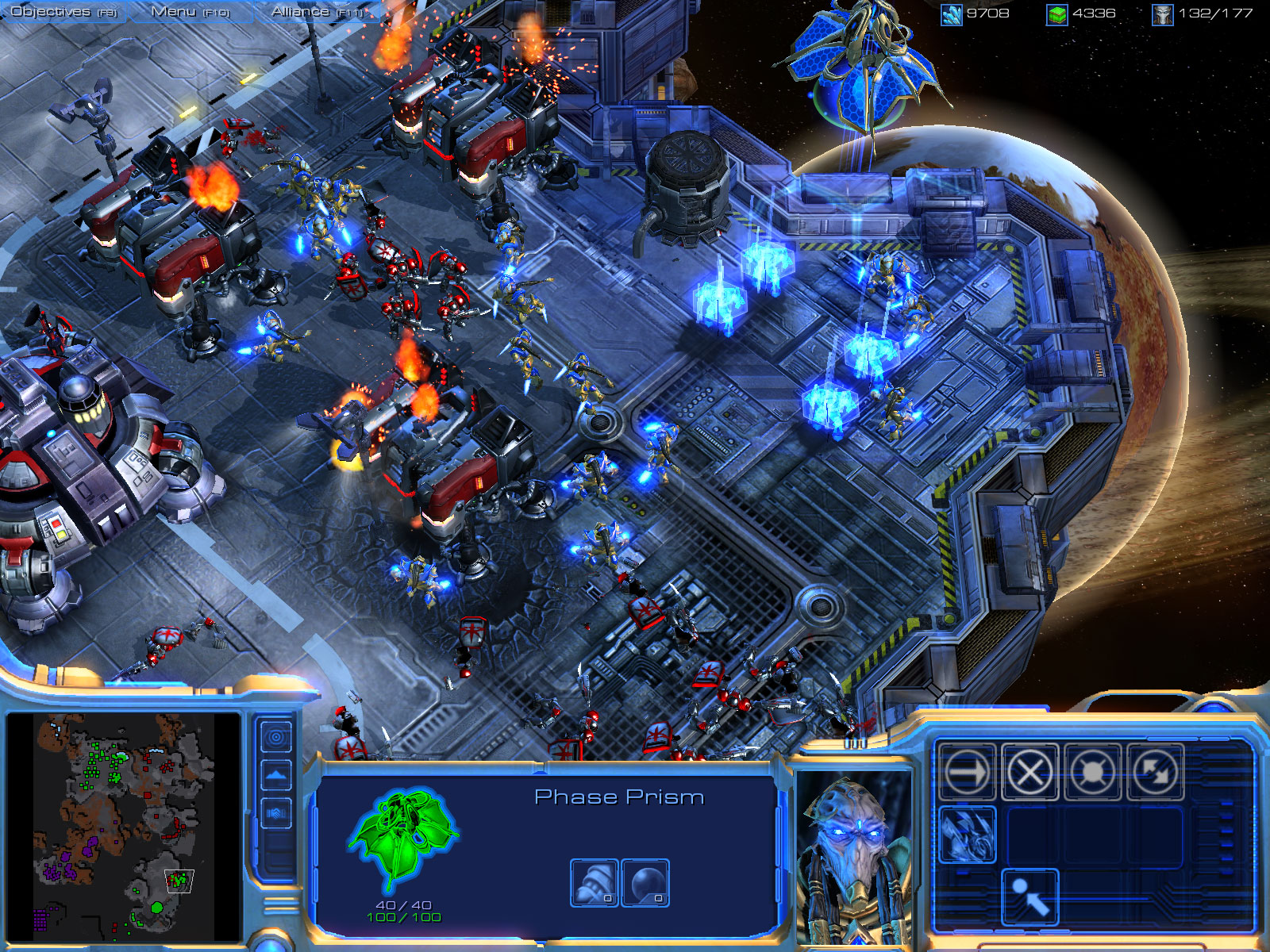
The first attempt was StarCraft: Ghost, a stealth-action game centered on the covert-ops character Nova Terra, announced back in 2002. Ghost spent years in development, went through multiple studio handoffs, and was ultimately shelved without ever releasing — one of the more well-documented "vaporware" cases in Blizzard's history, and a game whose cancellation still gets referenced whenever the studio discusses shifting a franchise's format.
The second was Project Ares, a first-person shooter reportedly in development starting around 2017. Ares never got a formal public reveal on the scale of Ghost, and it was also cancelled before reaching release. Between the two, Blizzard has now spent roughly a quarter-century periodically trying to prove StarCraft can work as an action game and, twice, walking away from that bet before players ever got to test it themselves.
That history doesn't mean this new shooter is doomed. But it's the honest frame for why "StarCraft is becoming a shooter" isn't landing as pure excitement across the fanbase. It's landing as a franchise trying the same experiment a third time, with a longer runway and a more experienced director than either previous attempt had, but without any gameplay yet to prove the format actually works this time.
What's Still Unconfirmed
A handful of details attached to this reveal are circulating in aggregated coverage without a directly verifiable primary source, and they're worth flagging clearly rather than repeating as settled fact.
Some reporting places the game's story roughly 70 years after the events of StarCraft II: Legacy of the Void, which released in 2015. If accurate, that would put the new shooter's timeline well past anything the mainline RTS trilogy or its expansions have depicted, giving Blizzard room to move the setting's politics, factions, and technology forward without directly contradicting established canon. But this detail is sourced only from aggregated search summaries around the reveal, not a directly confirmed statement from Blizzard, so it should be treated as a plausible but unverified detail rather than a locked timeline placement.
Separately, some coverage describes the project as a fully narrative-driven, single-player-focused game with no live-service elements — no ongoing seasons, no persistent online economy layered on top of the campaign. That would be a notable choice for a 2030-era Blizzard release given how much of the industry has leaned toward live-service monetization over the past decade, but again, this hasn't been independently verified through a direct primary source, and should be read as reported rather than confirmed.
There's also reporting suggesting PC and Xbox Series X/S support with no PlayStation version currently announced. Platform exclusivity or partial-platform launches aren't unusual for Blizzard given its history with Microsoft, but nothing here has been confirmed directly by Blizzard itself, so treat any platform list at this stage as provisional at best.
Why This Reveal Matters Beyond the Genre Swap
Strip away the shooter framing for a second and there's a simpler story underneath: Blizzard is willing to bet a mainline entry in one of its oldest, most identity-defined franchises on a format it has already failed to ship twice. That's either a sign of genuine confidence — a studio general manager with real open-world shooter credentials, a multi-year development runway, and (per unconfirmed reporting) a deliberately single-player, non-live-service pitch that avoids some of the monetization traps that sank goodwill on other recent AAA releases — or it's a sign that Blizzard hasn't actually learned anything new about why Ghost and Ares failed, just found a director willing to try again.
The trailer itself doesn't answer that question, because trailers never do. Holt's planetfall drop, the Zergling swarm, and Mengsk's voice over the loudspeakers sell tone and atmosphere, not systems. Nobody outside Blizzard has seen how movement, combat, or the promised open world actually function yet. Until gameplay shows up — and Spring 2030 leaves plenty of time for that to happen on Blizzard's own schedule rather than fans' — the honest read on this reveal is that StarCraft's third attempt at leaving the RTS genre has, at minimum, better production pedigree behind it than the first two. Whether that's enough to actually cross the finish line the previous two attempts never reached is a question nobody can answer yet, least of all Blizzard's marketing department.
Expect gameplay footage, not just cinematics, at some point before Spring 2030 — and a lot of scrutiny given that this is Blizzard's third attempt to take StarCraft out of the RTS genre.