Marvel Tōkon: Fighting Souls Review: Critics Are Sold, PC Players Are Still Waiting for a Smooth Launch
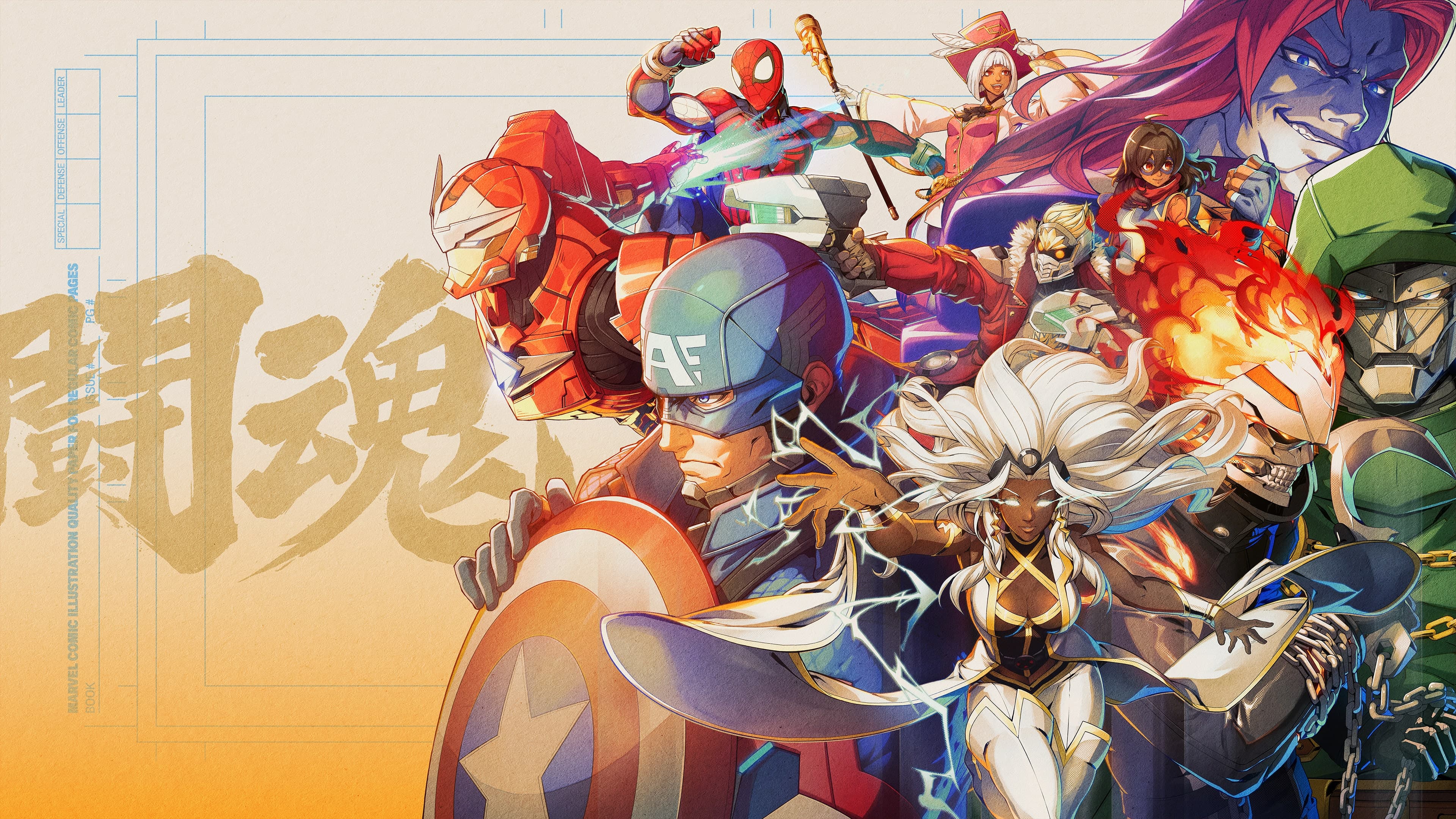
Marvel Tōkon: Fighting Souls launched August 6, 2026, developed by Arc System Works and published by Sony Interactive Entertainment, according to Marvel.com and EventHubs. On paper, that's a pairing that should work: the studio behind Guilty Gear Strive and the modern Dragon Ball FighterZ era, handed one of the deepest character catalogs in entertainment, backed by a publisher with the money to make it look as good as it plays. Three weeks in, that's roughly what happened — with one significant exception that's still being patched in real time.
Critics are calling it one of the best fighters in years
The numbers back up the hype. On Metacritic, the PS5 version sits at 85 — "Generally Favorable" — across 80 critic reviews, with an 8.1 user score from 290 ratings. That's a genuinely strong showing for a fighting game, a genre where critical consensus is often more divided than raw scores suggest.
The praise reads as specific rather than generic. PushSquare called it "comfortably the most exciting fighter since Street Fighter 6... unprecedented production values and some innovative gameplay design." Kotaku's review described it as "filled to the brim with a blend of Arc System Works' best-in-its-class anime excess and the recognizable, iconic heroes from the comics" — a line that gets at what makes Tōkon feel distinct from prior Marvel fighting games: it's not just licensed characters bolted onto a generic engine, it's a studio that's spent two decades perfecting 2.5D fighter feel applying that expertise to Marvel specifically.


PC Gamer's coverage, per aggregated reporting on the outlet's review, praised the accessibility curve, noting the game's "low skill floor and high skill ceiling leaves tons of room for expression, from casual autocombo mashers to professionals." That's worth flagging as a secondhand pull rather than a direct quote lift from the full article, but it lines up with how Arc System Works has approached onboarding in its recent fighters — Guilty Gear Strive did something similar with its simplified special-move inputs sitting alongside a genuinely deep execution ceiling underneath.

The roster and what's coming next
Tōkon launched with 20 characters: Captain America, Iron Man, Black Panther, Hulk, Spider-Man, Star-Lord, Ms. Marvel, Peni Parker, Storm, Wolverine, Magik, Danger, Dr. Doom, Magneto, Green Goblin, Carnage, Ghost Rider, Blade, Loki, and Deadpool, per Marvel.com and EventHubs. That's a roster built to cover a lot of ground tonally — cosmic, street-level, horror-adjacent, straight superhero — rather than leaning entirely on the most famous Avengers. Phoenix Cyclops has already been confirmed as the first post-launch DLC character, giving the roadmap a clear next stop for anyone wondering whether the game plans to keep growing.

The single-player caveat critics keep bringing up
Not every review is unqualified praise, and the pattern in the more measured takes is consistent. GameRant's review credited "exceptional core gameplay" and called the game "a blast in multiplayer," but was blunt that "the solo experience drops the ball." That's a familiar shape for modern fighting games — Arc System Works' own back catalog has faced similar critiques, where the online and offline versus modes are the clear centerpiece and story content functions more as a bonus than a pillar. It doesn't undercut the 85 Metacritic score, but it's a useful asterisk for anyone buying Tōkon specifically for a single-player campaign rather than to fight friends or strangers.
Where the PC score doesn't tell the full story
Here's the wrinkle: Metacritic's PC version sits at 82 — close to the PS5 score on paper — but that number is built on only 12 critic reviews, a fraction of the PS5 version's 80. A score with that few data points is a lot easier to swing and a lot harder to treat as representative, and it's worth remembering that most of those PC reviews were likely filed before the platform's post-launch problems became fully apparent.
Because the real story on PC isn't the critic score. It's Steam. Player sentiment there settled into "Mixed" territory, sitting around 43% positive across roughly 1,565 reviews, according to reporting from MP1st and GamesRadar+. LEVEL UP separately reported a steeper "60% negative" figure at a different measurement point — the two numbers don't cleanly reconcile, and rather than pick one as more accurate, it's worth treating them as different outlets checking in at different moments on a rating that's been actively moving as patches roll out.
The complaints driving those numbers are consistent across coverage: persistent micro-stuttering that shows up regardless of hardware or settings, launch failures for some players, no Linux support, and — for players in countries without PSN access — being locked out of the game entirely, a direct consequence of Sony's PSN-account requirements on a game it's publishing itself.
Devs promised fixes before launch. They shipped anyway.
What makes the PC situation sting more than a typical rough launch is the timing. Arc System Works and Sony had already been through this exact problem once, during Tōkon's open beta in late July, which was hit by both PSN outages and PC performance complaints. On July 28, ahead of the full release, developers pledged to fix those exact PC issues before launch.
Full release came August 6 — and the port still shipped with the same category of stutter and stability problems the beta had already surfaced. That's the part of this story that reads less like an inevitable launch hiccup and more like a promise that didn't fully hold. Beta feedback exists specifically so studios can catch this stuff before a wider audience hits it; when the same complaints resurface at full launch after a public commitment to address them, it's a fair thing for players to be frustrated about.
The August 28 update: real fixes, and a tacit admission
Three weeks after launch, an August 28, 2026 patch went out that reads like a studio actively working through its post-launch punch list. On the PC side specifically, it fixed a crash tied to Windows Update KB5121003, resolved excessive Steam update-check calls that had been hammering the client, and — most tellingly — came with developer advice for PC players to run a shader "warm-up" process before playing.
That last one is worth sitting with. Recommending a shader warm-up step is, functionally, an acknowledgment that shader-compilation stutter has been part of what's been driving the stutter complaints all along, even without the patch notes using that exact phrase. It's a workaround rather than a fix, but it's also the clearest signal yet that Arc System Works understands specifically what's wrong rather than just patching symptoms.
The rest of the update wasn't PC-exclusive. It fixed a PS5 language-settings loop that had been blocking some players from starting the game before a full download completed, squashed a Peni Parker "grounded Link Attack" bug that could freeze multiple opponents at once, and added a "Play Area" matchmaking region setting. On the content side, the patch added the Wolverine Battle Reborn Suit — a cosmetic available both as a playable skin and lobby avatar, in eight color variants — timed to coincide with Insomniac's upcoming Marvel's Wolverine game.
No balance pass yet, and that's deliberate
One thing the August 28 patch notably didn't touch: character balance. Arc System Works has said neither the Day 1 patch nor this one were meant to rebalance the roster, and that the studio is waiting on more tournament data before adjusting the game's Vital Gauge economy, assists, or individual character kits. For a 20-character roster three weeks removed from launch, that's a reasonable call — competitive fighting games routinely wait for high-level tournament results to surface real balance problems rather than reacting to early forum consensus, which can be noisy and contradictory. It does mean players hoping for early tuning on any character that already feels overtuned or underwhelming will be waiting a while longer.
Leaks got ahead of the release
Tōkon's launch wasn't entirely clean on the marketing side either. Physical copies and footage from the game's "Episode Mode" story content leaked online several days before the official August 6 release. Leaked footage also sparked chatter about a rumored hidden unlockable character — that claim remains entirely unconfirmed, and no specifics about who it might be have been verified through official channels, so it's worth treating strictly as speculation rather than anything close to a lock.
Where this leaves Tōkon
Strip away the PC drama and Marvel Tōkon: Fighting Souls is, by the numbers and by the specific language critics have used, one of the strongest new fighting games in years — a studio with genuine 2.5D fighter pedigree applying that craft to a character catalog few other developers could access. The 85 on PS5 Metacritic, the PushSquare and Kotaku praise, and the GameRant nod toward "exceptional core gameplay" all point the same direction.
But the PC launch is the part of this story that isn't finished yet. A pledge to fix known issues before release, followed by a release that still had those issues, followed by a three-week wait for a patch that addresses some — but explicitly not all — of what's wrong, is a pattern worth watching rather than a one-off. The August 28 update is real progress: crash fixes, a shader warm-up workaround, and quality-of-life additions like the Play Area setting all suggest a team that's listening. Whether that translates into a Steam rating that climbs out of "Mixed" territory, and whether the eventual balance pass lands as cleanly as the core systems already have, will say more about Tōkon's long-term health than its opening-week Metacritic score ever could.
Expect more stability patches for PC, eventual shader-compilation improvements beyond the current warm-up workaround, Phoenix Cyclops as the first DLC character, and — once tournament data comes in — the first real balance pass touching the Vital Gauge economy, assists, and character kits.