The 72nd National Film Awards Left Delhi for the First Time in Decades — Here's Who Won
The winners of the 72nd National Film Awards have technically been public knowledge since July 18, 2026, when the list was read out at the National Media Centre in New Delhi. But the actual ceremony — the part with a head of state on stage, trophies changing hands, and stars in the room — happened today, September 22, 2026, more than two months later, and nowhere near Delhi at all. It took place at Ekta Nagar, the township better known as Kevadia, in Gujarat, inside the Statue of Unity complex. According to Hollywood Reporter India, it's the first time the National Film Awards presentation has been held outside New Delhi in decades, with the outlet noting the last time the ceremony left the capital was Chennai, back in 1970.
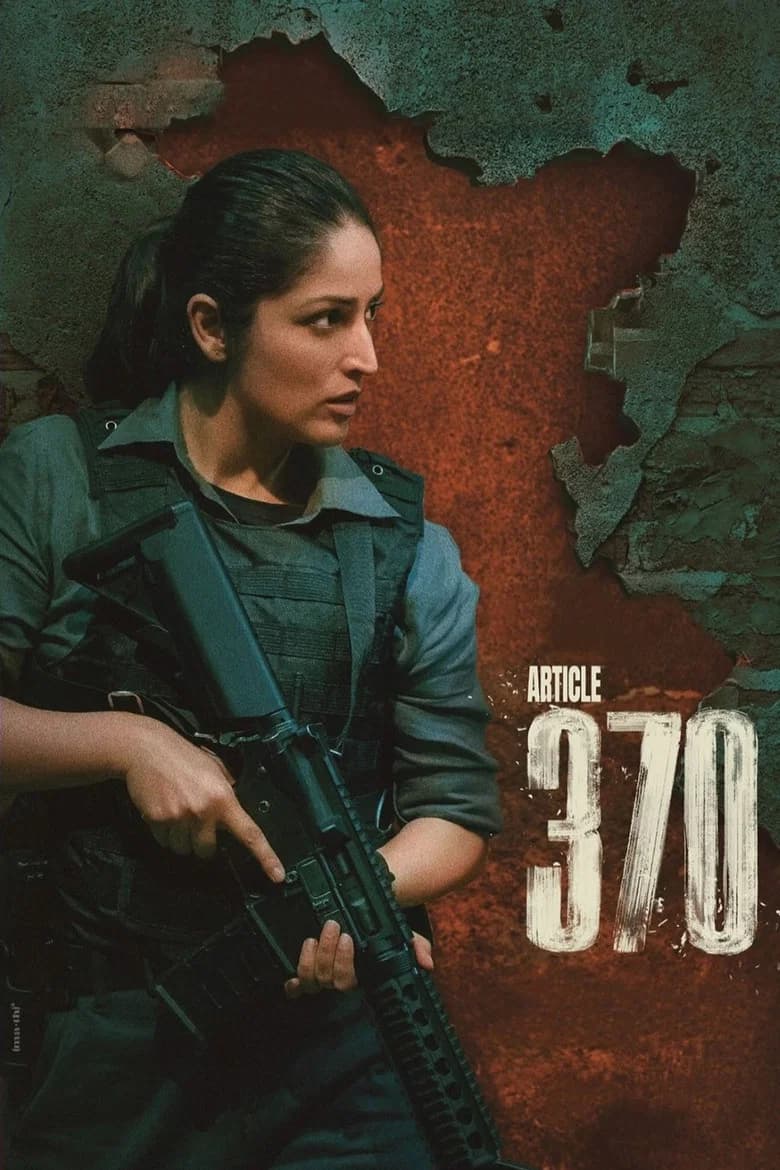
That's the headline framing. But a ceremony is still a ceremony, and this one had actual winners: Article 370 took Best Feature Film, Kartik Aaryan picked up his first National Award, Mammootty added another to an already enormous shelf, Yami Gautam got emotional on Instagram, and a five-decade Kannada acting career finally got its Dadasaheb Phalke moment. Here's the full rundown of the venue shift and everything handed out.
Why the location matters
For most of the National Film Awards' history, the presentation ceremony has been a Delhi fixture — usually Vigyan Bhawan, sometimes another government venue in the capital, but always the capital. Moving it to Kevadia, a township built around the Statue of Unity that only fully opened to the public in 2018, is a genuine break from that pattern. It's not just a change of city; it's a change of the kind of place. Delhi ceremonies happen in the machinery of government. Kevadia is a monument site and tourism destination, built specifically to showcase Sardar Vallabhbhai Patel's legacy and, by extension, Gujarat's role in modern Indian nation-building.
Hollywood Reporter India's report doesn't include a public statement from the government explaining why the ceremony moved this year specifically, and that's worth being upfront about — it's the one outlet covering that detail, and the absence of an official rationale is itself part of what's being reported, not something this piece can fill in with speculation. What's confirmed is simpler: the venue changed, and it changed to somewhere with obvious political and symbolic weight tied to the Statue of Unity itself.
Inside the ceremony
President Droupadi Murmu presided over the event and personally presented awards to 92 winners across the various categories, according to coverage of the ceremony. Hollywood Reporter India also reported additional logistical details worth flagging as coming from that outlet alone: a temporary venue structure built using a German aluminum dome, and a ceremony that ran for roughly 75 minutes — brisk, by the standards of Indian awards shows generally, let alone one with 92 individual winners to walk through.
The guest list read like a genuine cross-section of the industry rather than a regional showcase. Shah Rukh Khan, Rani Mukerji, Vikrant Massey, and Mohanlal were all present, spanning Hindi and Malayalam cinema and several generations of stardom. That mix matters a little for how you read the venue shift — this wasn't an event that struggled to draw major names despite moving away from Delhi's traditional gravity.
Best Feature Film and Best Hindi Film — two different categories, two different winners
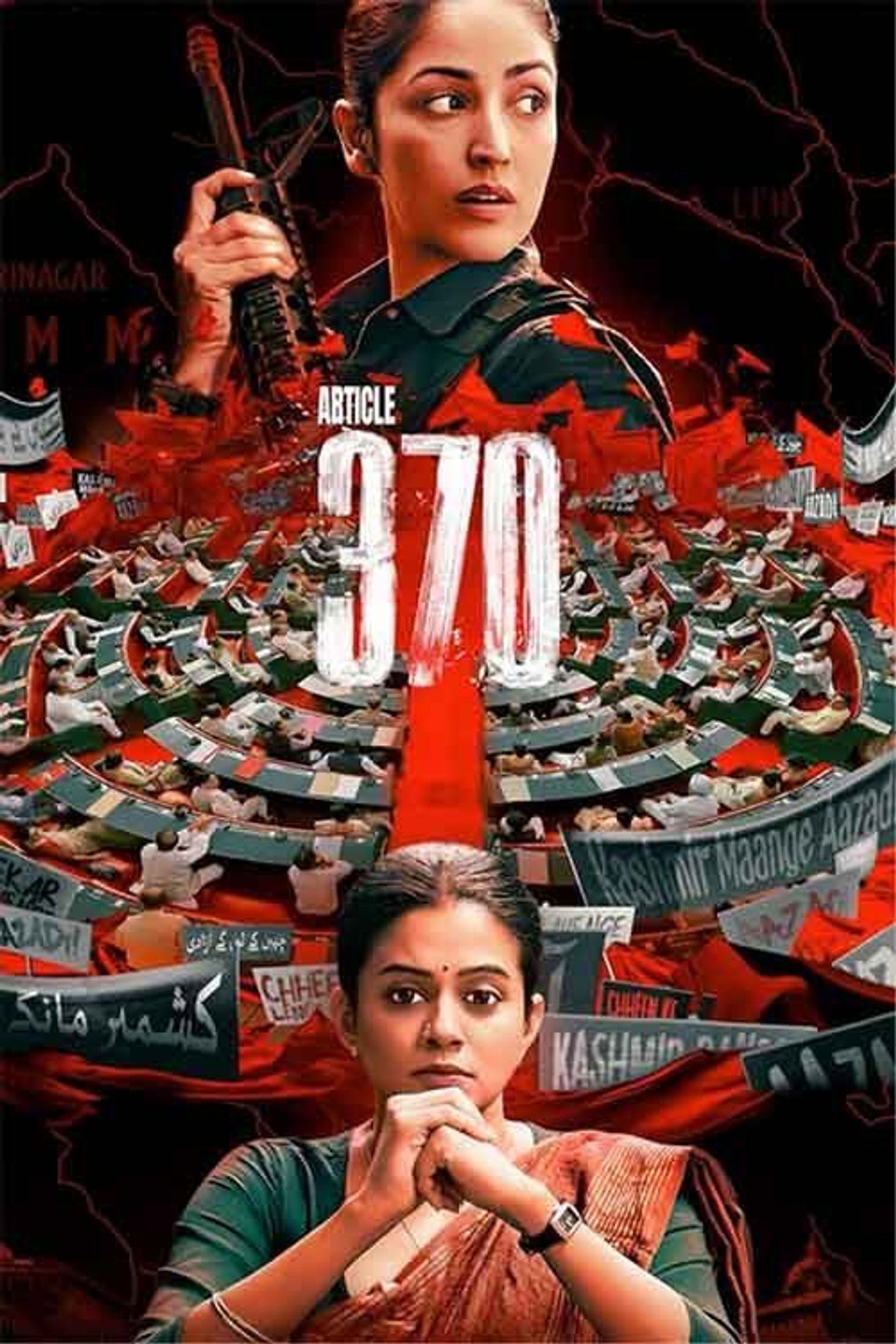
Article 370 won Best Feature Film, the top prize of the night and the category most people mean when they talk about "the National Award for Best Film." The film, a political thriller centered on the abrogation of Article 370 in Jammu and Kashmir, has now collected the single most prestigious recognition available to an Indian film this cycle.
Separate from that, Srikanth won Best Hindi Film — a category that exists alongside, not underneath, Best Feature Film, since the National Film Awards recognize best films in individual languages in addition to the overall top prize. Producer Bhushan Kumar responded to the win with a statement: "Srikanth is a story that deserved to be told, and we are deeply honoured..." It's easy to conflate the two categories if you're not paying close attention to National Awards structure, but they're genuinely distinct honors, and Article 370 and Srikanth each earned their own.
Kartik Aaryan and Mammootty share Best Actor
The Best Actor (Leading Role) award was split between two performers this year — Kartik Aaryan for Chandu Champion and Mammootty for the Malayalam film Bramayugam. Aaryan's win is for playing Murlikant Petkar, the Paralympian whose life story Chandu Champion dramatizes, and per Variety's coverage, it's Aaryan's first National Award — a genuine career milestone for an actor who's spent most of the last decade in mainstream commercial Hindi cinema rather than the kind of prestige biopic territory that tends to draw National Award attention.
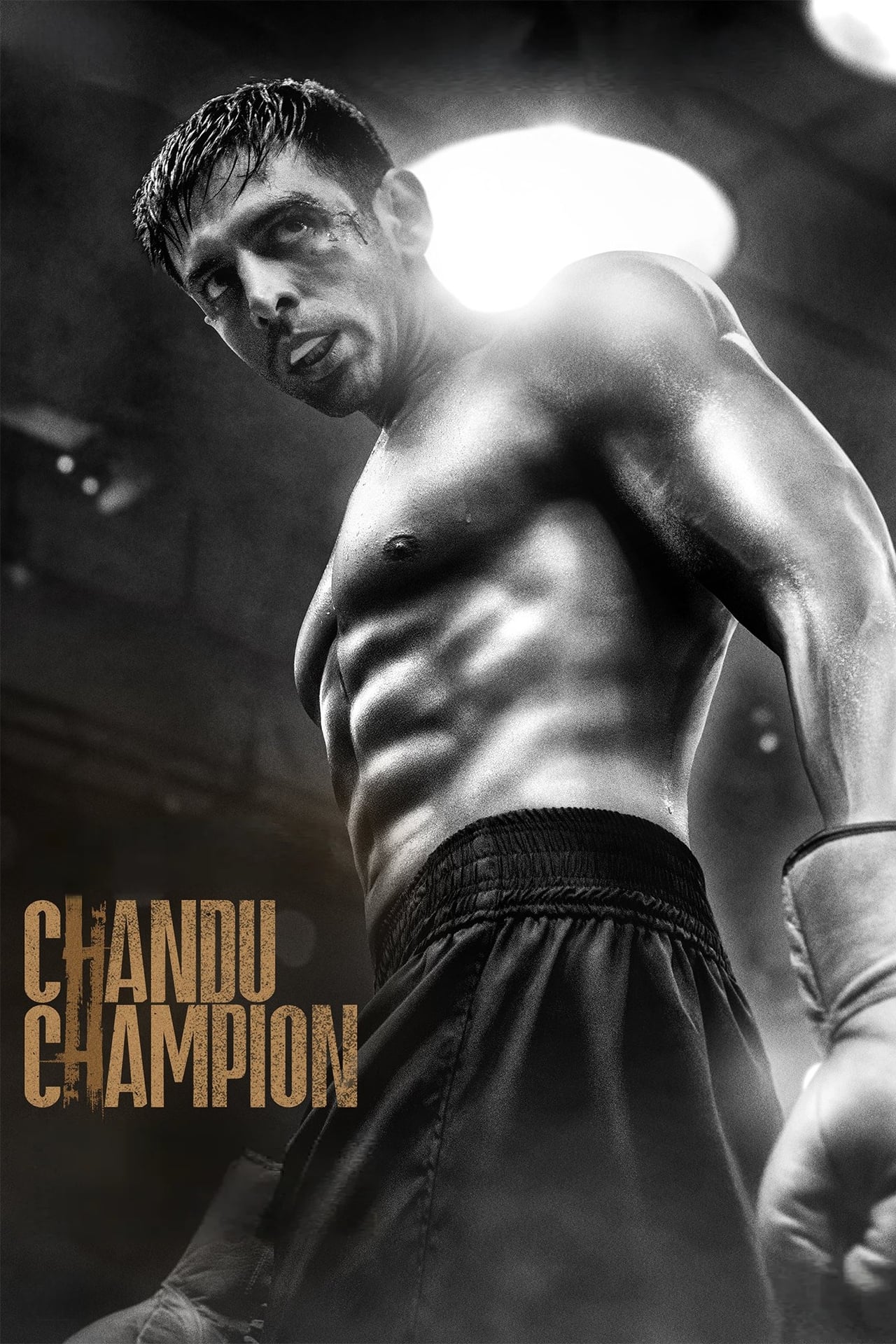
Aaryan separately visited the Statue of Unity and Kevadia around the ceremony, where he was quoted by ANI: "I have received my first National Award for Chandu Champion. I am truly, incredibly happy — my entire family is overjoyed, and our whole team is thrilled." It's a straightforward, unguarded reaction, and it tracks with how significant a first National Award tends to register for an actor at his stage of a career — it's a different kind of recognition than box office numbers or trade buzz, coming from a body that's historically been stingier with mainstream commercial stars than with festival-circuit performances.
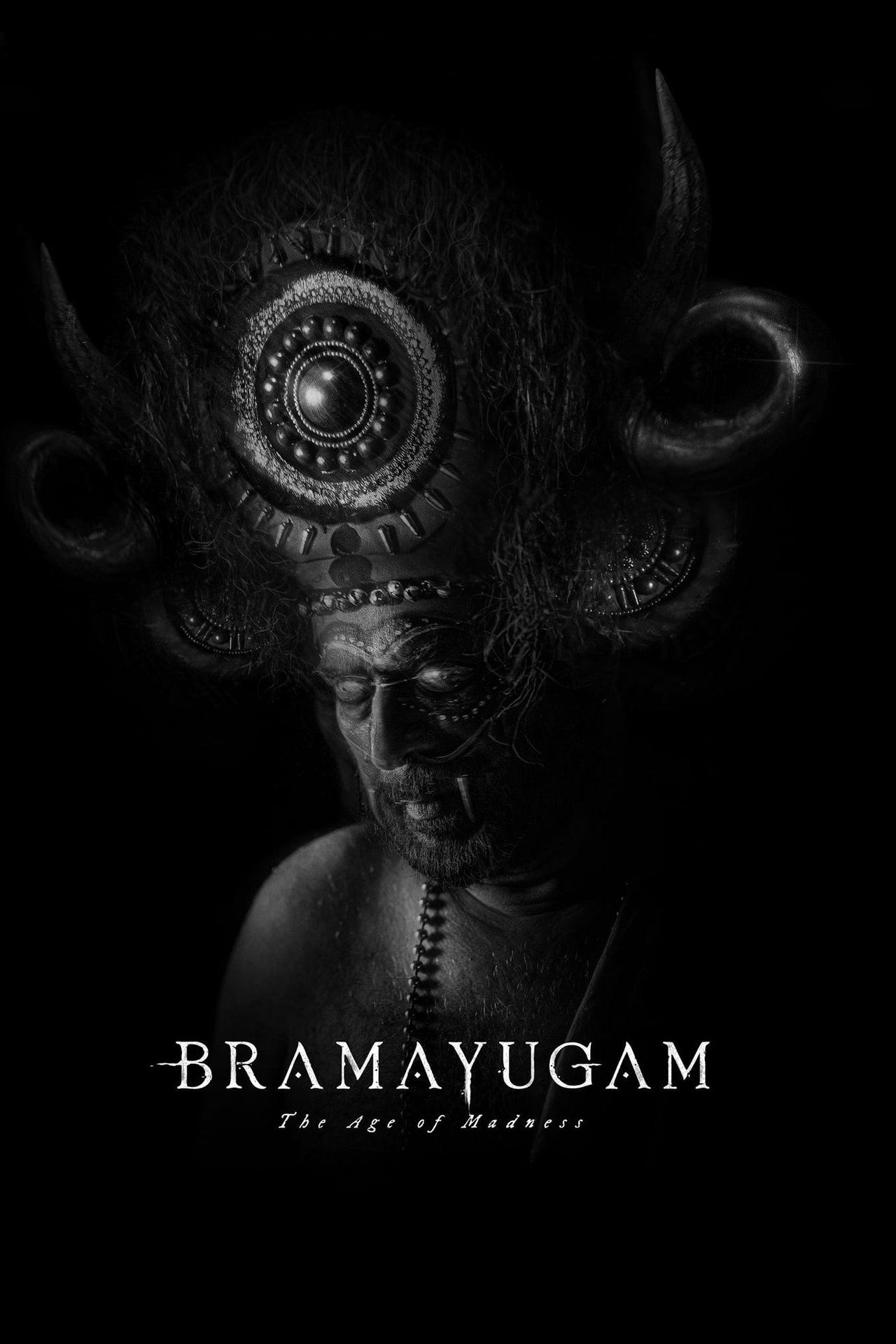
Mammootty's win for Bramayugam adds to a filmography and awards history that's already among the most decorated in Indian cinema, and sharing the category with Aaryan this year is itself notable — a Hindi mainstream star and a Malayalam veteran recognized side by side for two very different kinds of performances in two very different kinds of films.
Yami Gautam's Best Actress win, and what she said about it
Yami Gautam won Best Actress (Leading Role) for Article 370, the same film that took Best Feature Film. According to Outlook India's coverage, the win carries extra weight for Gautam specifically because the film is a home production for her — meaning she has a producing stake in it, not just a performance in it. She posted on Instagram afterward, calling it "an honour I will cherish for the rest of my life," and adding: "This award is not the end of a dream, it is the beginning of a greater responsibility."
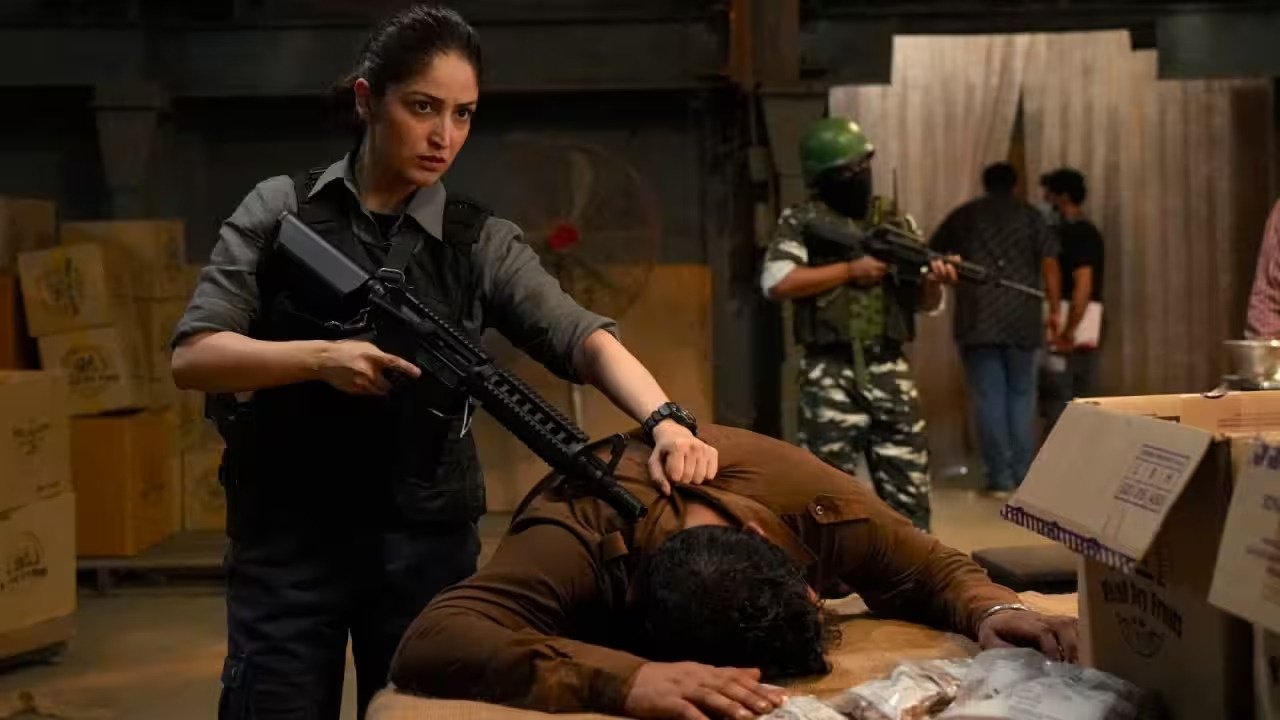
That second line is worth sitting with for a moment, because it's not just award-show boilerplate. Coming from someone who both starred in and helped produce the film, "the beginning of a greater responsibility" reads as Gautam framing the win less as a personal victory lap and more as a marker of what she's now expected to deliver next, both as an actor and as someone with skin in the production side of her projects.
Supporting performances and direction
Sanjay Mishra won Best Supporting Actor for Bhakshak, a recognition for a character actor whose career has been built almost entirely on the kind of grounded, unglamorous supporting work that this category exists to honor. It's the sort of win that doesn't generate the same headline attention as a Best Actor or Best Actress announcement but tends to be received warmly within the industry precisely because it's recognizing craft over star power.
Best Director went to Rajkumar Periasamy for the Tamil film Amaran, another reminder that the National Film Awards, despite the Hindi-industry framing that dominates a lot of coverage, remain a genuinely pan-Indian institution — the same ceremony that handed Kartik Aaryan his first trophy also recognized a Tamil director for a Tamil film, in the same room, under the same president's hand.
Anant Nag and the Dadasaheb Phalke Award
The evening's lifetime achievement recognition, the Dadasaheb Phalke Award for 2024, went to veteran Kannada actor Anant Nag, honoring a career that spans roughly five decades. The Phalke Award is the highest honor in Indian cinema, reserved for a body of work rather than a single performance, and it tends to land on actors whose contributions run deeper than any one hit — Nag's five-decade run in Kannada cinema, largely outside the commercial spotlight that follows Hindi-language stars, is exactly the kind of career this award exists to recognize.
The Aanand L. Rai claim worth flagging
One detail circulating in some summaries of the ceremony is that filmmaker Aanand L. Rai won Best Direction in the non-feature category for a documentary about the Statue of Unity — which, if true, would be a neat bit of symmetry given where the ceremony itself was held. But that claim appears in only one summary source and hasn't been corroborated elsewhere, so it's being treated here as unconfirmed rather than reported as fact. If it's accurate, it'll likely surface in further coverage; until then, it doesn't belong on the list of confirmed winners above.
A ceremony two months after the announcement
It's worth restating the timeline plainly, because the gap between announcement and presentation is unusual enough to cause confusion. The winners list came out July 18, 2026, at a press-style announcement in Delhi — the kind of event where names get read out, but nobody's walking up to receive a trophy from the President. The actual presentation ceremony, with Murmu handing out awards in person, happened more than two months later, on September 22, in Gujarat. That's not a contradiction or a delay in the sense of something going wrong; the National Film Awards have historically operated on a two-stage structure like this, with the announcement and the ceremony as separate events, sometimes separated by months. What's new this cycle isn't the gap — it's where the second stage happened.
What this means going forward
Whether Kevadia hosting this ceremony is a one-time experiment tied to this specific cycle or the start of a new rotation away from Delhi isn't something that's been addressed on the record yet, at least according to the coverage available. Award ceremonies moving venues can be logistical (availability, cost, scheduling around other state events), political (showcasing a particular state or monument), or some mix of both, and without an official statement from the government explaining the choice, it's not possible to say definitively which of those applies here.
What is clear is that the ceremony itself delivered a full slate of recognitions across acting, directing, and lifetime achievement, spanning Hindi, Malayalam, Tamil, and Kannada cinema in a single room — which is, underneath the venue story, the actual point of the National Film Awards. Kartik Aaryan has his first trophy. Mammootty has another one to add to a long list. Yami Gautam is framing her win as a responsibility rather than a finish line. And a Kannada actor with five decades behind him finally has the Phalke Award to show for it. The next real marker to watch for is whether Gujarat hosts again next year, or whether this cycle's ceremony ends up being remembered as a one-off tied to 2026 specifically.
Watch for whether Gujarat becomes a recurring host or a one-off, and how the government explains the venue shift once officials address it directly.