Zach Cregger's Resident Evil: What We Actually Know Before It Hits Theaters
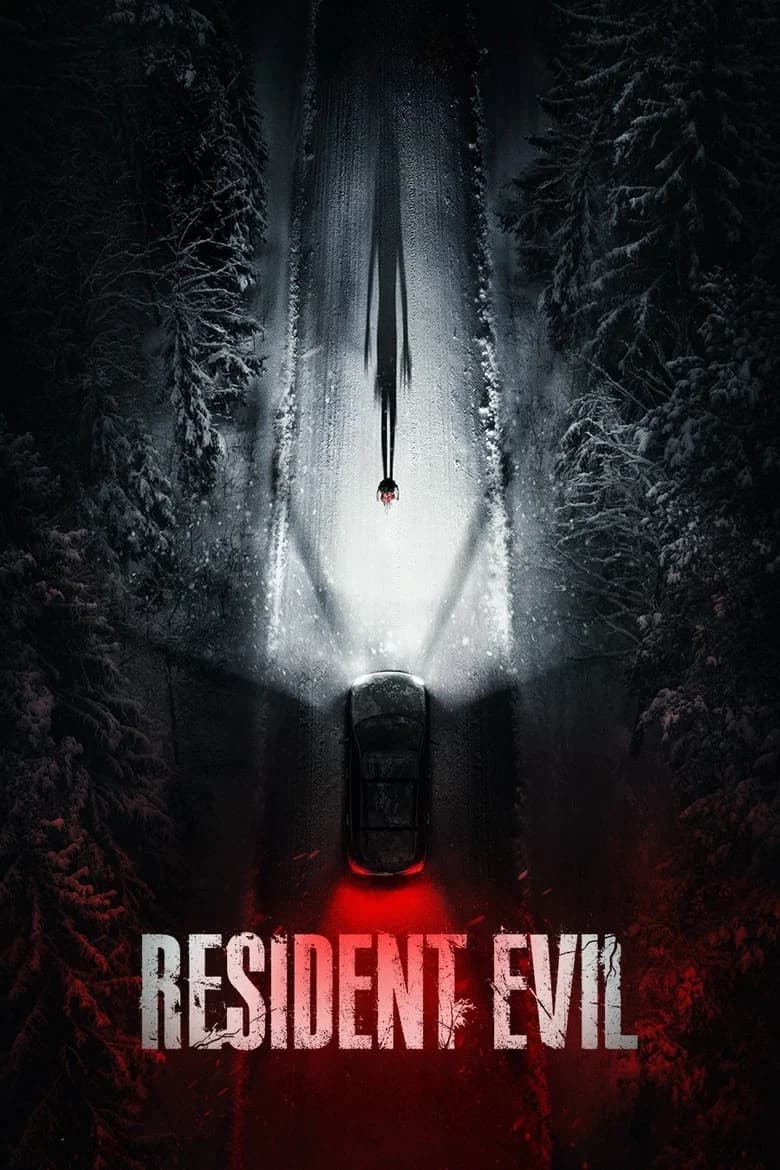
Zach Cregger built his name on two of the decade's sharpest original horror films, Barbarian and Weapons. His next move is the opposite of original: a reboot of Resident Evil, one of gaming's oldest and most heavily adapted horror franchises, arriving in theaters September 18, 2026. That combination — an auteur known for tightly controlled, surprise-driven horror taking on a property that's already been through six live-action films and countless games — is exactly why this one has more pre-release noise around it than most studio horror releases get. Here's what's actually confirmed, what's reported but unverified, and what's just fan anxiety at this point.
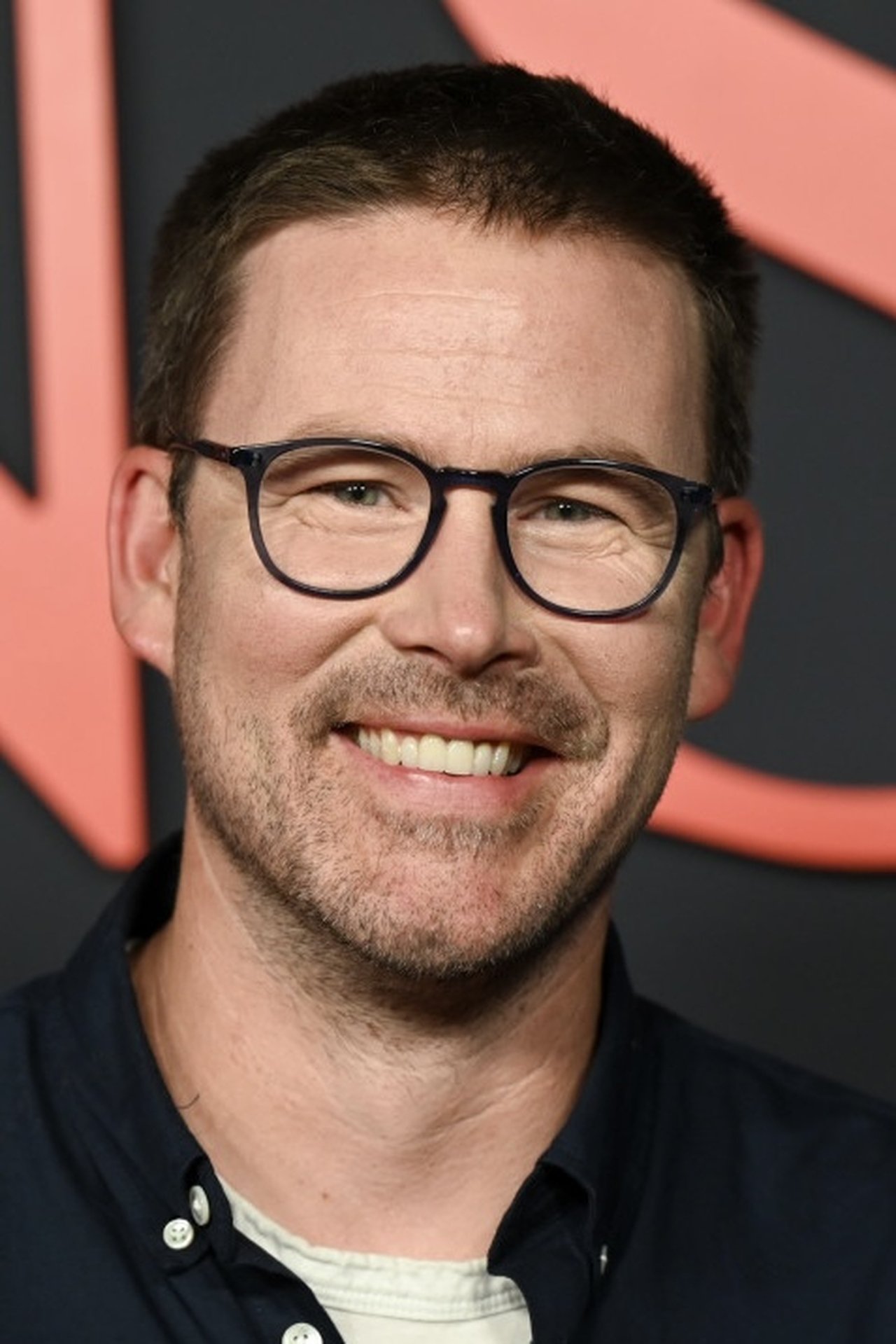
Who's making it and who's in it
Cregger directs and co-writes the script with Shay Hatten, according to Wikipedia's production entry on the film. Hatten's résumé includes several John Wick sequels, which lines up with a Resident Evil movie that's reportedly leaning hard into practical violence over exposition-heavy mythology building.
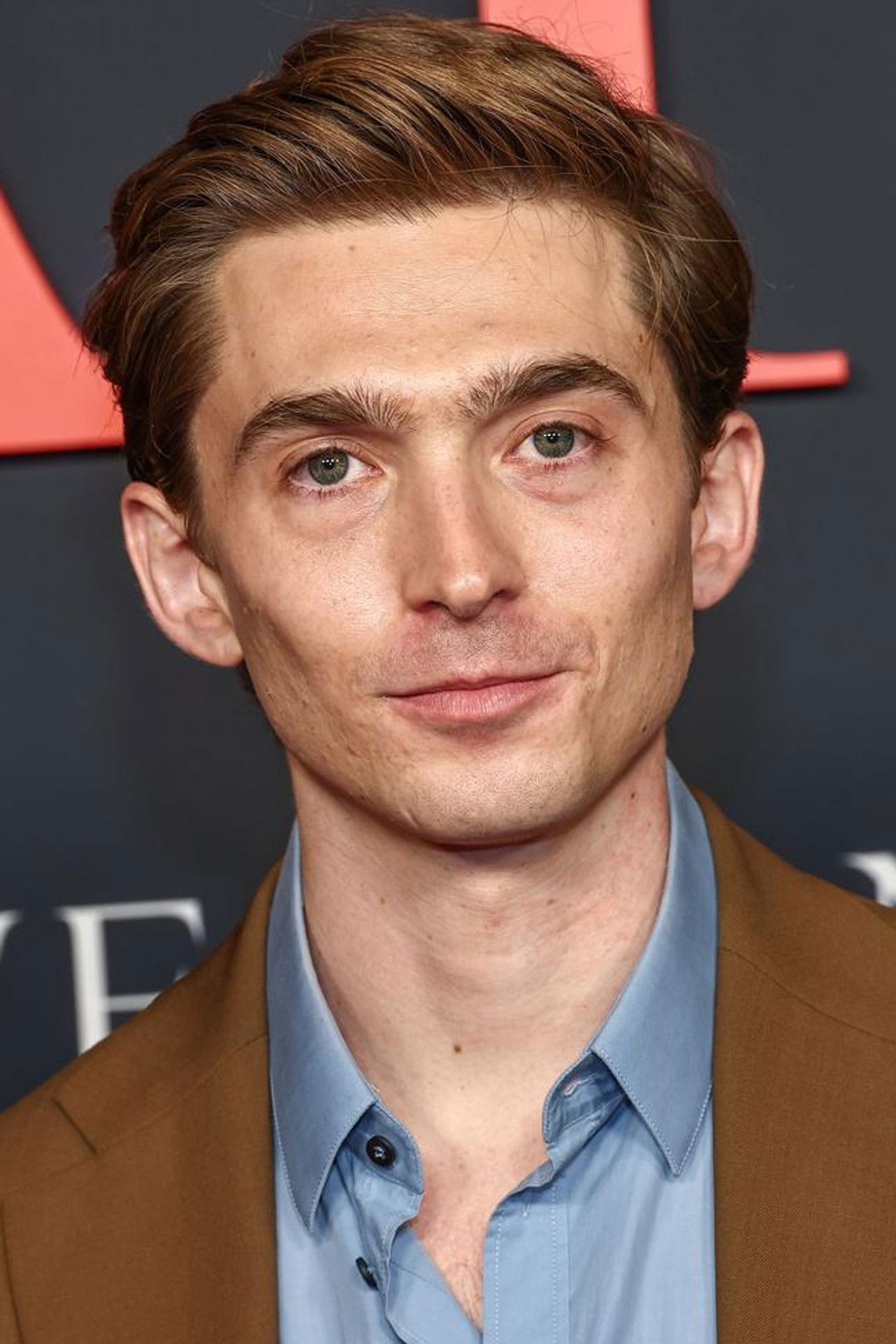
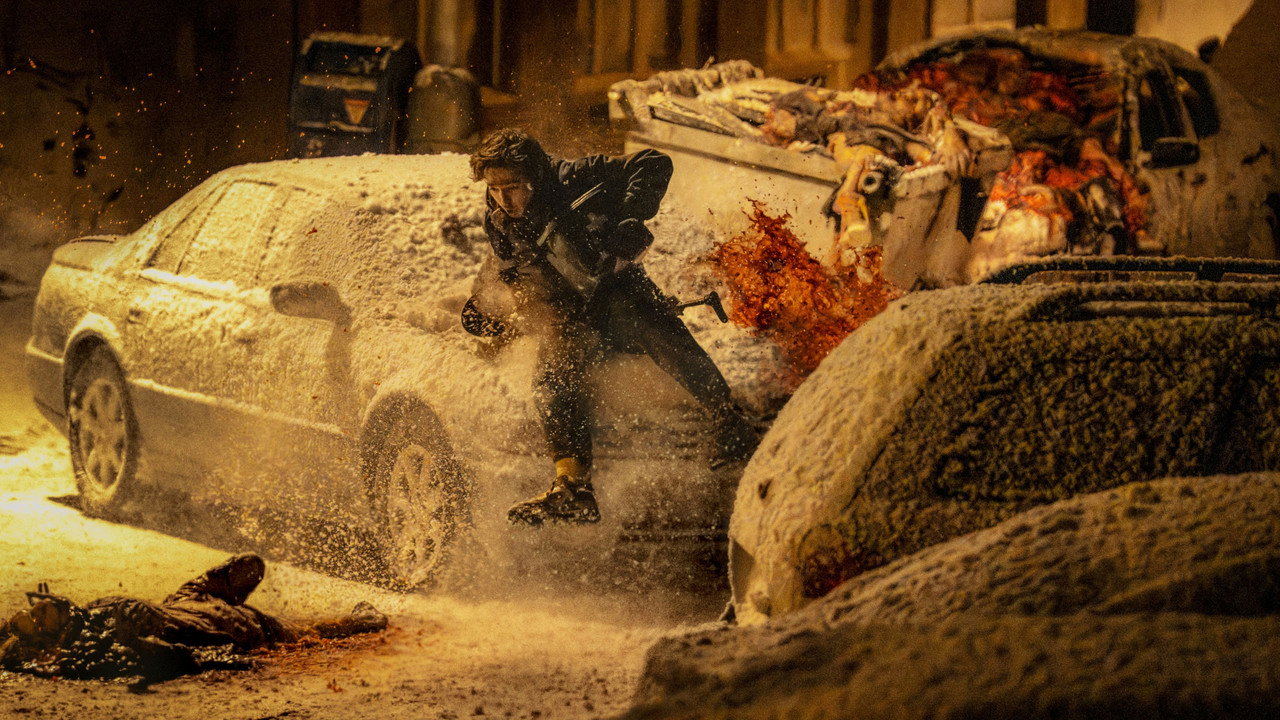
The cast is led by Austin Abrams as Bryan, a medical courier who becomes the film's point-of-view character when he gets pulled into an outbreak he has no context for. Rounding out the ensemble are Zach Cherry, Kali Reis, and Paul Walter Hauser — the latter two reportedly playing Umbrella Corporation scientists — along with Johnno Wilson as an Umbrella enforcer. It's a cast built more around character actors who can carry tension and dark comedy than around action-movie leads, which tracks with Cregger's instincts on his previous two films. Neither Barbarian nor Weapons were star vehicles in the traditional sense; both worked because Cregger trusted his actors to sell dread and confusion in the moment rather than lean on recognizable action-hero shorthand.
The plot, and why it's not a Leon Kennedy movie
Here's the detail that's generated the most discussion so far: this isn't a direct adaptation of any specific Resident Evil game. According to Wikipedia, corroborated by Deadline, the story follows Bryan making a delivery to Raccoon City General Hospital when a viral outbreak collapses around him — an outbreak that runs concurrent with the events of Resident Evil 2, but set in an "alternate, contemporary" timeline rather than the game's original 1998 setting. Established characters exist on the periphery of the story rather than at its center.
Cregger has been explicit about why he made that choice. Describing the film as "a love letter to the games" rather than a straight adaptation, he told press: "I'm not going to tell Leon's story, because Leon's story is told in the games." It's a defensible creative logic — Leon Kennedy's Raccoon City arc has already been told, retold, and remade across multiple games and at least one prior film series. Building a new, original protagonist who stumbles into the outbreak from the outside gives Cregger room to do what he does best: put an ordinary person in over their head and watch them try to survive without the audience's genre-savvy advantage.
The snow and the iPhones — a fandom flashpoint
Not everyone is on board with "alternate contemporary timeline" as a concept, and the friction point is specific: the film is reportedly set in a snowy environment and features modern-day iPhones, despite Resident Evil 2's outbreak canonically taking place in September 1998. For a fanbase that has spent decades tracking the series' internal chronology across games, films, and animated spinoffs, that's not a small detail to wave away.
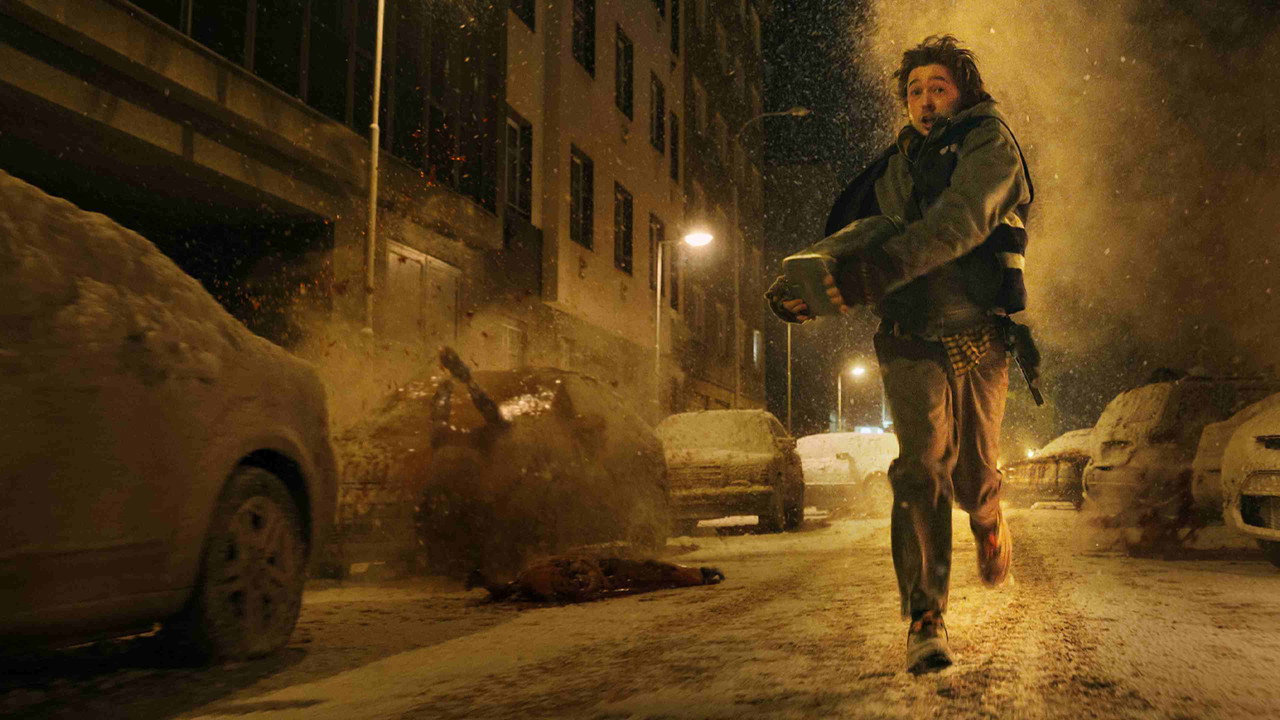
Cregger addressed the criticism directly at San Diego Comic-Con, according to GamingBible, defending the choice rather than softening it: "I took liberties to tell a story I wanted to tell and make the movie look the way I wanted it to look." He went further on the aesthetic reasoning specifically, saying, "I think it looks really f***ing cool to have a horror movie set in the snow." GamingBible's own framing of the fan response is that it's mixed at best — some fans appreciate a director being upfront about prioritizing vision over strict canon fidelity, while others see it as an unnecessary departure from a setting and time period that's core to what made Resident Evil 2 work as source material in the first place. Neither side has anything close to consensus right now, and that's worth sitting with rather than resolving artificially — this is a real, unsettled disagreement among the people most invested in the property, not a controversy that's already blown over.
The POV shots and the "playing the game" ambition
The most distinctive stylistic swing reported so far is Cregger's use of first-person point-of-view shots, deployed selectively rather than throughout. A teaser reportedly showed a roughly four-second POV shot with a pistol raised — a direct visual nod to how these games are actually played, since the mainline Resident Evil series has long alternated between third-person and first-person perspectives depending on the entry. Cregger has said the goal is to "recreate the experience of actually playing a Resident Evil game," which is a more specific and more interesting ambition than simply adapting the plot of one.
It's a technique with real precedent and real risk. First-person horror sequences can be genuinely disorienting and effective in short bursts — think of how sparingly the best found-footage and POV horror uses the device rather than sustaining it for a full runtime. Used well, a few seconds of POV gunplay could land as a clever wink to players without becoming a gimmick. Used too often, it risks feeling like a marketing hook rather than a storytelling choice. Given Cregger's track record of confident, controlled formal choices in Barbarian — that film's mid-movie perspective shift is one of the more talked-about structural swings in recent horror — there's real reason to expect he understands the difference.
Runtime, budget, and the violence Cregger is promising
A handful of specifics have circulated from a single source, World of Reel, and haven't been independently corroborated elsewhere, so they're worth treating as reported rather than confirmed: a runtime around 1 hour 35 minutes, a screenplay reportedly running about 95 pages with minimal dialogue, and a production budget in the neighborhood of $80 million. If accurate, that's a lean, efficient shoot by modern studio-horror standards — a short page count paired with heavy reliance on practical action and gore rather than dialogue-driven exposition would explain both the runtime and Cregger's public comments about the film's violence.
On that front, Cregger hasn't been coy at all. Quotes circulating across JoBlo, Bloody Disgusting, and ScreenRant have him calling this "definitely the most violent thing I've done," adding that he wanted to go "all the way" with the gore. Coming from the director of Barbarian, a film that already didn't flinch from body horror when it needed to, that's a genuinely notable escalation. It also lines up cleanly with the film's official MPA rating, independently confirmed by multiple outlets including Dread Central, Bloody Disgusting, iHorror, JoBlo, and ScreenRant: rated R for "strong bloody violence, gore and language throughout." That's about as unambiguous a signal as an MPA descriptor gets.
What the first 30 minutes reportedly look like
An important distinction before getting into this section: no wide review embargo has lifted for this film as of this writing. What exists right now is reaction from an embargoed screening of the film's first 30 minutes, shown to a small group of invited press — not full reviews, and not a verdict on the complete film. Treat everything below accordingly.
Within those limits, the early word is enthusiastic. JimmyO of JoBlo called it "one of the best set ups to a horror flick I've seen in a while" and singled out Austin Abrams' performance for praise. Tyler Disney described the footage as "fresh and original and also surprisingly funny," adding bluntly that "the gore is fucking awesome." Christopher Gallardo's reaction was simpler and more visceral: "ABSOLUTELY WILD." Joey Magidson tied the tone back to Cregger's established sensibility, saying it felt "very Barbarian, Zach Cregger wise" — a comparison that will mean a lot to anyone who walked out of that film in 2022 not knowing what had just happened to them.
That's genuinely promising reaction, and it's consistent across four separate writers rather than a single cherry-picked quote. But it's still a 30-minute sample from a film with a full runtime, presented to press specifically invited to generate early buzz. Good first acts don't guarantee a film sticks the landing, and horror in particular lives or dies on how its back half pays off what the opening sets up.
The release rollout
The film premieres at Fantastic Fest on September 17, 2026, a genre-festival launch that makes sense given Cregger's standing in the horror community, before opening wide in U.S. theaters the next day, September 18. Distribution runs through Columbia/TriStar under Sony, with Constantin Film, PlayStation Productions, and Vertigo Entertainment producing — a lineup that pairs the studio that's made most of the prior live-action Resident Evil films (Constantin) with the platform holder most directly invested in the games' legacy (PlayStation Productions). That's a notably different production alliance than the earlier Milla Jovovich-led franchise, and it suggests Sony and PlayStation see this less as a continuation of that series and more as a genuine relaunch aimed at both horror audiences and longtime players.
Where Cregger goes after this
Cregger has reportedly framed this as a one-time excursion into franchise filmmaking rather than the start of a new phase in his career. Per The Playlist — a claim relayed here from a search summary rather than independently fetched source text, so the exact wording should be treated as reported rather than verified — he's said Resident Evil will be his only franchise movie, quoted as saying, "That's it for me, I want to write whatever I want." Separately, multiple outlets including Gizmodo and Deadline report, again via search-summary sourcing rather than direct verification here, that his next project is an original sci-fi film titled The Flood, developed with Amblin and Steven Spielberg's involvement. That project reportedly went through a production dispute over theatrical versus streaming release before Warner Bros. picked it up for a theatrical run.
If that reporting holds up, it reframes this Resident Evil film less as Cregger pivoting into blockbuster filmmaking and more as a single, deliberate side trip — a director cashing in some studio trust and gore-budget latitude on one big swing at a franchise he clearly has real affection for, before going back to the kind of original, unpredictable horror that made his name in the first place. Whether that's the right read won't really be testable until The Flood actually materializes. But it's a useful frame for watching this release: not the start of Cregger-as-franchise-director, but possibly the only stop on that road.
The honest bottom line
Strip away the hype cycle and what's left is a genuinely unusual bet: a distinctive horror auteur given real resources and real creative latitude on a beloved but creatively exhausted franchise, choosing to tell an original story on its edges rather than adapt a game beat-for-beat. The canon liberties have real fans skeptical, the early buzz is real but incomplete, and the specific numbers around budget and runtime need an asterisk until better-sourced outlets confirm them. What's not in question is that Cregger is taking real swings rather than playing it safe — the POV sequences, the R rating, the refusal to just retell Leon's story. Whether those swings connect will start to become clear the moment Fantastic Fest audiences walk out on September 17, with the rest of the world following one day later.
Fantastic Fest premieres the film September 17, 2026, with wide release the next day, and a full review embargo hasn't lifted yet — that's the next real signal to watch for.