Drishyam: The Conclusion Trailer Is Out — Everything Confirmed Before the October 2 Release
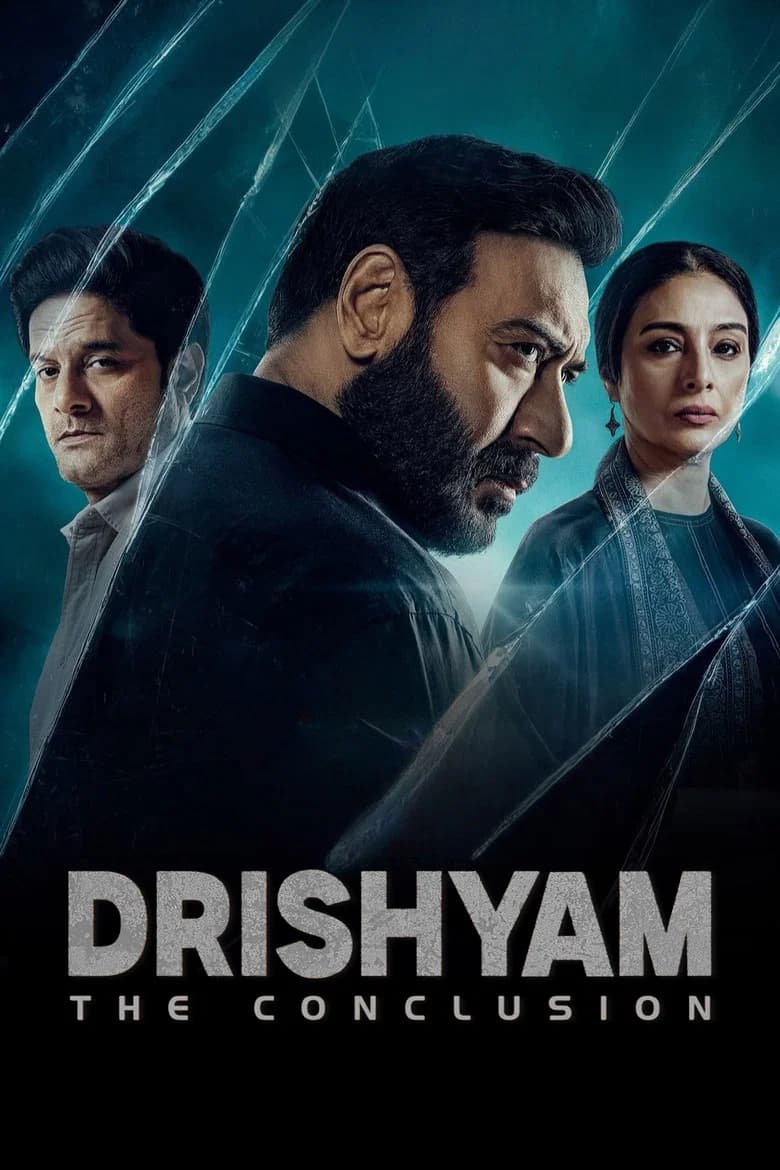
The trailer for Drishyam: The Conclusion dropped September 9, 2026, and it's making one thing clear before a single review exists: this is being sold as the end. Ajay Devgn returns as Vijay Salgaonkar, Tabu returns as Meera Deshmukh, and the franchise that's spent two films watching a mild-mannered man outthink the police is finally putting a date on when that game stops. The film opens in theatres October 2, 2026 — Gandhi Jayanti, a national holiday and a release slot Bollywood has treated as premium real estate for years. Here's what's actually confirmed heading into that date.
The trailer and the release date
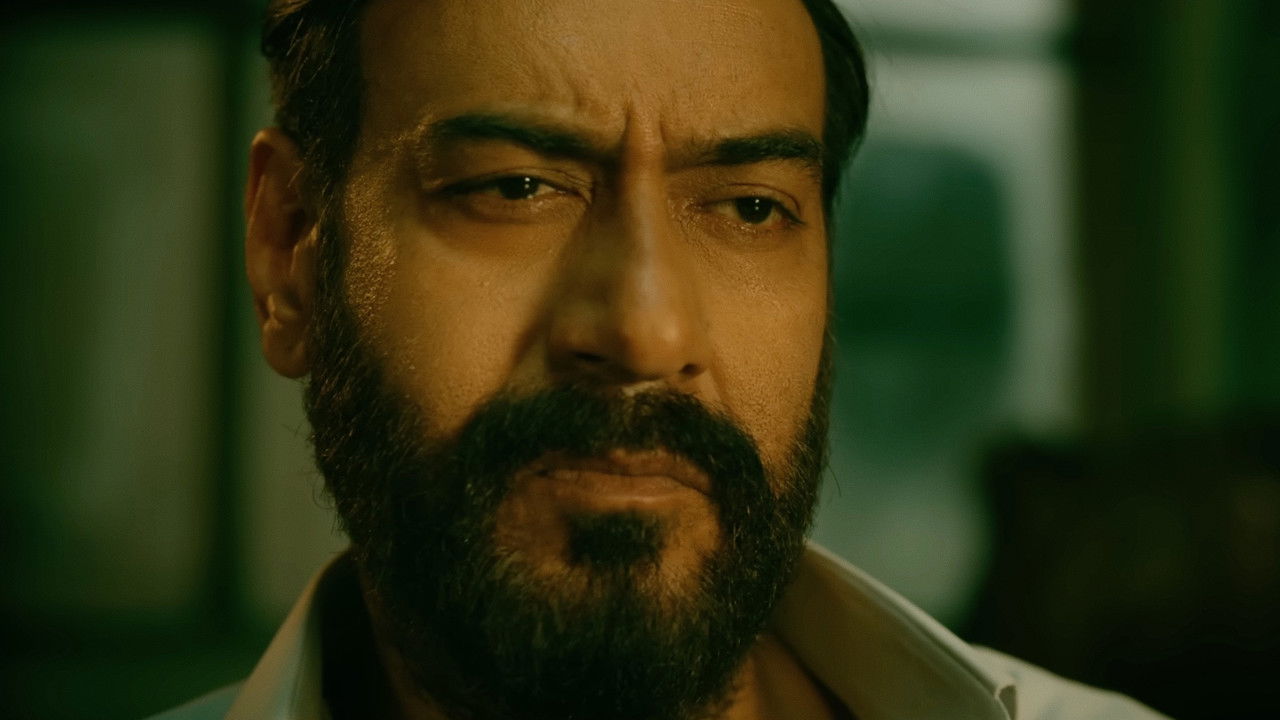
Drishyam: The Conclusion is being positioned as the third and reportedly final installment in the Drishyam franchise, with its trailer releasing today ahead of an October 2, 2026 theatrical run. That's a little over three weeks of promotional runway, which is a fairly standard window for a franchise film that doesn't need to explain its premise from scratch — audiences already know who Vijay Salgaonkar is and why Meera Deshmukh has spent two films trying to bring him down. The film carries a CBFC rating of U/A 16+, a notch above what the earlier films in the series carried, which on its own hints at material the studio expects to run darker or more intense than what's come before.
Ajay Devgn, announcing the project, offered a line that doubles as the franchise's own thesis statement: "The questions remain the same. But the answers are now even closer." It's a tidy summary of what's made Drishyam work as a series in the first place — the audience has always known, more or less, what happened on the night that started everything. What the films have sold instead is the slow tightening of the net around a man who's spent years making sure that knowledge never becomes proof.

Who's back, and who's new
The full confirmed cast includes Ajay Devgn, Tabu, Shriya Saran, Ishita Dutta, Rajat Kapoor, Prakash Raj, and Jaideep Ahlawat. Devgn and Tabu returning as Vijay and Meera isn't a surprise — they're the two poles the entire franchise has been built around since the first film, the guarded family man and the mother who refuses to let her son's disappearance go unanswered. Shriya Saran and Ishita Dutta also return, presumably reprising their roles as Vijay's wife and daughter, the family whose protection has driven every decision Vijay has made across two films.
Prakash Raj joins the cast as a lawyer, a role that suggests at least part of this installment plays out through legal proceedings rather than purely through cat-and-mouse police work — a natural enough turn for a franchise built on the mechanics of evidence, alibi, and reasonable doubt. Rajat Kapoor also returns, rounding out a cast that's mostly assembled from the franchise's existing bench rather than introducing an entirely new ensemble.
The one genuinely new major addition is Jaideep Ahlawat, playing an SP Crime Branch officer named Rajveer Singh Tomar. He's described as bringing "the final showdown" — language that frames his character as the film's central antagonist, or at least the figure most directly responsible for reopening the case Vijay has spent years keeping shut. Ahlawat has built a reputation across recent years for playing controlled, intelligent characters who don't need to raise their voice to feel dangerous, and a Crime Branch officer going up against a protagonist whose entire skill set is staying one step ahead of exactly that kind of scrutiny is a promising structural match on paper.

The tonal shift: Meera isn't seeking justice anymore

This is the detail that separates Drishyam: The Conclusion most clearly from the two films before it. According to the framing around the trailer, Tabu's character is "no longer seeking justice but appears determined to take revenge" — a real shift from where Meera has stood across the first two installments. Both earlier films kept her, however relentlessly, within the register of a mother trying to get the system to work for her: pushing investigators, pulling strings, refusing to let a case go cold. Revenge is a different engine entirely. It doesn't need the system to cooperate, and it doesn't stop where the law stops.
If that shift holds up on screen and isn't just trailer-cut framing, it changes the shape of the entire conflict. A Meera pursuing justice is still, in some sense, playing by rules Vijay can anticipate and route around — that's been the whole game across two films. A Meera pursuing revenge is playing by no rules at all, which would make her a genuinely less predictable opponent for a protagonist whose entire method has depended on predicting what the people hunting him will try next.
A fresh story, not a remake this time
Here's a structural detail worth sitting with. The plot is described as an old case threatening to reopen and test Vijay Salgaonkar's carefully guarded secrets, and it's being billed as a "fresh story and entirely new screenplay" — not a direct adaptation of the original Malayalam film. That's a meaningful break from how this franchise has operated up to now. The screenplay is credited to Aamil Keeyan Khan and Parveez Shaikh, with director Abhishek Pathak also credited as a writer.
Some background: how the Drishyam franchise got here
For anyone coming to this without the earlier history, it's worth laying out — as general franchise background rather than anything newly reported about this specific film. The original Drishyam was a 2013 Malayalam film written and directed by Jeethu Joseph, starring Mohanlal as a cable TV operator whose family becomes entangled in a cover-up after a violent encounter with a visiting teenager. The film was a substantial critical and commercial success in Malayalam cinema, built almost entirely around the tension of watching an ordinary, undereducated man construct an alibi meticulous enough to survive real police scrutiny — a premise that turned procedural investigation into something closer to a chess match played from the suspect's side of the board.
That premise translated well across languages, and the film was remade multiple times, including in Hindi as Drishyam (2015), directed by Nishikant Kamat, with Ajay Devgn stepping into the role Mohanlal originated and Tabu playing the police officer whose son goes missing — the character later reframed as Meera Deshmukh's arc across the sequels. The Hindi version was itself a significant commercial success, and unlike some remakes that get treated as lesser copies of a superior original, it earned its own place in the conversation largely on the strength of Devgn's performance and how faithfully the film preserved the original's patience with procedure.
Drishyam 2 followed years later, again directed by Abhishek Pathak, continuing Vijay and Meera's standoff with a new case built on top of the first film's unresolved tension rather than simply repeating its structure. It was generally well received, with much of the response crediting the film for finding a genuine follow-up story rather than coasting purely on nostalgia for the original's twist. That's relevant context for The Conclusion, because it establishes that this franchise has already proven, once, that it can produce a sequel that earns its own tension rather than just retreading the first film's beats. Whether it can do that a second time, while also closing the story out entirely, is the real test this installment is setting for itself.
Who's making it
Drishyam: The Conclusion is directed by Abhishek Pathak, who also directed Drishyam 2 — continuity that matters, since he's now the person most directly responsible for how this franchise's central relationship has evolved across two consecutive films. The screenplay comes from Aamil Keeyan Khan and Parveez Shaikh, with Pathak also credited as a writer on the project.
On the production side, the film is backed by Alok Jain, Ajit Andhare, Kumar Mangat Pathak, and Abhishek Pathak, presented by Star Studio18 and produced by Panorama Studios. That's a stable, franchise-familiar production setup rather than a new studio taking a swing at the property — Panorama Studios and the Pathak family connection run through the earlier films as well, which suggests continuity of vision behind the camera even with a brand-new screenplay in front of it.
What to watch for before October 2
A few specific things are worth tracking as the release date approaches. First, whether Jaideep Ahlawat's Rajveer Singh Tomar actually functions as a worthy adversary for Vijay's particular skill set, or whether the "final showdown" framing turns out to be more marketing than substance once the film's actual plot mechanics play out. Second, whether Meera's reported turn toward revenge genuinely reshapes the conflict, or softens back into a more familiar justice-seeking arc once the film has to resolve itself within U/A 16+ boundaries. Third, whether an original screenplay — freed from adapting Jeethu Joseph's original Malayalam plot beat for beat — can generate the same slow-building tension that made the first two films work, or whether it loses something by cutting that direct lineage.
And underneath all of it sits the biggest question a "final" franchise installment always has to answer: whether this actually closes Vijay Salgaonkar's story in a way that feels earned, or whether "The Conclusion" ends up being a marketing label rather than a genuine ending. Devgn's own framing — the questions staying the same while the answers get closer — suggests the filmmakers know exactly what they're being asked to deliver. October 2 will show whether they can.
Drishyam: The Conclusion opens in theatres October 2, 2026 — watch for whether the original, non-remake screenplay can match the tension of the first two films, and for how critics respond to the franchise closing out Vijay Salgaonkar's story for good.