The Witcher 3 Remastered Is Coming Free September 29 — Here's Everything Changing
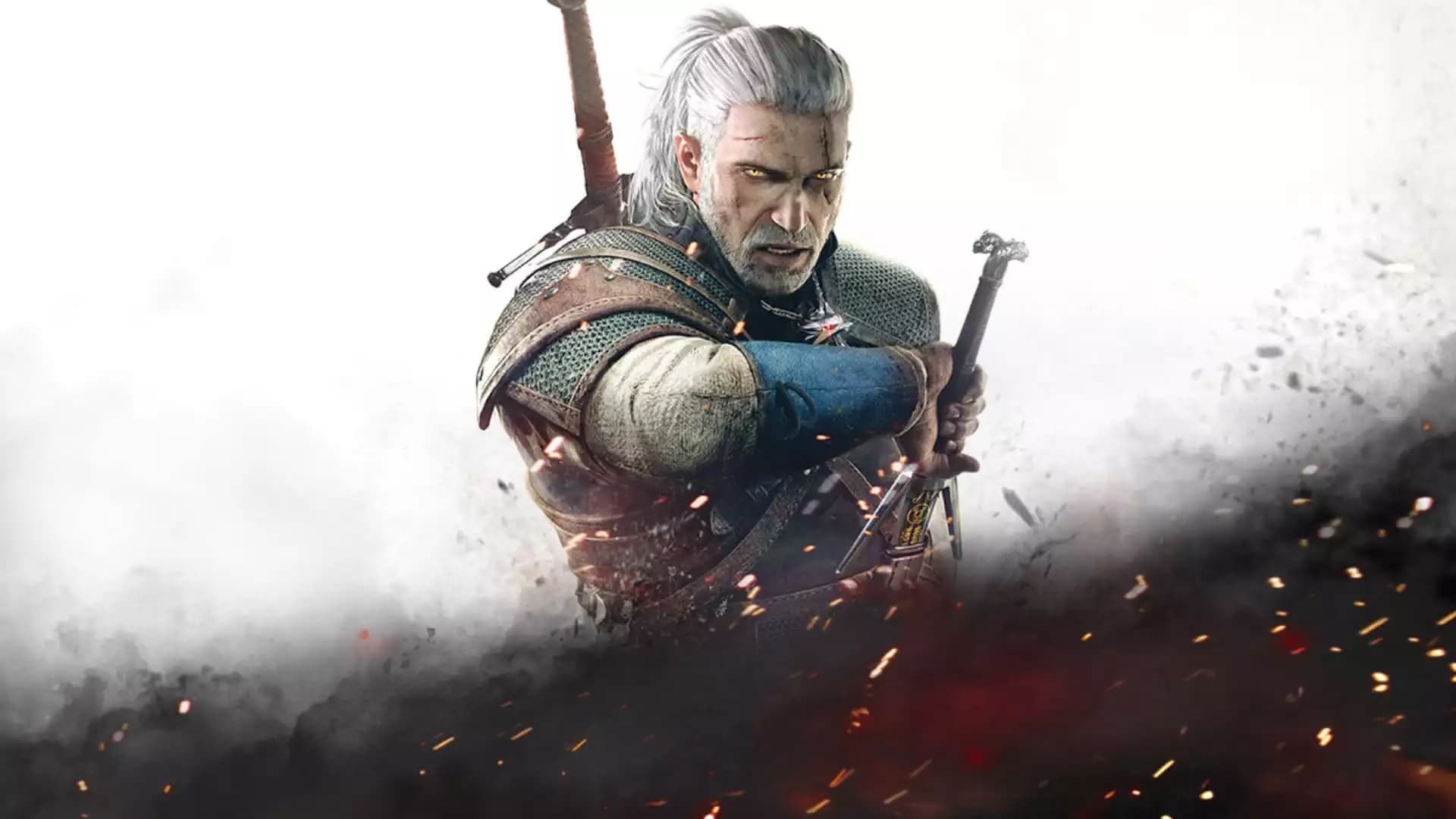
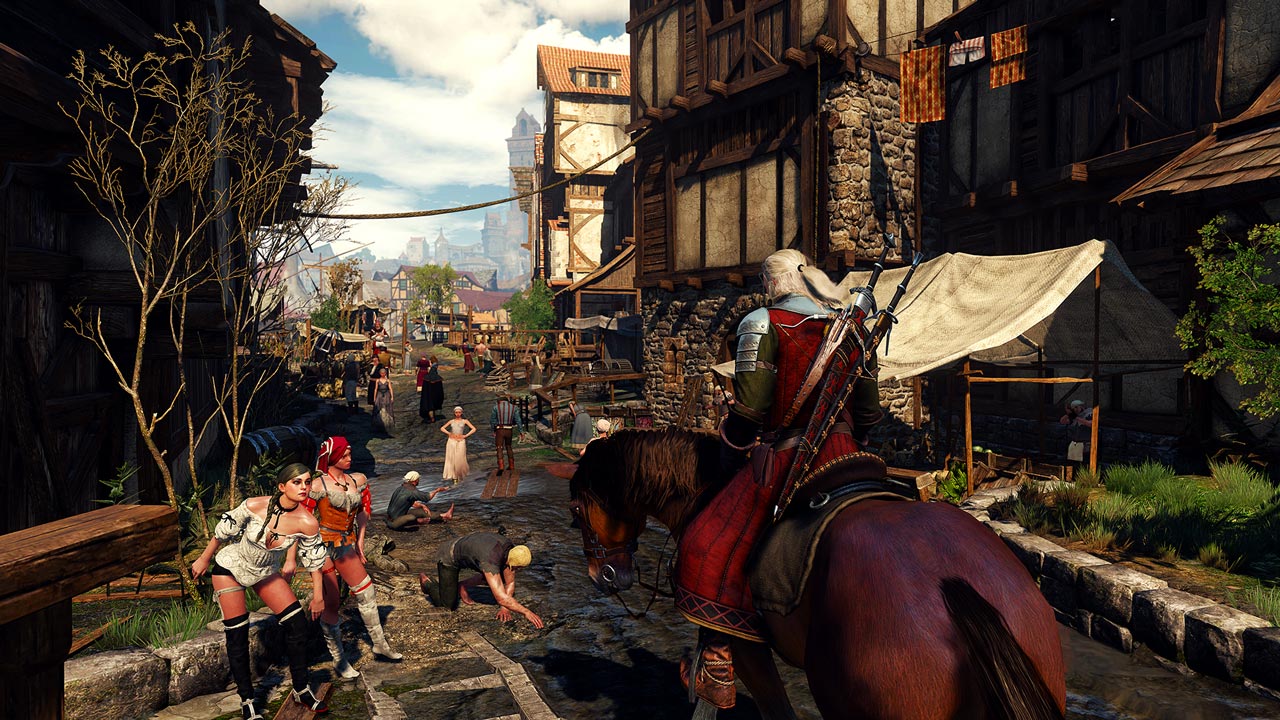
CD Projekt Red used Gamescom Opening Night Live on August 25, 2026, to confirm something the studio has been sitting on for a while: The Witcher 3: Wild Hunt is getting a full remaster, it's free for anyone who already owns the game, and it arrives September 29, 2026. According to CD Projekt's official press release and Xbox Wire's coverage of the announcement, the update touches nearly every part of how the eleven-year-old RPG plays, not just how it looks.
The bigger surprise came right after. CD Projekt also revealed Songs of the Past, a new paid expansion set in Dandelion's hometown, due in 2027. That's the first substantial new Witcher 3 content pitched at players since Blood and Wine closed the book on Geralt's story back in 2016.
The remaster is free, and here's who gets it
CD Projekt's press release is direct about pricing: anyone who already owns The Witcher 3: Wild Hunt on a qualifying platform gets the Remastered version as a free upgrade, no repurchase required. That's consistent with how the studio handled the game's last-gen-to-current-gen update back in 2022, and it extends further this time — current owners are also getting the Hearts of Stone and Blood and Wine expansions for free, according to both CD Projekt's release and GamesRadar+'s reporting. If you bought the base game years ago and never picked up the expansions, September 29 effectively hands you the complete package at no additional cost.
The Remastered version launches on PC, PlayStation 5, and Xbox Series X|S, plus a native version built for Nintendo Switch 2. It's also coming to Battle.net, marking a new distribution partnership between CD Projekt Red and Blizzard that hasn't existed for this game before. That's a notable expansion of where The Witcher 3 lives digitally, putting it on a storefront it's never previously shipped through.
What actually changes in the gameplay
This isn't a resolution-and-texture pass dressed up as a remaster. Per CD Projekt's press materials and Xbox Wire, the gameplay changes are extensive:
- Revamped combat animations across Geralt's sword work and Signs
- New finishing moves, including one built around the Aard Sign
- An adaptive combat camera that tightens or zooms out depending on how many enemies are surrounding Geralt
- A redesigned skill tree with new perks layered into the existing progression system
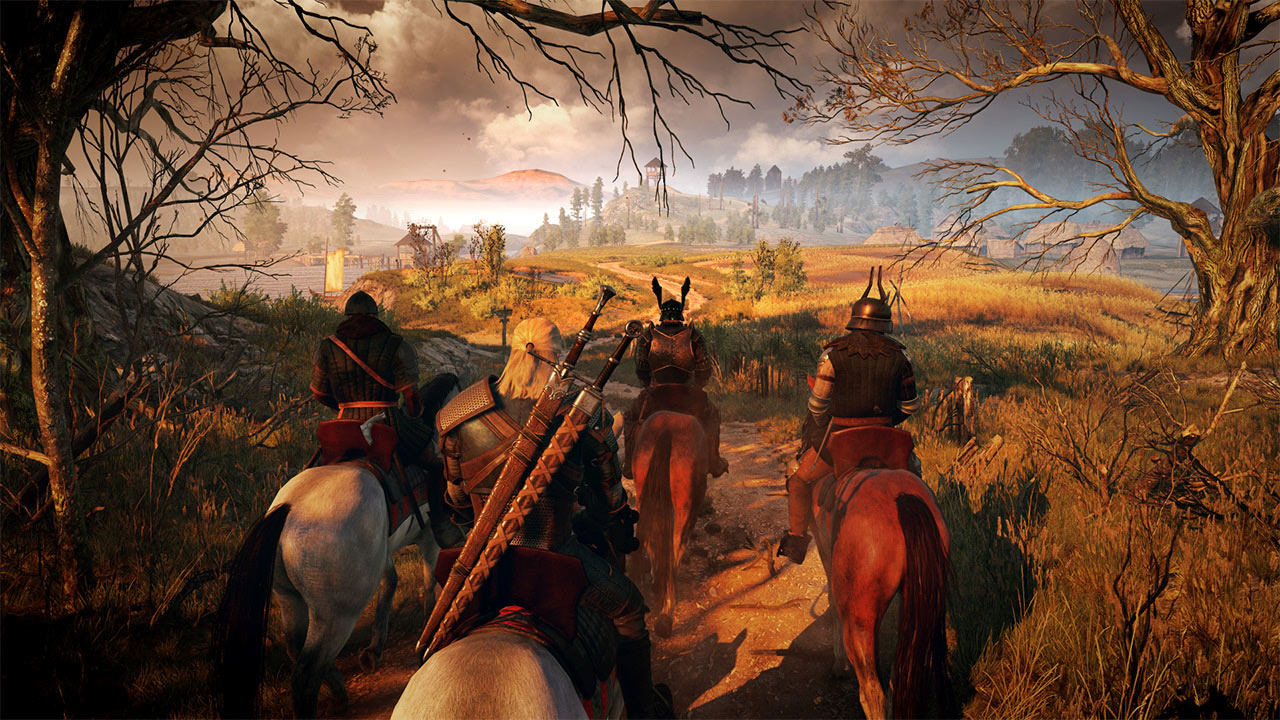
- Reworked Roach handling, addressing one of the base game's most-memed weaknesses — the horse's notoriously unpredictable pathing
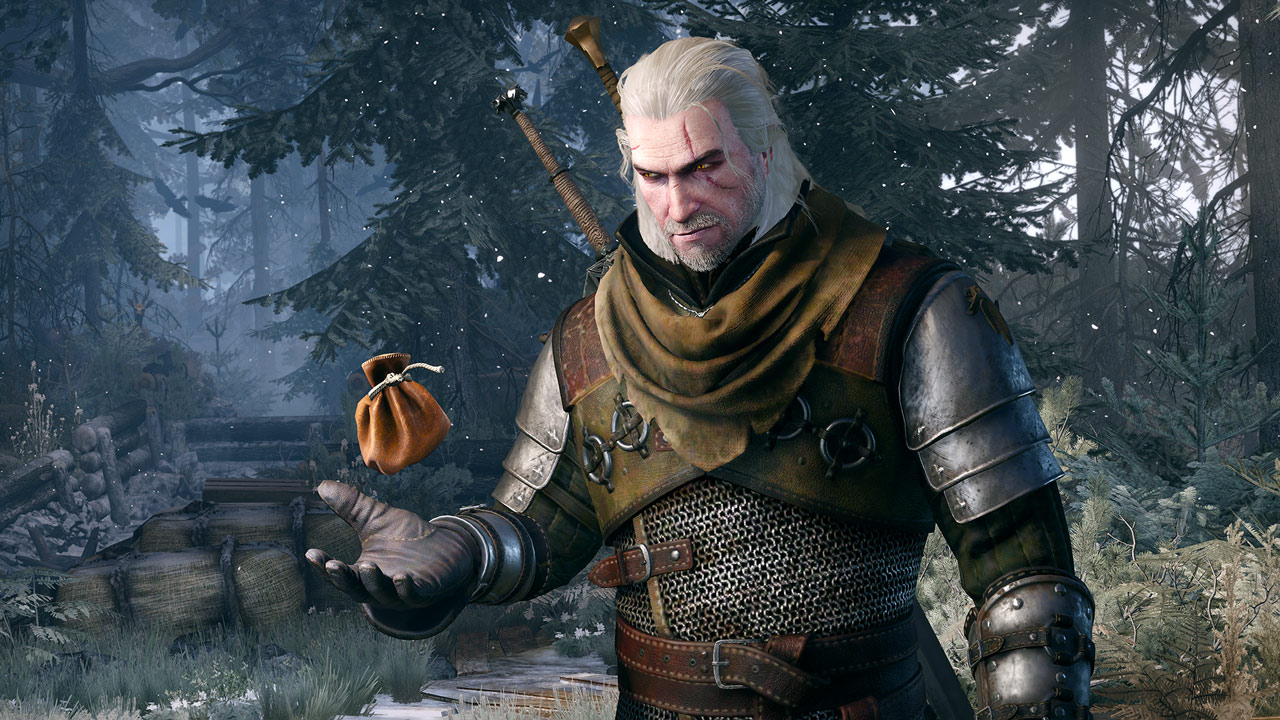
- A transmogrification system, letting players keep a preferred armor's look while wearing better stats underneath
- An expanded photo mode
- Cross-platform mod support
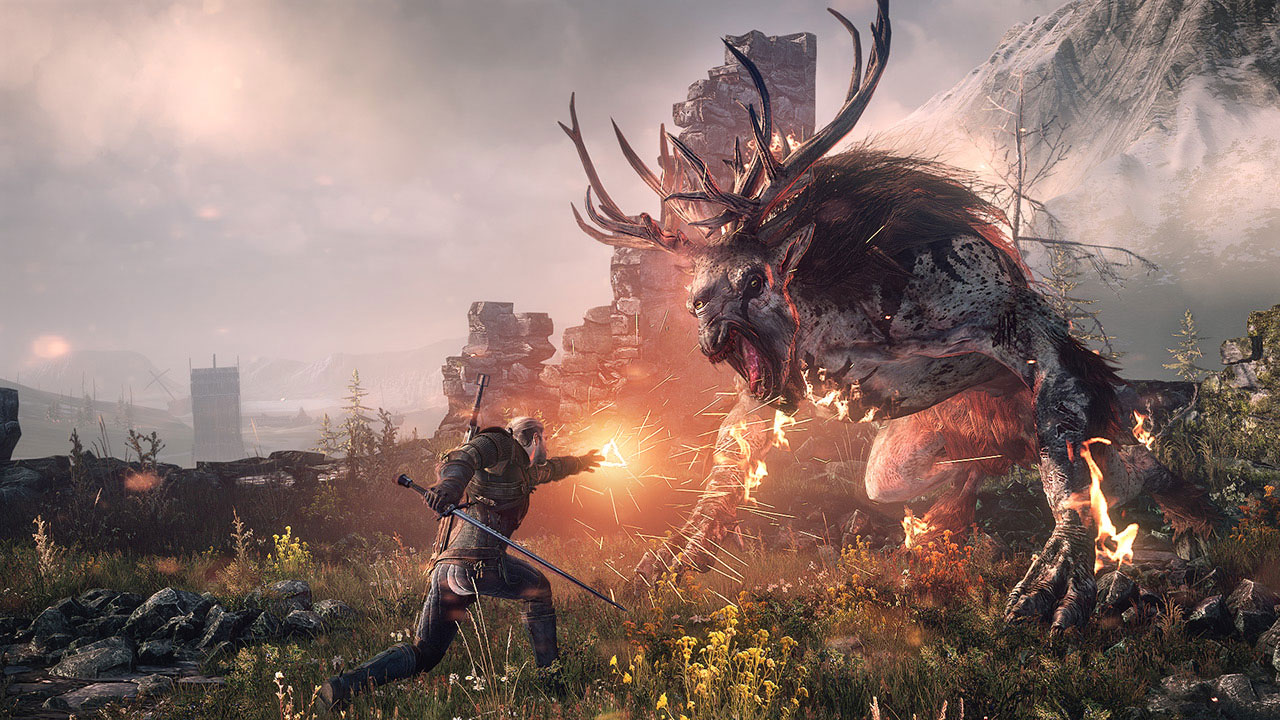
Combat and mount handling were consistently the two biggest points of friction people had with The Witcher 3 even at its best, so it's telling that both are getting direct, named fixes rather than a vague "improved" bullet point. The transmogrification system and mod support are more modern conveniences that the game simply didn't have in 2015 — both are now standard enough in the genre that their absence would have looked dated on a fresh release.
Who's actually building this
The Remastered edition is being co-developed with Yigsoft, a Ukrainian studio, according to CD Projekt's press materials. CD Projekt Red has increasingly leaned on external co-development partners for its back-catalog work rather than pulling its main Warsaw team off Witcher IV (Polaris) or Cyberpunk 2077's ongoing support, and this follows that same pattern — a dedicated studio handling the remaster while CD Projekt's core team stays focused elsewhere.
Songs of the Past: the new expansion, explained
The bigger long-term news is Songs of the Past, a new paid expansion co-developed with Fool's Theory — a studio led by veterans who worked on the original Witcher 3 — set for release sometime in 2027 on PC, PS5, Xbox Series X|S, and Switch 2. CD Projekt has confirmed it's paid, distinguishing it from the free Remastered upgrade, though no pricing has been announced yet.
Lore explainer: what's actually happening in Letten
Songs of the Past is set in Letten, described in CD Projekt's materials as Dandelion's hometown — a detail that gives long-time players their first real look at where the bard grew up, after a decade of him mostly existing as Geralt's tagalong and comic relief. Per Game Informer's preview, Letten is pitched as an "idyllic land of rural tradition" hiding "a dark secret" beneath its pleasant surface, which is about as classic a Witcher setup as it gets — the series has built its identity on exactly this kind of folk-tale wholesomeness curdling into something rotten once you look closer.
The plot hook: Dandelion has gone missing, and Geralt is drawn into Letten to investigate. Game Informer's preview also confirms a new companion and potential love interest, Lilla, who is Dandelion's cousin. Given how central Dandelion has been to Geralt's story since the very first Witcher game, an expansion built specifically around his backstory and disappearance is a meaningful gap to finally fill in.
New mechanics and returning favorites
Beyond the story hook, Game Informer's preview and Xbox Wire's coverage lay out several new gameplay elements arriving with Songs of the Past:
- The Garden of Thorns, a cursed wooded area populated by tree-root-themed spirits
- Swarmians, a new enemy type that surrounds itself with a protective swarm of bees for armor
- A new ranged chain weapon that functions like a pull or grappling tool, yanking enemies in from a distance — a callback to a weapon type from the original 2007 Witcher game
- Gwent, confirmed to return
- Side activities including fist-fighting, sailing, and horseback riding
The chain weapon callback is a nice touch for anyone who played the original Witcher and remembers just how different its combat felt from the series' later, more fluid Sign-and-steel systems. Bringing back a mechanic that specific, rather than just referencing it in dialogue, suggests Fool's Theory is leaning into its team's history with the franchise rather than treating Songs of the Past as a generic add-on.
Is this setting up The Witcher IV?
Several outlets covering the Songs of the Past reveal have floated the idea that it's laying narrative groundwork for The Witcher IV, also known by its internal codename Polaris. That's worth flagging clearly as outlet analysis and speculation — CD Projekt has not confirmed any direct narrative link between Songs of the Past and Polaris in its official materials. The theory isn't baseless on its face: CD Projekt has previously talked about Polaris continuing threads from the broader Witcher universe rather than being a clean reboot, and an expansion built around Geralt's world just ahead of that next mainline game's eventual release is the kind of thing a publisher might time deliberately. But until CD Projekt says so directly, treat that connection as informed guesswork rather than a confirmed roadmap.
Why this matters for a game that's already eleven years old
The Witcher 3 has had an unusually long tail even by RPG standards — it's been re-released, expanded, and ported more times than most games get a single re-release, and it keeps finding new audiences through Netflix's adjacent (if creatively rocky) show and the strength of word of mouth alone. What's notable about this latest push isn't just that CD Projekt is still supporting it; it's how much is actually changing under the hood rather than just a coat of visual polish. Combat overhauls, a new companion system, cross-platform mods, and a genuinely new story chapter eleven years post-launch is a heavier investment than most publishers make in games this old, remaster or not.
It also says something about CD Projekt's broader strategy after Cyberpunk 2077's rocky launch and subsequent recovery. Rather than letting The Witcher 3 coast on nostalgia while all attention shifts to Polaris, the studio is treating its most beloved game as an active product worth continued investment — free for existing owners, but clearly not an afterthought.
Should you jump back in on September 29
For anyone who already owns The Witcher 3 on a supported platform, there's essentially no reason not to install the Remastered update when it lands — it's free, it comes bundled with both expansions if you didn't already own them, and the mount handling fix alone addresses a genuine, long-running complaint. For newcomers, this is about as good an entry point as the game has ever had: a decade of polish, quality-of-life fixes, and a redesigned skill tree layered onto what was already one of the best-reviewed RPGs of its generation. Songs of the Past adds a real reason to come back even for players who've already finished Blood and Wine twice over — just don't expect firm pricing or a locked release date until CD Projekt says more in the months ahead.
Expect more Songs of the Past details — gameplay footage, a firmer release date within 2027, and eventually pricing — to trickle out ahead of the Remastered launch, with outlets continuing to watch for any explicit tie to The Witcher IV.