The GTA VI Hack Story Is Actually Two Different Hacks — Here's What's Confirmed
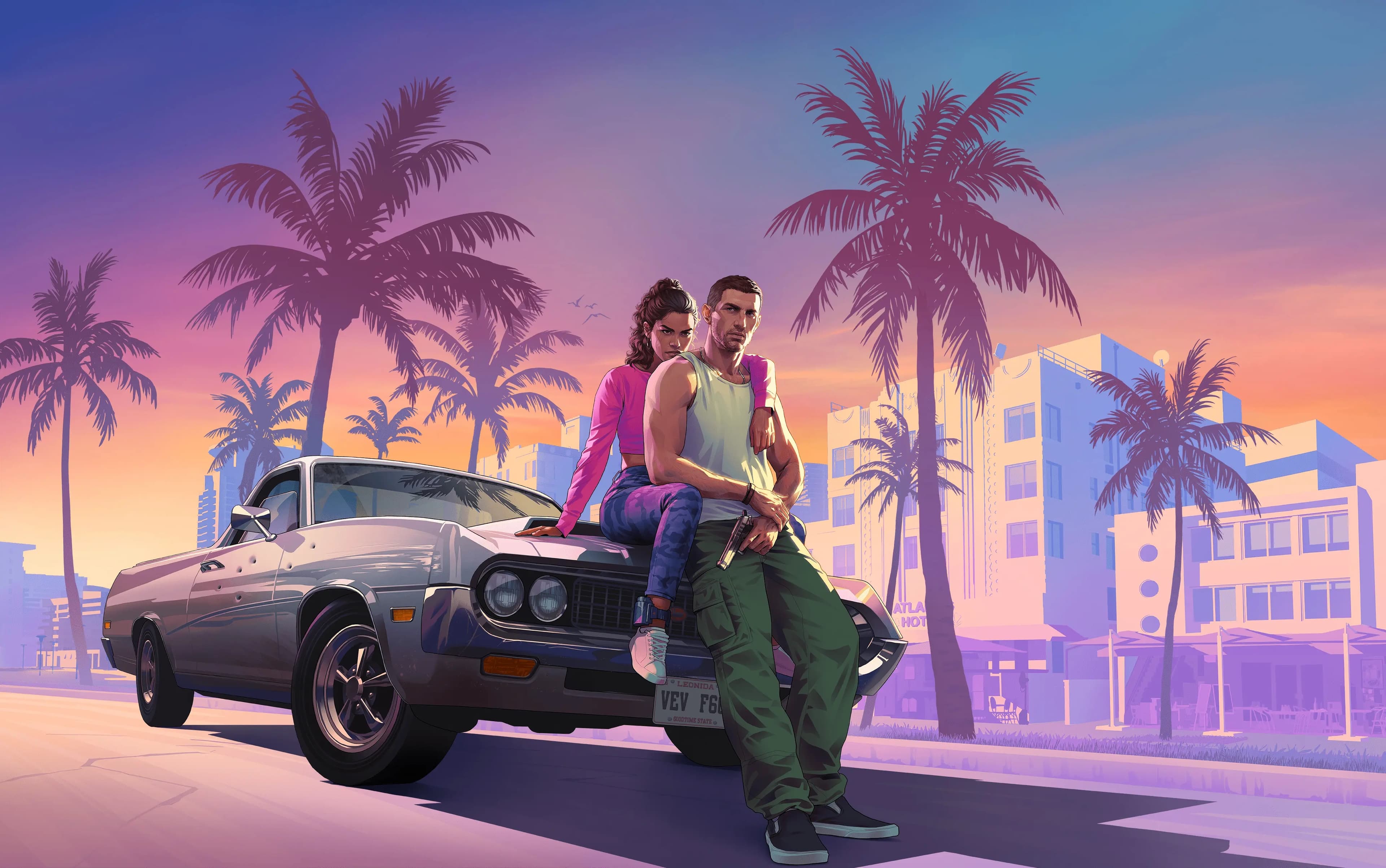
Grand Theft Auto VI has been hacked before it's even out, again. Except this time "again" is doing a lot of work, because there are two separate incidents circulating right now that keep getting mashed together in social feeds — a protest-driven leak campaign happening this week, and a corporate ransom hack reported back in April. They have different perpetrators, different targets, and wildly different levels of verification. Treating them as one story is how misinformation spreads, so here's what's actually confirmed for each.
Incident one: CyberLeek's protest leaks
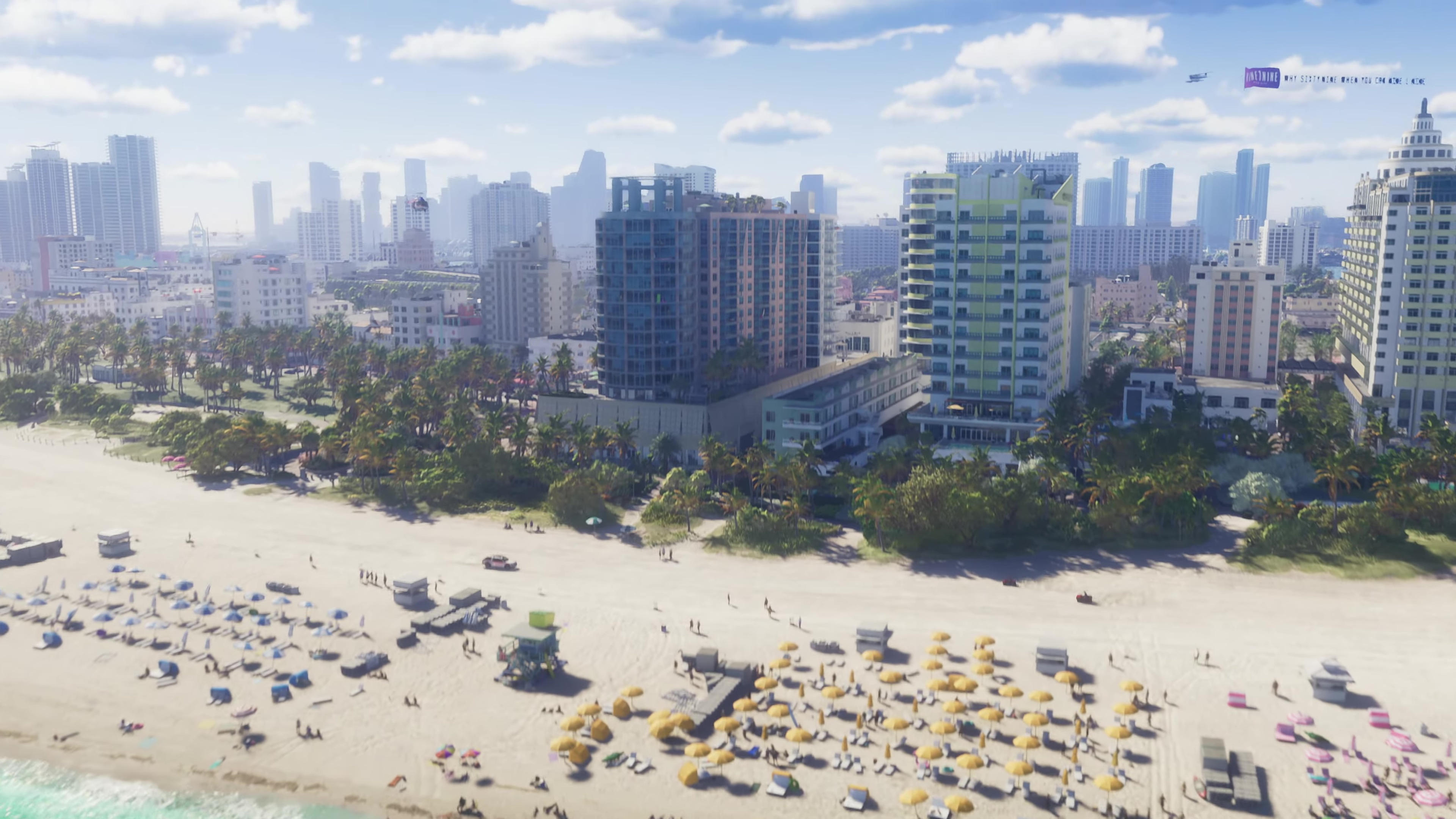
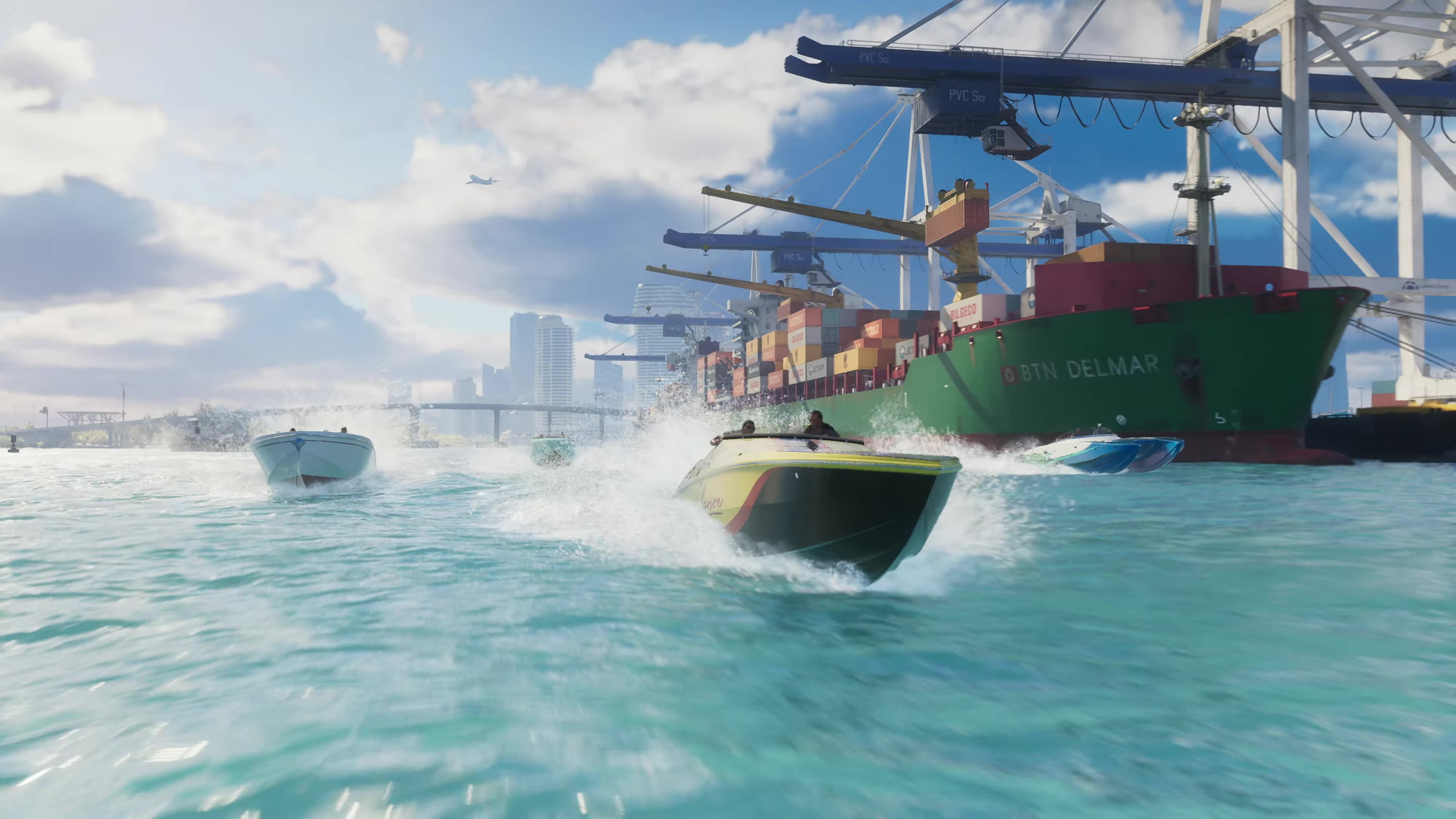
Starting August 18, 2026, a hacker or group going by the name CyberLeek began posting Grand Theft Auto VI content in waves. According to ScreenRant and Attack of the Fanboy, the material includes a roughly two-minute gameplay clip, UI elements, details of the wanted system, a full map reveal, and vehicle showcases. This isn't a single dump — it's been staggered across several days, which is itself part of the point CyberLeek is trying to make.
Unlike a typical leak, CyberLeek has framed the whole thing as a protest, not a flex. Per Tom's Hardware and Attack of the Fanboy, the group's stated reasoning centers on how publishers structure digital purchases and live-service monetization, with a quote circulating that reads: "Publishers sell licenses and call them purchases." The same reporting has CyberLeek criticizing the industry-wide habit of shipping unfinished games and patching them over time under the banner of "live service" support — treating a launch as a beta with a marketing budget instead of a finished product.
There's a more specific grievance tied to Grand Theft Auto VI itself. NBC News has covered claims that this will be the first mainline entry in the franchise's 28-year history to launch without a physical disc option at all — worth flagging that this detail is currently sourced at the headline/summary level rather than confirmed through NBC's full reporting, so treat it as a claim in circulation rather than settled fact.

The three demands
CyberLeek isn't just leaking for attention — ScreenRant and Attack of the Fanboy report the group has laid out three specific demands:
- No digital-only pre-orders.
- No "fake" single-player DLC that's already sitting finished in the game's files at launch, being held back and sold later.
- Mandatory offline fallback modes for single-player games, so a always-online requirement can't lock people out of content they've paid for.
The group has reportedly said it won't stop releasing leaked material until Rockstar issues a public statement or a formal apology addressing these points. That's a notably different ask than most leakers make — most leak campaigns are about ego or profit, not policy concessions.
Rockstar's silence, and what the DMCA notices imply
Rockstar has not addressed CyberLeek's claims publicly as of this writing. What it has done is send DMCA takedown requests targeting the leaked material, and multiple outlets are treating those takedowns as circumstantial evidence that the footage is real — a company generally doesn't spend legal resources scrubbing content that has nothing to do with it. That said, "circumstantial" is the operative word here. Rockstar hasn't confirmed authenticity, and there's a real difference between "this looks real enough to be worth suppressing" and "this is confirmed genuine game footage."
The clearest resolution point on the calendar is August 27, 2026, when Rockstar has a Netflix reveal presentation scheduled. Outlets covering this story are broadly framing that event as the moment where the leaked footage either gets validated by comparison or gets quietly contradicted. It's also worth flagging that the November 19, 2026 release date attached to this round of coverage should be treated with some caution — Grand Theft Auto VI's release date has shifted in prior reporting cycles, so a specific date attached to a leak story isn't necessarily more reliable than a specific date attached to any other GTA VI coverage.
Incident two: the ShinyHunters ransom hack
This is the other story, and it's a completely different animal. Back in around April 2026 — the exact date isn't independently verified in available reporting — a group calling itself ShinyHunters claimed to have breached Rockstar's cloud infrastructure, reported by PC Gamer as Snowflake cloud-hosting. This wasn't a game-content leak; it was a ransom play. ShinyHunters reportedly demanded payment and threatened to release stolen corporate data if Rockstar didn't comply.
It's important to be upfront that this coverage is currently sourced at the headline/summary level rather than full-text verification, so several specifics below should be read as reported claims, not confirmed fact.
What was allegedly targeted, according to that reporting, wasn't game assets at all — it was corporate and business information: contracts, financial documents, marketing plans. That's a meaningfully different kind of exposure than leaked gameplay footage. Game footage is embarrassing and spoils surprises; leaked contracts and financials can create real legal and competitive problems.
Rockstar reportedly confirmed some kind of breach occurred but characterized what was taken as "non-material company information," and reportedly said it would not pay the ransom. Take-Two Interactive's stock reportedly dropped more than 6% in pre-market trading following the news — but this figure, like the rest of the ShinyHunters details, needs primary-source confirmation before it should be treated as settled. Stock moves tied to breaking hack news are notoriously prone to overcorrection once more details emerge, so a 6% pre-market swing isn't necessarily where the stock actually settled once markets fully digested the story.
Why these two incidents keep getting conflated
Both stories involve the words "GTA VI" and "hack," both involve Rockstar as the victim, and both happened within the same calendar year — that's basically the entire reason people lump them together online. But the actual shape of each incident is different in every way that matters. ShinyHunters, if the reporting holds up, was financially motivated and went after back-office data using what's described as a cloud infrastructure breach. CyberLeek is explicitly ideological, going after game content itself, and has attached specific, publicly stated policy demands to its actions rather than a ransom figure.
That distinction matters for how seriously to take each one. A ransom hack against corporate cloud storage is a security story — it's about whether Rockstar's infrastructure holds up, and how a publicly traded company handles extortion. A protest leak of pre-release game footage is a consumer-relations story — it's about whether players' frustrations with digital-only releases and unfinished launches have gotten sharp enough that someone's willing to risk criminal charges to make the point loudly.
The 2022 precedent, and how CyberLeek is different
This isn't the first time Grand Theft Auto VI's development has been compromised before an official reveal. In September 2022, a hacker linked to the Lapsus$ group leaked more than 90 clips of early Grand Theft Auto VI development footage. Rockstar confirmed the breach at the time and said it was "extremely disappointed" by the leak, according to Variety and TechRadar. The hacker was later identified as a teenager and was arrested and convicted.
The contrast with CyberLeek is worth sitting with. The 2022 leak had no stated political or consumer-advocacy motive attached to it at all — it's broadly understood as the work of a teenager who wanted access and notoriety, not someone making a case about industry practices. CyberLeek, by comparison, has built its entire public presence around a specific, articulated grievance about digital ownership, live-service monetization, and withheld content. Whether or not you buy CyberLeek's framing, it represents a different category of threat than the 2022 incident — not a curious teenager stumbling into unsecured dev servers, but someone using leaked content as leverage for a stated set of demands.
What actually happens next
Rockstar's options here are limited and all carry risk. Staying silent, which is the current approach, lets CyberLeek keep controlling the narrative and keeps the leaks coming according to the group's own stated terms. Issuing a statement risks legitimizing a hacker's demands as something a publisher negotiates with, which is a precedent most studios are extremely reluctant to set. And continuing DMCA takedowns without comment, as has been happening, does little more than confirm the material is worth suppressing without actually addressing why players are frustrated in the first place.
The August 27 Netflix presentation is the closest thing to a hard deadline in this story. If Rockstar's official reveal lines up closely with what CyberLeek has already leaked, that settles the authenticity question even without Rockstar directly acknowledging the hack. If it diverges significantly, it opens the door to Rockstar framing the leaks as partially fabricated or outdated — which would undercut CyberLeek's credibility regardless of how legitimate its underlying grievances about digital ownership and unfinished launches actually are.
Rockstar's Netflix presentation on August 27 is the next real checkpoint — expect it to either confirm or contradict the leaked footage, and possibly address CyberLeek's demands directly given the amount of public pressure.